Note: This article is original, web-ready content synthesized from reputable U.S. nature, conservation, outdoor safety, wellness, and photography guidance. It is written for publication without source-link clutter.
Introduction: Nature Is the Original Influencer
Before ring lights, filters, and captions that begin with “POV,” nature was already doing the most. A sunrise over a quiet lake. A squirrel posing like it owns municipal property. A single raindrop hanging from a leaf as if it paid rent there. The prompt “Hey Pandas, Post A Picture Of Nature’s Beauty That You Took Yourself” is more than a cute community challenge. It is an invitation to slow down, look closer, and share a real moment from the living world through your own eyes.
Nature photography does not require a luxury camera, a helicopter, or a dramatic hat. Some of the most memorable nature pictures are taken on a phone during a neighborhood walk, in a backyard garden, beside a foggy window, or on a trail where your shoes are losing an argument with mud. What matters is attention. A good nature photo says, “I was here, I noticed this, and for one second the world looked like it had excellent lighting design.”
In a noisy internet full of recycled images, personal nature photography feels refreshingly human. It reminds readers that beauty is not only found in famous national parks or postcard-perfect beaches. It is also hiding in sidewalk weeds, backyard birds, cloud shadows, winter branches, mushrooms after rain, and the tiny green rebellion of a plant growing through a crack in concrete.
Why Personal Nature Photos Still Matter
There is something special about a picture taken by the person posting it. It carries context, effort, timing, and a little bit of accidental comedy. Maybe the photographer woke up early for golden hour. Maybe they waited patiently for a butterfly to land. Maybe they tried to photograph a majestic deer and got only one blurry hoof. Even then, the image has a story.
Personal nature photos also help people reconnect with their surroundings. Research and public health guidance have repeatedly linked time in nature with benefits such as lower stress, improved mood, better attention, and a stronger sense of well-being. The camera becomes a reason to step outside. Instead of scrolling past the day, you start scanning it: the texture of bark, the shape of clouds, the way sunlight turns an ordinary puddle into a tiny mirror universe.
Nature Beauty Is Not Always Dramatic
When people hear “nature’s beauty,” they often imagine mountain peaks, waterfalls, coral reefs, or forests so green they look like they were edited by an overenthusiastic wizard. Those scenes are wonderful, but beauty can also be quiet. A dandelion seed head. Frost on a mailbox. The orange glow of evening on a brick wall. A snail moving with the urgency of a tiny philosopher.
The best community photo threads usually include variety. One person posts a sweeping landscape. Another shares a close-up of moss. Someone else contributes a sunset so intense it looks like the sky is auditioning for a fantasy movie. Together, these images form a collective reminder: nature is not one thing. It is mood, movement, color, pattern, weather, patience, and surprise.
How to Take Better Pictures of Nature’s Beauty
You do not need to be a professional photographer to capture beautiful nature scenes. You need curiosity, patience, and the courage to crouch in public while pretending you are not being judged by a pigeon. Good nature photography starts with observation. Before lifting the camera, look around. Where is the light coming from? What is moving? What detail keeps pulling your eye back?
Use Natural Light Like a Friendly Cheat Code
Light can turn a basic scene into something magical. Early morning and late afternoon are popular for a reason: the sun sits lower, shadows grow longer, and colors often appear warmer. This is the famous “golden hour,” also known as “the time when even a trash can can look emotionally complex.”
Midday light can be harsh, but it still works for certain subjects. Bright sunlight can bring out strong shadows, sparkling water, and bold colors. Cloudy days are excellent for close-ups because the light becomes soft and even. Rain can deepen colors, add reflections, and make plants look dramatically refreshed, like they just returned from a spa retreat.
Get Close, But Not Too Close
Close-up nature photography is a wonderful way to reveal hidden details. Leaves have veins like tiny road maps. Flowers contain patterns that look engineered by artists with unlimited patience. Tree bark can resemble landscapes. Even ordinary grass can become interesting when photographed from a low angle.
However, when the subject is wildlife, distance matters. Ethical photography means allowing animals to behave naturally without stress or disturbance. Use zoom instead of approaching too closely. If an animal changes direction, freezes, runs, calls, hides, or stares at you like you are the problem, you are probably too close. Congratulations, you have become the plot twist.
Respect the Scene You Came to Photograph
A beautiful photo is not worth damaging the very place that made it beautiful. Stay on marked trails where required, avoid trampling fragile plants, follow park rules, and never feed wildlife. Feeding animals can harm their health and change their natural behavior. Also, no photo improves when the caption secretly reads, “I ruined a meadow for this.”
Leave No Trace principles are especially useful for nature photographers. Pack out trash, respect other visitors, keep pets controlled, and leave rocks, flowers, shells, nests, and artifacts where they are. Take pictures, not souvenirs. The mountain does not need you to take a decorative rock home as a “memory.” Your camera already did that job.
What Makes a Nature Photo Worth Sharing?
A share-worthy nature photo does not have to be technically perfect. It needs feeling. It should make someone pause, smile, wonder, breathe deeper, or say, “Wait, where was this taken?” Sometimes the best image is sharp and carefully composed. Sometimes it is imperfect but alive. A bird mid-hop, a dog photobombing a sunset, a wave frozen at the exact moment it looks like glassthese are the moments people remember.
Composition Helps the Eye Know Where to Go
Composition is the arrangement of elements inside the frame. A simple trick is the rule of thirds: place the main subject slightly off-center instead of always putting it directly in the middle. This can make a photo feel more natural and dynamic. Leading linessuch as trails, rivers, fences, shadows, or rows of treescan guide the viewer’s eye into the scene.
Negative space also works beautifully in nature photography. A lone bird in a wide sky, a single tree in snow, or a tiny flower against a dark background can feel powerful because the emptiness gives the subject room to breathe. Not every photo needs to be packed like a suitcase before a three-week trip.
Tell a Small Story
The strongest nature photos often suggest something happened before or after the shutter clicked. A muddy paw print on a trail. A bee approaching a flower. A storm cloud moving toward a bright field. A leaf caught in a stream. These images invite the viewer to imagine motion and meaning.
When posting your own nature photo, add a caption that gives a little context. Where were you? What did you notice? Was the photo planned or lucky? Did you have to wait? Did a mosquito emotionally support your entire artistic process by attacking your ankles? Small details make the image more personal and more memorable.
Great Ideas for “Nature’s Beauty” Photos
If you want to join a community challenge but are not sure what to photograph, start with what is near you. You do not need a dramatic expedition. Your best subject might be ten steps from your door, quietly doing photosynthesis.
1. Sunrise and Sunset
Sunrise and sunset are classics because the sky changes quickly and colors can be spectacular. Try including a foreground object such as a tree, bridge, rooftop, mountain ridge, or person in silhouette. This adds scale and gives the sky a stage.
2. Clouds and Weather
Clouds are nature’s free theater. Storm clouds, cottony cumulus clouds, fog, mist, rainbows, snow flurries, and dramatic light after rain can create images that feel cinematic. Always stay safe during storms; no lightning photo is worth becoming a cautionary tale.
3. Tiny Worlds
Macro-style photos of flowers, insects, moss, mushrooms, feathers, shells, and raindrops can reveal details people usually miss. A phone camera can work surprisingly well if you tap to focus, hold steady, and avoid blocking the light with your own hand, which is rude but common.
4. Wildlife from a Respectful Distance
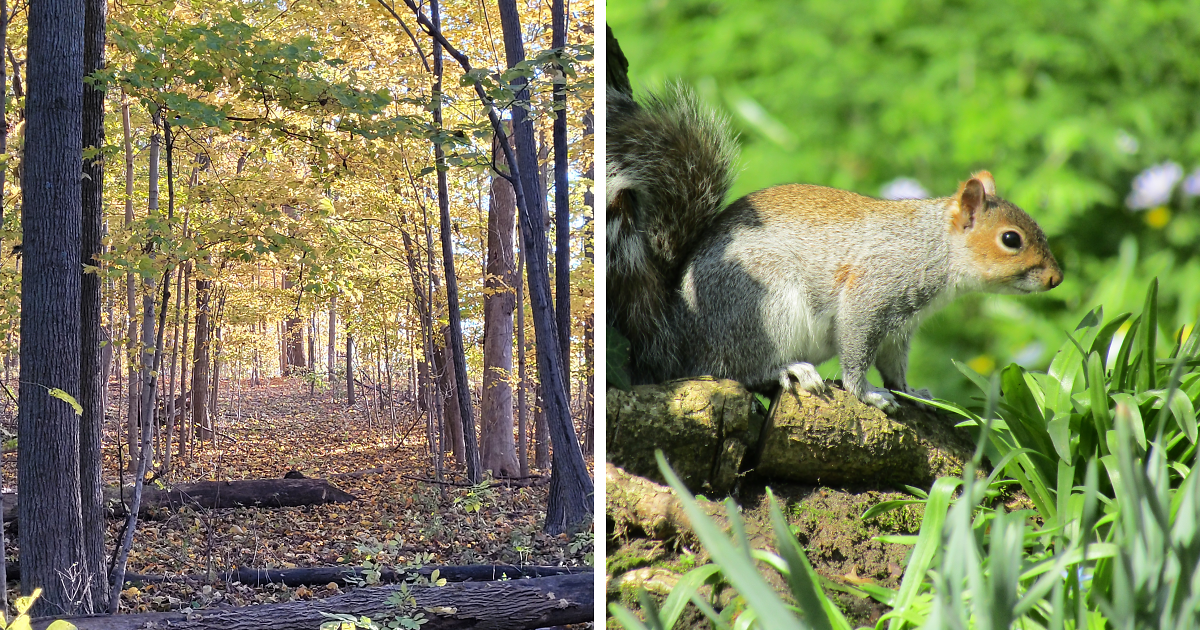
Birds, deer, squirrels, rabbits, butterflies, lizards, and other animals can make wonderful subjects. Use zoom, move slowly, and avoid chasing or baiting them. A calm animal acting naturally is better than a stressed animal reacting to a photographer who forgot manners exist.
5. Trees, Leaves, and Forest Details
Trees are endlessly photogenic. Look for roots, bark texture, leaf color, light beams, reflections, and patterns in branches. In autumn, leaves bring bold color. In winter, bare trees create striking silhouettes. In spring, new growth feels hopeful. In summer, shade becomes the real MVP.
6. Water Reflections
Lakes, rivers, ponds, puddles, and tide pools can double the beauty of a scene. Reflections work best when the water is still, but ripples can create abstract patterns. Try lowering your camera close to the water for a more immersive viewwithout dropping your phone and discovering underwater photography by accident.
Ethical Nature Photography: Beauty Without Harm
Responsible nature photography protects both the photographer and the subject. Public lands, parks, forests, beaches, wetlands, and wildlife areas often have rules for good reasons. Some habitats are fragile. Some animals are nesting, feeding, migrating, or raising young. Some cliffs are not “dramatic viewpoints” so much as “gravity’s customer service desk.”
Before visiting a natural area, check local rules. Stay behind barriers and railings. Keep distance from wildlife. Do not block roads for photos. Avoid sharing the exact location of sensitive nests, rare plants, or vulnerable habitats. The internet can send crowds quickly, and not every beautiful spot can handle sudden attention.
Ethics also apply to editing. Adjusting brightness, contrast, or crop is normal. But if a photo is heavily manipulated, staged, or AI-generated, say so. A prompt asking for a picture you took yourself is about authenticity. People want to see your moment, not a dragon added to a canyon because the canyon “needed more engagement.” It did not. The canyon was fine.
Why Community Nature Posts Feel So Good
Community photo prompts work because they turn individual observation into shared appreciation. One person’s backyard robin may remind another person of childhood mornings. A desert sunset may fascinate someone who lives near forests. A snowy trail may delight someone currently sweating through July like a steamed vegetable.
These posts also create a gentle kind of online interaction. Instead of arguing, people admire, ask questions, trade tips, and celebrate small wonders. In a digital world that often rewards outrage, a thread full of nature photos feels like a group exhale.
There is also a democratic charm to it. Professional photographers are welcome, but so are beginners. A slightly crooked phone photo of a beautiful sky can still be meaningful. Nature does not check your portfolio before offering a rainbow.
How to Write a Caption That Makes Your Photo Shine
A good caption adds personality without explaining the image to death. Keep it simple and specific. Instead of writing, “Beautiful nature,” try “Morning fog lifting off the creek behind my house” or “This sunflower survived three storms and still looks more confident than I do.”
You can mention the location generally, but be careful with sensitive wildlife or fragile habitats. A state, region, or broad area is often enough. You can also include the time of day, weather, camera type, or the story behind the shot. The goal is to help readers feel the moment with you.
Caption Examples
“Caught this sunrise during a walk I almost skipped. Nature apparently rewards people who put on shoes.”
“A tiny mushroom village after last night’s rain. No confirmed residents, but I have suspicions.”
“The lake was so still this morning that even my thoughts lowered their volume.”
“This bee stayed busy while I stood there pretending to understand productivity.”
Experience Section: What Taking Nature Photos Teaches You
Taking pictures of nature teaches patience in a way few hobbies do. You cannot rush a sunrise. You cannot negotiate with a butterfly. You cannot ask fog to “move a little to the left.” Nature photography forces you to meet the world on its schedule, which is inconvenient, humbling, and secretly wonderful.
One of the best experiences related to this topic is realizing that beauty becomes easier to find once you start looking for it. At first, you may think there is nothing interesting nearby. The park is too familiar. The yard is too ordinary. The street has too many cars. Then your attention sharpens. You notice the pattern of leaves on wet pavement, the way a spiderweb catches morning light, or how a single cloud can make the whole sky feel dramatic. Suddenly, the ordinary place has layers.
Another lesson is that photography changes how you move. You walk slower. You pause more often. You listen. You wait for wind to settle before taking a picture of a flower. You step around puddles, then realize the puddle has a reflection worth photographing. You start checking corners of the world you normally ignore. In that sense, the camera is not just a tool for capturing beauty; it is a tool for discovering it.
There is also joy in imperfection. Not every photo works. Some are blurry. Some are overexposed. Some feature your thumb, which has apparently been seeking fame for years. Wildlife photos are especially good at humbling people. Birds leave the frame. Squirrels become brown smudges. A majestic landscape can look flat if the light is wrong. But those failures are part of the fun. They make the successful shots feel earned.
Personal nature photography can also become a quiet record of your life. A picture of spring blossoms might remind you of a walk after a difficult week. A beach photo might bring back the sound of waves and the smell of sunscreen. A sunset from your porch might become proof that you noticed one peaceful minute in a busy day. Over time, these images become more than pretty files on a phone. They become emotional bookmarks.
Sharing those pictures adds another layer. When someone comments, “This made my day,” the image travels beyond the moment you took it. Your small act of noticing becomes someone else’s pause, smile, or memory. That is why prompts like “Hey Pandas, Post A Picture Of Nature’s Beauty That You Took Yourself” work so well. They invite people not only to show what they saw, but to celebrate the simple fact that they were present enough to see it.
Perhaps the most valuable experience is learning that nature does not need to be rare to be remarkable. The more you photograph it, the more you understand that beauty is not hiding only in famous destinations. It is everywhere: in the backyard, beside the road, above the grocery store parking lot, on the windowsill, under your feet. Nature is generous like that. It keeps offering scenes. All we have to do is look up, look down, and occasionally clean the camera lens.
Conclusion: Post the Photo, Share the Wonder
“Hey Pandas, Post A Picture Of Nature’s Beauty That You Took Yourself” is the kind of prompt that makes the internet feel warmer. It encourages people to go outside, notice small details, respect wildlife, protect natural spaces, and share authentic moments. Whether your photo shows a grand mountain view or a tiny leaf glowing in afternoon light, it belongs in the conversation because it reflects your attention.
Nature photography is not about proving you visited the most impressive place. It is about honoring what caught your eye. A picture you took yourself has value because it carries your timing, your perspective, and your story. So post the sunset, the flower, the weird mushroom, the dramatic cloud, the suspiciously photogenic squirrel. Nature did the decorating. You just had the good sense to notice.