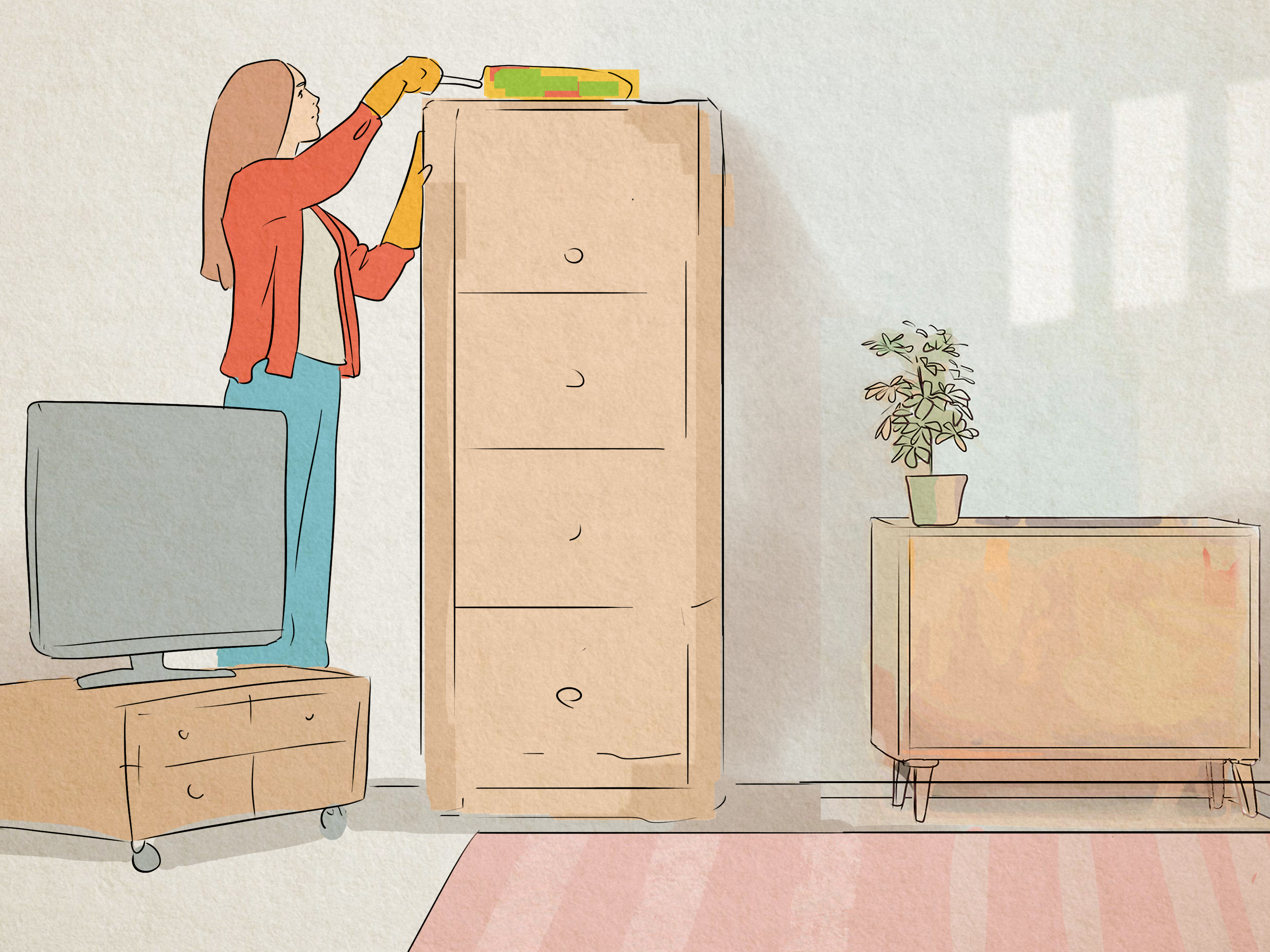
Hiring a housekeeper sounds like one of those “future me” decisions. You know, the version of you who has color-coded pantry bins, folds fitted sheets without emotional damage, and somehow never loses a sock. But in real life, most people ask a much simpler question first: How much does a housekeeper cost?
The honest answer is: it depends. Annoying, yes. True, also yes. Housekeeping prices vary based on where you live, how big your home is, how often you want help, and whether you need a light reset or a full-on “this kitchen has seen things” deep clean. In most cases, though, homeowners can expect to pay somewhere between modest weekly maintenance money and “I should probably clean the oven myself” money.
This guide breaks down average housekeeper costs, what affects the price, what you usually get for the money, and how to hire smart without overpaying. If you want the short version: professional housekeeping is often more affordable than people expect, but only if you match the service to your actual needs.
Quick Answer: Average Housekeeper Cost in the U.S.
If you are looking for a ballpark number, a housekeeper in the United States commonly costs:
- $25 to $75 per hour for many professional cleaning and housekeeping jobs
- $120 to $280 per visit for a standard one-time or recurring cleaning in an average-size home
- $75 to $250 weekly for recurring maid or housekeeping service in smaller or moderately sized homes
- $230 to $600 for a deep clean, depending on the home size and condition
- $150 to $500 or more for move-out or move-in cleaning, especially when extra detail work is needed
Those numbers are not random darts thrown at a pricing board. They reflect the way housekeeping is typically billed in the U.S.: by the hour, by the visit, or by the size and condition of the home. So if your neighbor pays one price and your quote comes in higher, that does not automatically mean someone is trying to rob your wallet in broad daylight. It may simply mean your quote includes more labor, more rooms, or more grime.
How Housekeepers Usually Charge
Hourly Rate
Hourly pricing is common when the scope of work is flexible or the home’s condition is unpredictable. This is often the easiest model for first-time clients because you can start small and see how long routine tasks actually take.
For example, if a cleaner charges $35 per hour and spends four hours in your home, your total is about $140 before tips or add-ons. If a team of two cleaners comes instead, the company may charge a combined hourly rate, which can look higher at first glance but often finishes the job faster.
Flat Rate Per Visit
Many companies prefer flat-rate pricing because it makes budgeting easier for both sides. You know what you will pay, and the cleaner knows the expected scope of work. This is especially common for weekly, biweekly, or monthly service.
A flat-rate cleaning for a small apartment might be under $100, while a larger three-bedroom, two-bath home could land in the $150 to $250 range for routine upkeep. Once the house is on a regular schedule, per-visit pricing often becomes more predictable.
Square Foot Pricing
Some services price by square footage, especially for deep cleaning and move-related work. This can be useful for large homes where room count alone does not tell the full story. A tidy 2,500-square-foot home and a chaotic 2,500-square-foot home are technically the same size, but spiritually they are not even in the same ZIP code.
What Affects the Cost of a Housekeeper?
1. Size of the Home
This is the biggest driver of cost. More square footage usually means more floors to vacuum, more surfaces to wipe, and more opportunities for dust to throw a party. A one-bedroom apartment costs less than a four-bedroom house because it simply takes less time to clean.
2. Number of Bathrooms
Bathrooms are often where pricing gets real. Kitchens matter, yes, but bathrooms are labor-heavy. Soap scum, mirrors, tile, toilets, tubs, and floors all take time. A home with three bathrooms will generally cost more than one with the same square footage and just one bath.
3. Cleaning Frequency
Recurring service is often cheaper per visit than one-time cleaning. Why? Because weekly or biweekly upkeep prevents grime from building into a side quest. If your home is cleaned regularly, each visit is more maintenance than rescue mission.
Typical schedule options include:
- Weekly: Best for busy households, kids, pets, or anyone who wants their home to stay consistently fresh
- Biweekly: The sweet spot for many families
- Monthly: Lower upfront cost, but each visit may require more work
- One-time: Great before guests, after events, or when life gets away from you
4. Type of Cleaning
Basic housekeeping usually includes dusting, vacuuming, mopping, cleaning bathrooms, wiping kitchen surfaces, and general tidying. Deep cleaning costs more because it tackles tougher buildup and neglected areas, such as baseboards, interior appliances, blinds, grout, and spaces under furniture.
If you request extras like inside-the-oven cleaning, refrigerator cleaning, laundry, bed changing, organizing, dishes, or window washing, expect the quote to rise. The cleaner is not being dramatic. Ovens simply refuse to clean themselves no matter how inspiring your playlist is.
5. Location
Your city matters a lot. Housekeeping in Los Angeles, New York, Seattle, or Boston often costs more than in smaller towns or lower-cost areas. Local labor markets, transportation costs, demand, and regional wages all shape pricing.
6. Home Condition
This one is important and frequently underestimated. A maintained home and a neglected home can have the same layout but wildly different quotes. Pet hair, clutter, hard-water buildup, grease, post-renovation dust, and long gaps between cleanings all increase labor time.
7. Supplies and Equipment
Some housekeepers bring their own products and tools. Others expect you to provide them. Eco-friendly supplies, specialty products, or HEPA-filter vacuums may add to the cost. Always ask what is included so you do not end up paying premium rates while also buying all the supplies yourself.
Typical Housekeeper Cost Examples
Let’s turn the pricing talk into something more real-world.
Small Apartment, Routine Clean
If you have a one-bedroom apartment and want a standard cleaning every two weeks, you might pay roughly $75 to $140 per visit. That usually covers the kitchen, bathroom, floors, dusting, and surface cleaning.
Average Family Home
A three-bedroom, two-bath home with biweekly service often falls around $140 to $250 per visit, depending on location and how much detail work is included.
Deep Cleaning Before Guests or Holidays
Need the place truly cleaned, not just “company is coming, dim the lights” cleaned? A deep clean for an average-size house might cost $230 to $600. That higher price reflects the extra time spent on neglected corners, stubborn buildup, and detail tasks.
Move-Out Cleaning
If you are leaving a rental or prepping a home for sale, move-out cleaning often costs more than standard housekeeping. That is because the expectation is higher and the checklist is longer. Empty homes may be easier to access, but they reveal every speck of dust with ruthless honesty.
Housekeeper vs. House Cleaner vs. Maid Service
These terms are often used interchangeably, but they are not always identical.
- House cleaner: Usually focused on cleaning tasks like wiping, dusting, vacuuming, mopping, and sanitizing
- Housekeeper: May include cleaning plus light home-management tasks such as laundry, dishes, changing linens, tidying, or organizing
- Maid service: Often a company-based service with recurring visits, standardized packages, and insured staff
If you want someone to do more than clean surfaces, like reset the home between busy workweeks, the word housekeeper may fit better than house cleaner. And yes, that broader role can cost more.
Should You Tip a Housekeeper?
Tipping is usually optional, but it is common. Many people tip for excellent service, deep cleaning, holiday visits, or especially difficult jobs. If the same person cleans your home regularly and does a consistently great job, tipping can be a thoughtful way to show appreciation.
A practical guideline is to tip when the service goes above expectations or when you want to reward long-term reliability. Some households tip a percentage, while others give a flat amount. There is no universal law of housekeeping etiquette carved into marble, but kindness is rarely the wrong move.
How to Save Money on Housekeeping Without Regretting Everything
Choose the Right Frequency
Biweekly service is often the best value. It keeps the home manageable without the cost of weekly visits, and it prevents the buildup that can make monthly cleaning more expensive.
Limit the Scope
You do not have to hand over the entire house. Many people save money by asking the cleaner to focus on bathrooms, kitchens, floors, and dusting while they handle laundry or dishes themselves.
Declutter Before the Cleaner Arrives
Professional cleaners clean better when they are not spending half the visit moving piles of mail, toys, and yesterday’s hoodie off every chair. Tidying first helps you get more real cleaning for your money.
Bundle Add-Ons Carefully
It is tempting to say, “While you’re here, could you also clean the fridge, oven, blinds, and possibly my emotional support junk drawer?” But extras add up fast. Save those for occasional visits rather than every appointment.
Get Multiple Quotes
Requesting two or three quotes gives you a better sense of local market pricing. The cheapest option is not always the best, and the highest quote is not always premium quality. Look at reviews, communication, checklist details, and whether the cleaner is insured and reliable.
Is Hiring a Housekeeper Worth It?
For many people, yes. The value is not just in the sparkling sink. It is in the time you get back, the mental load you reduce, and the fact that your weekend no longer starts with an argument about whose turn it is to clean the shower.
If you work long hours, have young kids, share a home with pets, travel often, or simply hate cleaning with the passion of a thousand dusty ceiling fans, housekeeping can be a practical quality-of-life upgrade. A good housekeeper is not a luxury only for mansion owners. Sometimes it is just a smart system for normal people with busy lives.
That said, the service is worth it only when expectations are clear. Before hiring, ask exactly what is included, how long visits usually take, whether supplies are included, how cancellations work, and whether there are extra fees for pets, deep cleaning, or special requests.
Final Thoughts on How Much a Housekeeper Costs
So, how much does a housekeeper cost? In most U.S. markets, routine housekeeping commonly lands somewhere between $25 and $75 per hour or around $120 to $280 per visit, with higher prices for deep cleaning, larger homes, and premium metro areas. The exact number depends on your space, your schedule, and how much work you want off your plate.
The smartest way to hire is to start with what you actually need. If you only want bathrooms and floors maintained, say that. If you need laundry, linen changes, and help keeping the whole house from spiraling into chaos, say that too. The more specific you are, the more accurate your quote will be.
And remember: paying for housekeeping is not laziness. It is delegation. Which is a much classier word for finally admitting that the baseboards have been winning.
Real-Life Experiences With Housekeeper Costs
One of the most common experiences people have when hiring a housekeeper is realizing that their first quote feels both shocking and strangely reasonable. At first, $160 for a visit can sound expensive. Then the cleaner spends four hours scrubbing bathrooms, wiping baseboards, vacuuming under beds, mopping floors, and making the kitchen look like a place where adults make responsible life choices. Suddenly, the quote makes more sense.
Many first-time clients also learn that frequency changes everything. A family that books monthly cleanings may find the cost per visit a little higher because more dirt and clutter build up between appointments. But once they switch to biweekly service, the cleaner can maintain the home more efficiently, which often improves both the result and the value. In practical terms, less buildup means less labor, and less labor usually means better pricing.
Apartment renters often report a different experience. They assume a smaller space will always be cheap, only to discover that tiny homes can still take a surprising amount of effort. A compact apartment with one bathroom, a small kitchen, pet hair on the couch, and lots of personal clutter may take longer than expected. Meanwhile, a larger but tidy home can be easier to clean than a smaller space that is packed with stuff. In other words, square footage matters, but how you live in the space matters too.
Another common experience comes from people hiring cleaners before a holiday, party, or move. They expect a regular cleaning price and then learn they actually need a deep clean. That is when the quote climbs. Why? Because detail cleaning is slower, more physical, and far less forgiving. Cleaning inside appliances, removing soap scum, tackling grease buildup, and getting hidden corners guest-ready takes real labor. Many homeowners say they did not fully understand the difference until they saw the checklist side by side.
There is also a strong emotional side to housekeeping that people do not talk about enough. Plenty of households describe the service as less of a luxury and more of a sanity tool. Busy parents say it reduces weekly stress. Professionals working long hours say it gives them back part of the weekend. Older adults sometimes appreciate help with physically demanding chores like mopping or scrubbing tubs. In these cases, the value is not just a cleaner house. It is less fatigue, less conflict, and less time spent playing catch-up.
Some people try a one-time cleaning first and then decide whether recurring service fits the budget. That is often a smart move. It helps you test the cleaner’s quality, punctuality, communication, and attention to detail before making a long-term commitment. Homeowners who have had the best experiences usually say the same thing: the cleaner was clear about pricing, specific about what was included, and consistent from visit to visit.
And then there is the classic lesson everyone learns eventually: if you want the cleaner to focus on cleaning, do a quick pickup before they arrive. Clients who take ten minutes to clear counters, put away laundry, and gather toys often feel they get much better value. The cleaner spends less time moving stuff around and more time doing the actual work you are paying for. It is not glamorous advice, but it is effective.
In the end, real-life experience shows that housekeeping costs feel most worthwhile when expectations match reality. The best outcomes usually happen when homeowners understand the scope, choose a realistic schedule, and treat the service as a practical investment in time and peace of mind rather than a miracle performed by someone armed with a vacuum and heroic patience.