Note: This is an original, web-ready editorial article inspired by a real viral story about a couple who answered baby-pressure questions with humor, plus broader real-world context about family expectations, boundaries, fertility conversations, and modern parenthood choices.
Some questions are innocent. “How was your weekend?” “Did you try that new taco place?” “Why is your dog wearing a tiny sweater that costs more than your own jacket?” Fine. Delightful, even. But one question has a special talent for turning a perfectly nice dinner, family gathering, holiday party, or grocery-store encounter into a social obstacle course: “So, when are you two having a baby?”
For one married couple, the question had apparently been asked so many times that it stopped feeling like curiosity and started feeling like a group project they had never signed up for. After three years of marriage and plenty of not-so-subtle nudges about pregnancy, they decided to answer the only way the internet truly respects: with a joke, a camera, and a very photogenic dog named Leelu.
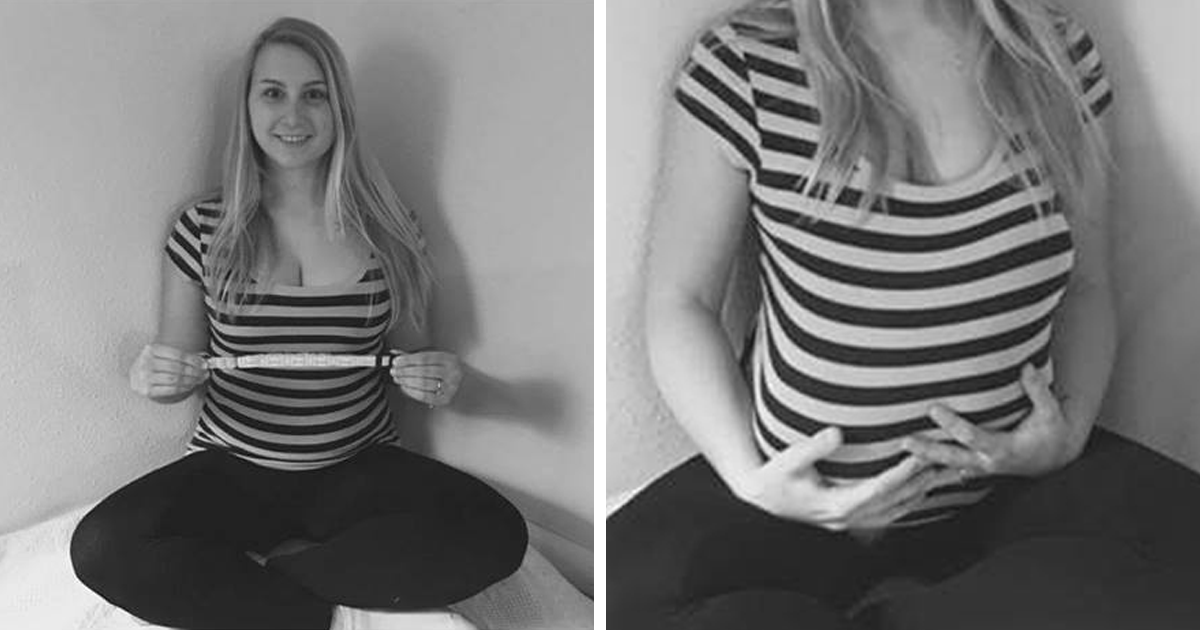
Instead of announcing a pregnancy, the couple staged a sweet, slightly ridiculous “new family member” reveal. The photos looked like the kind of tender baby announcement people post onlinesoft lighting, proud parents, emotional framingexcept the “baby” was furry, four-legged, and almost certainly more interested in snacks than college savings plans. The result was funny, charming, and instantly relatable to anyone who has ever been treated like their reproductive timeline is a community newsletter.
Why These Baby Announcement Photos Went Viral
The magic of the photos was not just that they were funny. Plenty of funny things happen online every day, including cats falling off furniture with the confidence of Olympic gymnasts. What made this couple’s post memorable was that it captured a universal pressure point: the way people often assume marriage automatically comes with a countdown clock to parenthood.
The couple’s message was simple: everyone kept asking when they would have a baby, so they introduced their newest family member instead. Meet Leelu. Close enough, right?
The humor worked because it flipped the script. Instead of giving a defensive answer, an awkward excuse, or a private explanation they did not owe anyone, they created a visual punchline. It was playful, not cruel. It said, “We hear you, but please enjoy this dog in a baby-style photoshoot while we gently redirect the conversation.” That is advanced-level social jiu-jitsu.
The Joke Had Layers
At first glance, the photos were simply adorable. A couple cuddling their dog like a newborn? That is premium internet material. But underneath the cuteness was a sharper point: asking couples about babies can be deeply personal, even when the person asking means well.
Some couples are trying to conceive and struggling. Some are recovering from loss. Some are unsure. Some are waiting for financial, emotional, medical, or career reasons. Some do not want children at all. Some want children later. Some want the question to disappear into the same mysterious place as missing socks.
That is why the couple’s dog announcement hit home. It was not just a pet photoshoot. It was a boundary wrapped in a bow, delivered with a wagging tail.
The Real Issue: “When Are You Having Kids?” Is Not Small Talk
Many people ask about babies because they are excited, loving, or simply following an old social script. In some families, marriage is treated like a three-step process: wedding, house, baby. Possibly followed by “When are you having another one?” because apparently one human being is only the appetizer.
But the question can land differently depending on what is happening behind closed doors. For people facing infertility, repeated questions about pregnancy can be painful. For couples who are child-free by choice, the question can feel dismissive. For people who are undecided, it can create pressure. For people dealing with health issues, finances, grief, or relationship stress, it can feel intrusive.
In other words, what sounds like small talk to one person may feel like a spotlight to another.
Modern Parenthood Looks Different Now
Parenthood in America has changed. Couples are marrying later, having children later, having fewer children, or choosing not to have children at all. The reasons are wide-ranging: finances, career goals, housing costs, health concerns, climate concerns, relationship timing, personal freedom, or simply not wanting to become parents.
That does not mean people care less about family. It means family is no longer one-size-fits-all. A family can include children, pets, close friends, chosen family, nieces, nephews, community, or a dog who gets a professionally styled photo debut because frankly, she has the cheekbones for it.
Why People Keep Asking Couples About Babies
To be fair, most baby questions are not meant to be rude. They often come from excitement, tradition, or genuine affection. Grandparents may dream of grandchildren. Friends may want their kids to grow up together. Relatives may not know what else to ask after “How’s work?” runs out of gas.
Still, good intentions do not automatically make a question comfortable. A person can mean well and still step directly onto someone’s emotional Lego brick.
It Comes From Tradition
For generations, having children was treated as the expected next chapter after marriage. Many older relatives grew up in a time when fewer people openly discussed child-free living, fertility challenges, mental health, or the economic realities of raising children. So when they ask about babies, they may believe they are showing interest in the couple’s future.
The problem is that the future belongs to the couple, not the audience.
It Comes From Excitement
Babies are joyful news for many families. People get excited about tiny shoes, baby showers, first birthdays, and the chance to buy toys that make noise for revenge purposes. That excitement can accidentally become pressure when family members ask again and again.
One question may be harmless. Ten questions at every gathering can feel like a committee meeting.
It Comes From Curiosity
Humans are curious. We ask about work, homes, relationships, weddings, and children because we are wired to connect through life updates. But curiosity needs manners. Not every topic is public property, and not every silence is an invitation to investigate.
How This Couple Used Humor as a Boundary
The Leelu photos worked because they did not start a fight. They created a laugh. Humor can be a powerful way to set boundaries when the pressure becomes annoying but the relationship still matters.
Instead of saying, “Please stop asking us personal questions,” the couple essentially said, “Here is the baby you ordered. She barks.” That is funny, memorable, and hard to argue with. What is someone supposed to say? “Actually, I was hoping for a less furry grandchild?” Good luck recovering from that sentence.
Humor Makes the Message Easier to Hear
A direct boundary can be necessary, but humor softens the delivery. It gives people a way to understand the message without feeling attacked. The dog photos said, “We know you care, but we are tired of the question.” That is much easier to receive than a tense confrontation at Thanksgiving between the mashed potatoes and Aunt Linda’s third glass of iced tea.
Humor Gives the Couple Control
When people constantly ask about babies, the couple can feel like they are always responding. The photos flipped that dynamic. They chose the format, the timing, the tone, and the punchline. They took an uncomfortable question and turned it into content on their own terms.
That is why the post resonated. It was not just a cute dog reveal. It was a reminder that couples get to define their own milestones.
They Were Not the Only Ones to Try This
This kind of joke has appeared in other creative forms. Another couple once staged a newborn-style photoshoot with their puppy, treating the dog like a tiny bundle of joy. In another case, comedians used a burrito in a mock newborn shoot. A burrito, for the record, is one of the few “babies” that arrives warm, quiet, and emotionally supportive.
These examples all work for the same reason: they parody the seriousness of baby announcement culture while pointing at the pressure couples feel. The internet loves a good joke, but it especially loves a joke that exposes an awkward truth.
The Pet-as-Baby Joke Is Funny Because Pets Really Are Family
For many couples, pets are not “just animals.” They are daily companions, emotional support, schedule destroyers, furniture critics, and professional snack inspectors. A dog may not be a child, but caring for a pet still brings routines, affection, responsibility, and thousands of photos that are somehow all necessary.
So when a couple introduces a dog as their newest family member, there is sincerity beneath the silliness. Leelu may not have needed diapers, but she clearly mattered.
What This Viral Moment Says About Boundaries
The bigger lesson is not that everyone should respond to baby questions with a dog photoshoot, although that would improve the internet by at least 42 percent. The lesson is that people are allowed to have boundaries around private life decisions.
Marriage does not cancel privacy. A wedding ring is not a public comment box. Couples do not owe family members, friends, coworkers, neighbors, or the person scanning cereal at the grocery store an explanation about when, whether, or how they plan to have children.
Healthy Boundaries Can Be Kind
A boundary does not have to be harsh. It can be as simple as, “We will share news if there is news to share,” or “That is not something we are discussing right now.” It can also be playful: “Our current baby has paws and a suspicious relationship with the couch cushions.”
The key is that the couple decides how much they want to reveal. A private decision should not require a public defense.
Repeated Questions Can Become Pressure
Even when each person asks only once, the couple may hear the question dozens of times. Parents ask. In-laws ask. Friends ask. Coworkers ask. Suddenly, one innocent question becomes a chorus. That is why people may respond with humor, sarcasm, silence, or a carefully rehearsed “We are not talking about that today.”
Sometimes, the most respectful thing loved ones can do is stop asking and start trusting.
Better Things to Ask Instead
If you want to show interest in a couple’s life, there are plenty of questions that do not involve reproductive planning. Try asking about their travels, hobbies, work, pets, home projects, favorite shows, or whether they have discovered any good restaurants lately.
Instead of “When are you having a baby?” try:
- “What have you two been excited about lately?”
- “Any fun plans coming up?”
- “How is Leelu doing?”
- “What is something you are looking forward to this year?”
- “Would you like more mashed potatoes?” because that question is almost always welcome.
If They Want to Share, They Will
People usually share big news when they are ready. Pregnancy announcements, fertility journeys, adoption plans, and child-free decisions are deeply personal. If a couple wants you in that conversation, they will open the door. Until then, it is best not to jiggle the doorknob.
How Couples Can Respond When the Baby Question Keeps Coming
Not every couple wants to stage a viral photoshoot. Some prefer a quick answer. Others want a firmer boundary. The best response depends on personality, relationship, and how nosy the questioner is being.
The Lighthearted Response
“We already have a baby. She has paws and refuses to pay rent.”
This works when the asker is friendly but repetitive. It keeps the mood light while sending a clear message that the topic is not moving forward.
The Polite Boundary
“We will let people know if we have news to share.”
This is simple, respectful, and hard to argue with. It also avoids explaining private details.
The Direct Response
“We prefer not to discuss that.”
This is useful when someone keeps pushing. It does not invite debate. It closes the topic without apology.
The Redirect
“Not sure, but tell me about your new job.”
Redirecting works beautifully when you want to move the conversation along without creating tension. It is the conversational equivalent of changing lanes with a turn signal.
Why the Internet Loved Leelu
Leelu became the star because she represented the perfect response to an imperfect social habit. She was cute enough to melt the internet, but the joke behind the photos had bite. People recognized the situation immediately. Many had been asked the same question. Many had rolled their eyes through the same family gathering. Many had wanted to say something clever but could only manage a tight smile and a sudden interest in the dessert table.
The photos gave people a shared laugh and a useful message: stop assuming every couple is on the same timeline.
It Was Relatable Without Being Mean
One reason the post worked so well is that it did not shame people for wanting grandchildren or loving babies. It simply reminded them that enthusiasm should not become pressure. The couple did not reject family. They expanded the definition of family to include Leelu, who frankly looked ready for her close-up.
Experience Section: What This Topic Feels Like in Real Life
Anyone who has been in a long-term relationship knows how quickly people begin treating your next life stage like a public poll. First comes dating: “When are you getting engaged?” Then engagement: “When is the wedding?” Then marriage: “When is the baby?” Then one baby: “When is the second?” Apparently, adulthood is a video game, and everyone else thinks they are holding the controller.
The experience can be exhausting because it turns personal happiness into a checklist. A couple may be enjoying their marriage, building careers, saving money, traveling, taking care of family, healing from stress, or simply enjoying quiet weekends. But instead of being asked about the life they are actually living, they are asked about the life other people expect them to live next.
For couples who want children but are waiting, the question can create guilt. They may already be thinking about timing, finances, housing, health insurance, childcare, or whether they are emotionally ready. Hearing “When will you have a baby?” again and again can make them feel like they are behind, even if they are making thoughtful choices.
For couples dealing with infertility, the question can be devastating. They may be carrying disappointment, medical appointments, private grief, or complicated decisions that are not visible from the outside. A casual question at brunch can reopen a wound the asker did not even know existed. That is why sensitivity matters. You never know what someone is carrying.
For couples who do not want children, the question can feel like a refusal to take their life seriously. Some people hear “We do not plan to have kids” and respond with “You will change your mind,” as if adulthood comes with a mandatory software update called Baby Fever 3.0. But choosing not to have children can be just as thoughtful, mature, and meaningful as choosing to become a parent.
And for couples who are undecided, the question can add pressure to a decision that already feels enormous. Parenthood is not like choosing a couch color. You cannot just say, “Let’s try it in beige and return it if it does not match the curtains.” It is a life-changing commitment. People deserve time to think about it without being cross-examined over potato salad.
That is why the couple’s Leelu photos were so satisfying. They answered the pressure with creativity instead of anger. They used humor to say, “Our life is ours.” They also gave other couples a small social script: you are allowed to laugh, redirect, and set limits. You are allowed to love your family without handing them the steering wheel.
In real life, the best response may not be a viral photoshoot. It may be a quiet boundary. It may be a joke. It may be changing the subject. It may be telling a loved one, “I know you care, but that question is stressful for us.” The important thing is that couples do not have to perform emotional customer service every time someone gets curious.
So yes, the pictures were funny. Yes, Leelu was adorable. But the deeper reason people loved the story is that it gave a playful answer to a question many people wish would retire peacefully. Not every couple needs a baby announcement. Some need space. Some need support. Some need privacy. And some, clearly, need a dog with excellent camera presence.
Conclusion
The viral story of the couple who responded to baby questions with photos of their dog Leelu is more than a cute internet moment. It is a funny, clever reminder that personal timelines are not public property. Whether a couple plans to have children, cannot have children, is unsure, or has chosen a different kind of family life, the decision belongs to them.
Asking about babies may seem harmless, but it can touch on private emotions, medical struggles, financial realities, or deeply personal values. The better approach is simple: celebrate the news people choose to share, respect the silence they choose to keep, and never underestimate the power of a dog photoshoot to make a point.