Running a small animal rescue sounds charming until you realize the “small” part usually refers to the budget, the storage closet, and the number of hours left for sleep. The animals themselves? Their needs are enormous. Their personalities are even bigger. One kitten can turn a laundry room into a circus. One senior dog can make a grown adult rearrange an entire week around soft blankets, medication schedules, and the sacred search for “the chicken he likes.”
Every day inside a small animal rescue is part emergency room, part matchmaking service, part detective agency, part janitorial marathon, and part emotional roller coaster that forgot to install seat belts. We celebrate tiny victories most people never see: a scared rabbit finally eating hay, a shy dog taking one step toward a volunteer, a foster kitten gaining two ounces, a family choosing the overlooked adult cat instead of the flashy baby with the Instagram face.
But behind the adorable adoption photos is a complicated reality. Across the United States, shelters and rescues continue to face crowding, rising veterinary costs, staffing shortages, housing-related pet surrenders, and a constant need for fosters, adopters, donors, and volunteers. Millions of cats and dogs enter shelters and rescues each year, and while adoptions save many lives, the work does not magically end when an animal gets a cute name and a bandana. That is just the beginning.
The Morning Starts Before The Coffee Works
The first thing I see every day is not a sunrise. It is usually a text message. Sometimes it says, “Can you take this dog today?” Sometimes it says, “I found kittens under my porch.” Sometimes it is a photo of an animal in a carrier, a parking lot, a backyard, or a situation that clearly did not come with a user manual.
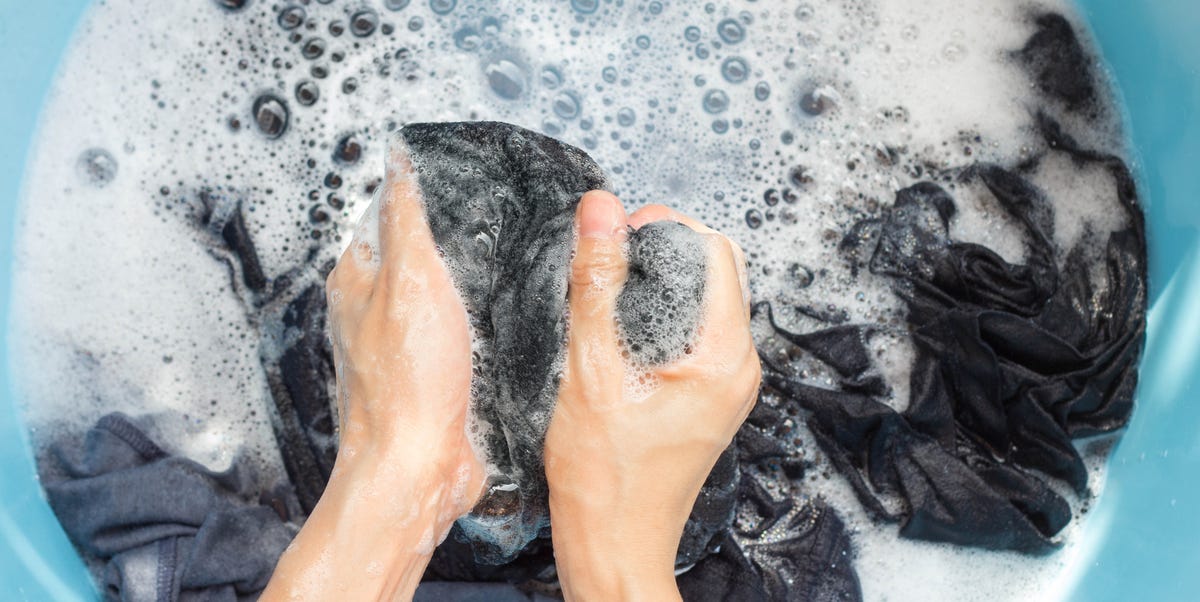
Before breakfast, there are litter boxes to scoop, bowls to scrub, medications to give, laundry to start, kennels to reset, and foster messages to answer. Rescue laundry has its own personality. It multiplies like it has a secret subscription service. Blankets, towels, crate pads, washable pee pads, more towels, mystery towels, towels I am almost sure I have never owned before. If laundry were a sport, rescue workers would be Olympic athletes with detergent coupons.
Then come the wellness checks. Is the new dog eating? Did the cat use the litter box? Is the rabbit’s appetite normal? Did the frightened puppy sleep? Did the senior animal cough overnight? These questions matter because small changes can signal big problems. In animal rescue, observation is not a hobby. It is survival.
Most Animals Do Not Arrive With A Simple Story
People often imagine rescue animals as “strays” in the simplest sense: a dog wandering down a road or a cat appearing on a porch. That happens, but the stories are rarely that tidy. Many animals arrive because their owners lost housing, faced medical bills, moved into a place with pet restrictions, or could no longer afford veterinary care. Others come from overcrowded homes, accidental litters, neglect cases, or families who loved them but had no safety net left.
National shelter data consistently shows that strays and owner surrenders make up the bulk of cats and dogs entering the system. That matters because it changes the way we talk about rescue. It is easy to blame people. It is harder, and more useful, to ask what support would have kept that pet safely at home. Affordable spay and neuter services, pet-friendly housing, access to veterinary care, food pantries, behavior help, and temporary foster support can prevent heartbreak before it reaches the shelter door.
The Hardest Intake Question
The hardest question is not, “Is this animal cute?” They almost always are, even when they smell like a wet mop that made bad life choices. The hardest question is, “Do we have space?” Space does not just mean a cage, crate, or foster home. It means money for vaccines. It means time for quarantine. It means a plan for behavior support. It means someone who can drive to the vet, clean up the mess, write the adoption profile, answer applications, and notice when something is wrong.
Small rescues do not operate on unlimited kindness. Kindness is the fuel, yes, but fuel still needs an engine. Without fosters, donations, volunteers, and veterinary partners, even the most passionate rescue becomes a group chat full of panic and pet photos.
What I See In The Animals
I see fear first. A dog who will not leave the back of a crate. A cat pressed flat behind a litter box. A guinea pig frozen under a hideout. A rabbit who thumps at every sound like the world owes him an apology. Fear is not bad behavior. Fear is information.
Then, slowly, I see personality return. The dog who once trembled starts carrying a toy from room to room like an emotional support potato. The cat who hid for a week begins yelling for breakfast like she owns the building and has reviewed the lease. The rabbit who refused greens decides cilantro is acceptable, then immediately acts as if cilantro was his idea all along.
That transformation is why rescue people keep going. We do not save animals because every day is happy. We do it because the happy moments are so specific, so earned, and so bright that they can light up a whole week.
What I See In The People
Rescue introduces you to every kind of person. Some will restore your faith in humanity before lunch. Others will make you stare silently at a wall while whispering, “That cannot be how adults communicate.”
I see adopters who ask thoughtful questions about energy level, medical needs, grooming, training, and long-term costs. I love those people. They may not choose the youngest or fluffiest animal, but they choose carefully, and careful homes are gold. I see fosters who open their guest rooms, bathrooms, garages, and hearts to animals in transition. I see volunteers spend weekends cleaning kennels, driving transports, taking photos, and sitting quietly with scared animals because trust cannot be rushed.
I also see people who want a pet the way someone wants a cute throw pillow. They want perfect, quiet, trained, hypoallergenic, inexpensive, low-maintenance, emotionally available, and preferably delivered by Tuesday. Rescue animals are living beings, not home decor with paws. A good adoption process is not meant to be annoying. It is meant to protect everyone: the animal, the adopter, and the rescue that will still be there if things go sideways.
The Adoption Photo Is Not The Whole Story
Adoption day looks like the finish line, but it is really a handoff. A successful adoption begins long before the photo. It starts with vaccines, parasite prevention, spay or neuter planning, microchipping, behavior notes, honest descriptions, and matching the animal to the right home.
A high-energy young dog may be adorable, but that does not mean he belongs with someone who wants a couch companion and owns exactly one decorative leash. A shy cat may blossom in a quiet apartment but struggle in a loud home with constant visitors. A bonded pair may need patience, space, and someone who understands that love sometimes arrives as two suspicious faces under a bed.
Good rescues do not try to “sell” animals. We try to place them wisely. That means being honest when a dog needs training, when a cat dislikes other pets, when a rabbit needs a larger enclosure, or when a senior animal may require ongoing care. Honesty prevents returns, and preventing returns protects animals from another stressful transition.
The Veterinary Side Is Constant
One of the biggest surprises for new volunteers is how medical rescue work can be. Animals need intake exams, vaccinations, deworming, flea prevention, spay and neuter surgery, dental care, bloodwork, diagnostics, and follow-up appointments. Some arrive with infections, old injuries, skin issues, dental disease, or chronic conditions that were never treated because care was unavailable or unaffordable.
Veterinary care is also one of the largest expenses for a small animal rescue. A single emergency visit can wipe out a week of fundraising. A litter of sick kittens can turn a quiet month into a medical spreadsheet with fur. Even routine care adds up quickly when multiplied by dozens or hundreds of animals.
This is why adoption fees rarely “make money.” Most rescues would throw confetti if an adoption fee fully covered the animal’s care. More often, that fee offsets only part of the cost. Donations, grants, fundraisers, wish lists, and monthly supporters help fill the gap. In rescue, ten dollars can become vaccines, litter, formula, microchips, medication, or gas for a transport. Small gifts are not small when they arrive at the right moment.
Foster Homes Are The Secret Superpower
If animal rescue had a magic wand, it would be foster care. Foster homes give animals a place to decompress, heal, grow, and show their real personalities. A shelter kennel can keep an animal safe, but a home environment can reveal what that animal is like with normal sounds, routines, people, and other pets.
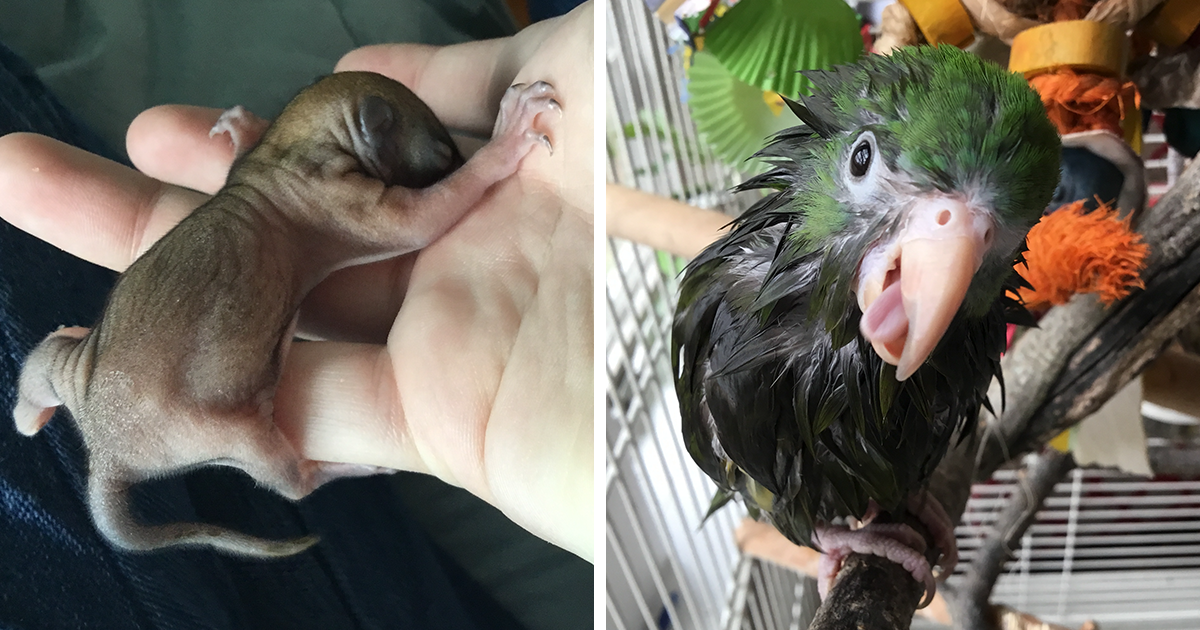
Fosters also create space. Every animal in a foster home opens a spot for another animal in need. This is especially important for kittens, nursing mothers, senior pets, animals recovering from surgery, and shy animals who do poorly in noisy environments.
What Fostering Really Looks Like
Fostering is not always glamorous. Sometimes it is bottle-feeding kittens at inconvenient hours. Sometimes it is helping a dog learn that doorways are not portals of doom. Sometimes it is giving medication to a cat who has personally declared war on medicine, gravity, and your sleeves.
But fostering is also deeply rewarding. You get to watch an animal become ready for the next chapter. You get to send photos that make adopters fall in love. You get to be the bridge between fear and family. And yes, sometimes you cry when they leave. That does not mean fostering failed. It means it mattered.
Community Cats, Kittens, And The Springtime Tornado
Every rescue person knows the phrase “kitten season,” and nobody says it casually. When warmer months arrive, calls about kittens can surge. Some kittens need immediate help. Others may have a mother cat nearby, and taking them too soon can do more harm than good. That is why education matters.
For community cats, Trap-Neuter-Return programs are a key part of humane population management. In a TNR program, outdoor cats are humanely trapped, spayed or neutered, vaccinated, ear-tipped for identification, and returned to their outdoor homes when appropriate. This reduces future litters and supports healthier cat communities.
Small rescues often work alongside community cat caregivers, veterinarians, and local shelters to manage these cases. It is not as simple as scooping up every cat and putting them into homes. Some outdoor cats are not socialized for indoor life, while kittens and friendly adults may be candidates for adoption. The best outcome depends on the animal, the environment, and available resources.
The Cleaning Never Ends, And That Is A Good Thing
Cleanliness in rescue is not about being fancy. It is about disease prevention. Bowls, bedding, litter boxes, crates, carriers, floors, toys, and hands all matter. The CDC emphasizes healthy habits around animals, including handwashing and proper cleaning of pet supplies, because animals can carry germs that affect other animals and people.
In daily rescue life, this means protocols. Quarantine new arrivals. Wash hands. Change gloves. Disinfect correctly. Keep sick animals separate. Label medications. Do not mix supplies between groups. It may sound excessive until one contagious illness spreads through a room. Then suddenly everyone becomes deeply passionate about bleach dilution, and nobody makes fun of the laminated checklist anymore.
The Emotional Weight Of Rescue Work
People love the happy updates, and we do too. We live for the photo of the once-scared dog sleeping upside down on a couch. We save screenshots of adopters saying, “She is home.” We cheer when a cat who hid for ten days finally chooses a lap.
But rescue also carries emotional weight. There are animals we cannot take because there is no space. There are medical cases that are more complicated than expected. There are returns that break our hearts and remind us to improve our matching process. There are days when the need is bigger than the rescue, bigger than the inbox, bigger than the bank account.
Compassion fatigue is real in animal welfare. Burnout does not mean someone cares too little. Often, it means they cared intensely for too long without enough support. A healthy rescue culture must protect people as well as animals. That means boundaries, realistic intake limits, mental health awareness, shared responsibilities, and the courage to say no when saying yes would collapse the whole system.
How The Public Can Actually Help
Most people think helping a rescue means adopting. Adoption is wonderful, but it is not the only way to make a difference. Fostering may help even more in some situations because it expands the rescue’s capacity. Volunteering matters. Transporting animals matters. Sharing adoption posts matters. Donating supplies matters. Sponsoring a spay or neuter surgery matters. Writing a kind review matters. Returning borrowed crates matters more than you might think, because somehow crates vanish into the universe like socks in a dryer.
The most powerful help is often practical. Ask a rescue what they need before dropping off items. Some rescues need unopened food, washable blankets, paper towels, litter, carriers, or cleaning supplies. Others are drowning in old pillows and cannot use them safely. A little communication saves everyone time, including the volunteer currently standing under a mountain of donated comforters wondering if this is how avalanches begin.
Adopt With Your Brain And Your Heart
If you are adopting, think long-term. Can you afford routine veterinary care? Does your housing allow pets? Do you have time for training, exercise, grooming, and adjustment? Are all household members on board? Are you choosing the animal in front of you, or the fantasy pet in your head?
The best adopters are not perfect. They are prepared, honest, and patient. They understand that decompression takes time. They ask for help early. They celebrate progress in inches. They know that a rescue animal may need structure before snuggles, routine before confidence, and patience before full trust.
What I Wish Everyone Understood
I wish everyone understood that rescue is not a place where unwanted animals magically become wanted without effort. It is a system held together by people who care, often with limited resources. I wish people knew how many animals could stay in homes if families had access to affordable veterinary care, behavior support, temporary boarding, and pet-friendly housing. I wish spay and neuter were easier to access in every community. I wish microchips were always registered and updated. I wish every lost pet had identification, because reunions are the best kind of rescue.
I also wish people understood that older animals, shy animals, bonded pairs, black cats, large dogs, and animals with manageable medical needs are not “less adoptable.” They are simply waiting for someone who can see them clearly. Rescue has taught me that love is not always loud. Sometimes it is a senior dog resting his head on your shoe. Sometimes it is a cat blinking slowly from across the room. Sometimes it is a rabbit accepting one piece of parsley and pretending not to enjoy it.
Extra Rescue Notes: The People Rarely Hear
The daily experience of running a small animal rescue is full of tiny scenes that never make it into polished adoption posts. There is the moment you sit on the floor with a terrified dog and read emails out loud because your voice is the only tool you have. There is the kitten who climbs your pant leg like a tiny mountaineer with no respect for skin. There is the cat who refuses three kinds of food, then acts offended that you did not immediately offer the fourth. There is the foster parent who sends a blurry photo at midnight with the message, “He finally played.” That photo may look like a gray smudge to everyone else, but to us it is fireworks.
I see how animals respond to routine. A predictable breakfast, a clean bed, a calm voice, and a safe corner can change everything. Many rescued animals do not need grand gestures at first. They need consistency. They need people who do not take fear personally. They need someone to understand that hiding, barking, hissing, freezing, or pacing may be a stress response, not a personality flaw. When we stop asking animals to become convenient immediately, we start seeing who they really are.
I also see how much education matters. A person may surrender a rabbit because they were told it could live happily in a tiny cage. A family may struggle with a young dog because nobody explained exercise, enrichment, and training. A cat may be labeled “mean” when she is actually in pain or overwhelmed. Many rescue problems begin with bad information, not bad intentions. That is why good rescues answer questions, share resources, and try to help without shaming people who are willing to learn.
The hardest lesson is that rescue is not only about saving animals after something goes wrong. It is about preventing the next crisis. Every microchip registration, every spay or neuter appointment, every foster home, every pet food pantry, every behavior tip, and every honest adoption conversation can stop an animal from entering the system later. Prevention is not as dramatic as a last-minute rescue, but it is often more powerful.
At the end of the day, I usually look around and see a room that needs cleaning again. I see emails still unanswered, towels still folding themselves into chaos, and a to-do list that has grown three extra heads. But I also see animals sleeping safely who were not safe before. I see volunteers laughing through exhaustion. I see adopters sending updates from couches, beds, hiking trails, and sunny windowsills. I see proof that ordinary people can do extraordinary things when they decide that a vulnerable life is worth the inconvenience.
That is what I see every day: not just sadness, not just cuteness, not just chaos. I see repair. I see second chances being built one meal, one bath, one application, one foster home, and one patient moment at a time.
Conclusion
Running a small animal rescue is messy, expensive, emotional, and occasionally scented with things no candle company should ever attempt to recreate. But it is also meaningful in a way that is difficult to explain until you have watched a frightened animal choose trust again.
Animal rescue is not powered by heroes. It is powered by communities. The adopter who chooses thoughtfully, the foster who says yes for two weeks, the volunteer who cleans without applause, the donor who gives five dollars, the veterinarian who squeezes in one more appointment, and the neighbor who gets a stray cat fixed instead of ignoring the problem all become part of the same lifesaving chain.
If you want to help a small animal rescue, start where you are. Adopt if you are ready. Foster if you can. Volunteer if you have time. Donate if you have resources. Share posts if your budget is tight. Spay and neuter your pets. Keep ID tags and microchips updated. Support pet-friendly housing and access to affordable veterinary care. The work is bigger than one rescue, but it is not bigger than all of us.
Note: This article is written as a first-person, composite rescue narrative based on real animal-welfare practices, current U.S. shelter trends, and common experiences reported by rescue organizations, fosters, volunteers, and adopters.