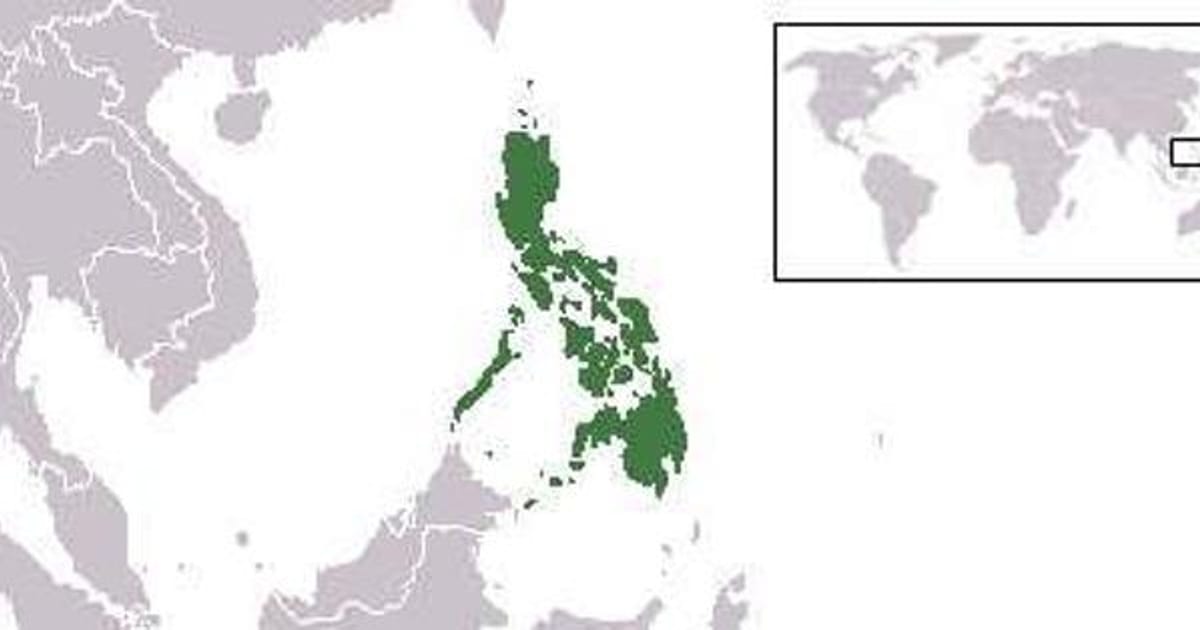
The Philippines has produced an astonishing number of famous people who have shaped history, sports, entertainment, politics, literature, journalism, and global pop culture. For a country made up of more than 7,000 islands, the Philippines has never had a small voice. In fact, if talent were a national export, Filipino excellence would probably need its own airport terminal.
From José Rizal’s fearless writing to Manny Pacquiao’s thunderous punches, from Lea Salonga’s Broadway brilliance to Hidilyn Diaz’s Olympic gold, famous Filipino people have carried stories of resilience, creativity, humor, and heart onto the world stage. Some became national heroes. Some became global icons. Some made audiences cry, cheer, sing, vote, read, and occasionally scream at the television during pageant night.
This guide explores famous people from the Philippines whose achievements continue to influence the world. It is not just a celebrity list. It is a cultural tour through Filipino greatnessserved with historical context, real examples, and just enough personality to keep it from reading like a dusty classroom handout.
Why Famous Filipino People Matter Globally
Filipinos are known around the world for adaptability, hospitality, artistic skill, and an almost supernatural ability to turn karaoke into a competitive sport. But behind the humor is a serious truth: Filipino figures have helped shape international conversations about freedom, identity, performance, democracy, sportsmanship, and representation.
The fame of Filipino personalities often comes with deeper meaning. A singer is not just a singer when she becomes the first Asian woman to win a Tony Award. A boxer is not just an athlete when he rises from poverty to become an eight-division world champion. A journalist is not just a writer when she wins a Nobel Peace Prize for defending freedom of expression. These stories matter because they show how Philippine talent travels far beyond geography.
José Rizal: The National Hero Who Used Words Like Weapons
No article about famous people from the Philippines can begin properly without José Rizal. Born in Calamba in 1861, Rizal was a physician, novelist, reformist, and one of the most important figures in Philippine history. He did not lead armies into battle, but his books helped awaken a nation.
Rizal’s novels, especially Noli Me Tangere and El Filibusterismo, exposed the abuses of Spanish colonial rule and gave Filipinos a language of resistance. He believed in education, reform, dignity, and peaceful change. That might sound gentle, but in his era, writing the truth was risky business. His execution in 1896 turned him into a martyr and a lasting symbol of Philippine nationalism.
What makes Rizal remarkable is not only that he was brilliant, but that he was multidimensional. He was a doctor, linguist, artist, scientist, essayist, and novelist. In modern terms, he was the kind of overachiever who would make everyone else’s résumé look like a grocery receipt.
Emilio Aguinaldo: A Revolutionary Figure in Philippine Independence
Emilio Aguinaldo remains one of the most famous historical figures from the Philippines. Born in Cavite in 1869, he became a leader during the Philippine Revolution and played a central role in the struggle against Spanish colonial rule. In 1898, Philippine independence was declared, and Aguinaldo became associated with the First Philippine Republic.
His legacy is complex, as revolutionary histories often are. He fought against Spain and later against American forces during a turbulent period of transition. Still, Aguinaldo’s name remains deeply connected to the birth of modern Philippine nationalism and the long struggle for self-determination.
Corazon Aquino: The Woman Who Restored Democracy
Corazon “Cory” Aquino became one of the most recognized political figures in Asia after the 1986 People Power Revolution. She served as president of the Philippines from 1986 to 1992 and became the country’s first female president. Her rise came after the assassination of her husband, opposition leader Benigno “Ninoy” Aquino Jr., an event that intensified public resistance to the Marcos dictatorship.
Aquino’s presidency represented a dramatic return to democratic rule. She was not a typical career politician when she entered the national spotlight, which made her rise even more striking. To many Filipinos, she symbolized moral courage, civilian resistance, and the power of ordinary people standing together.
Her story also helped introduce the world to the idea of peaceful mass protest as a force for political change. The images of people gathering on EDSA, carrying rosaries, flowers, banners, and hope, remain among the most powerful moments in modern Philippine history.
Manny Pacquiao: The Boxing Legend Who Became a Global Name
Manny Pacquiao is one of the most famous Filipino athletes of all time. Born in Kibawe, Bukidnon, and raised in General Santos City, Pacquiao climbed from extreme poverty to become a world boxing superstar. His rise is the kind of underdog story Hollywood lovesexcept real life wrote it first.
Pacquiao became the only boxer widely recognized for winning world titles across eight weight divisions, a feat that made him a global sports icon. His fighting style combined speed, power, stamina, and fearless aggression. Watching prime Pacquiao in the ring was like watching a typhoon learn footwork.
Beyond boxing, Pacquiao entered politics and served in public office, including as a senator. Whether admired for his sports achievements, debated for his political career, or remembered for his rags-to-riches story, he remains one of the most internationally recognized people from the Philippines.
Lea Salonga: The Voice That Conquered Broadway and Disney
Lea Salonga is one of the Philippines’ greatest artistic exports. Born in Manila in 1971, she began performing as a child and eventually became a Broadway and West End star. Her breakthrough came with Miss Saigon, where her performance as Kim earned international acclaim and made her the first Asian woman to win a Tony Award for Best Actress in a Musical.
Salonga is also beloved by Disney fans. She provided the singing voice for Princess Jasmine in Aladdin and Fa Mulan in Mulan. That means many people around the world grew up hearing a Filipino voice during some of Disney’s most memorable musical moments.
Her career matters because representation matters. Salonga proved that Filipino and Asian performers could command the biggest stages in the world, not as background figures, but as leading stars. Her voice is elegant, precise, emotional, and powerfulthe musical equivalent of a perfectly written sentence with a standing ovation attached.
Hidilyn Diaz: The First Filipino Olympic Gold Medalist
Hidilyn Diaz made sports history when she won the Philippines’ first-ever Olympic gold medal in weightlifting at the Tokyo 2020 Olympics, held in 2021. Before that golden moment, the Philippines had spent nearly a century chasing Olympic gold. Diaz did not just lift weights; she lifted a nation’s long wait off its shoulders.
Born in Zamboanga City, Diaz’s journey was built on discipline, sacrifice, and years of training. Her victory in the women’s 55 kg weightlifting event became one of the most emotional moments in Philippine sports history. Images of her standing on the podium moved countless Filipinos, especially because the win arrived during a difficult global period.
Diaz’s success also inspired young Filipino athletes, especially women, to believe that strength belongs to them too. She turned a barbell into a national symbol of grit.
Carlos Yulo: The Gymnast Who Flipped Into History
Carlos Yulo is one of the most exciting modern athletes from the Philippines. Born in Manila, Yulo became a world-class artistic gymnast and made history at the Paris 2024 Olympics by winning two gold medals in men’s gymnastics. His wins in floor exercise and vault made him one of the Philippines’ greatest Olympic athletes.
Gymnastics demands balance, precision, flexibility, power, timing, and nerves made of reinforced steel. Yulo’s routines showed not only athletic skill but also artistic control. His success placed the Philippines on the global gymnastics map in a way few could have imagined years earlier.
For young athletes, Yulo represents a new kind of Filipino sports hero. He proved that the Philippines can shine not only in boxing, basketball, and weightlifting, but also in disciplines that require years of technical mastery.
Maria Ressa: The Journalist Who Won the Nobel Peace Prize
Maria Ressa is one of the most influential Filipino journalists in the world. Born in Manila, she co-founded the digital news organization Rappler and became known for her work on press freedom, disinformation, technology, and democracy.
In 2021, Ressa was awarded the Nobel Peace Prize, sharing the honor with Russian journalist Dmitry Muratov. The award recognized efforts to defend freedom of expression, a foundation of democracy and public accountability.
Ressa’s fame is different from entertainment celebrity. Her public profile is rooted in courage, journalism, and the difficult work of telling the truth in an age when misinformation spreads faster than a family rumor at a reunion. Her global recognition placed Philippine journalism at the center of international debates about media, power, and online manipulation.
Pia Wurtzbach: The Miss Universe Who Became a Pop Culture Moment
Pia Wurtzbach became internationally famous after winning Miss Universe 2015. Her victory was unforgettable not only because she brought the crown back to the Philippines after decades, but also because the announcement became one of the most talked-about live television moments in pageant history.
But beyond the viral crowning mix-up, Wurtzbach’s win mattered deeply to Filipino fans. In the Philippines, pageantry is not a casual hobby. It is practically a national sport with gowns, Q&A training, fan pages, and emotional investment that could power a small city.
Wurtzbach’s confidence, persistence, and polished performance turned her into a symbol of determination. She competed multiple times before winning the national title, proving that sometimes the road to the crown has more plot twists than a drama series.
Catriona Gray: Beauty, Intelligence, and the Famous Lava Walk
Catriona Gray won Miss Universe 2018 and became one of the most celebrated Filipino beauty queens in modern history. Her performance was memorable for its confidence, styling, and cultural symbolism. Her red gown, inspired by the Mayon Volcano, became instantly iconic, while her “lava walk” turned into a global pageant reference point.
Gray’s victory combined fashion, performance, advocacy, and national pride. She also became known for her work supporting children’s welfare and education-related causes. Her success showed how Filipino pageant representatives often train not only to look beautiful but also to communicate clearly, advocate intelligently, and carry cultural identity on a global platform.
Arnel Pineda: From Manila Stages to Journey’s Lead Singer
Arnel Pineda has one of the most remarkable music stories connected to the Philippines. Born in Manila, he performed for years in local bands before videos of his performances were discovered online. Those clips eventually led to his selection as the lead singer of Journey, the legendary American rock band.
Pineda’s story feels almost too dramatic to be real: a Filipino singer with a powerful voice, years of struggle, a YouTube discovery, and then a leap into one of rock music’s most recognizable bands. But it happened, and it became a modern example of how talent can travel through the internet before the person even gets a passport stamp.
His success resonates because many Filipino musicians perform with world-class skill in clubs, cruise ships, hotels, churches, and family living rooms. Pineda became a global reminder that Filipino vocal talent is not a stereotypeit is a recurring international event.
Bruno Mars and the Filipino Diaspora Connection
Although Bruno Mars was born in Honolulu, Hawaii, he is often celebrated by Filipino fans because of his Filipino heritage through his mother. His global success as a singer, songwriter, performer, and Grammy-winning artist has made him one of the most famous entertainers with Filipino roots.
Mars represents the broader Filipino diaspora: people of Filipino ancestry who grow up outside the Philippines but continue to carry cultural connections through family, food, music, humor, and identity. His stage presence, musical versatility, and retro-pop style have made him a worldwide superstar.
Including diaspora figures helps explain the global reach of Filipino identity. Fame from the Philippines is not limited by national borders. It travels through migration, family stories, and communities spread across the United States, the Middle East, Europe, Canada, Australia, and beyond.
What These Famous Filipinos Have in Common
Resilience Under Pressure
Many famous people from the Philippines share stories of hardship. Pacquiao fought his way out of poverty. Diaz trained through limited resources and enormous expectations. Pineda endured personal struggles before joining Journey. Ressa faced legal and political pressure while continuing her journalism. Their stories show that Filipino fame is often built not on comfort, but on endurance.
Global Talent With Local Roots
Whether the stage is Broadway, an Olympic arena, a boxing ring, a newsroom, or a pageant runway, Filipino achievers often carry local identity into global spaces. They represent family, hometowns, languages, food, humor, and the emotional support of a very enthusiastic nation.
A Strong Sense of Representation
When a Filipino wins internationally, the celebration rarely feels individual. It becomes communal. Families gather around televisions. Social media explodes. Headlines multiply. Somewhere, someone’s auntie says, “I knew it,” even if she only learned the person’s name yesterday.
Experiences Related to Famous People From Philippines
Learning about famous people from the Philippines is not only about memorizing names. It is an experience of discovering how a nation tells its story through people. One of the most interesting parts of following Filipino public figures is seeing how deeply connected they remain to ordinary life. A world champion boxer can still be discussed like a neighbor. A beauty queen’s gown can become a national conversation. An Olympic medal can feel personal to millions of people who have never touched a barbell or stepped onto a gymnastics mat.
For readers exploring Filipino culture for the first time, famous Filipino personalities offer an accessible doorway. Start with José Rizal, and you enter the world of colonial history, literature, and national identity. Read about Corazon Aquino, and you begin to understand the power of peaceful resistance. Watch Lea Salonga perform, and you hear how Filipino artistry can move audiences across languages and generations. Follow Hidilyn Diaz or Carlos Yulo, and you see how modern Philippine sports are expanding beyond traditional expectations.
Another experience connected to this topic is the emotional intensity of Filipino fandom. Filipinos do not simply support famous people; they adopt them into a national family album. When Manny Pacquiao fought, streets in the Philippines famously became quieter because so many people were watching. When Miss Universe aired, pageant fans analyzed gowns, answers, walks, and facial expressions with the seriousness of a government committee. When an athlete wins, the celebration spreads quickly across households, schools, offices, and online communities.
There is also a personal lesson in these stories. Famous Filipinos often show that success does not follow one neat path. Some came from privilege, others from poverty. Some trained from childhood, while others were discovered after years of persistence. Some became famous through beauty and performance, others through public service, writing, or truth-telling. Their careers remind readers that talent needs discipline, but it also needs courage, timing, and the willingness to continue after disappointment.
For writers, teachers, students, travelers, and culture lovers, studying famous people from the Philippines can make the country feel more vivid. These figures reflect the nation’s contradictions and strengths: colonial history and modern ambition, humor and hardship, faith and rebellion, family loyalty and individual excellence. They show why the Philippines has such a strong presence in global culture despite its geographic size.
The best experience is realizing that Filipino fame is rarely just about applause. It is about pride, memory, and connection. Behind every famous name is a larger story of communities cheering, families sacrificing, and a country eager to see itself recognized on the world stage.
Conclusion: Filipino Fame Has a Big Heart
Famous people from the Philippines have made their mark in history, politics, sports, music, journalism, pageantry, and entertainment. José Rizal gave the nation words that helped shape identity. Corazon Aquino became a symbol of democratic restoration. Manny Pacquiao punched his way into sports history. Lea Salonga sang her way onto Broadway and into Disney classics. Hidilyn Diaz and Carlos Yulo turned Olympic dreams into gold. Maria Ressa defended press freedom on the world stage. Pia Wurtzbach and Catriona Gray brought pageant excellence into global pop culture. Arnel Pineda proved that a voice from Manila could front one of rock’s biggest bands.
Together, these famous Filipino people show that greatness from the Philippines is not one thing. It is literary, athletic, political, musical, glamorous, brave, and sometimes wonderfully unexpected. The Philippines does not just produce famous people. It produces stories the world remembers.