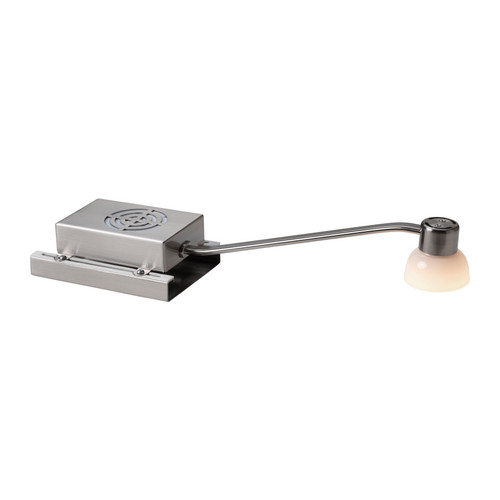
Stockholm cabinet lighting sounds like something that should arrive with a tiny Swedish instruction booklet, a mysterious Allen key, and a calm voice whispering, “Your kitchen deserves better.” In reality, it refers to a beautiful idea: cabinet lighting that blends practical illumination with the clean, warm, understated look often associated with Scandinavian design. Think bright counters, softly glowing shelves, less visual clutter, and enough style to make your coffee mugs feel like they live in a boutique hotel.
Whether you are researching an older IKEA Stockholm cabinet light, planning lighting for a glass cabinet, or simply trying to create that warm Nordic glow under your kitchen cabinets, this guide will walk you through everything that matters: types of lights, color temperature, brightness, placement, installation choices, design ideas, safety notes, and real-life lessons from using cabinet lighting in everyday spaces.
The best Stockholm cabinet lighting is not loud or flashy. It is useful, elegant, and quietly confident. It makes your countertop safer for chopping vegetables, your display cabinet more inviting, and your kitchen feel finished without screaming, “I spent three weekends watching renovation videos.”
What Is Stockholm Cabinet Lighting?
Stockholm cabinet lighting can mean two slightly different things. First, it can refer to a specific style or product history, especially older IKEA Stockholm cabinet lighting pieces that used materials such as glass and nickel-plated steel and were designed to provide focused light for areas like bars, cabinets, and display spaces. Second, and more commonly today, people use the phrase to describe cabinet lighting with a Scandinavian-inspired look: simple lines, warm light, discreet hardware, and a balance between beauty and function.
In design terms, the “Stockholm” mood is about restraint. The fixture should not dominate the room. Instead, the light itself becomes the star. Under a cabinet, inside a bookcase, above a bar nook, or behind glass doors, a well-placed light can make wood grain glow, glassware sparkle, and dark corners stop looking like they are hiding old takeout menus.
Why Cabinet Lighting Matters More Than People Think
Cabinet lighting is often treated as an optional extra, but it solves several common home problems at once. Overhead lights are useful, but they usually cast shadows exactly where you are working. Stand at a kitchen counter with a ceiling fixture behind you, and congratulations: your body has become a very stylish eclipse. Under cabinet lighting fixes that by placing light directly over the work surface.
It also improves the mood of a room. A kitchen with only ceiling lighting can feel flat and harsh. Add warm LED strips under the cabinets and suddenly the same space feels layered, welcoming, and more expensive. In display cabinets, lighting brings attention to dishes, books, art objects, collectibles, or barware. In pantries and drawers, it helps you find what you need before you accidentally buy your fifth jar of cumin.
Main Types of Stockholm Cabinet Lighting
There is no single “best” cabinet light for every home. The right choice depends on where the light goes, how visible the fixture will be, whether you need task lighting or accent lighting, and how much installation work you want to handle.
LED Strip Lights
LED strip lights are one of the most popular choices for modern cabinet lighting. They are slim, flexible, and easy to hide under cabinet edges or inside shelving. In a Stockholm-style kitchen, this is often the cleanest option because the fixture disappears and the glow remains.
Strip lights work especially well for long runs of countertop lighting. They create a continuous line of illumination, which helps avoid dark gaps. They are also useful for floating shelves, display cabinets, pantry interiors, and toe-kick lighting. If your kitchen has an awkward corner or an uneven cabinet layout, flexible LED tape can usually adapt better than rigid fixtures.
Light Bars
Light bars are more structured than tape lights. They are usually rigid fixtures that mount beneath the cabinet and provide smooth, even light. Many homeowners like them because they feel more permanent and polished than peel-and-stick strips.
For task lighting, light bars are excellent. They are especially good in kitchens where you want strong, predictable illumination over a prep zone, coffee station, or sink area. Choose slim bars with diffusers if you want a softer Stockholm look rather than a row of visible LED dots.
Puck Lights
Puck lights are small, round fixtures that create focused pools of light. They are charming in glass-front cabinets, bookcases, display shelves, and bar cabinets. They can also work under kitchen cabinets, but placement matters. Too few pucks can create bright circles with dark areas between them, a look sometimes called scalloping. That is elegant on a scalloped lampshade, less elegant on your cutting board.
For display lighting, puck lights are wonderful. They add drama, especially when positioned above special objects. For broad countertop task lighting, strips or bars usually produce a more even result.
Spotlights and Display Lights
Small spotlights are ideal when you want to highlight something specific. Inside a cabinet, they can turn glassware, ceramics, or collectibles into a curated display. In a pantry, they can make shelves easier to scan. In a home bar, they add a soft evening glow that says, “This is where the fancy glasses live.”
Adjustable spotlights offer flexibility because you can aim the beam. This is useful if your shelves are deep, your cabinet has glass doors, or you want the light to graze a textured backsplash.
Choosing the Right Color Temperature
Color temperature is one of the most important choices in cabinet lighting. It is measured in Kelvin, often written as “K.” Lower Kelvin numbers look warmer and more yellow, while higher Kelvin numbers look cooler, whiter, or bluer.
For Stockholm cabinet lighting, warm white is usually the safest and most attractive choice. A range around 2700K to 3000K creates a cozy glow that works beautifully with wood, brass, stone, cream paint, white cabinets, and natural textures. It feels relaxed and residential rather than clinical.
For kitchens where detailed prep work matters, 3000K to 3500K can be a smart middle ground. It still feels warm enough for a home but gives a little more clarity. Around 4000K can work in modern kitchens, workshops, laundry rooms, and utility areas, but it may feel too crisp if your goal is soft Scandinavian comfort.
If you are not sure, choose tunable white lighting. It lets you shift from warmer evening light to brighter task light. That flexibility is especially helpful in kitchens because the room may need to support breakfast chaos, dinner prep, homework, midnight snacks, and one person standing in front of the fridge pretending they are “just looking.”
Brightness: How Much Light Do You Need?
Brightness is measured in lumens. For cabinet lighting, the right lumen level depends on whether the light is decorative, functional, or both. Accent lighting inside a glass cabinet can be gentle. Task lighting over a countertop needs to be stronger and more even.
For display cabinets, a lower-lumen spotlight or puck light can be enough. For kitchen work surfaces, look for fixtures that provide steady illumination across the full counter. A long LED bar or strip often performs better than a single bright fixture because it spreads light more evenly.
Do not choose brightness based only on wattage. With LED lighting, watts tell you how much energy the fixture uses, not how bright it looks. Lumens are the better number to compare. Also check whether the fixture is dimmable. Dimming is not just a luxury; it turns cabinet lighting from “task mode” into “evening atmosphere mode” with one adjustment.
CRI: The Quiet Detail That Changes Everything
CRI stands for Color Rendering Index. It describes how accurately a light source shows colors compared with natural light. For kitchens, closets, display shelves, and bar cabinets, CRI matters more than people realize.
A low-CRI light can make food look dull, wood look flat, and paint colors seem slightly off. A high-CRI light helps countertops, dishes, fruit, tile, and cabinet finishes look closer to their true color. For Stockholm cabinet lighting, aim for a CRI of 90 or higher when possible, especially if the light will shine on natural materials such as oak, walnut, marble, linen, ceramic, or brass.
Where to Place Cabinet Lighting
Placement can make or break the project. Under kitchen cabinets, lights are usually most effective when installed toward the front edge of the cabinet rather than pushed all the way back against the wall. This position throws light forward onto the countertop where your hands are working. If the light is too far back, it may mostly highlight the backsplash and leave the front of the counter dim.
For display cabinets, placement depends on what you want to highlight. Lights at the top of the cabinet create a museum-like downward glow. Vertical LED strips along the inside front edges can illuminate multiple shelves more evenly. Small pucks under each shelf can create drama, but they require careful spacing and wiring.
For open shelving, hide LED tape behind the front lip or under the shelf itself. If the shelf has no lip, use a slim aluminum channel with a diffuser. The diffuser softens the light and makes the installation look intentional instead of like a science project escaped from the garage.
Hardwired, Plug-In, Battery, or Smart?
Cabinet lighting comes in several power styles. Each has advantages, and each has one tiny catch waiting in the bushes.
Hardwired Cabinet Lighting
Hardwired lighting gives the cleanest look. There are no visible cords, and the lights can be controlled by a wall switch, dimmer, motion sensor, or smart system. This is the best option for new kitchens, major renovations, and permanent built-ins. The catch is that hardwired lighting usually requires professional installation, especially when new wiring or electrical boxes are involved.
Plug-In Cabinet Lighting
Plug-in lights are easier for many homeowners. They connect to a standard outlet and can often be installed without opening walls. The main challenge is hiding the cord. In a Stockholm-inspired space, visible cords can disturb the clean look, so use cord channels, cabinet trim, or planned outlet placement to keep everything tidy.
Battery-Powered Cabinet Lighting
Battery lights are perfect for renters, small cabinets, closets, and places where wiring is not practical. They are simple, flexible, and often motion-activated. The downside is battery maintenance. If the light is used often, you may find yourself replacing or charging batteries more than expected.
Smart Cabinet Lighting
Smart cabinet lighting can be controlled by an app, remote, voice assistant, schedule, or sensor. It is useful when you want dimming, color temperature adjustment, or automation. For example, you can set under cabinet lights to turn on softly in the evening or use motion sensors for a pantry. Smart features are convenient, but make sure the system is compatible with the drivers, dimmers, hubs, and switches you plan to use.
Designing a Stockholm-Inspired Cabinet Lighting Look
The Stockholm look is calm, warm, and uncluttered. Instead of using lights as decoration by themselves, use them to reveal texture and shape. Warm LED light under white oak cabinets can make the grain feel richer. A soft glow inside a glass cabinet can turn everyday dishes into part of the room’s design. A discreet strip under a floating shelf can make the wall feel deeper and more architectural.
Materials matter. Cabinet lighting looks especially good with natural wood, matte white finishes, muted green cabinetry, stone counters, handmade tile, brushed nickel, black metal, and brass accents. If the room already has warm metals, choose lighting hardware that blends in. If the fixtures are visible, keep them simple and slim.
Avoid mixing too many color temperatures in one room. A 2700K cabinet light beside a 5000K ceiling light can make the space feel visually confused, like the kitchen cannot decide whether it is a cozy café or a hospital hallway. For a polished look, coordinate your cabinet lights, pendants, recessed lights, and sconces within a close color range.
Best Rooms and Uses for Stockholm Cabinet Lighting
Kitchen Cabinets
This is the classic location. Under cabinet lighting improves chopping, reading recipes, cleaning counters, and spotting the one coffee ground that somehow traveled three feet from the machine. Use continuous LED strips or bars for the most even task lighting.
Glass Display Cabinets
Glass cabinets benefit from soft interior lighting. Use puck lights, spotlights, or vertical LED strips to illuminate dishes, collectibles, or glassware. Warm white light is flattering and helps prevent the display from looking too commercial.
Home Bars and Coffee Stations
A bar cabinet with warm cabinet lighting feels instantly elevated. Light the shelves, the counter surface, or the bottle display. For a coffee station, under cabinet lighting makes mornings easier and gives the area a cozy café feeling without requiring you to spell anyone’s name wrong on a cup.
Bookcases and Living Room Built-Ins
Cabinet lighting is not only for kitchens. In living rooms, it adds depth to bookcases and built-ins. Use it to highlight books, framed photos, ceramics, or textured wall panels. Keep the brightness low and warm so the effect feels relaxed.
Closets, Pantries, and Drawers
Motion-sensor lighting is extremely useful in closets and pantries. Drawer lights are also surprisingly luxurious. Once you have opened a drawer and it gently lights up, going back to rummaging in the dark feels personally offensive.
Installation Tips for a Cleaner Finish
Before installing any cabinet lighting, plan the full system. Measure cabinet lengths, decide where power will come from, choose control locations, and check whether the lights need drivers, connectors, extension cords, channels, or dimmers. Many frustrating lighting projects happen because someone bought the exciting partthe lightbefore buying the boring but essential parts that make the light work.
Clean the mounting surface before using adhesive LED tape. Dust, grease, and old cabinet grime can weaken adhesion. For a more durable installation, place LED tape inside an aluminum channel. The channel helps protect the strip, improves heat management, and creates a cleaner line of light with a diffuser.
Hide wiring wherever possible. Run wires through cabinet interiors, along back corners, or behind trim. Use clips or channels to prevent sagging cords. If the system is hardwired, hire a qualified electrician. Cabinet lighting may look small, but it still involves power, heat, connections, and safety.
Common Mistakes to Avoid
The first mistake is choosing lights that are too cool. Cool white lighting can be useful in workspaces, but in a warm kitchen or display cabinet it may feel harsh. The second mistake is using exposed LED tape without a diffuser. Bare LED dots can reflect in glossy counters, glass doors, and polished tile. Diffusers soften the light and make the installation look more expensive.
The third mistake is poor spacing. Puck lights placed too far apart create uneven pools. Strip lights that stop short of the cabinet length leave dark ends. Light bars that are too small for the cabinet can look accidental. When in doubt, aim for even coverage and smooth transitions.
The fourth mistake is forgetting controls. A light that is beautiful but annoying to turn on will eventually become a decoration that happens to use electricity. Choose a switch, dimmer, sensor, remote, or app control that matches how you actually live.
Real-Life Experiences With Stockholm Cabinet Lighting
After living with cabinet lighting in different rooms, one lesson becomes clear: the best lighting is the lighting you stop noticing because it simply makes life easier. In a kitchen, warm under cabinet lighting changes the daily rhythm of the space. Early in the morning, it is gentler than blasting on the ceiling lights. Late at night, it gives enough visibility for tea, water, or a suspicious slice of leftover cake without turning the whole room into a stadium.
One practical experience is that dimming matters more than expected. At full brightness, cabinet lights are fantastic for cooking, cleaning, and reading labels. Dimmed down, the same lights become atmosphere. They make the kitchen feel alive even when no one is cooking. This is especially useful in open-plan homes where the kitchen is visible from the living room. Instead of staring at a dark block of cabinets, you get a soft architectural glow.
Another lesson is that warm light flatters natural materials. Wood cabinets, woven baskets, ceramic bowls, stone counters, and brass hardware all look better under warm, high-CRI lighting. The effect is subtle but powerful. A cabinet that looked ordinary during the day can feel custom at night. This is where the Stockholm style shines: it does not rely on glitter. It relies on proportion, warmth, and restraint.
Inside display cabinets, lighting also changes behavior. When shelves are lit, people tend to keep them neater. A softly illuminated cabinet encourages you to arrange dishes, glassware, or books with a little more care. It turns storage into display. Of course, this can also reveal dust with brutal honesty, so consider it both a design upgrade and a gentle cleaning accountability partner.
Battery-powered lights are convenient, but they are best in low-use areas. In a frequently used kitchen, rechargeable or hardwired systems are usually more satisfying. Battery lights are excellent for a rental pantry, a linen cabinet, or a small display shelf, but for serious countertop lighting, a powered LED strip or light bar feels more dependable.
Smart lighting is delightful when it works smoothly. A motion sensor in a pantry feels magical. A remote dimmer near the dining area makes it easy to shift from cooking to dinner mode. However, overly complicated systems can become annoying. The most successful setup is simple: one control for the main under cabinet lights, one dimming option, and a color temperature that already looks good most of the time.
Installation also teaches patience. Dry-fit everything before sticking, drilling, or clipping fixtures into place. Turn the lights on temporarily and look at the counter from different angles. Check reflections in glossy backsplashes and glass cabinet doors. A light that looks perfect from one angle may glare from another. Moving a strip forward or backward by even an inch can improve the result.
The biggest experience-based tip is to design for the evening, not just the daytime. Many people choose cabinet lighting while standing in a bright room at noon. But cabinet lighting earns its keep after sunset. Test the warmth, brightness, and shadows at night if possible. That is when you will see whether the space feels cozy, harsh, dramatic, or just right.
In the end, Stockholm cabinet lighting is less about one product and more about a feeling: practical beauty. It helps you work, but it also helps the room breathe. It makes cabinets feel lighter, counters more usable, and ordinary shelves more intentional. Done well, it is one of the smallest upgrades that can make a home feel thoughtfully designed.
Conclusion
Stockholm cabinet lighting is the perfect blend of function and atmosphere. It gives you better visibility where you need it, adds warmth where the room feels flat, and brings a refined Scandinavian-inspired finish to kitchens, bars, display cabinets, pantries, and built-ins. The key is to choose the right type of fixture, keep the color temperature warm and comfortable, use enough brightness for the task, and hide the hardware as much as possible.
If you want clean everyday performance, choose LED strips or light bars. If you want drama and display value, choose puck lights or spotlights. If you want the most polished result, plan the wiring and controls before installation begins. And if you want that calm Stockholm feeling, remember the golden rule: let the light do the talking, but make sure it speaks softly.