Editorial note: This article is for educational purposes only. It explains investing behavior and long-term financial thinking, not personalized financial advice.
Introduction: When Doing Less Becomes the Hardest Work
Warren Buffett’s “Fourth Law of Motion” sounds like something that should be written on a chalkboard next to Newton’s apple: for investors, returns tend to fall as motion increases. In plain English, the more often people jump in and out of investments, chase headlines, panic-sell, overthink, refresh charts, and “just make one quick move,” the more likely they are to hurt their long-term results.
It is funny because it feels backward. We are trained to believe action equals progress. If the lawn is messy, mow it. If the sink leaks, fix it. If your phone freezes, restart it while dramatically sighing like a disappointed IT manager. But investing is different. In the market, unnecessary action often creates friction: taxes, fees, bad timing, emotional mistakes, and the slow destruction of compounding.
That is why Buffett’s Fourth Law is really a law about investor behavior. It is not only about stock picking, valuation, or financial statements. It is about what happens between your ears when prices move, news breaks, friends brag, influencers yell, and your portfolio suddenly looks like it has been through a blender.
The main idea is simple but not easy: wealth often rewards patience, discipline, low costs, emotional control, and a long-term plan. The market does not require you to touch everything. Sometimes the best investing move is to sit still, breathe, and avoid turning your portfolio into a nervous squirrel crossing six lanes of traffic.
What Buffett’s Fourth Law of Motion Really Means
Buffett introduced the idea with a witty reference to Sir Isaac Newton. Newton understood gravity, motion, and mathematics better than almost anyone in history, yet even he reportedly lost money during the South Sea Bubble. Buffett’s joke was sharp: if Newton had survived the emotional trauma of speculation, he might have discovered a fourth law for investorsreturns decrease as motion increases.
This does not mean investors should never act. It means action should be intentional. There is a huge difference between rebalancing a portfolio according to a plan and panic-selling because a headline used three scary adjectives before breakfast. One is discipline. The other is emotional turbulence wearing a business suit.
Motion Is Not the Same as Progress
In investing, “motion” includes frequent trading, chasing hot sectors, switching funds too often, buying after a dramatic rise, selling after a painful drop, and constantly changing strategies. Motion can feel productive because it gives you something to do. But the market does not pay extra points for effort. Your brokerage account does not say, “Wow, nice hustlehere is a bonus dividend.”
In many cases, excessive motion simply adds mistakes. Every trade is a decision point. Every decision point invites fear, greed, impatience, pride, regret, and overconfidence. The more decisions you force, the more chances your behavior has to trip you.
The Hidden Enemy: Behavioral Friction
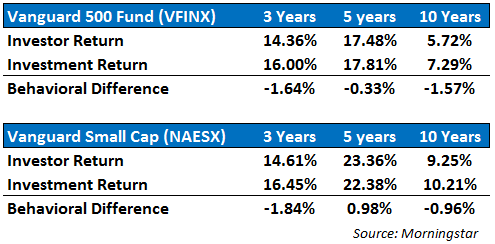
Most people understand visible costs, such as trading commissions, fund expense ratios, and taxes. Fewer people understand behavioral friction. This is the invisible cost of reacting emotionally. It shows up when investors sell at lows, buy at highs, abandon good plans, or copy someone else’s strategy without understanding the risk.
Behavioral friction can be more expensive than a fee because it often arrives disguised as common sense. “I’ll just wait until things calm down.” “I’ll buy after it goes up a little more.” “Everyone is talking about this stock, so it must be safe.” These sentences sound reasonable in the moment. Later, they often become the financial equivalent of leaving your umbrella at home because the clouds looked “mostly polite.”
Why Investor Behavior Matters More Than Genius
Buffett has long emphasized temperament. You do not need to be the smartest person in the room to invest well. In fact, being too impressed with your own intelligence can be dangerous. The market has a special talent for humbling people who think they have discovered a secret shortcut that billions of dollars somehow missed.
Good investing behavior begins with knowing what you own, why you own it, and what would make you change your mind. Without that foundation, every price movement feels like a referendum on your intelligence. A rising price makes you feel brilliant. A falling price makes you feel doomed. Neither feeling is a strategy.
Fear and Greed Are Loud, but Discipline Pays Rent
Fear and greed are the two emotional roommates of investing. Fear tells you to sell everything when prices fall. Greed tells you to buy whatever went viral yesterday. Both are loud. Both make convincing arguments. Both usually forget to mention taxes, valuation, risk, and whether the business or fund actually fits your goals.
Discipline is quieter. It says: “What is my time horizon? What is my risk tolerance? Is this decision part of the plan, or am I reacting?” Discipline is not exciting. It will not trend on social media. Nobody makes a dramatic movie trailer about someone calmly holding a diversified portfolio for 25 years. Yet that boring behavior is often what allows compounding to do its best work.
The Average Investor’s Problem Is Not Lack of Information
Modern investors have more information than any generation before them. Charts, earnings reports, analyst opinions, economic data, podcasts, newsletters, breaking alerts, and financial apps are everywhere. The problem is not scarcity of information. The problem is overexposure to noise.
More information can create the illusion that you should make more decisions. But a useful investing process filters information instead of worshiping it. Not every market movement deserves a response. Not every headline deserves a trade. Not every opinion deserves a meeting with your money.
The Three Big Costs of Too Much Motion
Buffett’s Fourth Law is powerful because it captures several real-world costs in one memorable sentence. When investors move too much, they often lose money in three main ways: transaction costs, taxes, and timing mistakes.
1. Costs Quietly Eat Returns
Even in an era of low-cost trading, investing is not cost-free. Funds may charge expense ratios. Some products have spreads, advisory fees, or hidden layers of complexity. The more often investors switch products or strategies, the more likely they are to create unnecessary drag.
Costs matter because investing is a compounding game. A small fee may look harmless in a single year, but over decades it can become a hungry little raccoon living inside your retirement account. Buffett has repeatedly warned that Wall Street’s helpers often get paid whether clients outperform or not. That does not mean all financial professionals are bad. It means investors should understand what they pay, why they pay it, and whether the value is worth the cost.
2. Taxes Can Punish Impatience
In the United States, holding period can matter for taxable investment accounts. Assets sold after one year or less are generally treated as short-term gains, while assets held for more than one year may qualify for long-term capital gains treatment. This is one reason constant trading can become expensive: even profitable trades may create tax consequences that reduce what you actually keep.
Taxes should not be the only reason to hold or sell an investment. A bad investment does not become good just because it is tax-efficient. Still, tax awareness is part of intelligent behavior. An investor who ignores taxes is like a restaurant owner who celebrates revenue while forgetting rent, payroll, and the suspiciously large cheese bill.
3. Timing Mistakes Are Brutal
Trying to time the market sounds attractive because it promises control. Sell before the crash. Buy before the rebound. Repeat until wealthy. Simple, right? Unfortunately, reality is not that generous. Market recoveries can begin before the news feels good. Some of the best days arrive close to the worst days. Investors who jump out during fear often struggle to jump back in before prices recover.
Bad timing is especially painful because it often feels smart at the moment. Selling during panic can feel responsible. Buying during euphoria can feel obvious. But markets do not reward emotional certainty. They reward ownership of productive assets over time, bought at sensible prices, held with realistic expectations.
Buffett’s Behavior Playbook for Everyday Investors
Buffett’s approach cannot be reduced to “buy and never think again.” He studies businesses deeply, values them carefully, and waits for opportunities. But the behavioral principles behind his success can help ordinary investors build a healthier relationship with money.
Know Your Circle of Competence
Your circle of competence is the area where you can make informed decisions. Buffett does not argue that investors must understand everything. He argues that they should know the boundaries of what they understand. This is refreshing because it gives you permission not to chase every opportunity.
If you do not understand a business, industry, fund, or financial product, you do not have to pretend. “I don’t know” is not weakness. It is a risk-management tool. Many investors get hurt not because they are unintelligent, but because they mistake familiarity for understanding. Hearing about a company every day is not the same as understanding its competitive advantage, cash flows, balance sheet, valuation, and risks.
Use a Written Investment Plan
A written plan is behavior insurance. It should explain your goals, time horizon, target allocation, contribution schedule, rebalancing rules, and reasons you would sell. The plan does not need to be fancy. It just needs to exist before emotions start tap dancing on your keyboard.
When markets fall, your plan can remind you what you believed when you were calm. When markets rise, it can stop you from becoming overconfident. A plan turns investing from a series of emotional reactions into a repeatable process.
Prefer Simplicity Over Drama
Many investors would benefit from simple, diversified, low-cost investments aligned with their goals. Simplicity is underrated because it does not feel clever. But simple systems are easier to follow. A portfolio that requires constant monitoring may be impressive in theory and exhausting in real life.
The best strategy is not the one that looks smartest in a spreadsheet. It is the one you can stick with during a boring year, a scary year, and a year when your neighbor claims to have doubled his money in something he cannot explain without using the phrase “next big thing.”
Measure Less, Think Better
Checking your portfolio every five minutes does not make it safer. It often makes you more reactive. Short-term price movements can turn long-term investors into amateur meteorologists, staring at tiny clouds and declaring climate change in their brokerage app.
Instead of watching prices constantly, schedule portfolio reviews. Monthly, quarterly, or semiannual reviews may be enough for many long-term investors. During reviews, focus on whether your plan still fits your goals, not whether today’s market mood deserves applause or therapy.
Behavioral Traps That Make Investors Move Too Much
Buffett’s Fourth Law becomes easier to apply when you recognize the traps that cause unnecessary motion. These traps are common, human, and sneaky.
Recency Bias
Recency bias makes the latest trend feel permanent. If stocks have been rising, investors assume they will keep rising. If markets have been falling, investors assume the pain will continue forever. Recency bias is why people buy umbrellas during storms and forget they exist during sunshine.
Herd Mentality
Herd mentality is the urge to follow the crowd. It feels safe because everyone else is doing it. But crowds can be confidently wrong. In markets, popularity can push prices far above reasonable value. By the time an idea becomes cocktail-party wisdom, the easy money may have already left the building and taken the snacks.
Loss Aversion
Loss aversion means losses hurt more than gains feel good. This can make investors sell quality assets during temporary declines or hold poor investments too long because selling would make the loss feel real. A disciplined process helps separate price movement from business reality.
Overconfidence
Overconfidence often appears after a few successful decisions. The investor starts believing every gain came from skill and every loss came from bad luck. That is when portfolios become crowded with risk. Humility is not just a virtue in investing; it is a seatbelt.
How to Practice Buffett’s Fourth Law in Real Life
Knowing the law is easy. Living it is harder. The market constantly invites you to react. Financial media needs something to talk about every day. Social media rewards confidence, not caution. Your own emotions will sometimes argue like tiny lawyers inside your head.
Build Rules Before You Need Them
Create rules when you are calm. For example: “I will not buy an investment I cannot explain.” “I will not sell because of a single headline.” “I will rebalance once or twice a year.” “I will keep an emergency fund so I am not forced to sell investments during a downturn.” Rules reduce the number of decisions you must make under stress.
Separate Investing From Entertainment
There is nothing wrong with enjoying business news, market history, or company analysis. But investing should not become entertainment disguised as productivity. If your portfolio exists mainly to give you excitement, it may start charging admission in the form of losses.
A practical approach is to separate core long-term investments from any small, speculative “learning” portion, if appropriate for an adult investor’s situation. The core should serve life goals. The experimental portion, if used at all, should be limited and treated with caution. The goal is to prevent curiosity from hijacking the household balance sheet.
Automate Good Behavior
Automation can protect investors from themselves. Regular contributions, automatic transfers, dividend reinvestment, and scheduled rebalancing can reduce the temptation to time the market. Automation is not glamorous, but neither is brushing your teeth. Both work best when repeated consistently and without dramatic speeches.
Keep Cash for Peace of Mind
An emergency fund is not just a personal finance tool. It is an investing behavior tool. Cash reserves can reduce the pressure to sell investments at bad times. When life gets expensive, the market does not always politely rise to meet your needs. Cash gives your long-term investments room to remain long term.
Specific Examples: Motion vs. Discipline
Imagine two investors, Motion Mike and Patient Paula. Mike checks markets all day. He buys a stock after it rises 40% because everyone is excited. Two weeks later, it drops 15%, so he sells. Then he moves into a “safer” fund after reading a scary forecast. A month later, markets rebound, and he buys back in at a higher price. Mike feels busy, informed, and slightly dizzy.
Paula, on the other hand, has a written plan. She owns a diversified portfolio aligned with her goals. She contributes regularly, reviews quarterly, rebalances when her allocation drifts, and ignores predictions that sound like weather reports from a crystal ball. Paula is not passive because she is lazy. She is disciplined because she understands that not every market wiggle deserves a response.
Over time, Paula has a better chance of benefiting from compounding because she avoids self-inflicted wounds. Mike may occasionally make a great trade, but he must keep being right again and again. Paula’s approach depends less on prediction and more on process.
The Deeper Lesson: Your Portfolio Follows Your Personality
Buffett’s Fourth Law is ultimately about self-knowledge. Your portfolio is not only a collection of assets. It is a mirror. It reflects your patience, fears, habits, incentives, and attention span. If you are impulsive, your portfolio may become impulsive. If you are disciplined, your portfolio has a better chance of behaving like a long-term machine instead of a slot machine with quarterly statements.
The good news is that behavior can improve. You can slow down. You can write rules. You can reduce noise. You can choose investments you understand. You can stop treating every market movement as an emergency. You can build a system that protects your future self from your most emotional present self.
That is the beauty of Buffett’s Fourth Law. It does not require superhuman intelligence. It requires ordinary intelligence plus emotional control. It asks you to respect time, avoid unnecessary motion, and let compounding do the heavy lifting.
Personal Experiences and Practical Reflections on Buffett’s Fourth Law
The most useful way to understand Buffett’s Fourth Law is to imagine the mistakes many investors make when they first discover the market. At the beginning, investing can feel like a game of speed. There are charts moving every second, people posting confident opinions, and financial headlines written as if civilization depends on the next Federal Reserve sentence. A new investor may think, “If I am not doing something, I must be falling behind.” That feeling is powerful, and it is often wrong.
One common experience is buying too quickly after hearing a persuasive story. A company sounds revolutionary. A sector feels unstoppable. A friend says, “Everyone is getting in.” The investor buys, not because of careful analysis, but because waiting feels painful. Then the price falls. Suddenly the same investor who was fearless yesterday becomes cautious today. The business may not have changed much, but the emotion has changed completely. This is motion caused by mood, not by reason.
Another experience is panic-selling during a downturn. The portfolio drops, the news gets dramatic, and every red number feels personal. The investor tells themselves they will buy back later when things are clearer. But markets rarely send engraved invitations announcing the perfect re-entry point. By the time the emotional fog lifts, prices may already have recovered. The investor avoided temporary discomfort but locked in a permanent mistake.
There is also the experience of over-checking. Looking at a portfolio once in a while is responsible. Looking at it constantly can turn normal volatility into psychological drama. A long-term investment may swing daily for reasons that have nothing to do with its long-term value. But each check creates a tiny emotional event. Enough tiny events can wear down discipline. The investor begins adjusting not because the plan changed, but because the screen changed color.
Buffett’s Fourth Law encourages a healthier rhythm. Instead of asking, “What should I do today?” the better question is, “What kind of behavior will help me reach my goal over years?” That shift changes everything. It turns investing from a performance into a practice. It makes patience active. It makes restraint valuable. It reminds us that the goal is not to win every market argument, but to build durable financial progress.
In real life, the best investors are not always the people with the loudest opinions. Often, they are the people who quietly repeat sensible actions: saving regularly, keeping costs low, diversifying wisely, avoiding products they do not understand, and refusing to let fear or excitement rewrite the plan every month. Their portfolios may look boring from the outside. But boring can be beautiful when it compounds.
The lesson is not “never move.” The lesson is “move for the right reasons.” Rebalance when your allocation drifts. Sell when the original thesis is broken. Adjust when your goals, time horizon, or risk tolerance truly change. But do not move just because the market is noisy. Do not confuse activity with wisdom. And do not let your behavior become the most expensive asset in your portfolio.
Buffett’s Fourth Law is memorable because it is funny, but it lasts because it is true. The market will always tempt people to do too much. The investor who learns when to do nothing has already gained an edge most people underestimate.
Conclusion: The Best Investment Tool May Be a Pause Button
Buffett’s Fourth Law of Motion teaches that investing success is not only about finding great opportunities. It is also about avoiding unnecessary mistakes. Motion feels productive, but in the market it can create costs, taxes, timing errors, and emotional chaos. Patient behavior gives compounding time to work.
The investor who understands this law does not become frozen. They become selective. They act when action is justified and wait when waiting is wiser. They respect costs, taxes, valuation, diversification, and temperament. Most importantly, they recognize that the hardest part of investing is not always choosing what to buy. Sometimes it is choosing not to sabotage yourself after you buy it.
In a world addicted to speed, Buffett’s lesson is almost rebellious: slow down, think clearly, and let time do its job. Your behavior is not a side issue. It may be the main event.