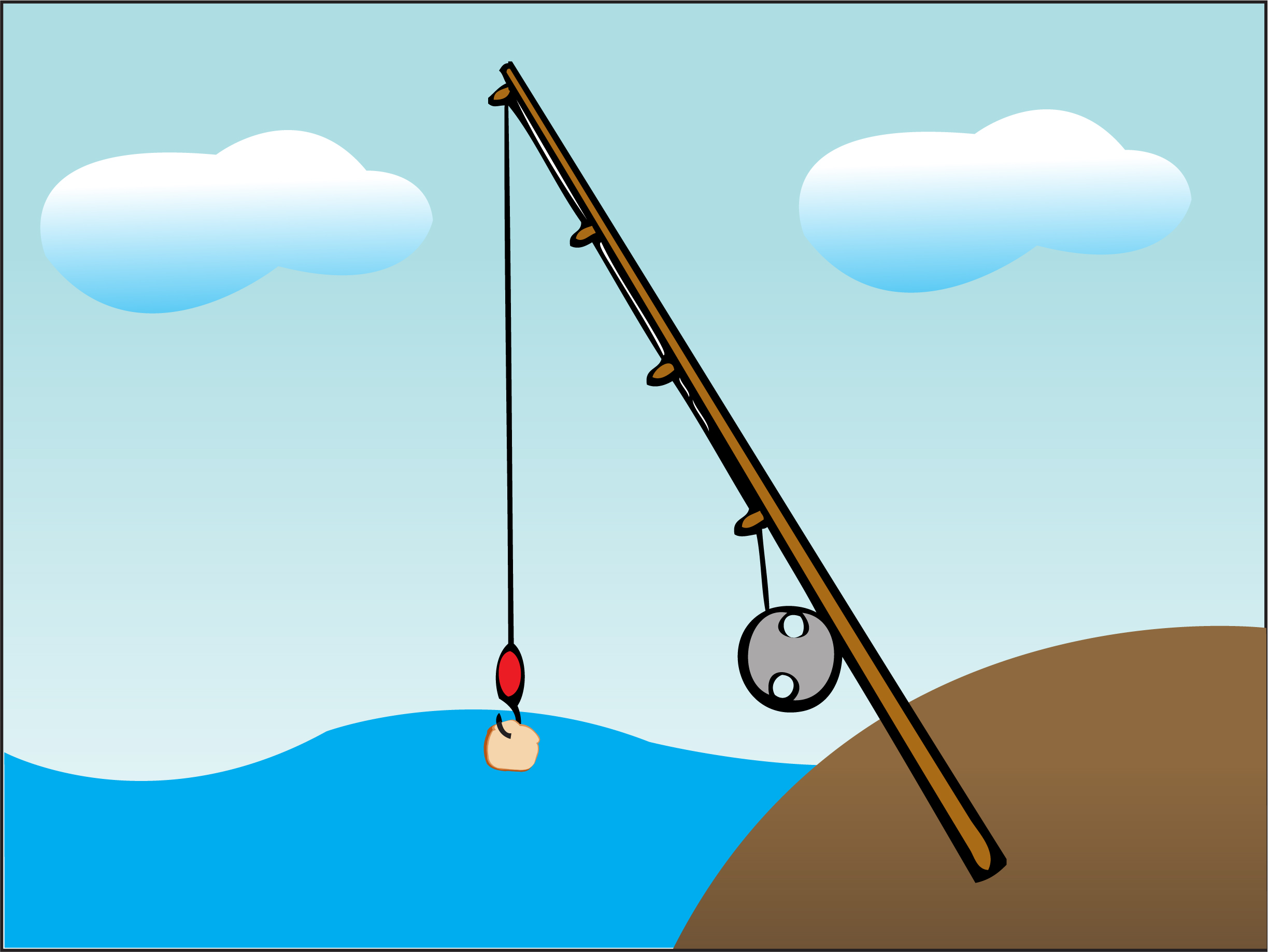
Sometimes the best fishing bait is not hiding in a fancy tackle shop. Sometimes it is sitting on your kitchen counter, quietly waiting to become the hero of your next fishing trip. Yes, we are talking about bread: the humble sandwich sidekick, toast champion, and surprisingly useful homemade fish bait.
Learning how to make fish bait using bread is one of the easiest, cheapest, and most beginner-friendly tricks in freshwater fishing. Bread bait can work well for bluegill, sunfish, carp, tilapia, small catfish, and other fish that nibble on soft, easy meals. It is especially handy for pond fishing, bank fishing, family fishing trips, and those last-minute moments when you realize your bait supply is about as empty as your coffee cup on a Monday morning.
The secret is not just tossing a slice into the water and hoping a fish sends you a thank-you note. Good bread bait needs the right texture, size, moisture, and hook placement. If it is too dry, it crumbles. If it is too wet, it turns into underwater oatmeal. If it is too big, small fish peck at it like tiny food critics and never touch the hook.
This guide breaks down how to make fish bait using bread in 7 practical steps, with tips for improving scent, firmness, casting distance, and fish appeal. You will also learn when bread bait works best, which fish are most likely to bite, and how to avoid common mistakes that make your bait vanish before the fish even RSVP.
Why Bread Makes Good Homemade Fish Bait
Bread is soft, easy to mold, and naturally absorbent. That means it can be shaped into small bread balls, mixed into dough bait, or flavored with simple pantry ingredients. In calm ponds, slow creeks, canals, and lake edges, bread can attract fish because it breaks down gradually and releases tiny food particles into the water.
Another advantage is convenience. You do not need special equipment, complicated ingredients, or a bait-making laboratory guarded by a suspicious raccoon. A slice of white bread, a little water, and a small hook can be enough to catch fish when the conditions are right.
White sandwich bread is often the easiest option because it compresses smoothly and holds together better than many airy artisan breads. Wheat bread can also work, although some types are grainier and may fall apart faster. Hot dog buns, hamburger buns, and dinner rolls can be useful too, especially if they are slightly stale but not moldy.
Best Fish to Catch With Bread Bait
Bread bait is not the perfect choice for every fish. A largemouth bass chasing minnows may not care about your tiny bread ball, no matter how lovingly you squeezed it. But many freshwater fish will investigate bread, especially in warm weather and in places where fish are used to feeding near the surface or bottom.
Fish That Commonly Respond to Bread Bait
- Bluegill and sunfish: These small, curious fish often nibble soft bread balls near docks, banks, and shallow cover.
- Carp: Bread dough balls can work well for carp, especially when fished on or near the bottom.
- Tilapia: In some warm-water ponds and canals, tilapia may take small bread balls or dough bait.
- Catfish: Smaller catfish and bullheads may pick up larger, firmer bread dough, especially if it has added scent.
- Buffalo and suckers: Bottom-feeding species may respond to dough-style bread bait in the right areas.
Always check your local fishing regulations before using bait, feeding fish, or tossing crumbs into the water. Rules vary by state, waterbody, season, and species. Some areas restrict certain natural baits or chumming, and it is much better to check first than to explain your bread strategy to a conservation officer later.
What You Need to Make Bread Fish Bait
You can make basic bread bait with almost nothing, but a few optional ingredients help improve scent and durability. Start simple, then adjust based on how fish react.
Basic Ingredients
- 2 to 4 slices of soft white bread
- 1 to 2 teaspoons of water
- A small bowl or plastic bag
- Small fishing hooks, usually size 8 to 12 for panfish
- Optional: flour, oatmeal, cornmeal, garlic powder, sugar, honey, or vanilla extract
For panfish, make small pea-sized bait balls. For carp or catfish, make them closer to marble-sized. The goal is to match the bait size to the fish’s mouth. A bluegill does not want a bread boulder. A carp, on the other hand, may appreciate something with a little more substance.
How to Make Fish Bait Using Bread: 7 Steps
Step 1: Choose the Right Bread
Start with soft sandwich bread. White bread is the classic choice because it is easy to compress, smooth in texture, and sticky enough to hold around a hook. Slightly stale bread can work too, but avoid bread that is rock-hard, moldy, greasy, or loaded with toppings.
Remove the crust if you want a smoother bait. The inside of the bread forms a softer, more compact ball. The crust can still be useful, but it is better saved for making crumbs or firmer bits. If you are fishing for small bluegill, soft inner bread usually works best because it creates tiny bait balls that fish can easily take.
Step 2: Tear the Bread Into Small Pieces
Tear one slice into small pieces and place them in a bowl or plastic bag. Smaller pieces are easier to moisten evenly and knead into bait. Do not add water yet. Dry bread may look too fluffy at first, but once you press it together, it becomes much denser.
This is where many beginners overdo it. They add too much water right away and accidentally create bread soup. Fish may enjoy soft food, but your hook needs something that can survive a cast. Start dry, then add moisture slowly.
Step 3: Add Moisture One Drop at a Time
Add a few drops of water and knead the bread with your fingers. You want a soft, dough-like texture that sticks together but does not smear like paste. If the bread feels dry and cracks apart, add another drop or two. If it becomes too wet, add more dry bread or a tiny pinch of flour.
A good bread bait dough should feel like soft modeling clay. It should compress into a ball, stay firm when pinched, and not leave your hands completely covered in goo. If your bait looks like it belongs in a toddler’s art project, add dry material until it firms up.
Step 4: Add Scent or Flavor for Extra Attraction
Plain bread can catch fish, but scent can make it more attractive. For carp and catfish, try a tiny pinch of garlic powder, a drop of honey, or a little vanilla extract. For panfish, plain bread is often enough, but a light sweet scent can help in slow bites.
Use small amounts. Fish have excellent senses, and too much flavoring can make the bait unnatural or messy. A bait ball should smell appealing, not like it lost a fight with a spice cabinet. If you are experimenting, divide your bread dough into small batches and flavor each one differently. That way, you can test what fish prefer without ruining the whole mix.
Step 5: Shape the Bread Into Bait Balls
Roll the dough between your fingers to form small balls. For bluegill, sunfish, and other panfish, make balls about the size of a pea. For carp, catfish, or larger fish, make them about the size of a small marble. Keep the bait compact, but do not squeeze it so hard that it becomes rubbery and lifeless.
If the bait falls apart quickly, knead in a little flour, oatmeal, or cornmeal. Flour makes the dough smoother and firmer. Oatmeal adds texture and helps the bait stay together longer. Cornmeal can create a grainier bait that slowly releases particles in the water.
Step 6: Put the Bread Bait on the Hook Correctly
Push the hook point through the bread ball, then mold the bait around the hook shank. Leave the hook point slightly exposed or barely covered, depending on the size of the fish. If the hook is completely buried in a thick bread ball, you may miss bites because the hook cannot set properly.
For panfish, use a small hook and a tiny bait ball. For carp or catfish, use a stronger hook and a firmer dough ball. If fish are pecking but not getting hooked, downsize the bait. Small fish are experts at stealing bread. They have the manners of tiny underwater pickpockets.
Step 7: Fish It Slowly and Watch Closely
Bread bait works best when fished slowly. Use a bobber for panfish in shallow water, or fish it on the bottom for carp and catfish. In calm water, you can watch the bait sink and see fish approach. Around docks, shaded banks, weed edges, and shallow pond corners, bread balls can draw quick attention.
Cast gently. Bread bait is softer than store-bought bait, so a dramatic superhero cast may launch your bait into history while your hook lands empty. Short, accurate casts are better. If the bait falls off during casting, make it firmer, use less water, or press it more tightly around the hook.
Simple Bread Bait Recipes to Try
Basic Bread Ball Bait
Take one slice of white bread, remove the crust, and knead the soft center into a ball. Add a few drops of water only if needed. Roll into pea-sized pieces for panfish or larger balls for carp. This is the easiest version and a great starting point for beginners.
Garlic Bread Dough Bait
Mix soft bread with a tiny pinch of garlic powder and a few drops of water. Knead until firm. Garlic scent can be useful for carp and catfish, especially in murky water where scent matters more than appearance.
Sweet Bread Bait
Add a drop of honey or vanilla extract to soft bread and knead it into a smooth dough. This can work well for carp and panfish in ponds where fish respond to sweet-smelling food. Keep the mixture firm so it does not dissolve too fast.
Oatmeal Bread Dough
Combine soft bread with a small pinch of quick oats. Add water slowly and knead until the bait holds together. Oatmeal adds texture and can help the bait stay on the hook longer, especially when fishing deeper or making slightly longer casts.
Best Rigs for Fishing With Bread Bait
Bobber Rig for Bluegill and Sunfish
A bobber rig is simple and effective. Attach a small hook, add a split shot if needed, and set the bobber depth so the bread bait hangs where fish are feeding. Around docks and pond edges, start with the bait 1 to 3 feet below the surface. If fish are deeper, adjust the bobber until bites improve.
Bottom Rig for Carp
For carp, use a small weight to keep the bait near the bottom. Carp often feed by rooting along the lake or pond floor, so a bread dough ball resting near the bottom can be effective. Keep your line slightly slack and watch for slow pulls or steady movement.
Light Line for Clear Water
In clear ponds, use light fishing line and small hooks. Fish can be cautious when they see thick line or oversized tackle. A delicate setup makes bread bait look more natural and improves your chances of hooking small, careful feeders.
Common Mistakes When Making Bread Bait
Using Too Much Water
This is the biggest mistake. Wet bread may feel sticky on land, but underwater it can dissolve quickly. Add moisture slowly and stop as soon as the bait becomes moldable.
Making the Bait Too Big
If fish keep nibbling without getting hooked, your bait may be too large. Downsize the bread ball until the fish can take the whole bait into its mouth.
Casting Too Hard
Bread bait is not built for long-distance power casting. Use gentle casts, short pitches, or drop the bait near visible fish. If you need distance, make the dough firmer with flour or oats.
Ignoring Local Rules
Some waters have special bait rules, especially trout streams, protected areas, or waters with invasive species concerns. Before using bread, chum, or homemade bait, check local regulations for the specific place you plan to fish.
Tips to Make Bread Bait Stay on the Hook Longer
If your bread bait keeps falling off, try kneading it longer. The more you compress soft bread, the more elastic and sticky it becomes. You can also add a pinch of flour to absorb extra moisture or a pinch of oats to give it structure.
Another trick is to wrap the bread around the hook shank instead of simply sticking the hook through the center. Press the bait firmly around the metal so it grips better. For very small hooks, use less bait and shape it tightly.
If fish are feeding at the surface, use a fluffy piece of bread instead of a dense ball. Pinch only one edge onto the hook and let the rest float naturally. This works best in calm water when fish are visibly sipping food from the surface.
When and Where Bread Bait Works Best
Bread bait shines in calm, warm, shallow water. Try it in neighborhood ponds, park lakes, canals, slow creeks, marina edges, and around docks. Early morning and late afternoon are often productive because fish move into comfortable feeding zones.
Look for signs of activity: small ripples, fish dimpling the surface, bluegill beds, carp bubbles, shaded banks, or fish cruising near the edge. Bread bait is especially useful when fish are close enough for short casts.
In fast current, bread bait may break apart too quickly. In that case, make a firmer dough with flour or oatmeal, or switch to a tougher bait. Bread is a great tool, but it is not magic. Even the best bread ball cannot do much if it disappears before reaching the fish.
of Real-World Experience: What Bread Bait Teaches You on the Water
Fishing with bread bait teaches patience, observation, and adjustment. The first lesson is that fish are not always interested in the same texture. Some days, bluegill attack a tiny soft bread ball the moment it hits the water. Other days, they peck at it, spit it out, and leave you staring at your bobber like it owes you money. When that happens, the answer is usually to change the size, firmness, or depth.
One practical experience many anglers notice is that small fish are excellent bait thieves. If your hook comes back clean again and again, do not assume the bait is bad. It may simply be too large or too soft. A smaller ball pressed tightly around a smaller hook can turn those tiny pecks into real hooksets. For panfish, less bait is often better. A bait ball no larger than a pea may look unimpressive, but it fits the fish’s mouth and allows the hook to do its job.
Another lesson is that bread bait works best when you watch the water before you fish. If you see fish cruising near the bank, do not stomp up to the edge like you are entering a wrestling ring. Move quietly, stay low if the water is clear, and drop the bait gently. Bread bait is most effective when it looks natural. A soft landing matters. Fish that are comfortable will feed; fish that are spooked will vanish faster than snacks at a family picnic.
Experience also shows that bread bait changes quickly in different conditions. In warm water, soft bread may break down faster. In deeper water, loose bread may come off before it reaches the bottom. In weedy areas, bread can get pulled apart by tiny fish before larger fish even find it. That is why it helps to carry a small container of dry bread pieces, a pinch of flour, and maybe a few oats. You can adjust the mix right on the bank instead of accepting defeat and blaming the fish, the moon, or your unlucky hat.
For carp, patience becomes even more important. Carp may circle, bump, taste, and reject bait before committing. A firmer bread dough ball on the bottom often works better than a fluffy piece. Keep the rod secure, avoid too much movement, and watch the line carefully. Sometimes the bite is not a dramatic strike. It may be a slow tightening of the line or a steady pull. That is your moment to lift the rod and set the hook smoothly.
The best part about using bread as fish bait is that it makes fishing feel approachable. You do not need expensive gear to learn valuable skills. You learn how bait behaves in water, how fish feed, how hook size matters, and how small adjustments can change the whole day. Bread bait is simple, but it is not silly. Used correctly, it can turn an ordinary slice of bread into a fun, productive, and surprisingly educational fishing tool.
Conclusion
Making fish bait using bread is simple, affordable, and surprisingly effective when you match the bait to the fish. Start with soft white bread, add moisture slowly, shape it into the right size, and fish it gently. Use tiny bread balls for bluegill and sunfish, firmer dough balls for carp and catfish, and small scent additions when fish need extra encouragement.
The real secret is adjustment. If the bait falls apart, make it firmer. If fish steal it, make it smaller. If bites are slow, change depth, location, or flavor. Bread bait rewards anglers who pay attention, and that is what good fishing is all about.
Note: Always check local fishing regulations before using homemade bait, feeding fish, or scattering bread crumbs in the water. Rules can vary by state, lake, river, species, and season.