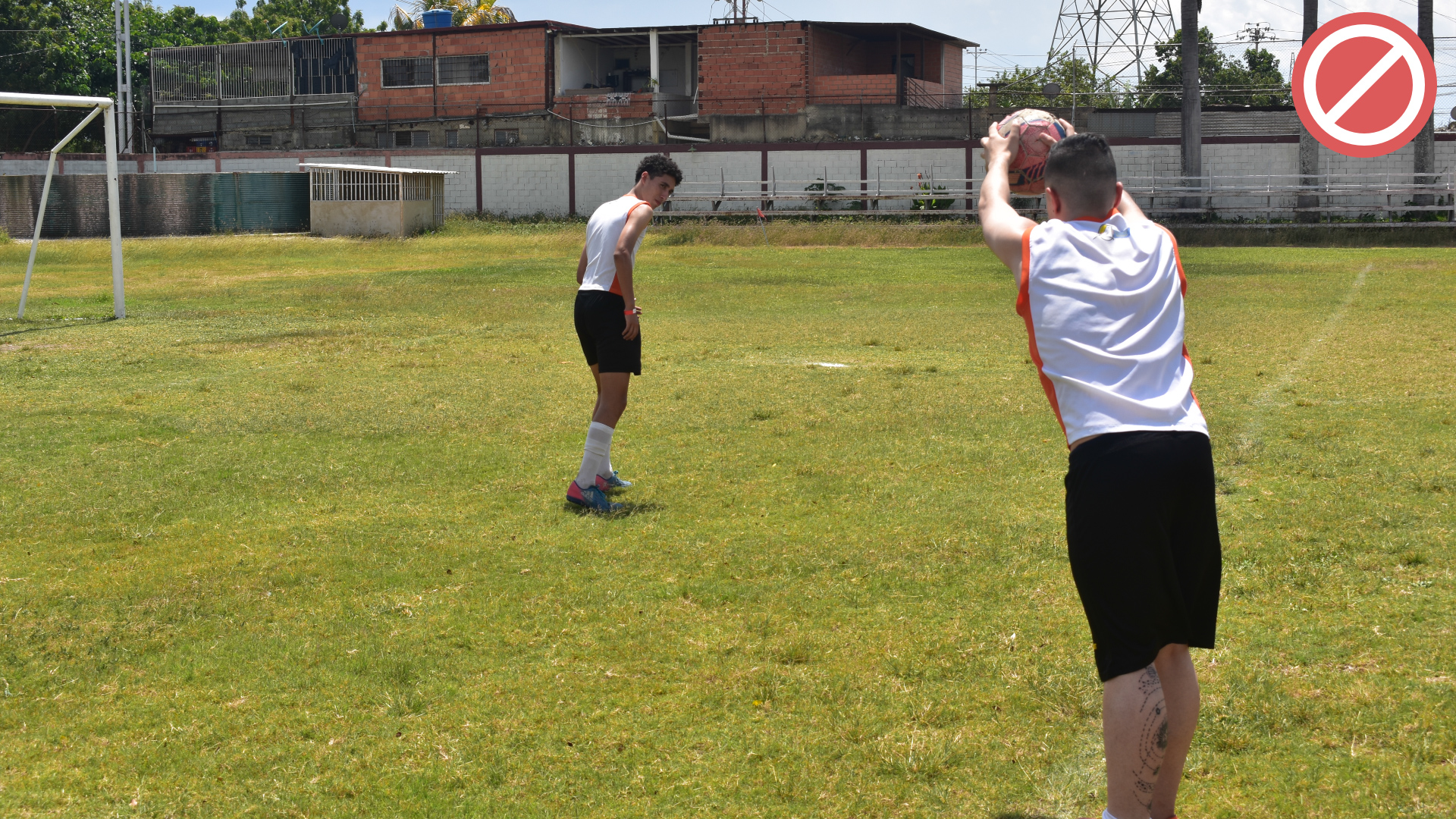
Note: This guide is written for players, parents, coaches, and anyone who has ever picked up a soccer ball on the sideline and suddenly felt like the entire stadium was judging their elbows. It is based on current soccer throw-in rules and practical coaching guidance, rewritten in original, web-ready language.
Introduction: The Humble Throw-In Is Not So Humble
A throw-in in soccer looks simple. The ball goes out. A player picks it up. Everyone yells, “Here! Here! Here!” like a flock of caffeinated seagulls. Then the player throws the ball back into play. Easy, right?
Well, yesand also no. The soccer throw-in is one of the most common restarts in the game, but it is also one of the most frequently butchered by beginners. A legal throw-in must follow a few specific rules: both hands on the ball, ball delivered from behind and over the head, both feet properly positioned, and the throw taken from the correct spot on the touchline. Break those rules, and congratulationsyou have just donated possession to the other team.
The good news? Learning how to do a throw-in in soccer is not complicated once you understand the technique. Better still, a smart throw-in can become more than just a restart. It can help your team keep possession, escape pressure, create attacking chances, and occasionally make your opponent look like they forgot how geometry works.
This guide breaks the skill into 14 clear steps, covering the rules, body position, throwing motion, receiving options, common mistakes, and practice tips. Whether you are a beginner, a youth coach, a weekend player, or a parent trying to help your child avoid the dreaded “foul throw,” this article will help you throw legally, confidently, and with a little tactical swagger.
What Is a Throw-In in Soccer?
A throw-in is awarded when the whole ball crosses the touchline, either on the ground or in the air. The team that did not touch the ball last gets to take the throw-in. The throw must be taken from the point where the ball left the field of play, or very close to it depending on the referee’s judgment.
A throw-in is different from a free kick or corner kick because the ball is put back into play with the hands. However, the thrower cannot just toss it in like they are passing snacks across a picnic blanket. Soccer has very specific rules for this restart.
Basic Throw-In Rules
At the moment of the throw, the player must face the field, have part of each foot on the touchline or outside the field, use both hands, and throw the ball from behind and over the head. Opponents must give space, and the thrower cannot touch the ball again until another player has touched it.
Also, a goal cannot be scored directly from a throw-in. If you launch the ball straight into the opponent’s goal without anyone touching it, the restart is not a goal. It may look dramatic, but the scoreboard remains unimpressed.
How to Do a Throw-In in Soccer: 14 Steps
Step 1: Know When Your Team Gets the Throw-In
The first step is understanding possession. If the ball crosses the sideline and the opponent touched it last, your team gets the throw-in. If your teammate kicked it out, sorrytime to defend. Players should quickly recognize who has the restart so they can react before the other team gets organized.
This awareness matters because a fast throw-in can catch defenders sleeping. Soccer rewards alert players. It does not reward the person staring at the ball like it just sent them a confusing tax form.
Step 2: Pick Up the Ball Quickly
Once your team earns the throw-in, retrieve the ball with urgency. A quick restart can create space before defenders mark your teammates. However, do not rush so much that you ignore the correct location or throw illegally.
Speed is useful only when paired with control. Think “quick and calm,” not “panic delivery service.”
Step 3: Stand at the Correct Spot
The throw-in should be taken from the point where the ball crossed the touchline. In casual games, players may drift a step or two, but in organized soccer, referees expect the restart to be reasonably accurate. If you wander ten yards upfield, the referee may call you back or award the throw to the other team.
Use the sideline as your guide. Stand outside the field or with part of each foot touching the line. Do not step fully onto the field before releasing the ball.
Step 4: Face the Field of Play
Your body should face the field when you deliver the throw. Turning sideways or throwing while twisted can lead to poor accuracy and may invite a referee’s whistle. Facing the field also gives you a better view of teammates, defenders, and open space.
Before you throw, scan quickly. Look short, middle, and long. The best throw-in decisions usually happen before the ball leaves your hands.
Step 5: Place Both Feet Correctly
Both feet must be on the ground when the ball is released. Part of each foot should be either on the touchline or outside the touchline. Beginners often lift a back foot during the throwing motion, especially when trying to throw far. That is one of the classic foul throw mistakes.
Keep your feet grounded like they signed a lease. You can use a staggered stance, with one foot slightly ahead of the other, or stand with both feet side by side. The key is that both feet stay down during the release.
Step 6: Hold the Ball with Both Hands
Grip the ball evenly with both hands. Your hands should be placed on the sides or slightly behind the ball, with fingers spread for control. Avoid holding it with one hand doing all the work while the other hand just tags along for emotional support.
A balanced grip helps the ball travel straight. If one hand pushes harder than the other, the throw may spin awkwardly or drift off target.
Step 7: Bring the Ball Behind Your Head
The throw must begin from behind your head. Pull the ball back so your thumbs come close to the back of your neck or shoulders. This position helps ensure the ball travels from behind and over the head, which is required for a legal throw-in.
Do not start the throw from your forehead or chest. That may feel easier, but it is not a proper soccer throw-in. Save the chest pass for basketball practice.
Step 8: Use Your Whole Body, Not Just Your Arms
A strong throw-in comes from coordinated movement. Bend your knees slightly, engage your core, and lean back just enough to create momentum. As you throw, transfer energy forward through your legs, hips, torso, shoulders, arms, and wrists.
Many players try to muscle the ball with their arms alone. That usually produces a weak, floaty throw that lands softly at a defender’s feet. Use your body as one connected chain, and the ball will travel farther with less effort.
Step 9: Throw from Behind and Over the Head
Now deliver the ball in one smooth motion. Bring it forward from behind your head and release it over your head with both hands. The movement should be fluid, not jerky. Imagine drawing a clean arc from behind your neck toward your target.
The ball should not come from the side of your head. It should not be slung like a wet towel. And it should definitely not resemble a two-handed bowling attempt. Behind the head, over the head, both handsthat is the magic formula.
Step 10: Aim at a Teammate’s Feet, Chest, or Space
Accuracy matters more than distance. For a short throw, aim at your teammate’s feet so they can control and pass quickly. For a medium throw, aim toward the chest or thigh if they are marked tightly and need to shield the ball. For an attacking throw, aim into space where a teammate can run onto it.
Do not throw directly to a teammate who is standing still with a defender breathing into their collar. Good throw-ins involve movement. Your teammate should check away, come back, spin behind, or create a passing lane.
Step 11: Communicate Before You Throw
Throw-ins are small tactical moments, and communication makes them much cleaner. Teammates should call for the ball, point where they want it, or make a clear run. The thrower should use eye contact and simple cues.
Words like “feet,” “line,” “back,” “turn,” or “man on” can help everyone make faster decisions. Soccer is not a silent movie. Talk early, talk clearly, and avoid the classic five-player chorus of everyone yelling your name at once.
Step 12: Follow the Ball After the Throw
After releasing the ball, step onto the field and support the play. The thrower often becomes an immediate passing option. A simple give-and-go from a throw-in can beat a defender and keep possession.
However, remember one important rule: the thrower cannot touch the ball again until another player touches it. So do not throw the ball against a wall-like teammate who misses it completely and then dribble away. That is not clever; that is an indirect free kick waiting to happen.
Step 13: Avoid Common Foul Throw Mistakes
The most common throw-in mistakes include lifting a foot, stepping fully onto the field before release, using only one hand, starting the ball in front of the head, throwing from the side, and taking the throw from the wrong spot.
Another mistake is rushing without looking. A legal throw-in that goes straight to the other team is technically correct but emotionally painful. Before throwing, take one second to scan the field and choose the best option.
Step 14: Practice with Purpose
Practice throw-ins the same way you practice passing, shooting, and first touch. Start with short throws to a partner. Focus on legal form. Then increase distance. Add movement. Add pressure. Add a defender. Eventually, practice throw-in patterns your team can use in real games.
For youth players, repetition is important, but fun matters too. Create target games, partner challenges, or small-sided activities where players earn points for accurate legal throw-ins. Nobody improves by standing in a line for twelve minutes while one kid launches balls into the parking lot.
Best Throw-In Techniques for Different Situations
The Safe Short Throw
The short throw is ideal when your team wants to keep possession. The receiver checks toward the ball, controls it, and passes back or turns away from pressure. This is simple, reliable, and perfect when your team is under pressure near its own goal.
The Down-the-Line Throw
A throw down the sideline can help your team gain territory. This is useful when a forward or winger makes a run into space. The throw should go ahead of the player, not behind them. If the throw lands behind the runner, you have basically invented cardio for no reason.
The Throw-and-Go
In a throw-and-go pattern, the thrower passes to a nearby teammate and immediately runs into space for a return pass. This works well because defenders often relax after the ball leaves the thrower’s hands. Surprise them. Politely, of course.
The Long Throw
A long throw can be used as an attacking weapon, especially near the opponent’s penalty area. Some teams treat long throw-ins almost like corner kicks. To throw long, players need strength, timing, flexibility, and good technique. Distance should never come at the cost of legality.
How Teammates Should Move During a Throw-In
A successful throw-in depends just as much on the receivers as the thrower. Teammates should not stand still and demand the ball like statues with shin guards. They need to create angles and separation.
One useful movement is checking away before coming short. The player first moves away from the thrower, dragging the defender with them, then quickly comes back to receive. Another option is a spinning run behind the defender. A third teammate can offer a back-pass option to keep the ball safe.
The team should always provide at least two choices: a short option and a longer option. If everyone runs away, the thrower gets stranded. If everyone comes short, defenders crowd the area. Balance is the secret.
Common Throw-In Mistakes and How to Fix Them
Mistake: Lifting the Back Foot
This usually happens when players try to throw too far. The fix is simple: shorten the throw, bend the knees, and focus on keeping both feet planted. Once the legal motion is comfortable, gradually add power.
Mistake: Throwing from the Side
A side throw often happens when one hand dominates the motion. Practice bringing the ball straight back behind the head and releasing it directly forward. A partner can stand in front and watch whether both hands move evenly.
Mistake: Throwing to a Marked Player
This is a decision-making issue. The thrower should scan before picking the target. Teammates should move to create space. Coaches can help by designing simple throw-in routines instead of leaving every sideline restart to pure chaos and vibes.
Mistake: No Support After the Throw
Once the ball is thrown, the thrower should quickly enter the field and become available. Many teams lose possession because the thrower admires the throw like a museum exhibit instead of joining the next play.
Throw-In Drills for Players and Coaches
Partner Accuracy Drill
Two players stand five to ten yards apart near a sideline. One player performs a legal throw-in to the other player’s feet or chest. The receiver controls the ball and passes it back. After ten repetitions, switch roles. Focus on legal technique first, then accuracy.
Moving Target Drill
Set up a small channel near the sideline. The receiver starts marked by a passive defender, checks away, and comes back to receive. The thrower must time the throw to meet the movement. This drill teaches coordination between the thrower and receiver.
Throw-and-Go Drill
The thrower passes to a nearby teammate and immediately runs down the line or inside the field for a return pass. This teaches players to support the ball after the restart and helps teams maintain possession.
Long Throw Target Drill
Place cones or target zones at different distances. Players attempt legal throws into each zone. Encourage them to use their legs, core, and shoulders rather than relying only on arm strength. Keep score to add competition.
Why Throw-Ins Matter More Than Beginners Think
Throw-ins happen many times during a match. If your team loses the ball on most of them, you are giving away possession over and over. That adds pressure, wastes energy, and makes the game harder than it needs to be.
A team that handles throw-ins well can control tempo. It can play out of tight spaces. It can attack quickly. It can frustrate opponents who expect a sloppy restart. At higher levels, teams even use throw-in coaches and set patterns because the sideline is not just a boundaryit is a tactical opportunity.
For young players, mastering the throw-in also builds confidence. It teaches body coordination, awareness, communication, and decision-making. It is not glamorous, but neither is brushing your teeth, and both prevent unpleasant consequences.
Extra Experience Section: Real Lessons from Learning Soccer Throw-Ins
Anyone who has played youth soccer probably remembers the first time they were asked to take a throw-in. The ball rolls out, a coach points at you, and suddenly your hands feel like rented equipment. You pick up the ball, step to the line, and every teammate becomes a professional critic. One yells for it short. Another hides behind a defender while shouting your name. Someone’s parent offers advice from a folding chair. Beautiful chaos.
The biggest lesson from experience is that throw-ins become easier when players stop treating them as emergencies. Beginners often rush because they feel pressure. They grab the ball and throw it at the first jersey they recognize. The result is usually a turnover, a foul throw, or a teammate trying to control a ball launched at their kneecaps. A better approach is to pause for one breath, scan the field, and make a simple choice. Soccer rarely punishes calm players.
Another practical lesson is that accuracy beats power. Young players love the idea of the long throw. It feels heroic. It looks impressive. It also frequently lands on the head, back, or confused shoulder blade of an opponent. A clean eight-yard throw to a teammate’s feet is often more valuable than a twenty-yard throw into a crowd. Coaches often say, “Keep the ball,” and throw-ins are one of the easiest places to prove you were listening.
Players also learn quickly that the receiver has a job. A thrower cannot pass to a teammate who is standing behind a defender like they are waiting in line at the grocery store. Good receivers move away first, then come back. They create an angle. They show with their hands or body where they want the ball. The best throw-ins usually look planned, even if the plan is only two seconds old.
From a coaching perspective, throw-ins are a gold mine for teaching game intelligence. A coach can use them to explain space, timing, support, and communication without stopping the entire practice for a lecture long enough to age the players. A simple patternshort throw, return pass, run down the linecan help beginners understand combination play. Add a defender, and suddenly players learn how pressure changes decisions.
In real matches, the sideline can feel crowded. The touchline acts like an extra defender because the ball can go out again. That means the first touch after a throw-in is crucial. Receivers should cushion the ball into space, shield with the body, or play quickly back to the thrower. A poor first touch turns a good throw into a problem. A good first touch turns a routine restart into possession.
There is also a confidence factor. A player who knows the throw-in rules does not panic about lifting a foot or using one hand incorrectly. They step up, plant both feet, bring the ball behind the head, and deliver it. That confidence spreads to teammates. Suddenly the team is not just restarting play; it is restarting with purpose.
Finally, experience teaches that throw-ins are not small details. They are repeated moments of opportunity. A team may take dozens of them across a game. Win a few more, keep the ball a few more times, and create one dangerous attack from the sideline, and the “boring” throw-in suddenly looks like a secret weapon wearing shin guards.
Conclusion: Master the Throw-In, Keep the Game Moving
Learning how to do a throw-in in soccer is about more than avoiding foul throws. It is about understanding the rules, using proper body mechanics, making smart decisions, and helping your team keep possession. The correct technique is simple: face the field, keep both feet legal, use both hands, bring the ball behind your head, and throw it over your head from the correct spot.
Once the basics are reliable, the throw-in becomes tactical. You can play short, go down the line, combine with a teammate, or launch a longer throw into an attacking area. The best players do not treat throw-ins like interruptions. They treat them like chances to restart with control.
So the next time the ball rolls over the touchline and lands at your feet, do not panic. Pick it up, scan the field, plant your feet, and make a smart throw. Your coach will be happy, your teammates will trust you, and the referee will have one less reason to blow the whistle. Everybody winsexcept maybe the defender who forgot to mark the return pass.