Vanilla extract may be a familiar face in French toast recipes, but it is not the bo bottle is empty, hiding behind the baking soda, or simply not your favorite flavor, you can still make French toast that is crisp at the edges, tender in the middle, and worthy of an enthusiastic maple syrup pour.
The secret is to replace vanilla’s aromatic sweetness with flavors that perform a similar job. Warm spices create depth, citrus zest adds brightness, and ingredients such as maple syrup or brown sugar provide caramel-like richness. In other words, your breakfast is not ruined. It has merely been invited to try a new outfit.
This guide explains three reliable ways to make French toast without vanilla: cinnamon-nutmeg French toast, maple-orange French toast, and brown sugar-cardamom French toast. You will also learn how to choose bread, balance the custard, prevent sogginess, and adapt each recipe using ingredients already in your pantry.
Can You Make French Toast Without Vanilla?
Yes. Vanilla is a flavoring, not a structural ingredient. Eggs create the custard and help it set, milk provides moisture, and bread absorbs the mixture. Vanilla contributes aroma and a sense of sweetness, but removing it does not prevent French toast from cooking correctly.
A basic vanilla-free custard can be made with eggs, milk, a small amount of sugar, salt, and your choice of spice or citrus. Even a simple mixture of eggs, milk, cinnamon, and salt can produce satisfying French toast when the bread is sturdy and the skillet temperature is controlled.
Established French toast techniques generally favor thick, sturdy bread that can absorb custard without collapsing. Slightly dry bread is especially useful because it takes in liquid while holding its shape, and slices around 3/4 to 1 inch thick offer a good balance between a creamy center and thorough cooking. Basic Formula for Vanilla-Free French Toast
Before choosing a flavor variation, start with a dependable custard ratio. The following base makes approximately eight slices:
- 4 large eggs
- 1 cup whole milk, 2% milk, half-and-half, or unsweetened non-dairy milk
- 1 to 2 tablespoons granulated or brown sugar
- 1/4 teaspoon fine salt
- 8 slices sturdy bread, preferably 3/4 to 1 inch thick
- Butter or neutral cooking oil for the skillet
- Your chosen vanilla substitute or flavor combination
Whisk the eggs thoroughly before adding the milk, sugar, salt, and flavorings. Breaking up the egg whites prevents unpleasant streaks of scrambled egg from clinging to the bread. A shallow baking dish or pie plate makes dipping easier and gives each slice room to lie flat.
Soaking time depends on the bread. Soft sandwich bread may need only a few seconds per side, while dry brioche, challah, sourdough, or French bread can handle a longer soak. The goal is absorption, not bread soup. Reliable recipes use different soaking times because bread density varies, so watch the slice rather than worshiping the stopwatch. 1: Cinnamon-Nutmeg French Toast
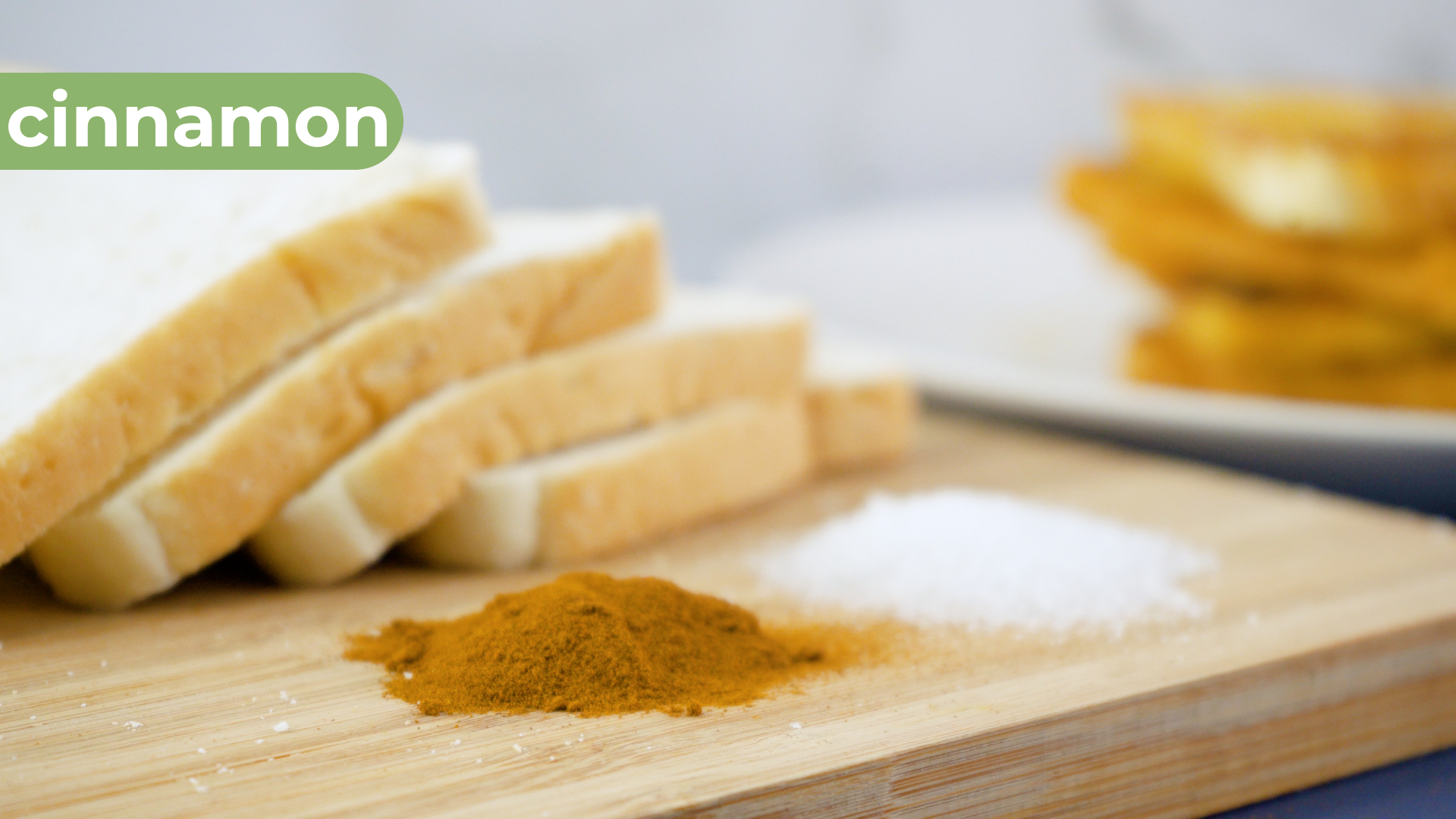
This is the easiest option when the pantry looks a little lonely. Cinnamon supplies warm sweetness, while nutmeg adds a deeper bakery-style aroma. Together, they make vanilla’s absence nearly impossible to notice.
Ingredients
- 4 large eggs
- 1 cup milk
- 1 tablespoon granulated sugar
- 1 teaspoon ground cinnamon
- 1/4 teaspoon ground nutmeg
- 1/4 teaspoon salt
- 8 thick slices of bread
- 1 to 2 tablespoons butter for cooking
Instructions
- Whisk the eggs in a shallow bowl until the whites and yolks are completely combined.
- Add the milk, sugar, cinnamon, nutmeg, and salt. Whisk again until evenly mixed.
- Heat a large skillet or griddle over medium heat. Add enough butter to coat the surface lightly.
- Dip each slice of bread into the custard. Let soft bread soak for about 5 seconds per side or firmer bread for 15 to 30 seconds per side.
- Lift the bread and allow excess custard to drip back into the bowl.
- Cook for approximately 2 to 4 minutes per side, adjusting the heat as needed, until golden brown and cooked through.
- Serve immediately with maple syrup, powdered sugar, sliced bananas, berries, or cinnamon sugar.
Why This Method Works
Cinnamon is naturally associated with sweet baked foods, so it creates the impression of a more aromatic custard even without extract. Nutmeg adds complexity, but it can become assertive if used by the shovel instead of the measuring spoon. Keep it in the background.
If the cinnamon floats on top of the custard, whisk it first with the sugar and salt before adding the milk. This helps distribute the spice more evenly. You can also replace some of the cinnamon with pumpkin pie spice, apple pie spice, or a tiny pinch of ground cloves. Betty Crocker and Taste of Home both recommend warm spices as practical ways to vary French toast flavor. 2: Maple-Orange French Toast
For French toast that tastes bright, fresh, and slightly more sophisticated, combine pure maple syrup with orange zest. Maple contributes sweetness and caramel notes, while the zest supplies aromatic oils that wake up the entire custard.
This variation is particularly good with brioche, challah, croissants, or thick slices of French bread. It is also useful when you want a brunch-worthy flavor without buying a collection of specialty extracts that will spend the next three years forming a support group in the cabinet.
Ingredients
- 4 large eggs
- 1 cup milk or half-and-half
- 2 tablespoons pure maple syrup
- 1 teaspoon finely grated orange zest
- 1/2 teaspoon ground cinnamon
- 1/4 teaspoon salt
- 8 thick slices of bread
- Butter and, optionally, a teaspoon of neutral oil for cooking
Instructions
- Whisk the eggs until smooth, then add the milk, maple syrup, orange zest, cinnamon, and salt.
- Allow the custard to stand for 2 minutes so the orange oils can perfume the mixture.
- Heat a skillet over medium or medium-low heat and coat it with butter. Add a small amount of neutral oil if your butter tends to brown too quickly.
- Dip each slice into the custard, coating both sides. Avoid leaving delicate bread in the mixture until it loses the will to remain bread.
- Cook each slice until the first side is deeply golden, then flip and finish the second side.
- Serve with warm maple syrup, orange segments, toasted pecans, berries, or a spoonful of plain Greek yogurt.
Easy Citrus Variations
Lemon zest can replace orange zest for a sharper, lighter flavor. Tangerine zest is sweeter, while grapefruit zest creates a more grown-up bitterness that works best with extra maple syrup. Use only the colored outer peel; the white pith underneath can taste bitter.
Citrus zest is a well-established companion to French toast custards. Southern Living, Epicurious, and Taste of Home recipes use orange or lemon zest alongside cinnamon, nutmeg, maple, or enriched breads to bring freshness to the dish. 3: Brown Sugar-Cardamom French Toast
Cardamom has a floral, citrusy warmth that makes French toast smell special before the first slice reaches the plate. Brown sugar adds molasses notes and encourages attractive browning. This combination tastes cozy without copying the usual cinnamon-and-vanilla formula.
Ingredients
- 4 large eggs
- 1 cup milk, oat milk, or half-and-half
- 2 tablespoons packed light brown sugar
- 1/2 teaspoon ground cardamom
- 1/4 teaspoon ground cinnamon
- 1/4 teaspoon salt
- 8 slices brioche, challah, sourdough, or sturdy sandwich bread
- Butter for cooking
Instructions
- Place the brown sugar, cardamom, cinnamon, and salt in a shallow dish. Break up any sugar lumps with a fork.
- Add the eggs and whisk thoroughly, then whisk in the milk.
- Warm a buttered skillet over medium-low heat. Brown sugar can darken quickly, so avoid aggressive heat.
- Dip the bread into the custard, allowing it to absorb enough liquid to become moist without turning fragile.
- Cook for 3 to 4 minutes per side, or until browned and set in the center.
- Top with sautéed apples, pears, toasted walnuts, honey, maple syrup, or a light dusting of powdered sugar.
How to Adjust the Cardamom
Cardamom is powerful. Begin with 1/4 teaspoon if you are new to it, especially when serving children or cautious eaters. For a bolder result, increase it to 3/4 teaspoon. You can also substitute chai spice, ginger, allspice, or pumpkin pie spice.
For an autumn version, cook diced apples in butter with a spoonful of brown sugar while the French toast is on the griddle. For a tropical version, use coconut milk in the custard and top the finished toast with toasted coconut and sliced mango.
Choosing the Best Bread
The bread has a greater effect on texture than vanilla ever will. Choose according to the result you prefer:
- Brioche: Rich, buttery, tender, and ideal for dessert-like French toast.
- Challah: Eggy and sturdy, with enough structure to absorb plenty of custard.
- French or Italian bread: Chewy and practical, especially when slightly stale.
- Sourdough: Tangy, firm, and excellent with maple, citrus, or fruit toppings.
- Texas toast: Conveniently thick and easy to find in many supermarkets.
- Regular sandwich bread: Perfectly usable, but it requires a quick dip rather than a long soak.
If your bread is very fresh, place the slices on a baking sheet and dry them in a 275°F oven for approximately 10 to 15 minutes, flipping once. They should feel dry on the surface but should not become hard croutons. Drying or lightly toasting bread can help it withstand the custard and maintain its shape. mon French Toast Problems and How to Fix Them
The Outside Burns Before the Center Cooks
Your skillet is probably too hot. French toast needs enough time for the egg mixture in the center to set. Reduce the heat to medium-low, especially when using thick bread or a custard containing maple syrup or brown sugar.
A combination of butter and a little neutral oil can also help. Butter provides flavor, while oil reduces the chance that the milk solids will burn before the toast finishes cooking.
The French Toast Is Soggy
The bread may be too thin, too fresh, or soaked too long. Choose thicker slices, dry fresh bread briefly in the oven, and shorten the dipping time. Also let excess custard drain before transferring the slice to the skillet.
The French Toast Tastes Like Scrambled Eggs
Add a little more milk, sugar, spice, or citrus zest. Be sure the eggs are fully whisked so no concentrated strands of white remain. A pinch of salt is also important because it balances sweetness and makes the other flavors more noticeable.
The Spices Form Clumps
Mix the spices with the sugar before adding liquid, or whisk the custard again between batches. Cinnamon and cardamom do not completely dissolve, so occasional whisking keeps them from gathering in one spot and creating the world’s most aggressive final slice.
Toppings That Add Flavor Without Vanilla
The topping can reinforce whichever flavoring method you choose. Try cinnamon apples with the cardamom version, berries with the maple-orange version, or bananas and toasted pecans with the cinnamon-nutmeg version.
Other easy options include:
- Pure maple syrup
- Honey or warm fruit preserves
- Powdered sugar and fresh berries
- Peanut butter and sliced bananas
- Greek yogurt and berry compote
- Caramelized pears or peaches
- Cinnamon sugar
- Whipped cream and toasted nuts
You can also make savory French toast by omitting the sugar and using garlic, black pepper, herbs, Parmesan, or shredded cheddar. Vanilla cannot be missed when the toast is wearing melted cheese and a fried egg as a hat.
Make-Ahead, Storage, and Food Safety
The custard can be mixed the night before and refrigerated in a covered container. Whisk it again before dipping the bread because spices may settle. Do not leave a raw egg-and-milk mixture at room temperature while everyone debates toppings for half the morning.
Cooked French toast can be held on a wire rack set over a baking sheet in a 200°F oven while you finish the remaining batches. The rack allows air to circulate and helps prevent the bottoms from becoming damp.
Refrigerate leftovers in an airtight container and reheat them in a toaster oven, skillet, air fryer, or conventional oven. Microwave reheating works, but the exterior will be softer.
Because French toast contains eggs, it should be thoroughly cooked. USDA guidance lists 160°F as the safe minimum internal temperature for egg dishes and recommends refrigerating perishable leftovers within two hours. l-World Experiences When Making French Toast Without Vanilla
The Missing Vanilla Is Usually a Bigger Problem in Your Head
The most common experience begins with mild breakfast panic. The eggs are cracked, the milk is measured, and the vanilla bottle produces one tragic drop followed by a tiny puff of disappointment. Yet once cinnamon, nutmeg, maple syrup, or citrus zest enters the bowl, the finished toast rarely tastes incomplete.
Vanilla is familiar, which can make it seem essential. In practice, most diners notice the overall combination of browned butter, toasted bread, warm spices, sweetness, and toppings. A plate covered with berries and maple syrup is not likely to inspire an investigation into the missing extract.
Different Breads Require Different Decisions
A thick slice of day-old challah can spend considerably more time in custard than thin sandwich bread. Treating them identically often leads to one of two breakfast personalities: dry in the center or soft enough to require a spoon.
When using sandwich bread, a quick dip keeps the slice intact. When using dense sourdough or a sturdy French loaf, a longer soak creates a more custardy center. Learning to judge absorption by touch is more useful than following one rigid soaking time. The bread should feel heavier after dipping, but you should still be able to lift it without performing emergency structural repairs.
Medium Heat Is Less Exciting and More Successful
Turning the burner to high feels efficient, especially when hungry people are circling the kitchen. Unfortunately, sugar and milk solids brown quickly. The outside can become nearly black while the center remains wet.
Medium or medium-low heat takes slightly longer but produces more even browning. A properly preheated pan should make the butter foam gently rather than smoke. If the second batch darkens much faster than the first, lower the heat and wipe away burned butter before continuing.
Citrus Zest Often Gets the Best Reaction
Cinnamon is expected. Orange zest is a surprise. It adds fragrance without making the French toast taste like orange juice, and it cuts through the richness of eggs, milk, butter, and syrup.
The key experience here is learning that a little zest travels far. About one teaspoon is enough for a standard four-egg custard. Grating directly over the bowl captures more of the aromatic oil. Pressing hard enough to remove the bitter white pith, however, turns enthusiasm into a cautionary tale.
Brown Sugar Requires Patience
Brown sugar produces attractive caramelization, but it also makes temperature control more important. A pan that is perfect for an unsweetened custard may be too hot for the brown sugar-cardamom version.
Cooking the toast slowly allows the sugar to brown instead of burn. The result is a lightly crisp surface with a deeper molasses flavor. It is especially good with tart fruit, plain yogurt, toasted nuts, or a modest amount of maple syrup rather than a syrup flood requiring local weather alerts.
The Best Flavor Often Comes From Combining Small Details
No single substitution needs to imitate vanilla exactly. Better results come from layering several modest flavors: cinnamon plus nutmeg, maple plus orange zest, or brown sugar plus cardamom and salt.
The same principle applies after cooking. A simple custard becomes more interesting with browned butter, fruit, nuts, or warm syrup. Vanilla-free French toast is therefore less about finding one perfect replacement and more about building a balanced breakfast from what is available.
This flexibility is the real advantage. One morning can feature cinnamon and bananas, another can lean toward maple and citrus, and a colder weekend can call for cardamom, brown sugar, and sautéed apples. The empty vanilla bottle stops being a problem and starts functioning as an excuse to experiment.
Conclusion
Making French toast without vanilla is simple because vanilla does not control the structure of the dish. Eggs, milk, bread, and proper cooking technique handle that job. Flavor can come from cinnamon and nutmeg, maple syrup and orange zest, or brown sugar and cardamom.
For consistently good results, choose sturdy bread, adjust the soaking time to its thickness, cook over moderate heat, and balance sweetness with a pinch of salt. Once those fundamentals are in place, your pantry can supply dozens of flavor combinations.
So go ahead and make breakfast. Vanilla may have the morning off, but French toast is still reporting for duty.
Research note: This article synthesizes established cooking techniques and substitution ideas from USDA, King Arthur Baking, Serious Eats, Food Network, Allrecipes, The Kitchn, Simply Recipes, Betty Crocker, Southern Living, Epicurious, Bon Appétit, and Taste of Home. s=”note”>Note: Measurements and cooking times are practical guidelines. Adjust the soaking time and skillet temperature according to the thickness, dryness, and density of your bread.