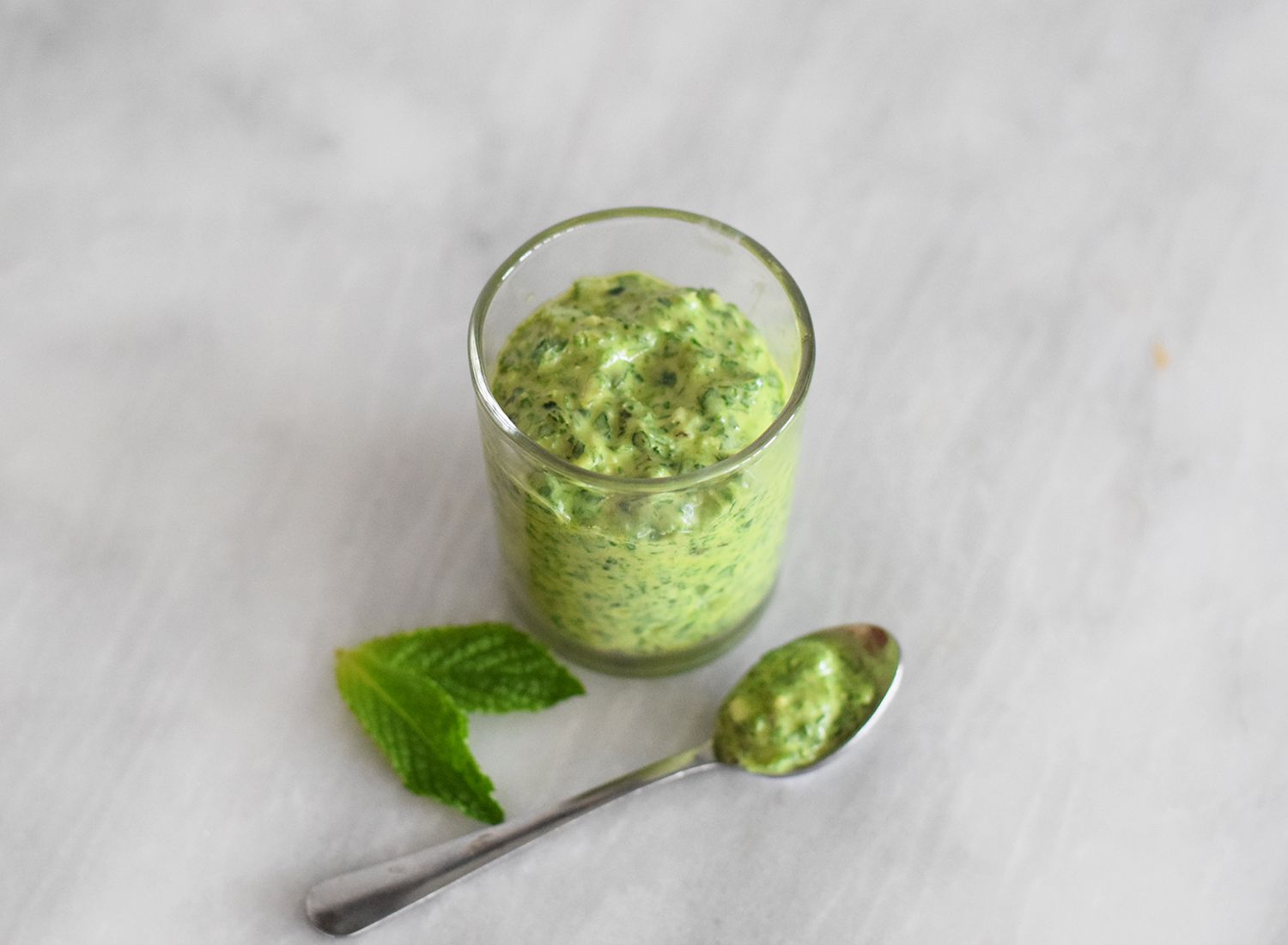
If basil pesto is the classic little black dress of sauces, mint pesto is the bright green linen shirt that shows up to summer dinner and steals the whole scene. It is cool, lively, punchy, and far more versatile than many people expect. A good refreshing mint pesto recipe does not taste like toothpaste in a tuxedo. It tastes herbal, citrusy, slightly nutty, and rich enough to cling to pasta, spoon over grilled vegetables, or wake up a sleepy sandwich like it just heard espresso machine noises.
The trick is balance. Mint is bold. It can dominate a sauce if you let it. That is why the best homemade versions usually pair mint with parsley, basil, or another soft green herb, then round everything out with nuts, garlic, olive oil, cheese, and a pop of lemon. The result is a homemade mint pesto that feels fresh and elegant, but still easy enough for a Tuesday when dinner needs to hurry up.
Below, you will find an in-depth guide to making a mint pesto that tastes bright, smooth, and actually useful in real life. We will cover the flavor profile, the ingredients that matter most, step-by-step technique, storage tips, variations, serving ideas, and a longer section on what the experience of making and using mint pesto is really like in a home kitchen.
Why Mint Pesto Works So Well
Mint has a natural cooling quality that makes rich foods feel lighter. That is a huge reason mint pesto sauce works so beautifully with lamb, chicken, fish, grains, roasted potatoes, pasta, and summer vegetables. It brings contrast. It cuts through fat. It brightens earthy ingredients. It also plays very well with lemon, pistachios, almonds, Parmesan, and olive oil, which means it is not a difficult herb to build around.
Traditional pesto comes from the broader Italian idea of a pounded herb sauce, but modern pesto is flexible. Once you understand the formula, you can riff without chaos. Mint pesto is one of the smartest riffs because it feels both classic and unexpected. It tastes fancy, but it is mostly just herbs and confidence.
What Mint Pesto Tastes Like
A well-made fresh mint pesto should taste:
- Bright and herbal, not grassy
- Cool and refreshing, not mouthwash-like
- Rich from olive oil and nuts
- Sharp in a good way from garlic and cheese
- Lively and clean from lemon juice and zest
Texture matters too. The best pesto is not watery and not cement. It should be spoonable, spreadable, and loose enough to thin into a pasta sauce with a splash of pasta water. Think “silky green condiment” rather than “herb paste that could repair drywall.”
Ingredients That Make This Refreshing Mint Pesto Recipe Shine
Fresh Mint
Mint is the star, so use leaves that are bright green and fragrant. Spearmint is often the easiest and most balanced option for pesto because it is fresh and sweet without tasting too aggressive. Peppermint can be a little more intense, so if that is what you have, use it with a lighter hand.
Parsley
Parsley helps round out mint’s strong personality. It softens the sharp edges and gives the pesto more body. This is one of the easiest ways to keep the sauce refreshing rather than overpowering.
Pistachios or Almonds
Pine nuts are classic in pesto, but pistachios and almonds are excellent with mint. Pistachios bring richness and a slightly sweet nuttiness. Almonds add a cleaner, milder crunch. Walnuts work too, though they push the flavor in a more earthy direction.
Parmesan
A hard, salty cheese gives pesto depth and savoriness. Parmesan is the easiest choice. Pecorino is stronger and saltier, so use a bit less if that is what you have.
Garlic
Raw garlic gives pesto its backbone, but too much can steamroll the mint. One small clove is often enough. You want support, not a garlic solo that clears the room.
Lemon
Lemon zest and juice brighten the sauce and help keep the flavor lively. It is the difference between “nice herb blend” and “wow, this tastes like summer got organized.”
Extra-Virgin Olive Oil
Use good olive oil, because pesto has nowhere for mediocre oil to hide. It affects both the flavor and the final texture.
Refreshing Mint Pesto Recipe
Yield
Makes about 1 1/4 cups
Ingredients
- 2 packed cups fresh mint leaves
- 1 packed cup flat-leaf parsley leaves
- 1/3 cup shelled pistachios, lightly toasted and cooled
- 1/4 cup finely grated Parmesan cheese
- 1 small garlic clove
- 1 teaspoon lemon zest
- 1 tablespoon fresh lemon juice, plus more to taste
- 1/2 teaspoon kosher salt
- 1/4 teaspoon black pepper
- 1/2 cup extra-virgin olive oil, plus more as needed
Instructions
- Prep the herbs. Wash the mint and parsley well, then dry them thoroughly. Wet herbs are the fastest route to diluted pesto, and nobody wants sad green puddles.
- Pulse the base. In a food processor, add the garlic and pistachios. Pulse until roughly chopped.
- Add the herbs. Add the mint, parsley, lemon zest, salt, and black pepper. Pulse several times until the herbs are finely chopped.
- Add cheese and lemon. Add the Parmesan and lemon juice. Pulse again just until combined.
- Stream in the oil. With the processor running, slowly drizzle in the olive oil until the mixture becomes smooth but still has a little texture.
- Taste and adjust. Add another teaspoon of lemon juice if you want more brightness, or another tablespoon of olive oil if the pesto feels too thick.
- Serve or store. Use right away, or transfer to a jar and press plastic wrap directly onto the surface before sealing.
Tips for the Best Homemade Mint Pesto
Use a Blend of Herbs
This is the biggest secret to a balanced mint pesto recipe. Pure mint can be delicious, but it can also get intense quickly. Pairing it with parsley makes the sauce smoother, greener, and more flexible.
Toast the Nuts
Lightly toasted pistachios or almonds bring more depth. Let them cool before blending so the herbs stay bright and fresh.
Do Not Overprocess
Running the machine too long can warm the herbs and dull the color. Pulse first, then blend only as much as needed to bring the sauce together.
Keep the Garlic in Check
Mint is delicate in its own way. Too much raw garlic can flatten the freshness. Start small. You can always add more, but you cannot negotiate with an over-garlicked pesto once it has taken over.
Adjust Texture for the Job
If you are using pesto as a dip or spread, keep it thicker. If you are making mint pesto pasta, loosen it with a little extra olive oil or reserved pasta water.
How to Use Mint Pesto
One of the best things about this refreshing mint pesto recipe is how many dishes it can rescue from boredom.
With Pasta
Toss it with hot pasta and a splash of pasta water for a glossy sauce that clings instead of clumps. Add peas, zucchini, asparagus, or grilled chicken if you want to build it into a full meal.
With Grilled Meat or Fish
Mint pesto is especially good with lamb, but it is also excellent on grilled chicken, salmon, shrimp, and even steak. A spoonful on top right before serving instantly makes dinner look more ambitious than it was.
On Sandwiches and Wraps
Spread it on a turkey sandwich, a grilled vegetable panini, or a wrap with cucumber and feta. Suddenly lunch has range.
With Vegetables
Drizzle it over roasted carrots, cauliflower, potatoes, or green beans. It also works beautifully as a dipping sauce for raw vegetables or warm flatbread.
On Grain Bowls
Stir a spoonful into quinoa, farro, or couscous bowls with chickpeas and roasted vegetables. Mint pesto adds instant brightness and keeps the bowl from tasting like an edible homework assignment.
Easy Variations
Mint Basil Pesto
Replace some of the parsley with basil for a softer, sweeter, more familiar pesto flavor. This version is wonderful on pasta and pizza.
Vegan Mint Pesto
Skip the Parmesan and use a spoonful of nutritional yeast instead. Add a little extra salt and lemon juice to maintain punch and depth.
Mint Almond Pesto
Use toasted almonds instead of pistachios for a milder, slightly more neutral pesto that pairs especially well with fish and roasted vegetables.
Mint Arugula Pesto
Add a handful of arugula for peppery bite. It makes the sauce bolder and pairs nicely with grilled meats and hearty grains.
How to Store Mint Pesto
Store mint pesto in an airtight container in the refrigerator for up to 4 to 5 days for best flavor. To help prevent browning, press plastic wrap directly onto the surface of the pesto before sealing the container. You can also drizzle a thin layer of olive oil over the top.
For longer storage, freeze the pesto in small portions, such as an ice cube tray, then transfer the frozen cubes to a freezer-safe bag or container. That way, you can thaw only what you need. If you know you are freezing the pesto, you can leave out the cheese and stir it in later for the freshest flavor.
Common Mistakes to Avoid
Using Too Much Mint
Yes, the sauce is called mint pesto. No, it does not need to taste like a mojito got confused. Balance wins.
Skipping the Acid
Without lemon, mint pesto can taste flat. A little acid wakes up the herbs and makes the whole sauce feel brighter.
Adding Wet Herbs
Water dulls flavor and changes texture. Dry your herbs thoroughly before blending.
Overloading the Food Processor
Work in batches if needed. Cramming everything into a too-small machine can lead to uneven texture and more blending time, which can also affect color.
What the Experience of Making Mint Pesto Is Really Like
There is something oddly satisfying about making mint pesto from scratch, especially if you start with a giant bunch of mint that looked innocent in the store and then somehow takes over your cutting board like it pays rent. At first, it can seem like too much herb for one sauce. Then the leaves go into the processor, the nuts follow, the garlic lands with dramatic little authority, and suddenly you can smell exactly why this recipe works. The kitchen smells cool, green, citrusy, and alive. It feels less like cooking and more like opening a window in food form.
The first thing most people notice is how different mint behaves compared with basil. Basil pesto is soft and sweet in a familiar way. Mint pesto is sharper and more alert. It tastes like it has places to be. When you add parsley, though, the sauce settles into itself. That is usually the moment the recipe starts to make emotional sense, not just culinary sense. The mint stops shouting and starts singing harmony.
Texture is another part of the experience that surprises people. When the oil starts streaming in and the chopped herbs loosen into a glossy sauce, the mixture changes fast. It goes from “pile of green things” to “yes, this belongs on everything.” That transformation is one of the small joys of homemade pesto. You are only a few pulses away from something that looks restaurant-worthy, even if you are standing in sweatpants with one sock on and a sink full of dishes behind you.
Using mint pesto is its own little revelation. Tossed with hot pasta, it smells brighter than most cream sauces and lighter than many tomato sauces, but still feels deeply satisfying. On grilled vegetables, it turns simple produce into something dinner-party friendly. On lamb or chicken, it gives the dish a fresh edge that keeps it from feeling heavy. Even spread on toast with a little goat cheese, it somehow manages to feel casual and impressive at the same time, which is really the dream for any sauce.
There is also the practical experience of realizing how useful a small jar of mint pesto can be during a busy week. One spoonful can rescue leftovers, wake up a grain bowl, or make a plain sandwich feel deliberate. It is the kind of condiment that helps home cooks look more organized than they actually are. And frankly, we love a supportive lie.
The most common learning curve is restraint. Many first attempts use too much mint, too much garlic, or too little acid. But once you make it once or twice, you start recognizing the pattern: taste, adjust, brighten, loosen, done. That is when mint pesto becomes less of a recipe and more of a habit. You see extra herbs in the fridge and think, “Perfect.” You grill vegetables and automatically want a green sauce nearby. You boil pasta and remember to save the water like the kitchen genius you were always meant to be.
In that sense, the best part of a refreshing mint pesto recipe is not only the flavor. It is the feeling that something vibrant, flexible, and genuinely useful can come together in minutes with a handful of fresh ingredients. It is a small kitchen win, but a very delicious one.
Final Thoughts
A great refreshing mint pesto recipe proves that pesto does not have to begin and end with basil. With the right balance of mint, parsley, nuts, cheese, lemon, and olive oil, you get a sauce that is cool, savory, bright, and versatile enough for pasta, sandwiches, grilled meats, vegetables, and grain bowls. It is easy to make, easy to customize, and very easy to eat too quickly while standing at the counter with a spoon. Which, for the record, is still a valid serving method.
If you want a sauce that tastes fresh, feels a little special, and gives your weekly meals a serious lift, homemade mint pesto deserves a permanent spot in your rotation.