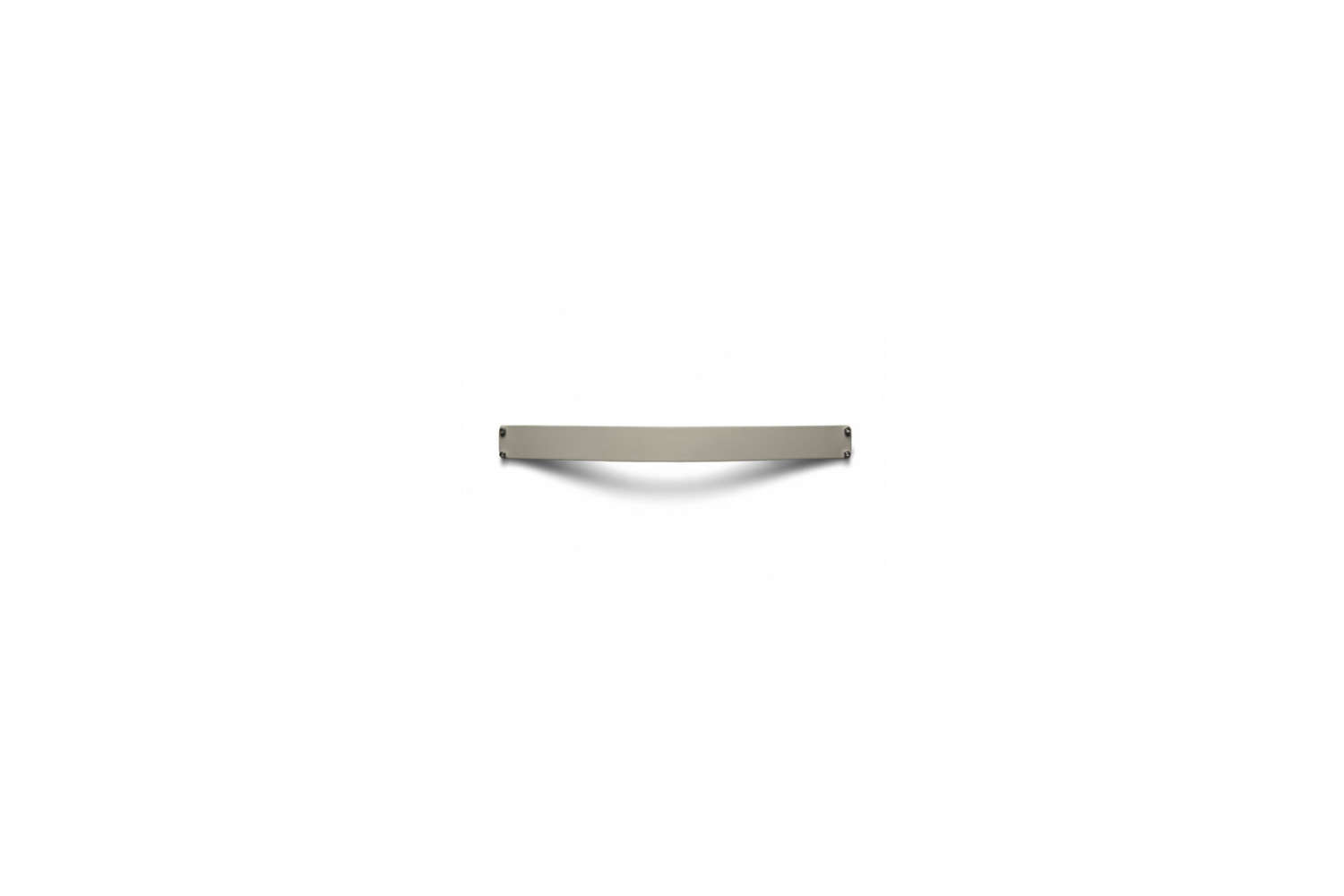
Cabinet hardware is usually treated as the punctuation mark of a room: important, but rarely invited to give a speech. Spinneybeck White Leather Sling Pulls politely ignore that rule. Made from substantial full-grain belting leather, these sculptural handles add softness, texture, and a distinctly modern attitude to cabinets, drawers, wardrobes, and custom furniture.
They are especially appealing when a conventional metal bar pull feels too cold or predictable. Instead of another row of rigid handles, you get a flexible strip of white leather that feels comfortable in the hand and changes the personality of the entire surface. It is a small design decision with suspiciously large consequencesin the best way.
What Are Spinneybeck White Leather Sling Pulls?
The Sling Pull is one of several leather hardware designs offered by Spinneybeck. It was created by architect and designer Emanuela Frattini Magnusson, whose work spans architecture, interiors, products, branding, and graphics. Her design transforms a simple strip of leather into functional hardware with an architectural profile.
The white version is identified as BL 1914 White. It is made from European cowhide and die-cut from 100 percent vegetable-tanned, full-grain Belting Leather. Spinneybeck describes the leather as thick, firm, smooth, and protected by a light water-resistant finish. Stainless steel mounting hardware is included.
Unlike a thin DIY leather loop, the Sling Pull has enough structure to hold its form. The material measures approximately 0.11 to 0.12 inch thick, or 2.8 to 3.2 millimeters. That thickness gives the pull a more tailored appearance while retaining the tactile flexibility that makes leather hardware so enjoyable to use.
Available Sizes
| Size | Dimensions | Suggested Applications |
|---|---|---|
| Small | 7/8 x 5 1/2 inches | Standard drawers, nightstands, vanities, and small cabinet doors |
| Large | 1 1/4 x 13 1/2 inches | Wide drawers, wardrobes, appliance panels, and statement cabinetry |
| X-Large | 1 1/4 x 18 inches | Tall doors, custom furniture, closets, and oversized millwork |
The large and extra-large versions may be installed flat against the surface or looped outward. This choice changes both their appearance and grip. A flush installation looks graphic and restrained, while a looped installation feels softer and provides more room for the hand.
Why Belting Leather Matters
“Belting leather” sounds as though it should arrive wearing work boots, and historically it nearly did. Heavy vegetable-tanned leather was used for machinery belts because it was strong, stable, and able to maintain its shape. Spinneybeck’s version is processed in Italy and traditionally tanned with plant-derived materials, including mimosa and chestnut bark.
The same qualities that once made belting leather useful in industrial applications make it suitable for furniture hardware. It is firmer than the soft upholstery leather found on a sofa, yet flexible enough to form a comfortable sling. Spinneybeck has also used the material for wall treatments, furniture inlays, chair slings, and custom architectural applications.
Full-grain leather retains the hide’s natural grain rather than having the surface heavily corrected. That gives it a material honesty that plastic imitation leather cannot quite reproduce. Even in white, where the appearance is clean and controlled, the pull still has subtle texture and depth.
Why Choose White Leather Cabinet Pulls?
White leather hardware occupies an interesting design middle ground. It can blend quietly into pale cabinetry or create a crisp contrast against dark wood, black paint, navy lacquer, or saturated color. Either way, the leather introduces softness without requiring ornamental carving, decorative backplates, or other visual gymnastics.
A Softer Alternative to Metal
Metal hardware can be beautiful, but a kitchen or built-in covered with stone, steel, glass, and lacquer sometimes needs a material that feels warmer. Leather changes the sensory experience. Every time a drawer opens, the user touches something with a little give rather than a cold, rigid bar.
Design publications have repeatedly highlighted leather cabinet hardware for its ability to add craftsmanship, texture, and warmth to otherwise streamlined cabinetry. It works particularly well in spaces where the architecture is minimal but the designer wants to avoid a clinical result.
A Modern Tone-on-Tone Detail
Install BL 1914 White pulls on white slab-front cabinets, and the result is subtle rather than invisible. The pull’s shadow, thickness, and grain create enough definition to be noticed without interrupting the monochromatic palette. It is an effective approach for Scandinavian, contemporary, coastal, and gallery-like interiors.
The effect is similar to adding texture to an all-white outfit. From across the room, everything looks calm and cohesive. Up close, the materials prevent the scheme from resembling a very expensive refrigerator interior.
A Sharp Contrast on Dark Surfaces
White Sling Pulls become much more graphic when mounted on black, charcoal, walnut, or deep blue cabinetry. Their elongated shape reads almost like a line drawing across the door or drawer. This high-contrast approach works well on media cabinets, bedroom furniture, home-office storage, and boutique-style wardrobes.
Where Spinneybeck Sling Pulls Work Best
Kitchens
The pulls can turn plain cabinet fronts into a custom-looking installation. Small pulls are practical on standard drawers and doors, while the larger formats can emphasize wide pantry panels or integrated appliances. Because kitchen hardware is touched repeatedly, order a sample or test piece before committing to an entire room. A pull can look perfect in a photograph yet feel too large, too small, or too flexible for a particular user.
White leather also demands realistic placement. A cabinet beside a splattering range, a sticky baking station, or a frequently used trash pullout will require more attention than a linen cabinet. The protective finish helps with routine use, but “water resistant” should not be translated as “immune to spaghetti sauce.”
Bathrooms and Dressing Areas
White leather looks elegant on a pale oak vanity, a matte-gray bathroom cabinet, or built-in dressing-room storage. Good ventilation is important in humid rooms, and the pulls should not be left wet. Wipe away splashes rather than allowing moisture or cosmetic residue to remain on the surface.
Bedrooms and Closets
Closets may be the easiest setting for white Sling Pulls. They are less exposed to grease and food stains, and their soft feel suits wardrobes, dresser drawers, and nightstands. Large looped pulls can give tall closet doors a relaxed, tailored appearance reminiscent of luggage handles.
Custom Furniture
Leather pulls are an effective way to personalize a flat-pack dresser, built-in desk, media console, or storage bench. They can bridge different materials, such as white lacquer and walnut, or soften the hard geometry of plywood furniture. Spinneybeck also offers custom shapes, although custom tooling and production costs must be quoted separately.
How to Select the Right Size
Scale matters as much as color. Hardware that is too small can look timid on a wide drawer, while an oversized pull can dominate a narrow cabinet door. A commonly used guideline is to choose a drawer pull approximately one-third the width of the drawer, though the proportions of the actual Sling Pull and the desired installation style should take priority.
The 5 1/2-inch small pull is the most versatile option for conventional furniture and cabinetry. The 13 1/2-inch large pull makes a deliberate statement and is better suited to broad drawer fronts or tall panels. The 18-inch version functions almost like an architectural handle.
Before ordering, cut strips of paper to the published dimensions and tape them to the cabinetry. View them from several feet away, then stand close and imitate the opening motion. This five-minute rehearsal can prevent a very expensive episode of “why does the pantry look like it is wearing suspenders?”
Installation Tips for a Professional Result
Spinneybeck instructs installers to use the provided hardware and mount the pull on a clean, dry surface. Standard pulls are supplied with stainless steel mounting hardware approximately 1 1/4 inches long, while alternate lengths may be requested for thicker panels. Check the complete door or drawer construction before drilling, including decorative fronts, backing material, and clearance behind the panel.
Plan the Layout First
Use painter’s tape to mark the proposed position of every pull. Confirm that door pulls align from one cabinet to the next and that paired doors appear symmetrical. On drawers, check the visual center as well as the most comfortable gripping position. Traditional placement rules are useful, but accessibility and leverage should guide the final decision.
Create a Drilling Template
A cabinet hardware jig or reusable template keeps hole placement consistent across multiple doors. Templates are especially valuable when the pull uses more than one mounting point at each end. Mark every hole, verify the spacing against the actual product, and drill one test panel before attacking the entire kitchen with heroic confidence. Home-improvement retailers offer adjustable jigs and fixed templates specifically for repeatable cabinet hardware installation.
Protect the Cabinet Finish
Apply low-tack painter’s tape before marking and drilling. Use a sharp bit, drill square to the surface, and support the back of the panel to reduce tear-out. Tighten the hardware until secure, but do not crush the leather or deform the cabinet face. Leather needs to remain supported without being squeezed as though it owes the screwdriver money.
How to Clean White Spinneybeck Leather Pulls
White hardware reveals dust, makeup, denim dye, cooking residue, and fingerprints more readily than brown or black leather. Regular light maintenance is therefore more effective than waiting for a dramatic rescue mission.
For the Sling Pull, Spinneybeck recommends wiping the entire leather surface with a soft cloth and cool water. Cleaning the whole visible area helps even out marks and prevents one rubbed section from becoming darker than the rest. The company specifically warns against aggressive spot rubbing.
An occasional water-based leather cleaner, conditioner, and protector may be used. Avoid saddle soap and household products containing harsh chemicals, alcohol, or ink-removing agents unless Spinneybeck specifically approves them for this leather. Never experiment with bleach, abrasive sponges, or a melamine cleaning pad on a conspicuous white pull. The apparent shortcut may remove the finish along with the mark.
For everyday care, follow this simple routine:
- Remove dry dust with a clean, soft cloth.
- Dampen another cloth with cool water; do not saturate it.
- Wipe the complete exposed leather surface evenly.
- Allow the pull to air-dry naturally.
- Use a manufacturer-approved water-based product only when necessary.
Clean spills promptly, especially oils, dark sauces, cosmetics, and dye transferred from clothing. Prevention is not glamorous, but neither is explaining why one cabinet handle is now pale lavender.
Advantages and Possible Drawbacks
Reasons to Choose Them
- Distinctive texture: Leather introduces warmth and tactile interest without ornate decoration.
- Architectural proportions: Three sizes support everything from small drawers to oversized doors.
- Premium material: The pulls use full-grain, vegetable-tanned European cowhide.
- Flexible styling: White works in monochromatic interiors and high-contrast schemes.
- Included hardware: Stainless steel mounting components simplify specification.
- Residential or contract use: Spinneybeck identifies the product for both categories.
Points to Consider
- White shows dirt: Frequent-touch areas may need regular wiping.
- Leather changes with use: Natural material can develop subtle wear and character rather than remaining factory-perfect forever.
- Installation requires accuracy: Multiple mounting holes leave little room for casual measuring.
- Final-sale conditions may apply: Confirm quantities, sizes, color, and panel compatibility before ordering.
- Not every location is ideal: Constant exposure to grease, standing water, or harsh cleaners can make maintenance unnecessarily difficult.
Price and Ordering Considerations
At the time of research, Spinneybeck listed Sling Pulls from approximately $21 to $34 each, depending on size. The company’s online listing also indicated that standard pulls included stainless steel hardware and were final sale. Prices, inventory, production times, and policies can change, so verify the current product page before calculating a project budget.
Multiply the unit price by every door and drawer before falling deeply in love. One pull may seem modestly priced, but a kitchen with 35 pieces of hardware quickly becomes a meaningful investment. Include one or two spares in the order when possible. Matching a replacement years later is easier when it is already sitting safely in a labeled box.
Requesting or purchasing a leather sample is also sensible. Screen settings, photography, surrounding paint colors, and natural light can all affect how white appears. Compare BL 1914 White with the separate BL 1919 Cream option, especially when the cabinetry is an off-white, ivory, or warm painted neutral.
Final Verdict
Spinneybeck White Leather Sling Pulls are best for projects in which hardware is expected to contribute more than basic utility. Their full-grain belting leather, substantial thickness, stainless steel fasteners, and unusual scale give ordinary cabinets a custom architectural character.
They are not maintenance-free, particularly in white, and they deserve more thoughtful placement than a standard metal bar. Yet that extra consideration is precisely what makes them special. When properly scaled and installed, the pulls create a surface that looks calmer, feels warmer, and rewards daily interaction. They prove that luxury is not always a marble island or a heroic chandelier. Sometimes it is simply the part of the drawer your hand meets first.
A Realistic Experience With White Leather Sling Pulls
A typical project experience begins with uncertainty. Online photographs make the pulls look beautifully simple, but simplicity can be intimidating. There is nowhere for a proportion mistake to hide. A homeowner renovating a walnut-and-white kitchen, for example, might initially consider the small pull for every cabinet because it feels safe and familiar.
The paper-template test changes the plan. Once a 5 1/2-inch strip is taped to a 36-inch drawer, it may appear too delicate. A large Sling Pull, mounted horizontally and nearly flush, gives the drawer the visual weight it needs. The smaller version still works on upper doors, producing a coordinated arrangement without forcing every cabinet to wear the same size.
Color sampling is the next useful lesson. Against a cool, bright-white cabinet, BL 1914 creates a clean tone-on-tone effect. Against walnut, it becomes much more noticeable, emphasizing the leather’s shape and the stainless fasteners. The combination feels modern but not sterile because the wood grain and leather texture soften the contrast.
Installation day usually produces equal parts excitement and measuring anxiety. The first door takes the longest. Tape is applied, measurements are checked, the template is leveled, and everyone suddenly develops strong opinions about one-sixteenth of an inch. After the first pull is mounted successfully, the process becomes faster. A proper jig proves far more valuable than attempting to mark every door independently.
The looped large pull creates the biggest surprise. In photographs, the curve may look primarily decorative. In daily use, it provides a generous grip and feels natural on a pantry door. The leather flexes slightly as the door opens, making the interaction quieter and softer than grabbing a metal handle. On a wide drawer, however, a flatter mounting may look neater and reduce unnecessary projection into the walkway.
During the first few weeks, users often become more conscious of their hands. Opening a cabinet after handling tomato sauce suddenly seems like an ethical decision. That awareness fades as a simple routine develops: wipe obvious marks quickly, clean the full pull evenly, and avoid aggressive rubbing. White leather is not impossibly fragile, but it does reward households that notice spills before they become family history.
The tactile quality tends to be the feature people appreciate most over time. Guests may first comment on the appearance, especially when the white leather contrasts with dark cabinetry. Residents notice the feel. The pull is firm enough to feel substantial but softer than steel, and that difference repeats dozens of times a day.
There can also be a change in expectations. Anyone seeking hardware that remains visually identical forever may prefer powder-coated metal. Leather is a natural material, and minor signs of handling become part of its character. In a carefully maintained installation, that development is subtle rather than shabby. The pulls begin to look integrated with the furniture instead of newly attached to it.
The most successful experience comes from treating the Sling Pull as a designed material rather than a novelty accessory. Appropriate scale, disciplined drilling, sensible placement, and gentle maintenance matter. When those details are handled well, the result feels deliberate and unusually personalthe kind of upgrade that makes an ordinary cabinet seem as though a designer had been quietly plotting behind the scenes.