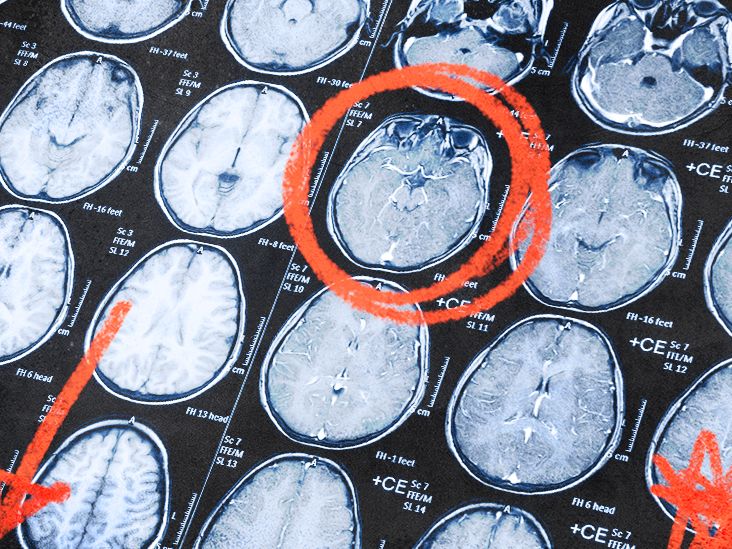
Parkinson’s disease is often pictured as a condition that causes shaking hands. Tremor is certainly one possible symptom, but it is only one piece of a much larger neurological puzzle. Long before an obvious tremor appears, a person may notice smaller handwriting, a weaker sense of smell, unusual movements during sleep, constipation, stiffness, or an arm that no longer swings naturally while walking.
These changes can be easy to dismiss. After all, plenty of things can make someone tired, stiff, constipated, or temporarily clumsy. The brain does not send a calendar invitation announcing, “Neurological symptoms begin Tuesday at 9:00 a.m.” Parkinson’s disease usually develops gradually, and its earliest signs may be subtle enough to blend into everyday life.
Recognizing possible symptoms does not mean diagnosing yourself. No single early sign proves that a person has Parkinson’s disease. A pattern of persistent changes, especially when they begin on one side of the body or slowly worsen, deserves a conversation with a healthcare professional.
What Is Parkinson’s Disease?
Parkinson’s disease is a progressive neurological disorder that affects movement and many functions that have nothing to do with movement. It develops when certain nerve cells in the brain become impaired or die, particularly dopamine-producing neurons in a region called the substantia nigra.
Dopamine acts as an important chemical messenger in the brain’s movement-control network. When dopamine-producing cells are lost, communication within that network becomes less efficient. Movements that once happened automaticallystarting to walk, swinging the arms, turning in bed, buttoning a shirtmay require more effort and concentration.
Researchers also associate Parkinson’s disease with abnormal accumulations of a protein called alpha-synuclein. These deposits, often found in structures known as Lewy bodies, are part of the disease’s biological story. Scientists are still investigating exactly why alpha-synuclein misfolds, spreads, and damages vulnerable cells.
Parkinson’s is progressive, meaning symptoms generally change over time. However, progression is highly individual. Two people diagnosed in the same year may have very different symptoms, treatment needs, and levels of independence years later.
Early Motor Signs of Parkinson’s Disease
Motor symptoms affect movement. They often begin subtly and may be more noticeable on one side of the body. A single symptom can have many explanations, but several persistent changes together may form a recognizable pattern.
1. Resting Tremor
A Parkinson’s tremor commonly begins in one hand, finger, foot, leg, or sometimes the jaw. It is often most noticeable when the affected body part is relaxed and may lessen during purposeful movement. A rhythmic rubbing motion between the thumb and index finger is sometimes described as a “pill-rolling” tremor.
Not everyone with Parkinson’s develops tremor, and not every tremor is Parkinson’s. Essential tremor, medication effects, anxiety, excess caffeine, thyroid disorders, and other conditions can also cause shaking.
2. Slowness of Movement
Bradykinesia, or slowness of movement, is a central feature of Parkinson’s disease. It can make ordinary activities feel as though someone quietly changed the body’s speed setting. Getting out of a chair may take longer. Buttons may become frustrating. A person may pause before taking the first step or need extra time to turn around.
Bradykinesia can also reduce spontaneous movements. Someone may blink less, gesture less while talking, or show fewer facial expressions even though their emotions have not changed.
3. Muscle Rigidity
Rigidity is persistent stiffness or resistance in the muscles. It may affect the arms, legs, shoulders, neck, or trunk. Unlike ordinary stiffness after gardening, exercising, or sleeping in a questionable position, Parkinson’s-related rigidity may continue despite movement and stretching.
The stiffness can cause aching, limit the range of motion, and contribute to a stooped posture. Some people initially visit an orthopedic specialist because shoulder pain or reduced arm movement seems like a joint problem.
4. Reduced Arm Swing
One arm may stop swinging as freely as the other while walking. This asymmetry can appear before more obvious movement problems. A family member may notice it first, perhaps while walking behind the person or reviewing a casual video.
5. Changes in Walking
Early gait changes may include shorter steps, slower walking, dragging one foot, or difficulty making quick turns. Later, some people develop a shuffling gait or episodes of freezing, in which the feet briefly feel stuck to the floor.
6. Smaller Handwriting
Micrographia is handwriting that becomes unusually small or crowded. A sentence may begin at a normal size and gradually shrink until the final words look as though they were written for an ant-sized reader. This change reflects reduced movement amplitude rather than poor penmanship alone.
7. A Softer or Flatter Voice
Speech may become quieter, less expressive, breathy, or harder to understand. The person speaking may believe their volume is normal and wonder why everyone suddenly keeps asking them to repeat themselves.
Early Non-Motor Signs
Parkinson’s disease is not solely a movement disorder. Non-motor symptoms may appear years before tremor, stiffness, or slowness becomes obvious. These symptoms are common in many other conditions, so they are clues rather than proof.
Loss or Reduction of Smell
A reduced sense of smell, called hyposmia, can be an early feature. Foods may seem less flavorful, flowers less fragrant, and the unfortunate mystery odor in the refrigerator less mysterious. Allergies, sinus infections, viral illnesses, nasal polyps, smoking, and aging can also reduce smell.
REM Sleep Behavior Disorder
During normal rapid eye movement sleep, the body’s major muscles are temporarily relaxed. In REM sleep behavior disorder, that protective paralysis is incomplete. A person may shout, kick, punch, jump, or physically act out vivid dreams.
This disorder has a meaningful association with Parkinson’s and related neurological conditions, but it requires medical evaluation. Sleep apnea, medications, post-traumatic stress, and other sleep disorders can produce nighttime behaviors that look similar.
Persistent Constipation
Constipation may occur long before movement symptoms. The nervous system helps regulate the digestive tract, and Parkinson’s-related changes can slow bowel activity. However, low fiber intake, dehydration, inactivity, medications, and many common medical conditions are far more frequent explanations.
Mood and Motivation Changes
Depression, anxiety, or apathy can develop before or after the motor symptoms of Parkinson’s. These experiences are not merely emotional reactions to receiving a diagnosis. Changes in brain chemistry and neurological circuits may contribute directly.
Dizziness When Standing
Some people experience a drop in blood pressure when they stand, known as orthostatic hypotension. It can cause lightheadedness, blurred vision, weakness, or fainting. Dehydration, heart conditions, blood pressure medications, and many other problems can produce the same symptom, so professional assessment is important.
Urinary, Sexual, and Temperature-Regulation Changes
Because Parkinson’s can affect the autonomic nervous system, some people develop urinary urgency, sexual dysfunction, excessive sweating, or difficulty tolerating temperature changes. These symptoms rarely point to Parkinson’s by themselves, but they may add context when movement changes are also present.
What Causes Parkinson’s Disease?
For most people, doctors cannot identify one definitive cause. These cases are described as idiopathic Parkinson’s disease. Current evidence suggests that the disorder usually results from a complex interaction among aging, genetic susceptibility, environmental exposures, and cellular processes.
Loss of Dopamine-Producing Neurons
The immediate biological problem is the progressive dysfunction and loss of dopamine-producing neurons. Researchers continue to study what makes these cells particularly vulnerable. Possible mechanisms include oxidative stress, chronic inflammation, impaired mitochondrial function, disrupted waste-removal systems, and abnormal protein handling.
Genetic Contributions
A minority of Parkinson’s cases can be linked strongly to inherited genetic variants. Genes associated with Parkinson’s or increased susceptibility include LRRK2, GBA, SNCA, PRKN, PINK1, and PARK7.
Having a genetic variant does not always mean a person will develop the disease. Some variants increase risk without guaranteeing illness, while others are more closely associated with inherited or young-onset forms. Genetic counseling can help people understand whether testing is appropriate and what a result wouldand would notreveal.
Environmental Influences
Research has found associations between Parkinson’s risk and certain environmental or occupational exposures, including some pesticides, herbicides, industrial solvents, and air pollutants. Trichloroethylene, commonly called TCE, has received growing attention because of possible links to Parkinson’s, although research is continuing.
An association does not prove that one exposure caused an individual’s disease. Dose, duration, timing, genetics, protective equipment, and combinations of exposures can all influence risk.
Major Parkinson’s Disease Risk Factors
Advancing Age
Age is the strongest established risk factor. Parkinson’s most often begins later in adulthood, although it can occur before age 50. Young-onset Parkinson’s may have a stronger genetic component and can present differently, sometimes beginning with dystonia or painful muscle contractions.
Sex
Parkinson’s disease is diagnosed more frequently in men than in women. Researchers are examining whether hormones, genetics, occupational exposures, biological differences, healthcare access, or combinations of these factors explain the difference.
Family History
Having a close biological relative with Parkinson’s can increase risk, particularly when several relatives are affected or symptoms began at a young age. Most people with an affected family member still do not inevitably develop the condition.
Pesticide and Solvent Exposure
Long-term occupational or residential contact with certain agricultural chemicals and industrial solvents has been associated with higher risk. Farmers, pesticide applicators, industrial workers, mechanics, and others who handle chemicals should follow safety instructions, use suitable protective equipment, and avoid bringing contaminated clothing into living spaces.
Head Injury
A history of traumatic brain injury, especially repeated injuries, may increase risk. This does not mean that one childhood bump or sports mishap predicts Parkinson’s. It does reinforce the value of helmets, seat belts, fall prevention, concussion care, and workplace safety.
Military-Related Toxic Exposure
Some veterans may have encountered herbicides, solvents, contaminated water, burn-pit emissions, or other toxic substances during service. The Department of Veterans Affairs recognizes Parkinson’s disease or parkinsonism as presumptively associated with certain qualifying exposures. Veterans with symptoms should discuss both medical evaluation and potential benefits with appropriate VA professionals.
Risk Is Not Destiny
A risk factor changes probability; it does not write the ending. Someone can have several risk factors and never develop Parkinson’s, while another person may be diagnosed without any known family history or notable toxic exposure.
Can Parkinson’s Disease Be Prevented?
There is currently no proven method that guarantees prevention. Some population studies have found associations between Parkinson’s risk and factors such as physical activity, caffeine, diet, smoking, or blood urate levels. These observations do not justify using tobacco, excessive caffeine, supplements, or unapproved drugs as preventive treatments.
Sensible health measures still matter. Regular physical activity supports cardiovascular health, balance, mobility, sleep, and brain function. A varied diet built around vegetables, fruits, whole grains, legumes, fish, and healthy fats can support general health. Wearing protective equipment, reducing avoidable chemical exposure, and receiving proper treatment after head injuries are also reasonable precautions.
People who work with pesticides or solvents should follow occupational safety guidance rather than relying on improvised masks or the optimistic theory that “it probably won’t splash today.”
How Parkinson’s Disease Is Diagnosed
There is no single routine blood test, scan, or questionnaire that independently confirms Parkinson’s disease. Diagnosis is primarily clinical. A neurologist reviews the person’s symptoms, medical history, medication use, family history, and pattern of progression before performing a detailed neurological examination.
The examination may assess movement speed, muscle tone, tremor, balance, walking, posture, coordination, eye movements, facial expression, and response to specific tasks. Blood tests or brain imaging may be ordered to rule out conditions that can imitate Parkinson’s.
In selected cases, specialized imaging of the brain’s dopamine system may support the evaluation. It does not replace an experienced clinical assessment and cannot resolve every distinction between Parkinson’s disease and other forms of parkinsonism.
Symptoms similar to Parkinson’s can result from medications, strokes, normal-pressure hydrocephalus, essential tremor, multiple system atrophy, progressive supranuclear palsy, dementia with Lewy bodies, or other neurological disorders. That is why a movement-disorder specialist can be especially valuable when the diagnosis is uncertain.
When to Talk With a Doctor
Schedule an appointment when a movement or non-movement symptom persists, worsens, interferes with daily life, or appears together with other neurological changes. Examples include:
- A new resting tremor, particularly on one side
- Increasing stiffness or unexplained slowness
- A reduced arm swing or persistent foot dragging
- Repeated falls, freezing, or balance problems
- Progressively smaller handwriting or softer speech
- Dream-enacting behavior that could injure the sleeper or a bed partner
- Loss of smell combined with constipation, mood changes, or movement symptoms
Sudden weakness, facial drooping, severe headache, confusion, loss of coordination, or abrupt speech difficulty can indicate a stroke or another emergency rather than typical Parkinson’s progression. Seek emergency medical help immediately for sudden neurological symptoms.
Keeping a symptom diary can make an appointment more productive. Record when each change began, whether it affects one or both sides, what makes it better or worse, and whether family members have noticed changes. A brief video of an intermittent tremor or unusual walking episode may also help a clinician understand what is happening.
Experiences Related to Early Parkinson’s: What Subtle Changes Can Feel Like
The following composite experience reflects patterns commonly described by people evaluated for Parkinson’s disease. It is not the story of one identifiable patient, and it should not be used as a diagnostic checklist.
The Changes That Are Easy to Explain Away
Imagine a 62-year-old office manager named Daniel. He first notices that his right shoulder feels tight. He assumes it is an old tennis injury, although his tennis racket has spent the past three years enjoying a peaceful retirement in the garage. Stretching helps briefly, but the stiffness keeps returning.
Several months later, Daniel’s spouse notices that his right arm barely swings when they walk. Daniel does not feel ill, and he is still working, driving, shopping, and doing household chores. He simply seems slower. He takes longer to put on a jacket and occasionally struggles to roll over in bed.
At work, his handwritten notes become smaller. He blames rushed meetings and cheap pens. Coworkers sometimes ask him to speak up during conference calls. He jokes that everyone else needs better speakers.
The Non-Movement Clues
Looking backward, Daniel realizes that his sense of smell weakened several years earlier. He had assumed it was aging or seasonal allergies. Constipation also became more frequent. Neither symptom seemed worth connecting to his shoulder stiffness or handwriting.
His spouse then reports that he sometimes shouts or swings an arm while dreaming. Once, he knocks a pillow from the bed while apparently fighting an invisible opponent. Because dream-enacting behavior can lead to injuries, they bring it up during a medical appointment rather than laughing it off as unusually enthusiastic sleep.
The Moment That Prompts an Evaluation
One evening, Daniel notices a gentle movement in his right thumb while his hand rests in his lap. The tremor stops when he reaches for a glass. It returns a few days later. The combination of one-sided stiffness, reduced arm swing, smaller handwriting, slower movement, and intermittent resting tremor convinces him to schedule an evaluation.
His primary care clinician reviews his medications, checks for other possible causes, and refers him to a neurologist. The neurologist observes his walking, tests muscle tone, watches repetitive finger movements, and asks detailed questions about sleep, mood, digestion, smell, and daily activities.
What Early Diagnosis Changes
A diagnosis does not instantly answer every question, and it can bring fear, frustration, or relief. For Daniel, the most useful change is that unexplained symptoms finally have a framework. He and his healthcare team can discuss medication, exercise, physical therapy, speech therapy, sleep safety, and long-term planning based on his priorities.
He begins a structured exercise program instead of simply telling himself to “move more someday.” A physical therapist helps him practice larger, more deliberate movements. A speech-language pathologist teaches strategies for maintaining vocal strength. His spouse adds padding near the bed and removes objects that could cause injury during dream-enacting episodes.
Most importantly, Daniel learns that Parkinson’s does not erase his abilities overnight. He remains a spouse, colleague, neighbor, and enthusiastic maker of overly complicated weekend breakfasts. The diagnosis becomes part of his life, but it does not become the definition of his life.
Lessons From the Experience
Early Parkinson’s often reveals itself as a collection of small changes rather than one dramatic event. One symptom alone may mean very little. A persistent patternespecially one-sided slowness, stiffness, tremor, or reduced movementprovides more useful information.
Family observations can be valuable because gradual changes may be easier for others to see. Bringing those observations to a medical appointment is not overreacting. It is sharing evidence. At the same time, no internet article, symptom quiz, or smart watch can replace a neurological examination.
Conclusion
Parkinson’s disease is a complex neurological condition with motor and non-motor symptoms. Early signs can include resting tremor, slowness, stiffness, reduced arm swing, smaller handwriting, softer speech, loss of smell, constipation, mood changes, and REM sleep behavior disorder.
The disease usually cannot be traced to one cause. Aging is the strongest recognized risk factor, while genetics, family history, head injury, pesticides, industrial solvents, air pollution, and other environmental influences may contribute to susceptibility.
Recognizing possible signs is useful; assuming that every shaky hand or stiff shoulder is Parkinson’s is not. Persistent or progressive changes should be evaluated by a healthcare professional, preferably a neurologist or movement-disorder specialist when appropriate. Earlier evaluation can clarify the diagnosis, rule out treatable alternatives, and connect a person with therapies that support movement, communication, safety, independence, and quality of life.