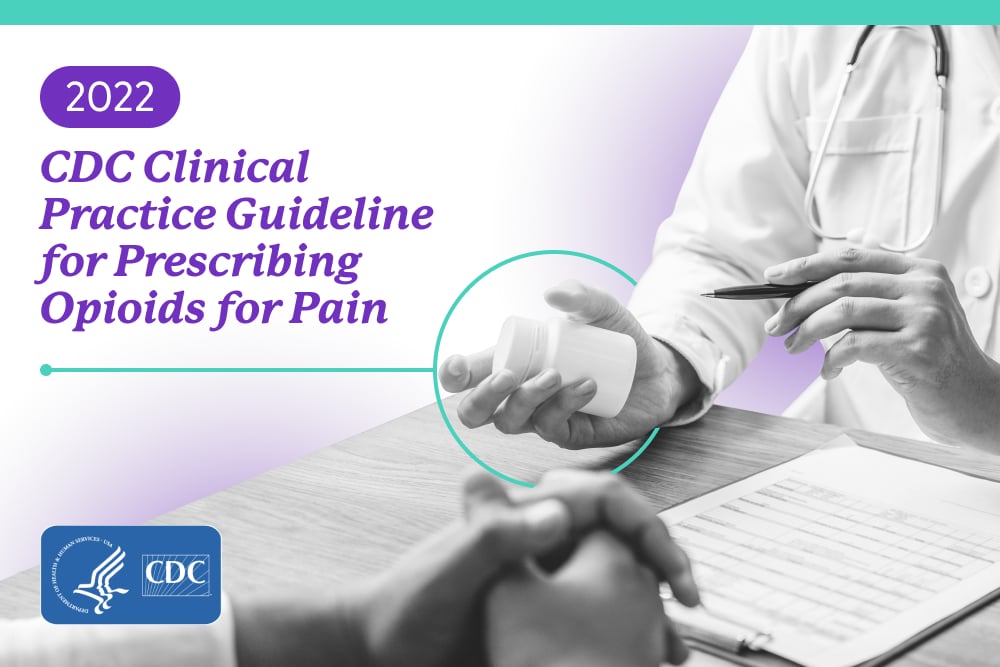
Pain is not just a symptom; it is a life interrupter. It can steal sleep, shrink social calendars, slow careers, and turn simple errands into Olympic events nobody trained for. At the same time, opioid medications can be both valuable and risky. For some patients, they provide meaningful relief when other treatments are not enough. For others, they may bring side effects, dependence, misuse risk, or worse. That is why the modern conversation around pain care is not “opioids good” or “opioids bad.” Real medicine is rarely that tidy. The better goal is balance: use research, clinical judgment, patient stories, and safety tools to reduce pain while protecting long-term health.
Safe opioid prescribing is not about denying people care. It is about delivering the right care, at the right time, for the right reason, with the right follow-up. It asks clinicians to respect pain, avoid cookie-cutter rules, and choose treatments based on evidence instead of fear, habit, or pressure. The ultimate target is not merely a lower pain score. It is better function, better sleep, safer medication use, and a better quality of life.
Why Pain Care Needs Both Compassion and Evidence
Chronic pain affects millions of adults in the United States and remains one of the most common reasons people seek medical care. It can be linked to arthritis, back injuries, nerve damage, surgery, cancer, autoimmune conditions, migraine, trauma, and many other causes. Pain also has emotional and social layers. A person who cannot work, exercise, sleep, or enjoy family life may experience anxiety, depression, isolation, and financial stress. Telling that person to “just relax” is about as helpful as handing an umbrella to someone already standing waist-deep in a flood.
Research helps clinicians see beyond guesswork. It compares treatments, tracks harms, identifies which patients may benefit from certain therapies, and points toward safer alternatives. Yet research alone cannot replace the patient sitting in the exam room. Two people with the same MRI scan may have very different pain experiences. One may improve with physical therapy and anti-inflammatory medication. Another may need a broader plan involving behavioral therapy, injections, nerve pain medication, sleep support, and short-term opioid therapy after a procedure.
The best pain care blends evidence with individualization. It recognizes that guidelines are guideposts, not handcuffs. Clinicians should use them to improve decision-making while still listening carefully to the patient’s goals, medical history, risks, and daily reality.
The Role of Opioids in Modern Pain Treatment
Opioids are prescription medications that act on opioid receptors in the body and brain to reduce the perception of pain. They may be used for severe acute pain, cancer-related pain, palliative care, end-of-life care, and carefully selected cases of chronic pain. In the right setting, they can be a legitimate medical tool. Like a chainsaw, they are useful when handled properly and a terrible idea when used casually.
However, opioids carry well-known risks. These include sedation, constipation, nausea, falls, hormonal changes, tolerance, physical dependence, opioid use disorder, slowed breathing, and overdose. Risks may increase when opioids are combined with alcohol, benzodiazepines, sleep medications, or other substances that depress the central nervous system. This is why safe opioid prescribing requires more than writing a prescription. It requires assessment, communication, monitoring, and a plan.
What Safe Opioid Prescribing Actually Means
Safe opioid prescribing begins before the first pill is prescribed. A clinician should evaluate the pain condition, review medical history, check current medications, screen for risk factors, discuss treatment goals, and explain benefits and risks in plain language. The conversation should not sound like a legal disclaimer read at auction speed. Patients deserve to know what the medication may help, what it will not fix, and what warning signs require attention.
Start with Clear Goals
A strong pain plan focuses on function, not only pain intensity. Instead of aiming for “zero pain,” which may not be realistic for many chronic conditions, the goal might be walking the dog for 15 minutes, returning to work part time, sleeping six hours, cooking dinner, or attending a child’s school event. These goals make treatment measurable and meaningful.
Use the Lowest Effective Intensity of Care
For many types of acute and chronic pain, nonopioid options should be considered first. These may include acetaminophen, nonsteroidal anti-inflammatory drugs when appropriate, certain antidepressants or anticonvulsants for nerve-related pain, topical medications, physical therapy, exercise therapy, cognitive behavioral therapy, weight management, sleep improvement, acupuncture, mindfulness-based strategies, or interventional procedures. The menu is larger than many people realize, and no, “drink more water” is not the entire medical plan.
Prefer Careful Follow-Up Over Autopilot Refills
When opioids are used, follow-up matters. Clinicians should reassess pain, function, side effects, mood, medication use, and safety concerns. If the medication is not improving function or is causing harm, the plan should change. That may mean adjusting the treatment approach, adding nonopioid therapies, consulting a specialist, or carefully tapering when appropriate. Abrupt discontinuation can create harm, especially for patients who have used opioids long term, so changes should be patient-centered and clinically supervised.
Research Is Moving Pain Care Beyond Old Assumptions
For years, pain treatment often leaned heavily on medications because they were familiar, fast to prescribe, and easier to fit into short appointments. Research is changing that model. Studies increasingly support a multimodal approach, meaning several treatments are combined to address different parts of pain. This may include movement-based therapy, behavioral health, nonopioid medications, procedures, self-management education, and social support.
Modern pain research also examines why acute pain becomes chronic. This is a crucial question. If clinicians can identify early warning signs, they may be able to prevent long-term disability before pain becomes deeply wired into daily life. Researchers are also exploring nonaddictive pain treatments, nerve-targeted therapies, digital health tools, neuromodulation, improved surgical recovery protocols, and personalized medicine based on patient characteristics.
The future of pain care is not simply “more pills” or “fewer pills.” It is smarter care. It asks which treatment works, for whom, under what conditions, at what cost, and with what risks. That kind of research may not fit neatly into a dramatic headline, but it is exactly what patients need.
Patient-Centered Care: The Missing Ingredient in Many Pain Plans
Safe prescribing can fail when clinicians treat policies instead of people. Patients with chronic pain often report feeling dismissed, judged, or trapped between two fears: uncontrolled pain on one side and medication risk on the other. A patient-centered approach avoids both extremes. It validates pain while still taking safety seriously.
Patient-centered opioid prescribing includes shared decision-making. That means the clinician explains options and the patient shares goals, concerns, previous treatment experiences, work demands, family responsibilities, and personal values. A construction worker recovering from surgery, a retired teacher with spinal stenosis, and a young parent with autoimmune pain may all need different plans. Safe care should fit the person, not just the diagnosis code.
Risk Reduction Without Stigma
Risk reduction is not an accusation. It is standard safety practice. Checking a prescription drug monitoring program, discussing secure medication storage, avoiding risky medication combinations, screening for substance use disorder, and considering naloxone for overdose reversal are all examples of practical safeguards. These steps should be presented respectfully, the same way clinicians discuss seat belts, smoke alarms, or sunscreen. Nobody says, “You must be planning to crash because you wore a seat belt.”
Stigma can make patients hide concerns, skip appointments, or avoid asking for help. A safer system encourages honesty. If a patient is taking more medication than prescribed, feeling cravings, mixing substances, or struggling emotionally, the response should be medical support, not moral judgment. Opioid use disorder is treatable, and evidence-based treatment can save lives.
Examples of Balanced Pain Care in Practice
Example 1: Acute Surgical Pain
A patient has surgery and expects moderate to severe pain for several days. A balanced plan may include scheduled nonopioid medication when safe, ice or elevation if appropriate, clear activity instructions, and a limited opioid prescription for breakthrough pain. The clinician explains when to call, how to avoid combining sedating substances, and how to transition away from opioids as healing improves. The goal is not to prove toughness. The goal is recovery without unnecessary exposure.
Example 2: Chronic Low Back Pain
A patient has chronic low back pain that worsens after long periods of sitting. Instead of relying only on medication, the care plan may include physical therapy, core strengthening, ergonomic changes, sleep improvement, stress management, nonopioid medication, and periodic reassessment. If opioids are considered, the clinician and patient define functional goals and safety boundaries before continuing long term.
Example 3: Severe Arthritis
A patient with advanced arthritis may need a combination of weight management, strengthening exercises, topical medication, oral nonopioid medication when safe, joint injections, assistive devices, and possible surgical referral. Opioids may not be the first or best long-term solution, but the patient’s pain should still be taken seriously. Balanced care means not ignoring suffering just because one treatment option carries risk.
How Clinicians Can Improve Opioid Prescribing
Clinicians can improve safe prescribing by building systems, not relying on memory alone. Electronic health record prompts, team-based care, pharmacist support, behavioral health integration, and standardized follow-up workflows can reduce missed risks. Training also matters. Many clinicians receive limited education in pain management, addiction medicine, and communication around difficult medication decisions. Better education can reduce both overprescribing and undertreating pain.
Good opioid stewardship also includes careful documentation. The record should show the reason for treatment, expected duration, patient goals, informed consent, risk assessment, follow-up plan, and changes over time. Documentation is not just paperwork; it is a map of clinical reasoning.
How Patients Can Participate in Safer Pain Care
Patients are not passengers in pain care. They are co-pilots, even if the flight has turbulence and the snack cart is missing. Patients can help by describing pain clearly: where it is, when it started, what worsens it, what improves it, and how it affects daily life. They should share all medications, supplements, alcohol use, sleep issues, mood changes, and previous experiences with pain treatments.
Patients can also ask practical questions: What is the goal of this medication? How long should I use it? What side effects should I watch for? What nonopioid treatments could help? When should we reassess? What should I do if pain is not improving? These questions support safer, more transparent care.
Quality of Life Is the Real Finish Line
Pain care should not be judged only by a number from zero to ten. A person may still have pain but experience a better life because they can sleep, move, work, socialize, and feel hopeful again. That is why quality of life must remain central. Research can measure outcomes, but patients live them. A balanced prescribing strategy honors both.
Reducing pain while improving safety is not easy, but it is possible. It requires humility from researchers, patience from clinicians, honesty from patients, and health systems that allow enough time for thoughtful care. Opioids may have a role, but they should never be the whole story. The best pain care is comprehensive, compassionate, evidence-informed, and flexible enough to meet real human needs.
Experiences Related to Balancing Research with Safe Opioid Prescribing
In real-world pain care, the most valuable lessons often come from the space between the research paper and the exam room. A guideline may say that nonopioid therapies are preferred for many chronic pain conditions, but a patient may arrive after months of failed treatments, poor sleep, and mounting frustration. The clinician’s job is not to recite a guideline like a robot wearing a white coat. The job is to translate evidence into a plan the patient can actually follow.
One common experience involves patients who fear being labeled as “drug-seeking” simply because they are asking for relief. This fear can damage trust before treatment even begins. A better approach is to acknowledge the pain first, then discuss safety. For example, a clinician might say, “I believe you are hurting. My goal is to help you function better while also keeping you safe.” That sentence may sound simple, but it can lower defensiveness and open the door to shared decision-making.
Another frequent experience involves patients who expect opioids after an injury or procedure because that is what happened years ago. Research has helped shift those expectations. Many acute pain episodes can be treated with a combination of nonopioid medications, local measures, movement guidance, and short-term rescue medication only when necessary. Patients often accept this plan when the reasoning is explained clearly. Nobody likes being told “no” without context. People are far more likely to cooperate when they understand the “why.”
Clinicians also learn that tapering long-term opioids requires caution and empathy. A rushed taper can worsen pain, anxiety, withdrawal symptoms, and distrust. A thoughtful taper, when needed, is slower, collaborative, and supported by other treatments. The experience is less like flipping a switch and more like dimming a light carefully so nobody trips over the furniture.
Team-based care often produces better results than isolated prescribing. A primary care clinician may coordinate with a physical therapist, behavioral health specialist, pharmacist, pain specialist, or addiction medicine provider. Each professional sees a different piece of the puzzle. Physical therapy may improve strength and mobility. Behavioral therapy may reduce fear of movement and improve coping. A pharmacist may identify risky medication combinations. A pain specialist may offer interventional options. Together, the team can reduce reliance on any single treatment.
Patients’ lived experiences also remind us that quality of life is personal. One patient may want to garden again. Another may want to sit through a movie without shifting every five minutes. Another may want to return to work or pick up a grandchild. These goals matter because they turn abstract pain management into real progress. Safe opioid prescribing works best when it is tied to these concrete outcomes.
The biggest experience-based lesson is that balance is not a one-time decision. It is an ongoing process. Pain changes, health changes, risks change, and research changes. A responsible plan today may need adjustment tomorrow. That is not failure. That is good medicine staying awake at the wheel.
Conclusion
Balancing research with safe opioid prescribing is one of the most important challenges in modern pain care. Patients deserve relief, dignity, and hope. They also deserve protection from avoidable harm. The strongest approach is not driven by fear or by automatic prescribing, but by evidence, communication, monitoring, and individualized care. When clinicians combine research with compassion, opioid therapy can be used more safely, nonopioid options can be expanded, and patients can move closer to what matters most: living better, not just hurting less.
SEO Tags
Note: This article is for general educational publishing purposes only and is not a substitute for professional medical advice, diagnosis, or treatment. Patients should consult a licensed healthcare professional for personal pain management decisions.