Buying a kids bike sounds simple until you discover that “small,” “medium,” and “big kid” are not actual bike sizes, your child has grown two inches since breakfast, and every product page seems to promise “confidence,” “freedom,” and “adventure” while quietly hiding the bike weight in the basement. The right kids bike is not just the cutest one in the garage. It is the bike your child can control, stop, lift, steer, and love enough to ride again tomorrow.
This guide breaks down six favorite kids bikes for different ages and stages, from wobbly toddlers on balance bikes to older riders ready for gears, trails, school commutes, and neighborhood laps that mysteriously end at the snack drawer. The goal is not to crown one magical bicycle for every child. Kids are built differently, ride differently, and complain differently. A great bike for a fearless dirt-jump gremlin may be too much for a cautious sidewalk cruiser. A budget-friendly first bike may be perfect for short rides, while a lightweight premium bike can make a huge difference for children who ride often.
Before choosing a model, remember three rules: fit matters more than age, weight matters more than most parents think, and brakes should be easy for small hands to use. Age ranges are helpful, but height and inseam are better. A child should be able to stand over the frame comfortably and reach the handlebars and brake levers without stretching like a tiny yoga instructor. For beginners, being able to place feet flat on the ground while seated can make starting and stopping much less scary.
How to Choose the Best Kids Bike
Start With Wheel Size, But Do Not Stop There
Kids bikes are usually sized by wheel diameter: 12-inch, 14-inch, 16-inch, 20-inch, 24-inch, and sometimes 26-inch for tweens and teens. That is useful, but not complete. Two bikes with the same wheel size can fit very differently because of frame design, minimum seat height, crank length, handlebar reach, and overall geometry. A low step-through frame can help nervous riders. Short-reach brake levers can help little hands. A lightweight frame can turn “I can’t” into “watch me!” faster than a motivational poster.
Think About Where the Bike Will Actually Be Ridden
A child who rides around flat sidewalks does not need the same bike as a child tackling dirt paths, pump tracks, or family trail rides. For casual neighborhood riding, simplicity is your friend: one speed, low weight, easy braking, and comfortable upright geometry. For hills, longer rides, or adventurous terrain, gears become more useful. For real mountain biking, tires, brakes, suspension quality, and frame weight matter a lot.
A Helmet Is Not Optional
Every child should wear a properly fitted bike helmet on every ride, even if the ride is “just to the mailbox.” The mailbox has seen things. Look for a helmet certified to meet U.S. Consumer Product Safety Commission standards, adjust it so it sits level, and make sure the straps form a snug V under the ears. A good helmet habit starts early, ideally before your child develops strong opinions about socks, broccoli, and physics.
Quick Comparison: 6 Favorite Kids Bikes
| Bike | Best For | Typical Stage | Why Parents Like It |
|---|---|---|---|
| Strider 12 Sport | Toddlers learning balance | About 18 months to 4 years | Simple, light, adjustable, low maintenance |
| woom GO 2 | First pedal-bike riders | About 3 years and up | Very light, confidence-building geometry |
| Prevelo Alpha Two | Young riders ready for a serious 16-inch bike | About 4 to 6 years | Low seat height, kid-specific parts, smooth handling |
| Guardian 20 Inch | Neighborhood riders and safety-focused families | About 5 to 8 years | Single-lever SureStop braking system |
| Specialized Jett | Growing kids who need adjustability | About 5 to 10 years, depending on size | Adjustable cockpit, cranks, and seat range |
| Trek Precaliber 24 | Older kids riding paths, school routes, and light dirt | About 8 to 12 years | Bike-shop support, gears, versatile design |
1. Strider 12 Sport: Best Balance Bike for Toddlers
The Strider 12 Sport is one of the classic first bikes for toddlers, and for good reason. It has no pedals, no chain, no gears, and no dramatic mechanical opera happening near tiny ankles. A child simply sits, walks, scoots, glides, and gradually discovers balance. That balance-first approach is why many families skip training wheels entirely.
This bike is especially good for young kids who are curious but not yet ready for a pedal bike. The adjustable seat and handlebar help it grow with a child through the early riding years. Foam tires reduce maintenance because there are no flats to fix, which is excellent news for parents who do not want to learn tube repair while a toddler shouts “again!” in the driveway.
The Strider is not the plushest or most advanced balance bike, and it usually does not include a hand brake. That means it is best for flat areas, slow speeds, and supervised learning. Still, as a first step into cycling, it keeps the process simple. Kids learn steering and balance without also needing to master pedaling, braking, and parental panic at the same time.
Best For
Toddlers and preschoolers who are just beginning to ride, especially families who want a durable, low-maintenance balance bike.
2. woom GO 2: Best First Pedal Bike for Small Riders
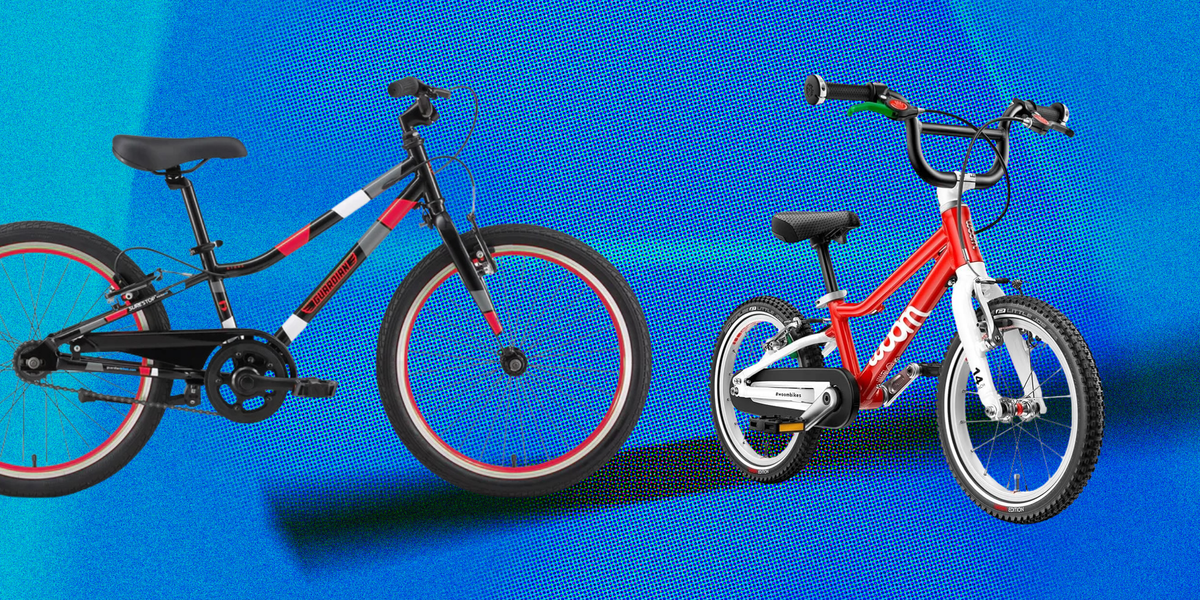
The woom GO 2 is a 14-inch pedal bike built for young riders who are ready to move beyond gliding. It is popular because it focuses on the things that matter most at this stage: low weight, approachable fit, stable handling, and child-friendly components. In plain parent language, it is designed so the bike does not feel like a refrigerator with wheels.
Lightweight bikes matter for kids because children are small engines. A heavy bike makes starting harder, stopping clumsier, and hills feel like punishment for crimes they did not commit. The woom GO 2 gives new pedalers a better chance to control the bike instead of being controlled by it. The upright position also helps children see where they are going, which is useful when “where they are going” is sometimes directly toward a shrub.
This bike is a strong choice for kids who have already used a balance bike and are ready to pedal. Some children make the transition quickly, especially if they already understand balance. Others need time, patience, and possibly a celebratory snack economy. The woom GO 2 is not the cheapest option, but its design quality and resale value make it appealing for families who want a premium first pedal bike.
Best For
Small riders around preschool age who are ready for their first real pedal bike and need a light, confidence-building ride.
3. Prevelo Alpha Two: Best 16-Inch Bike for Confident Beginners
The Prevelo Alpha Two is a 16-inch kids bike aimed at young riders who are moving from “I can pedal!” to “I can pedal, turn, stop, and maybe race Dad to the corner.” It is designed with a low minimum seat height, kid-friendly geometry, and quality parts that make riding feel smooth instead of twitchy.
One of the Alpha Two’s biggest strengths is fit. A low frame and thoughtful geometry help children feel secure, especially when starting and stopping. That matters because many early biking wipeouts do not happen at high speed. They happen during awkward starts, surprise stops, and moments when a child forgets that feet are available.
The bike also uses parts sized for children, not leftover adult-bike components shrunk in theory but not in spirit. Short-reach brake levers, sensible gearing, and a stable riding position all make a difference. For parents who want a high-quality 16-inch bike that can handle pavement, packed dirt, and family rides, the Prevelo Alpha Two is a serious contender.
Best For
Kids around 4 to 6 years old who are ready for a capable 16-inch bike and may ride more than just the occasional lap around the driveway.
4. Guardian 20 Inch: Best Safety-Focused Kids Bike
The Guardian 20 Inch bike stands out because of its SureStop braking system, which uses one brake lever to control both wheels in a balanced way. For kids who are still learning how to brake confidently, this can simplify stopping. Instead of asking a young rider to understand front brake, rear brake, traction, weight transfer, and the emotional consequences of panic-grabbing a lever, Guardian makes braking easier to manage.
That safety-first design is the main reason many parents love Guardian. It is especially useful for children graduating to 20-inch bikes, where speeds get a little faster and rides get a little longer. Some Guardian 20-inch models include gears, which can help children handle hills and longer neighborhood routes. The brand also focuses on kid-friendly geometry and approachable sizing.
The Guardian is a great option for families who want practical safety features without turning every ride into a lecture series called “Physics and You.” It is not necessarily the lightest bike in the category, and serious trail riders may want something more specialized. But for everyday riding, school routes, bike paths, and neighborhood adventures, it offers a reassuring combination of control and comfort.
Best For
Kids around 5 to 8 years old who ride around neighborhoods, parks, and paths, especially if easy braking is a top priority.
5. Specialized Jett: Best Adjustable Kids Bike for Growth Spurts
The Specialized Jett is built around a problem every parent knows too well: kids grow at the speed of streaming-service price increases. One month the bike fits. The next month your child looks like a circus bear on a tricycle. The Jett addresses this with multiple adjustment points, including handlebar reach, seat height, and crank positioning on some models.
This adjustability can extend the useful life of the bike, which is important when buying a quality kids bike. A proper fit helps children pedal more efficiently and ride with better control. The Jett is available in sizes that serve different age ranges, including 20-inch and 24-inch options, making it a flexible choice for children who are growing quickly but still need a bike that feels properly scaled.
The Jett is especially good for families who want one bike to last through more of a child’s growth window. It also works well for kids who ride frequently enough that comfort and fit really matter. While no bike can defeat childhood growth forever, the Jett gives parents more room to adjust before the inevitable day when the child announces, “This bike is for babies,” despite riding it happily 11 minutes earlier.
Best For
Growing kids who need a lightweight, adjustable bike for neighborhood rides, longer paved paths, and everyday adventures.
6. Trek Precaliber 24: Best Big-Kid Bike for Paths and Light Dirt
The Trek Precaliber 24 is a popular choice for older kids who are ready for a more grown-up riding experience. With 24-inch wheels, multiple gears, and a design that works for pavement, paths, and light dirt, it fits the stage where biking becomes more than learning. It becomes transportation, independence, exercise, and an excuse to ask whether friends can come over.
One advantage of Trek is bike-shop support. For many families, buying from a local shop means easier sizing help, assembly, tune-ups, and repairs. That can be valuable when a bike is used often or passed down to siblings. The Precaliber 24 is not a full-on mountain bike for aggressive trail riding, but it is well suited to mixed everyday use: school commutes, paved paths, park loops, gravel shortcuts, and mild dirt trails.
At this age, gears become more useful because kids can ride farther and encounter more varied terrain. Learning to shift also gives older children a sense of control and responsibility. Will they shift perfectly at first? Absolutely not. Will they shift 37 times in one block because clicking is fun? Almost certainly.
Best For
Older kids around 8 to 12 years old who need a versatile bike for everyday riding, family paths, and light off-road exploring.
What Makes a Kids Bike Worth the Money?
A good kids bike is not always the most expensive one, but it should make riding easier, safer, and more fun. The biggest upgrade is usually weight. Many cheap kids bikes are surprisingly heavy. A 35-pound child on a 25-pound bike is like an adult riding something shaped suspiciously like patio furniture. Lightweight bikes are easier to start, steer, lift over curbs, and recover when balance gets wobbly.
Good brakes are another major feature. Small hands need brake levers they can actually reach and pull. Some children do fine with coaster brakes, while others learn better with hand brakes. As kids get older and ride faster, quality hand brakes become increasingly important. Tires also matter. Smooth tires roll easily on pavement, while wider or knobbier tires add grip on dirt and gravel.
Fit is the final deal-maker. Do not buy a bike that is far too big “so they can grow into it.” A bike that is too large can feel scary and be harder to control. It may save money later, but it can ruin confidence now. A properly fitting bike gets ridden more, and a bike that gets ridden more delivers better value than a too-big bargain gathering dust next to the scooter graveyard.
Age-by-Age Kids Bike Sizing Guide
Ages 18 Months to 3 Years
Most children in this stage do best on a 12-inch balance bike. Look for a low seat height, easy adjustability, and low weight. The child should be able to sit with feet flat or nearly flat on the ground. Keep rides short, cheerful, and helmeted.
Ages 3 to 5 Years
This is often the transition stage from balance bike to first pedal bike. Many kids fit 14-inch or 16-inch bikes, depending on height and inseam. Avoid rushing the move to pedals. If a child is gliding confidently, steering well, and stopping safely, pedaling usually comes much more naturally.
Ages 5 to 8 Years
Many kids move into 18-inch or 20-inch bikes. At this point, riding style matters more. A cautious child may prefer an upright single-speed bike. A more adventurous rider may benefit from wider tires, gears, or a bike designed for light trail use.
Ages 8 to 12 Years
Older kids often ride 24-inch bikes, and taller preteens may move toward 26-inch youth or adult extra-small frames. Gears, stronger brakes, and better tires become more important as rides get longer and faster. This is also the stage where a child may develop opinions about color, style, brand, and whether the bike looks “cool,” a technical term meaning “not embarrassing in front of friends.”
Real-World Experience: What Parents Learn After Buying Kids Bikes
The first thing many parents learn is that the best kids bike is the one that removes excuses. If the bike is too heavy, the child complains before the ride begins. If the seat is too high, every stop becomes a trust fall. If the brakes are hard to squeeze, the parent spends the entire ride jogging behind the bike like a panicked security detail. A well-fitting bike does not magically create a Tour de France champion, but it does make the first ten minutes of every ride much less dramatic.
Another real-world lesson: sidewalks are not as smooth as they look from adult height. Tiny bumps, driveway lips, gravel patches, wet leaves, and mystery sticks become major events for small riders. That is why stable geometry and appropriate tires matter. A nervous beginner may need a low bike with easy foot placement more than fancy features. An adventurous child may quickly outgrow a basic bike if they want to ride pump tracks, dirt paths, or family trails.
Parents also discover that kids do not learn in a straight line. One day they glide like a champion. The next day they forget how steering works and accuse the bike of betrayal. This is normal. Short, positive sessions work better than long forced practice. Choose a quiet parking lot, empty basketball court, school blacktop, or flat path. Start with balance and braking before speed. Celebrate tiny wins. “You stopped without using the neighbor’s hedge” is absolutely a milestone.
For first pedal bikes, removing pressure is key. If a child used a balance bike, the transition can be surprisingly quick. Many children only need help launching, then suddenly they are pedaling away while the parent stands there holding a wrench, emotionally unprepared. Other children need several sessions. Avoid comparing siblings or friends. Bike confidence is personal. Some kids are rockets. Some are cautious accountants of risk. Both can become happy riders.
Maintenance is another experience parents should not ignore. Tires need air. Bolts need occasional checks. Chains need cleaning and lubrication. Brake pads wear down. Seats mysteriously rotate sideways after “I didn’t do anything.” A quick monthly bike check can prevent mid-ride disasters. Before each ride, do a simple ABC check: air in the tires, brakes working, chain moving smoothly. It takes less than a minute and can save a lot of sidewalk negotiations.
Finally, the emotional value of a good kids bike is bigger than the spec sheet. A bike is often a child’s first taste of independence. It turns a driveway into a racetrack, a park path into an expedition, and a family ride into a rolling comedy show. The right bike helps children build balance, coordination, confidence, and resilience. They learn that falling is not the end, stopping is a skill, and hills are rude but beatable.
Final Buying Tips
Measure your child before buying. Check height, inseam, and the brand’s size chart. Whenever possible, test ride the bike or buy from a retailer with a good return policy. Prioritize fit, weight, braking, and the kind of riding your child actually does. A beautiful mountain-style bike with heavy suspension may look exciting, but if your child only rides flat sidewalks, it may be unnecessary weight. On the other hand, if your kid is already eyeing dirt jumps with suspicious confidence, a more capable bike can be worth it.
Also consider resale value. Quality kids bikes often hold value better because they are lighter, more durable, and easier to pass down. If the upfront price feels steep, think in terms of use. A bike ridden three times a week for two years is not expensive in the same way as a bike that lives permanently under a tarp next to a forgotten inflatable pool.
Conclusion
Choosing from the best kids bikes is really about matching the bike to the child’s age, size, confidence, and riding style. The Strider 12 Sport is a smart start for toddlers learning balance. The woom GO 2 makes first pedaling feel less intimidating. The Prevelo Alpha Two gives young riders a polished 16-inch option. The Guardian 20 Inch adds safety-focused braking for everyday adventures. The Specialized Jett helps growing kids stay comfortable longer. The Trek Precaliber 24 gives older riders a versatile platform for paths, school rides, and light dirt.
The perfect kids bike is not the one with the flashiest paint or the longest product description. It is the one your child can control, stop, and ride with a grin. Get the fit right, keep the helmet buckled, start with manageable rides, and leave room for snacks. In childhood cycling, snacks are not a detail. Snacks are infrastructure.
Note: This article is based on current U.S. bicycle safety guidance, child bike sizing principles, manufacturer specifications, and hands-on kids bike review practices from reputable cycling and family safety resources.