Note: This article is written from publicly available design, architecture, studio, and real-estate information, synthesized into original editorial content for web publication.
A Canyon House That Refuses to Behave Like a Showroom
Some homes introduce themselves with a marble foyer and a chandelier that looks as if it requires its own insurance policy. Commune’s Nichols Canyon project takes a different route. It greets you like a friend who owns very good blankets, knows where the best afternoon light lands, and has somehow made reclaimed wood feel glamorous without trying too hard.
Located in Nichols Canyon, one of the Hollywood Hills’ quieter and more rustic pockets, this Los Angeles residence became a memorable example of Commune Design’s signature approach: layered, tactile, deeply Californian, and allergic to anything that feels too polished. The home is often described as a meeting point between midcentury modern architecture and mountain-shack ease. That phrase sounds like it should not work. In the wrong hands, it could become architectural karaoke. In Commune’s hands, it becomes warm, grounded, and surprisingly sophisticated.
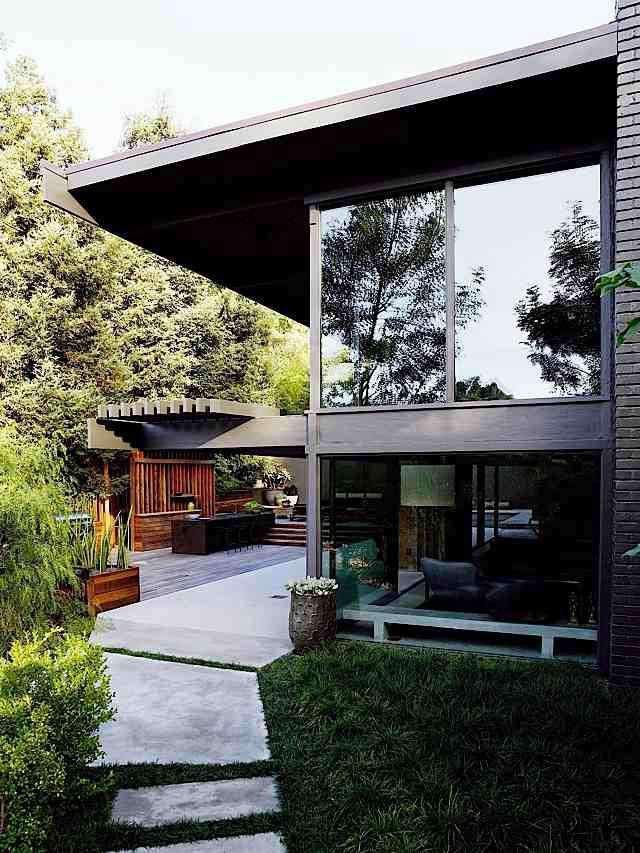
The project centers on a Buff & Hensman post-and-beam house, connected to the broader history of California modernism. Commune did not treat that pedigree like a museum label. Instead, the studio leaned into the structure’s openness, woodiness, and hillside setting, then added texture, craft, and a relaxed sense of human use. The result is not a house that begs guests to remove their shoes out of fear. It is a house that says, “Come in, sit down, stay until the canyon gets dark.”
Who Is Commune Design?
Commune Design is a Los Angeles-based multidisciplinary studio known for work across architecture, interiors, product design, graphics, hospitality, retail, and branding. Led by Roman Alonso and Steven Johanknecht, the firm has built a reputation for holistic design rather than one-room decorating. In Commune’s world, a door handle, a textile, a restaurant logo, a ceramic tile, and a sofa are all part of the same conversation.
That collaborative spirit is not just branding confetti. Commune’s own name points to community: architects, interior designers, graphic designers, artisans, consultants, builders, and clients working together. The studio’s portfolio includes private homes, hotels, commercial spaces, product collaborations, and highly crafted interiors that make California style feel less like a trend and more like a climate condition.
Commune’s best rooms usually have three things in common: they respect history, they love materials, and they never look as if they were installed in one frantic shopping weekend. Their interiors carry the feeling of accumulation. A room might include vintage furniture, handmade ceramics, natural fiber rugs, warm woods, custom upholstery, and a few pieces that appear to have wandered in from a very stylish road trip through the American West.
Why Nichols Canyon Matters
Nichols Canyon is not the loudest canyon in Los Angeles. Laurel Canyon has the rock-and-roll mythology. Benedict Canyon has the mansion gossip. Nichols Canyon has something subtler: winding roads, hillside privacy, midcentury houses tucked into the terrain, and a slightly woodsy feeling that makes the city seem farther away than it really is.
For designers, that setting matters. A canyon house has to negotiate slope, shade, sunlight, privacy, fire awareness, views, and the emotional pull of nature. It is not the same as decorating a flat-lot suburban home where every window looks politely at a hedge. In Nichols Canyon, the outside is part of the room whether you invite it in or not.
This makes the location especially suited to Commune’s way of working. The studio often designs with an awareness of place, allowing local climate, craft, and landscape to shape the interior mood. In this project, Nichols Canyon becomes more than a backdrop. It becomes the reason the house can handle reclaimed siding, leather, sheepskin, wood, and a cabin-like informality without feeling like a themed vacation rental.
The Architecture: Midcentury Bones, Rustic Soul
The home associated with this designer visit is connected to Buff & Hensman, architects whose work helped define Southern California post-and-beam modernism. Their houses often emphasized wood structure, glass, openness, and a close relationship between interior rooms and outdoor space. In practical terms, that means the architecture already had the right bones: exposed structure, easy flow, and a strong dialogue with the site.
Commune’s genius was not to fight those bones. Instead, the studio softened and deepened them. Where some midcentury renovations turn every surface into a white gallery box, this house moves in the opposite direction. It embraces grain, patina, ruggedness, and a bit of visual grit. The effect is richer than minimalism and calmer than maximalism. Think “canyon modern,” not “ski lodge wearing sunglasses.”
Reclaimed wood plays a starring role. It gives the interiors a sense of age and informality, making the house feel as if it has stories even before anyone tells one over dinner. Leather adds durability and a little cinematic swagger. Sheepskin introduces softness. Together, these materials create a space that is tactile in the truest sense: you want to touch the walls, sit in the chairs, kick back, and maybe cancel your evening plans.
The Commune Formula: Layering Without Clutter
One reason Commune’s Nichols Canyon project remains compelling is that it demonstrates layering without visual chaos. The design is not sparse, but it is controlled. It is not precious, but it is intentional. Every material seems to have a job.
Wood warms the architecture. Textiles soften the geometry. Low furniture keeps the mood casual. Natural finishes help the rooms connect to the canyon. Vintage and handcrafted objects prevent the interior from looking newly unboxed. The palette stays earthy, but not dull. Browns, creams, blacks, faded neutrals, and sun-washed tones work together like a playlist where every song sounds good at golden hour.
This is a useful lesson for anyone trying to create a designer-level interior at home. Layering does not mean buying more things. It means choosing materials that build emotional depth. A leather sling chair, a wool throw, a handmade bowl, a rough wood bench, and a linen curtain can do more than a dozen decorative accessories shouting for attention from a shelf.
Indoor-Outdoor Living, Minus the Cliché
Southern California indoor-outdoor living is one of those phrases that gets used so often it can start to sound like real-estate perfume. But in a hillside modernist home, it is not a cliché. It is a design requirement.
The Nichols Canyon house works because its interior mood makes sense with the landscape outside. The rustic materials do not stop at the door. They visually extend the canyon atmosphere into the rooms. Instead of creating a polished interior that contrasts sharply with the outdoors, Commune creates continuity. The house feels as though it belongs to the hill, not as though it landed there after a luxury helicopter drop.
This is where the “mountain shack” influence becomes important. It loosens the midcentury structure. It makes the home less doctrinaire and more livable. The clean lines remain, but they are joined by warmth, imperfection, and a little dirt-under-the-fingernails charm. Good design should be able to handle a coffee cup, a dog, a stack of books, and real people who occasionally drop crumbs. This house seems ready for all of the above.
Materials That Do the Heavy Lifting
Reclaimed Wood
Reclaimed wood is central to the project’s identity. It brings age, texture, and irregularity to a modernist shell. Instead of hiding knots and grain, the design celebrates them. The result is cozy but architectural, rustic but not cartoonish.
Leather
Leather adds weight and durability. In a canyon house, leather feels right because it ages visibly and gracefully. It does not panic at patina. In fact, patina is the point.
Sheepskin and Natural Textiles
Sheepskin can become a design cliché when tossed around carelessly, but here it makes sense. It softens hard lines and gives seating areas an inviting, slightly bohemian ease. Natural textiles help balance the architecture’s structure with comfort.
Earthy Color
The palette is grounded rather than flashy. It borrows from bark, shadow, sun, stone, and dry hillside brush. These tones create visual calm and help the rooms age well, which is more than can be said for certain neon accent walls from the early 2000s. We remember them. We forgive them. Mostly.
What Makes the Project Feel So Los Angeles?
The Commune Nichols Canyon house feels distinctly Los Angeles because it blends contradictions without apologizing. It is modern and rustic. Designed and relaxed. Historic and personal. Urban-adjacent and nature-soaked. It is the kind of home that could only exist in a city where a midcentury post-and-beam house can sit up a winding canyon road, minutes from Hollywood, surrounded by trees, sunlight, and the faint possibility that your neighbor once produced a cult film.
Los Angeles design is often strongest when it refuses strict categories. Commune understands this. The studio’s work draws from California craft, modernism, Mexican and Japanese influences, vintage retail culture, art, music, hospitality, and the everyday rituals of living. In Nichols Canyon, that mix becomes especially persuasive because the house does not feel decorated for a photo shoot alone. It feels ready for mornings, evenings, guests, quiet, and weather.
Design Lessons to Steal Respectfully
You do not need a Buff & Hensman house in Nichols Canyon to learn from this project. You do, however, need restraint, curiosity, and the ability to walk away from a too-shiny catalog room.
First, start with the architecture. What does your home already want to be? If it has wood beams, let them matter. If it has big windows, design around light. If it has awkward corners, give them purpose instead of pretending they are not there. Commune’s work succeeds because it listens before it speaks.
Second, use texture as a design tool. Smooth walls, slick floors, and flat fabrics can make a room feel lifeless. Add woven materials, grainy wood, matte ceramics, nubby upholstery, or aged metal. Texture is how a neutral room avoids becoming a bowl of oatmeal.
Third, mix eras carefully. Commune’s interiors rarely feel stuck in one decade. A midcentury house does not need only midcentury furniture. In fact, that can feel stiff, like wearing a costume to your own dinner party. Add older, newer, handmade, and personal pieces. The trick is to keep the material story coherent.
Finally, allow imperfection. The Nichols Canyon project works because it does not buff every surface into submission. Real warmth often comes from irregularity: a weathered plank, a softened leather edge, a handmade ceramic that refuses to be perfectly symmetrical. Perfection is impressive. Imperfection is where people actually relax.
Why the Commune Approach Still Feels Fresh
Design trends age quickly when they depend on novelty. Commune’s Nichols Canyon project continues to feel relevant because it is based on deeper principles: respect the site, honor the architecture, use honest materials, collaborate with craft, and make rooms that people can inhabit without nervousness.
That last point matters. Many beautiful interiors look as if they would file a complaint if you sat down too enthusiastically. Commune’s rooms tend to welcome life. They look collected, not staged. They understand that a home is not a showroom with plumbing. It is a container for daily rituals, friendships, meals, naps, arguments about where the good scissors went, and the occasional heroic attempt to keep a houseplant alive.
Commune in Nichols Canyon as a Case Study in California Design
As a case study, this project captures a larger shift in high-end interiors: away from sterile luxury and toward warmth, craft, and emotional atmosphere. The luxury here is not loud. It is embedded in proportion, material quality, architectural sensitivity, and the confidence to let a room breathe.
The house also challenges the idea that rustic design must be rough or that modern design must be cold. Commune proves that the two can strengthen each other. The modernist structure gives clarity. The rustic material palette gives soul. The canyon setting gives context. Together, they create a home that feels both designed and discovered.
That balance is hard to fake. It requires taste, yes, but also editing. The best rooms in this style are not packed with “interesting” things. They are shaped by relationships between objects: leather against wood, wool against glass, shadow against sun, handmade against architectural. When those relationships are right, the room feels inevitable.
Extended Experience: Visiting a Commune-Inspired Canyon Home
Imagine arriving at a Nichols Canyon house in the late afternoon, when Los Angeles light starts acting like it has a film agent. The road narrows, the city drops away, and the air changes slightly. You are still in LA, but the mood has shifted from “answer your emails” to “maybe become a person who owns linen napkins.”
The first thing you notice is not one dramatic design move. It is the accumulation of quiet ones. A wood surface catches the light. A leather chair looks better because it has clearly been used. A throw is placed casually, but not so casually that you believe it happened by accident. The room smells faintly of timber, sun, and possibly good coffee. Nothing screams. Everything hums.
Walking through a Commune-inspired interior teaches you how much design depends on pacing. The entry does not reveal everything at once. A hallway compresses the view, then the living room opens. A low sofa encourages you to sit rather than perch. A window frames the canyon like a landscape painting that forgot to be expensive. The house understands drama, but it delivers it with a wink instead of a trumpet.
In the kitchen, the lesson is practicality. Commune’s style is often beautiful, but it is rarely dainty. Materials are chosen to live, age, and gather marks. This is a relief. A kitchen should not look devastated by the presence of a lemon. Wood, tile, metal, and stone can be elegant while still accepting that dinner is sometimes messy and that someone will always put a wet spoon in the wrong place.
The seating areas are where the design philosophy becomes most obvious. Chairs are not merely sculptural objects waiting to be admired from a safe distance. They invite actual sitting. Textiles add warmth. Tables sit at useful heights. Lighting is soft but not gloomy. You can imagine a conversation stretching late into the evening, with people moving from sofa to terrace and back again as the canyon cools.
Outside, the house feels less like a separate object and more like a participant in the hillside. The best canyon homes do not dominate their sites. They negotiate with them. Paths, decks, plantings, and views create a sequence of experiences. You become aware of birds, branches, shadows, and the strange luxury of privacy in a city famous for being watched.
For homeowners, the biggest takeaway is emotional rather than decorative. A Commune-inspired home is not built from a checklist of trendy pieces. It is built from attention. What does the site offer? What materials feel honest? Which objects have meaning? Where does the light go at 4 p.m.? What makes people comfortable? These questions produce better rooms than “What is everyone buying this season?”
There is also a valuable lesson in confidence. The Nichols Canyon project is not afraid of wood on wood, texture on texture, or rusticity inside a modernist frame. It trusts the concept. Many interiors fail because they hesitate. They want to be warm but also showroom-perfect, minimal but also cozy, trendy but also timeless. Commune’s approach says: choose the story, then tell it fully.
That does not mean copying the look exactly. In fact, copying would miss the point. The better move is to borrow the method. Study your own home’s architecture. Notice the surrounding landscape. Invest in fewer, better materials. Mix old and new. Let craft show. Keep comfort central. Avoid anything that looks impressive but makes guests afraid to exhale.
By the time the sun drops behind the canyon, the rooms in a house like this become even better. Wood darkens. Lamps glow. Leather softens into shadow. The city is nearby, but not in charge. That is the magic of Commune in Nichols Canyon: it creates a version of Los Angeles living that feels glamorous without being glossy, rustic without being forced, and designed without losing its pulse.
Conclusion
“Designer Visit: Commune in Nichols Canyon, LA” is more than a tour of a stylish hillside residence. It is a lesson in how architecture, landscape, craft, and comfort can work together. Commune Design took the disciplined bones of a California modernist house and warmed them with reclaimed wood, leather, sheepskin, earthy color, and an unmistakable sense of place. The result is a home that feels relaxed but rigorous, rustic but refined, and deeply connected to Nichols Canyon.
For anyone interested in Los Angeles interior design, California modernism, or canyon living, the project remains a rich source of inspiration. It reminds us that great design is not about making a home look expensive. It is about making it feel inevitable, personal, and alive. And if it also makes you want to buy a better blanket, well, that is between you and your shopping cart.