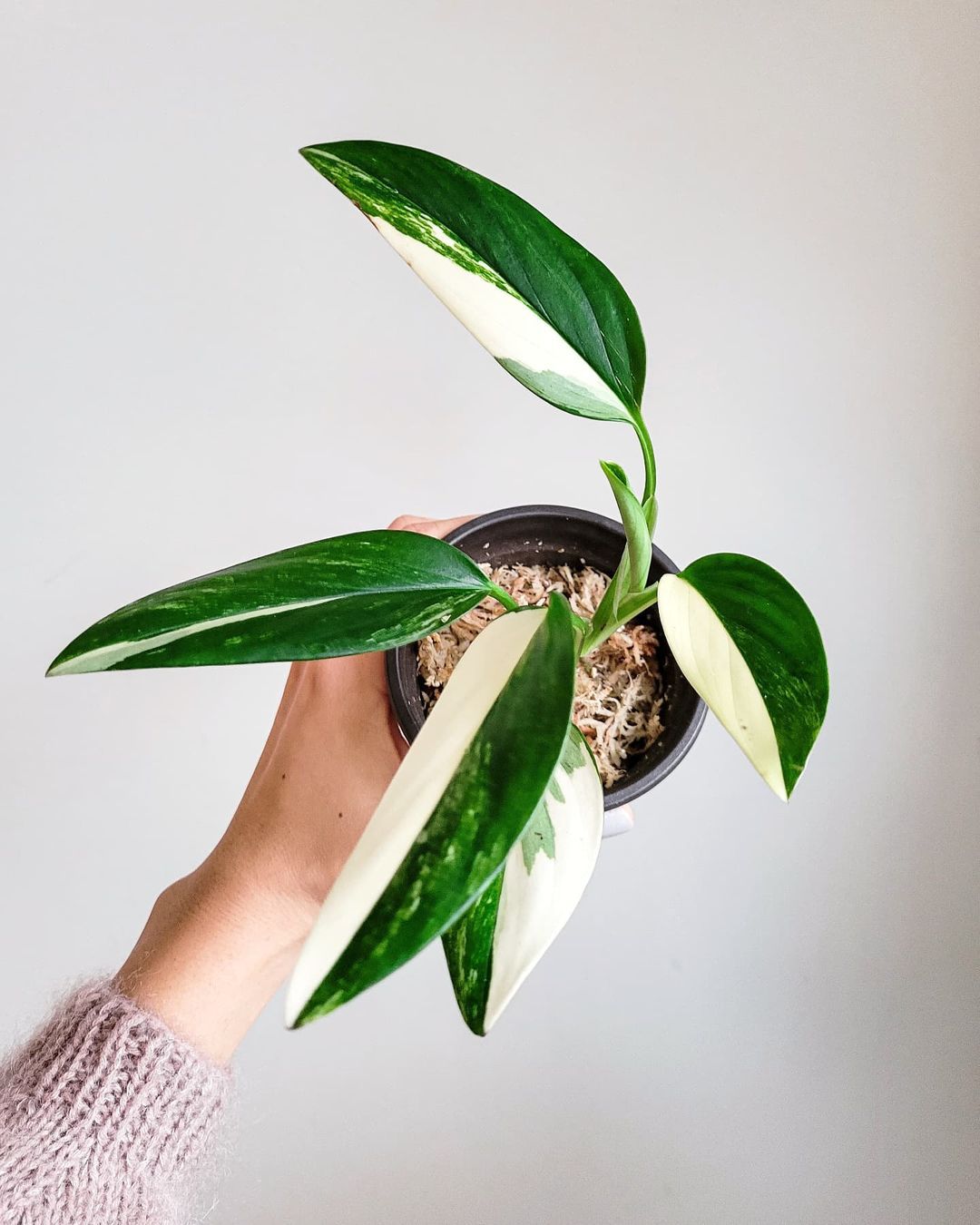
Monstera standleyana albo is the houseplant equivalent of a tailored jacket with paint-splatter confidence: glossy green leaves, creamy white streaks, and a climbing habit that makes it look far more dramatic than its care routine actually is. Also sold as Monstera standleyana “Albo Variegata”, Philodendron Cobra, or simply Monstera Cobra, this tropical aroid has become a favorite among collectors who want variegation without dedicating half the living room to a giant Monstera deliciosa.
The good news? Learning how to grow and care for Monstera Standleyana Albo is not a mysterious jungle ritual. Give it bright indirect light, a chunky well-draining soil mix, consistent watering, warm temperatures, and something to climb, and it will reward you with tidy vines and beautifully patterned leaves. The bad news? If you overwater it like you are trying to recreate a rainforest flood, it will absolutely file a complaint through yellow leaves and mushy roots.
This guide covers everything you need to know: light, watering, soil, humidity, pruning, propagation, pests, common problems, and real-world experience tips for helping this variegated beauty thrive indoors.
What Is Monstera Standleyana Albo?
Monstera standleyana albo is a climbing tropical plant in the Araceae family. Unlike Monstera deliciosa or Monstera adansonii, its leaves usually do not develop dramatic holes or splits indoors. Instead, its charm comes from narrow, oval, glossy leaves marked with white, cream, or pale yellow variegation. The pattern may appear as small speckles, bold streaks, marbled sections, or half-moon patches if the plant is feeling extra theatrical.
In nature, Monstera standleyana grows as a climber, using trees and other supports to reach better light. Indoors, it behaves the same way on a smaller scale. It can trail from a hanging basket, but it often looks its best when trained up a moss pole, trellis, plank, or coir pole. A climbing support encourages larger leaves, stronger growth, and a more natural shape.
Is It the Same as Philodendron Cobra?
Many nurseries and online shops label this plant as Philodendron Cobra, but botanically it belongs to the Monstera genus. The nickname sticks because the plant has a sleek, upright, slightly “cobra-like” look when young. Think of it as a stage name. The plant is still Monstera standleyana, even if the label at the garden center is having an identity crisis.
Quick Care Summary for Monstera Standleyana Albo
- Light: Bright, indirect light; gentle morning sun is usually fine.
- Water: Water when the top 1–2 inches of soil feel dry.
- Soil: Chunky, airy, well-draining aroid mix.
- Humidity: Average home humidity is acceptable, but 50–60% or higher is better.
- Temperature: Best between 65°F and 85°F.
- Fertilizer: Feed lightly during spring and summer.
- Growth habit: Climbing vine; benefits from support.
- Pet safety: Keep away from pets and children because Monstera plants contain irritating calcium oxalate crystals.
Light Requirements: Bright, Indirect, and Not Too Dramatic
Light is the secret sauce for a healthy variegated Monstera Standleyana. Because the white parts of the leaves contain little to no chlorophyll, they do not photosynthesize like the green parts do. That means variegated plants generally need brighter conditions than fully green plants.
Place your plant near an east-facing window where it can enjoy soft morning sun, or several feet back from a bright south- or west-facing window. A sheer curtain works beautifully if the light is intense. The goal is bright, filtered lightnot a direct afternoon sun roast. Leaves exposed to harsh sunlight can develop crispy brown patches, especially on the white variegated sections.
Signs Your Plant Needs More Light
If your Monstera standleyana albo is stretching between leaves, producing smaller foliage, staying wet for too long, or losing its bright variegation, it may need more light. Move it gradually closer to a brighter window or use a grow light. Do not suddenly relocate it from a dim corner to direct sun unless you want the leaves to panic like a vampire at the beach.
Watering Monstera Standleyana Albo
Watering is where many plant parents accidentally turn a care routine into a tiny swamp documentary. Monstera standleyana albo likes even moisture, but it does not enjoy sitting in soggy soil. The best method is simple: check the soil before watering.
Water when the top 1–2 inches of soil feel dry. Then water thoroughly until excess water drains from the bottom of the pot. Empty the saucer afterward so the roots are not standing in water. During spring and summer, the plant may need water more often because it is actively growing. In winter, when growth slows and indoor light decreases, it usually needs less.
How to Avoid Overwatering
Do not water on a strict calendar just because an app says it is time. Your plant does not own a watch. Instead, use your finger, a wooden chopstick, or a moisture meter to check the potting mix. If the soil still feels damp, wait. A heavy pot is another clue that moisture remains inside.
Yellow leaves, mushy stems, blackened roots, and soil that smells sour are classic signs of overwatering or poor drainage. If you notice these symptoms, remove the plant from its pot, inspect the roots, trim away rotten sections, and repot into fresh chunky soil.
Best Soil Mix for Monstera Standleyana Albo
The ideal Monstera Standleyana Albo soil mix is airy, chunky, and moisture-retentive without becoming dense. Regular all-purpose potting soil alone often holds too much water, especially in low-light rooms. A better mix gives the roots oxygen while still holding enough moisture to prevent stress.
A simple homemade aroid mix can include:
- 2 parts high-quality indoor potting mix
- 1 part orchid bark
- 1 part perlite or pumice
- 1 part coco coir or peat moss
- A small handful of horticultural charcoal, optional
Orchid bark creates chunky air pockets, perlite improves drainage, and coco coir helps retain gentle moisture. The result is a mix that drains freely but does not dry out in five minutes like a forgotten cracker.
Choosing the Right Pot
Always use a pot with drainage holes. This is not negotiable unless your hobby is root rot. Terracotta pots dry faster and work well for people who tend to overwater. Plastic or glazed ceramic pots hold moisture longer and may be helpful in dry homes, but they require more careful watering.
When repotting, choose a container only 1–2 inches wider than the current root ball. A pot that is too large holds extra wet soil around the roots, which increases the risk of rot. Monstera standleyana albo prefers a snug, breathable homenot a ballroom full of damp soil.
Temperature and Humidity
Monstera standleyana albo grows best in warm indoor temperatures between 65°F and 85°F. Keep it away from cold drafts, air-conditioning vents, heaters, and exterior doors that open frequently in winter. Sudden temperature swings can stress the plant and lead to drooping or leaf damage.
Humidity is helpful, especially for new growth. While this plant can adapt to normal household humidity, it performs better around 50–60% humidity or higher. If your home is dry, group it with other tropical plants, place it near a humidifier, or use a pebble tray. Misting may make you feel productive, but it raises humidity only briefly. A humidifier is the grown-up solution; misting is mostly plant spa theater.
Fertilizing Monstera Standleyana Albo
Feed your plant during the active growing season, usually spring through early fall. Use a balanced liquid houseplant fertilizer diluted to half strength every 4–6 weeks. Overfertilizing can burn roots and cause brown leaf edges, so more is not always better. This plant wants a sensible meal, not an all-you-can-eat buffet.
Skip fertilizer in winter if growth slows. Also avoid fertilizing a stressed, newly repotted, or root-damaged plant. Let it recover first, then resume feeding when you see healthy new growth.
How to Support and Train Monstera Standleyana Albo
Because this plant is a natural climber, support makes a big difference. A moss pole, cedar plank, bamboo stake, or small trellis helps the vine grow upward and keeps the plant looking tidy. Attach stems gently with soft plant ties, Velcro tape, or twine. Avoid tying too tightly because stems thicken as they grow.
A support also helps aerial roots attach and encourages mature, confident growth. Without support, the plant may trail beautifully, but the stems can become long and sparse. If your goal is a full, upright display, train it early.
Pruning Monstera Standleyana Albo
Pruning keeps Monstera standleyana albo compact, full, and attractive. Trim leggy vines just above a node, which is the small bump where leaves and roots can grow. New growth often appears near the cut, helping the plant branch out.
Remove yellow, damaged, or crispy leaves with clean scissors. If a vine has reverted and is producing only green leaves, you can prune it back to a section with stronger variegation. This does not guarantee perfect white markings, but it may encourage more balanced growth from variegated nodes.
How to Propagate Monstera Standleyana Albo
Propagation is one of the most satisfying parts of growing this plant. You can propagate Monstera Standleyana Albo cuttings in water, sphagnum moss, perlite, or directly in soil. The key is simple: every cutting must have at least one node. A leaf with no node may look pretty in a jar, but it will not grow into a new plant.
Water Propagation
- Choose a healthy vine with at least one node and one leaf.
- Cut below the node using clean scissors or pruning shears.
- Place the node in water while keeping the leaf above the surface.
- Change the water every few days to keep it fresh.
- Move the cutting to soil once roots are a few inches long.
Soil or Moss Propagation
For soil or moss propagation, place the node into lightly moist medium and keep it warm with bright indirect light. A clear plastic cover or propagation box can help retain humidity, but open it regularly for airflow. Once you see new growth and resistance when gently tugging, roots are forming.
Common Pests and Plant Problems
Monstera standleyana albo can attract common houseplant pests such as spider mites, mealybugs, scale, thrips, and aphids. Check the undersides of leaves and stem joints regularly. Sticky residue, tiny webbing, white cottony clusters, or silvery leaf marks are warning signs.
Isolate affected plants quickly. Wipe leaves with a damp cloth and treat pests with insecticidal soap or horticultural oil according to label directions. Repeat treatment as needed because pests are stubborn little freeloaders.
Yellow Leaves
Yellow leaves often point to overwatering, poor drainage, low light, or natural aging. Check the soil first. If it is wet and heavy, reduce watering and improve drainage. If the plant is sitting in a dark corner, move it to brighter indirect light.
Brown Crispy Edges
Brown edges can come from low humidity, inconsistent watering, too much fertilizer, or direct sun. White variegated sections are especially sensitive and may brown sooner than green parts. A little browning on highly variegated leaves is normal, but widespread crisping means the plant needs better conditions.
Drooping Leaves
Drooping can mean underwatering, overwatering, transplant shock, or lack of light. Feel the soil before reacting. If it is bone dry, water deeply. If it is wet, inspect the roots. Plant care becomes much easier when you diagnose before you “help.”
Repotting Monstera Standleyana Albo
Repot every 1–2 years or when roots circle the pot, grow through drainage holes, or dry out unusually fast. Spring is the best time because the plant is entering active growth. Remove old compacted soil gently, trim any dead roots, and repot into fresh chunky mix.
After repotting, water thoroughly and place the plant in bright indirect light. Avoid fertilizing for several weeks while the roots settle. Some temporary drooping is normal, but the plant should perk up once it adjusts.
Is Monstera Standleyana Albo Toxic?
Yes. Like many aroids, Monstera plants contain insoluble calcium oxalate crystals that can irritate the mouth, lips, tongue, and digestive system if chewed or eaten. Keep this plant away from pets and young children. If a pet bites the plant and shows signs of discomfort, contact a veterinarian or animal poison control service.
of Real Growing Experience: What Actually Helps This Plant Thrive
After caring for Monstera standleyana albo indoors, the biggest lesson is that this plant does not want extreme care. It wants consistency. Many beginners lose leaves not because they neglect the plant, but because they love it too aggressively. Too much water, too much fertilizer, too much moving around, too much “I just watched a plant video and now we are repotting at midnight” energythis plant does not need all that drama.
The best results usually come from placing it in one bright spot and letting it settle. An east-facing window is often ideal because it gives gentle morning light without scorching the leaves. If the plant sits near a west or south window, a sheer curtain can prevent the white variegation from browning. Grow lights also work well, especially in apartments where natural light is more “romantic cave” than “tropical understory.”
Watering by pot weight is surprisingly useful. When the pot feels noticeably lighter and the top layer of soil is dry, it is usually time to water. This method is more reliable than choosing a fixed watering day. In summer, the plant may need water once a week. In winter, it may go much longer. The plant’s needs change with light, temperature, humidity, root size, and pot material.
Another practical tip is to use a clear nursery pot inside a decorative cover pot. Clear pots make it easier to see root growth and moisture levels. They are not mandatory, but they remove some guesswork. Just remember to take the nursery pot out when watering and let it drain fully before placing it back in the cover pot.
For fuller growth, do not be afraid to prune. A single long vine can look elegant, but several cuttings planted together create a bushier display. Rooting two or three cuttings and adding them back into the mother plant is a great way to make a thin plant look lush. This is especially helpful if the plant was shipped, stressed, or arrived looking like it had just survived a road trip in a cardboard motel.
A moss pole is helpful, but it does not have to be fancy. The most important thing is giving the vine something stable to climb. Keep the pole slightly moist if you want aerial roots to attach, but do not soak the pot just to hydrate the pole. If the pole dries out, the plant will still use it for structure.
Finally, accept that variegated leaves are imperfect. Some white sections may brown over time. Some leaves may emerge with more green, others with more cream. That unpredictability is part of the appeal. The goal is not flawless leaves forever; the goal is a healthy plant that keeps growing. With bright indirect light, careful watering, airy soil, and patience, Monstera standleyana albo becomes a reliable, elegant houseplant with just enough attitude to keep things interesting.
Conclusion
Growing Monstera Standleyana Albo successfully comes down to balance. Give it bright indirect light, but protect it from harsh direct sun. Keep the soil lightly moist, but never soggy. Use a chunky aroid mix, provide climbing support, maintain warm temperatures, and prune when needed. This plant looks rare and expensive, but its care routine is refreshingly practical.
If you are looking for a variegated houseplant that brings collector-level beauty without demanding greenhouse-level attention, Monstera standleyana albo is a wonderful choice. Treat it like a tropical climber, not a table decoration, and it will reward you with elegant vines, glossy leaves, and patterns that look hand-painted by a very stylish jungle.
Note: This article is written for web publishing and synthesizes practical plant-care knowledge from reputable horticultural and houseplant-care references, rewritten in original standard American English without source-link clutter.