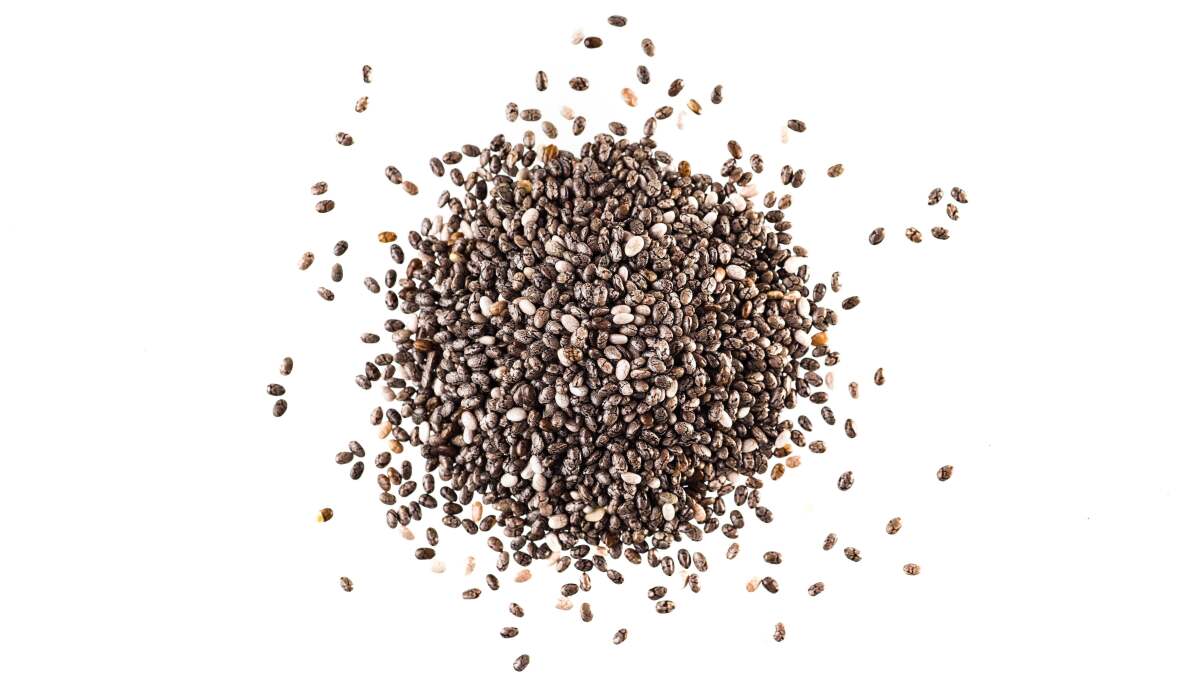
Imagine opening your mailbox and finding a tiny packet of seeds you never ordered. No brand you recognize. No clear sender. Maybe the label says “jewelry,” “stud earrings,” “toy,” or something equally suspicious for a package full of plant confetti. Your first instinct might be curiosity. Your second instinct might be, “Free garden!”
Please tell both instincts to sit down.
Mystery seeds may look harmless, but agriculture officials across the United States have repeatedly warned people not to plant unsolicited seed packets. The reason is simple: seeds are not just cute little promises of flowers. They can carry pests, pathogens, invasive plants, or noxious weeds that could damage gardens, farms, native ecosystems, and local food systems. A packet the size of a tea bag can become a very expensive problem if it grows into the botanical version of a bad houseguest.
The safest rule is also the easiest to remember: if you did not order the seeds, cannot verify the source, or do not know exactly what they are, do not plant them. Do not toss them into the compost. Do not sprinkle them “just to see what happens.” Gardening is wonderful, but surprise biosecurity experiments belong nowhere near your tomato bed.
What Are Mystery Seeds?
“Mystery seeds” usually refers to unsolicited seed packets that arrive by mail, often from overseas sellers or unknown online merchants. Many people first became aware of the issue during the widely reported 2020 wave of strange seed packages mailed to households across the United States. Since then, agriculture departments and plant health agencies have continued to remind consumers that unknown seeds should be treated carefully.
Some packets may be part of a brushing scam, a shady e-commerce tactic where sellers send low-value items to real addresses so they can create fake “verified purchase” reviews. In other cases, the shipment may be mislabeled, improperly imported, or attached to a marketplace order the buyer forgot about. But even when the motive is boring fraud rather than villainous seed espionage, the biological risk remains real.
Why the Packaging Looks So Weird
Many mystery seed packages have confusing labels. Some are marked as jewelry, beads, gifts, or accessories. Others arrive in tiny envelopes with incomplete sender information. This odd labeling can happen because sellers are trying to bypass shipping rules, customs checks, marketplace restrictions, or import requirements. The label may say “necklace,” but your suspicious little envelope may contain morning glory, mustard, cabbage, herbs, flowers, weeds, or something no one wants growing in a ditch behind a soybean field.
Why You Should Not Plant Mystery Seeds
Planting unknown seeds is risky because seeds can be carriers of more than plants. A seed packet can contain soil dust, fungal spores, bacteria, insect eggs, weed seeds, or plant material that does not belong in your region. Even if the seeds themselves are common species, the way they were produced, stored, cleaned, packed, and shipped matters.
In the United States, imported seeds are regulated because agriculture is connected. A backyard garden does not exist in a magical bubble. Wind, rain, birds, insects, pets, compost piles, mower blades, shoes, and neighborhood squirrels can all move plant material around. One questionable planting decision can travel farther than expected.
1. They Could Become Invasive Plants
An invasive plant is a species that spreads aggressively outside its native range and causes harm. It may outcompete native plants, reduce biodiversity, change soil conditions, clog waterways, or reduce crop yields. Invasive plants are not always dramatic at first. They do not kick open the garden gate wearing sunglasses. They may start as one healthy-looking sprout and quietly become a problem over several seasons.
That is why “I’ll just plant one” is not a safe compromise. One plant can make seeds. Seeds can travel. Birds can help. Wind can gossip. Suddenly, your curiosity project is holding a neighborhood meeting in every empty lot.
2. They May Carry Plant Diseases
Seeds can carry pathogens that affect plants. Some diseases are seedborne, meaning they can travel on or inside seeds. Others may hitchhike in plant debris or contaminated packaging. A disease introduced into a garden can spread to vegetables, ornamentals, fruit trees, or nearby crops.
This matters because plant diseases are not just a farmer’s problem. Home gardeners grow tomatoes, peppers, beans, squash, herbs, flowers, and fruit trees. A new disease can ruin a garden season, and in agricultural regions, it can become much more serious. Your raised bed may be small, but microbes do not respect square footage.
3. They Could Introduce Pests
Mystery seed packets may contain tiny insects, eggs, mites, or contaminated plant matter. You might never notice the problem until something starts chewing, wilting, yellowing, or spreading. Agricultural pests can be difficult and expensive to control once established, especially when they affect major crops or native plants.
Even if a packet looks clean, that does not prove it is safe. Many pests and pathogens are too small to see. The absence of visible creepy-crawlies is comforting, but it is not a laboratory inspection.
4. They May Be Illegal or Non-Compliant Imports
Seeds imported into the United States may need proper documentation, inspection, treatment, labeling, or permits depending on the species and origin. Some seeds are prohibited entirely because they are noxious weeds, parasitic plants, or otherwise risky. When a seed packet arrives without clear documentation, you have no reliable way to know whether it meets U.S. plant health requirements.
That is why officials recommend reporting unknown seeds instead of experimenting with them. You are not expected to be a customs inspector, botanist, plant pathologist, and detective before breakfast. You are simply expected not to bury the evidence in a flowerpot.
What To Do If Mystery Seeds Arrive in the Mail
The best response is calm, careful, and slightly boring. Boring is good. Boring prevents invasive weeds from becoming local celebrities.
Step 1: Do Not Open the Packet If It Is Sealed
If the seed packet is sealed, leave it sealed. Do not sniff it, shake it, pour it into your palm, or hold it up to the light like you are examining pirate treasure. The less you disturb the package, the easier it is for plant health officials to inspect it safely.
Step 2: Keep the Seeds and Packaging Together
Save everything: the seeds, packet, mailing label, outer envelope, invoice, barcode, tracking number, and any paperwork inside. The packaging can help officials identify the shipment’s origin, route, sender, and possible marketplace connection.
Step 3: Do Not Throw Them in the Trash or Compost
It may feel natural to toss unwanted seeds away, but ordinary trash and compost can create problems. Seeds may spill, survive, or reach soil. Compost piles are especially risky because they are basically spa retreats for plant material. Warmth, moisture, and organic matter can turn a “dead” packet into an unwanted sprouting party.
Step 4: Report the Package
Contact your state department of agriculture or the appropriate plant health authority. In many cases, state officials coordinate with federal plant health agencies. Reporting helps experts track patterns, inspect samples, test suspicious material, and decide how to dispose of the seeds safely.
Step 5: Secure Your Online Accounts
If the seeds arrived as part of a brushing scam, your name, address, or shopping account may have been used without permission. Check major online marketplace accounts for unfamiliar orders, update passwords, enable two-factor authentication where possible, and watch for fake reviews posted under your name. The seeds may be the weird part, but the data issue is the part wearing a fake mustache.
What If You Already Planted Mystery Seeds?
First, do not panic. Panic is not a gardening tool. But do act quickly.
If you already planted unknown seeds, contact your state agriculture department or local extension office and explain what happened. Tell them when the seeds arrived, where they were planted, whether anything has sprouted, and whether you still have the packaging. Officials may ask you to monitor the site, take photos, avoid moving soil, or remove plant material in a specific way.
Do not pull, compost, or dispose of plants without guidance if officials advise otherwise. Depending on the situation, they may want samples or documentation. If sprouts are visible, take clear photos before touching anything. Include wide shots of the planting area and close-ups of leaves, stems, flowers, or seedling patterns.
Why “It Looks Like Basil” Is Not Enough
Seedlings are notoriously difficult to identify. Many young plants look alike, especially herbs, vegetables, and weeds. Even experienced gardeners can mistake one seedling for another before true leaves develop. A mystery sprout that looks like basil may be basil, or it may be the beginning of a plant identification game no one asked to play.
Accurate identification often requires flowers, mature leaves, seed heads, or lab testing. That is why the safest action is reporting, not guessing.
Are All Unsolicited Seeds Dangerous?
No. Some may be harmless common garden seeds. Past investigations found that many mystery seed packets contained familiar species such as herbs, vegetables, and ornamentals. But “some are harmless” is not a good reason to plant all of them. You do not eat mystery mushrooms because some mushrooms are edible. You do not pet a random raccoon because some animals enjoy affection. Same principle, fewer teeth.
The danger is uncertainty. Without reliable labeling, origin records, inspection history, and species identification, you cannot know what you are handling. Gardening rewards patience, not roulette.
How Mystery Seeds Can Affect Farmers and Local Ecosystems
For farmers, unwanted pests and weeds can increase production costs, reduce yields, complicate export markets, and trigger quarantines. A single invasive species may require years of monitoring and control. In some cases, new pests can threaten entire industries, from fruit orchards to vegetable farms to nursery production.
Native ecosystems are also vulnerable. Invasive plants can crowd out wildflowers, reduce food sources for pollinators, alter fire behavior, change water availability, and disrupt habitat for birds and insects. The problem is not that one gardener wants a surprise flower. The problem is that nature does not read the return address.
How To Buy Seeds Safely Online
You can still buy seeds online. The internet is full of excellent seed companies, native plant nurseries, university-supported resources, and specialty growers. The key is to buy from reputable sources and understand what you are ordering.
Choose Transparent Sellers
Look for sellers that clearly list the seed species, variety, botanical name, origin when relevant, germination information, planting instructions, and contact details. Reputable seed companies do not hide behind vague labels and mystery envelopes.
Know Your Region
Before buying unusual seeds, check whether the plant is invasive in your state or region. A plant that behaves politely in one climate may become a menace in another. Local extension offices, native plant societies, and state invasive species lists can help you make smarter choices.
Be Careful With Marketplace Bargains
Ultra-cheap seeds from unknown sellers can be tempting, especially when the photo shows a flower that looks like it was designed by a unicorn with a premium graphics subscription. Be skeptical. Some online seed listings use misleading images, incorrect names, or impossible colors. Blue strawberries, rainbow roses from seed, and bonsai vegetable miracles should raise both eyebrows.
Common Myths About Mystery Seeds
Myth 1: “If They Were Dangerous, They Would Not Have Reached My House.”
Mail systems are enormous, fast, and imperfect. Packages can slip through with inaccurate labels. The fact that something arrived does not mean it was properly inspected, legally imported, or safe to plant.
Myth 2: “I Can Sterilize Them and Then Plant Them.”
Sterilizing seeds can damage them, but it may not solve every problem. Some pathogens can be internal, and you still may not know the species. Also, if your goal is to plant them, you are still introducing unknown plant material. The safer move is to report the packet.
Myth 3: “They Are Probably Just Wildflowers.”
“Wildflower mix” is one of the sneakiest phrases in gardening. A seed mix may contain native flowers, non-native ornamentals, aggressive annuals, or weeds. Without a verified label, you have no idea what is inside. A mystery wildflower packet is not a meadow; it is a botanical blind date.
Myth 4: “It Is Wasteful Not To Plant Seeds.”
Wasting a packet of unknown seeds is far better than risking environmental or agricultural harm. Responsible gardening sometimes means not growing something. Self-control is not as flashy as sunflowers, but it has better long-term reviews.
Safe Alternatives for Curious Gardeners
If the mystery seed packet awakened your gardening spirit, channel that energy into safe planting. Buy native seeds from a reputable regional supplier. Try herbs from a known seed company. Join a local seed library that follows proper labeling practices. Ask your county extension office for recommended vegetables, pollinator plants, or cover crops for your area.
You can also start a “known seeds only” garden journal. Record the seed source, variety, planting date, germination rate, weather conditions, and harvest results. This gives you the thrill of experimentation without inviting unknown organisms to move in rent-free.
Real-Life Experience: The Day Mystery Seeds Turned Gardening Into Detective Work
A few summers ago, a neighbor brought over a small padded envelope and asked, “Do you know what these are?” This is a dangerous question in gardening circles. It can lead to a ten-minute discussion about squash bugs, a twenty-minute argument about mulch, or an accidental plant swap involving three tomato varieties and no exit strategy.
Inside the envelope was a tiny packet of seeds with no clear label. The outside packaging looked like it had taken an international vacation and lost its luggage. The declared item was not seeds. The sender was unfamiliar. The neighbor had not ordered anything. Naturally, the packet triggered every gardener’s curiosity gland.
The first temptation was to identify them by appearance. They were small, dark, and slightly shiny. That narrowed it down to approximately half the plant kingdom, which is to say, not helpful. Someone guessed basil. Someone else guessed morning glory. A third person said, “Maybe peppers,” because gardeners are legally required to suggest peppers at least once in every seed discussion.
Then the practical voice in the group spoke up: “Do not plant them.” That ended the fun part and began the responsible part. The packet went into a sealable plastic bag with the original envelope. Photos were taken of the label, tracking number, and contents without spilling anything. The neighbor checked recent online orders and found no matching purchase. Then they contacted the state agriculture department for instructions.
What stood out most was how ordinary the whole thing looked. There was no dramatic warning sign. No glowing green dust. No cinematic music. Just a harmless-looking packet small enough to disappear under a refrigerator magnet. That is exactly why the issue matters. Real risks do not always arrive wearing a villain cape. Sometimes they arrive in bubble mailers with bad grammar.
The experience also changed how several of us bought seeds online. We started paying closer attention to seller names, seed labels, botanical names, and state recommendations. We became more skeptical of too-good-to-be-true listings. We stopped treating mystery as a charming feature. Mystery is great in novels, not in imported biological material.
It also made us better gardeners. Instead of chasing surprise seeds, we put more effort into planting species that belonged in our area. Native milkweed for monarchs. Coneflowers for pollinators. Herbs from reputable suppliers. Vegetables with actual variety names. The garden became less random and more intentional, which is a fancy way of saying we finally stopped buying seeds like raccoons with Wi-Fi.
The biggest lesson was simple: curiosity is not the enemy, but curiosity needs boundaries. Wondering what something is can be fun. Planting it before you know what it is can be reckless. When a seed has no trustworthy identity, the best garden bed is no garden bed at all.
Final Thoughts: Keep the Garden, Skip the Gamble
Mystery seeds may seem like a small oddity, but they sit at the intersection of gardening, online fraud, plant health, and environmental protection. The safest response is not complicated: do not plant them, keep the packaging, report the shipment, and protect your online accounts if you suspect a brushing scam.
Good gardening starts with trust. You should know what you are planting, where it came from, and whether it belongs in your region. Seeds are powerful little things. Given the right conditions, they can feed families, beautify yards, support pollinators, and restore landscapes. Given the wrong identity, they can also cause headaches far beyond your fence.
So when an unknown packet lands in your mailbox, resist the urge to play backyard botanist. Your garden deserves better than a mystery guest with no references.
Note: This article is based on current guidance from U.S. plant health agencies, consumer protection resources, state agriculture departments, and university extension programs regarding unsolicited seeds, seed import risks, invasive species prevention, and brushing scams.