Note: Beetroot is called “beets” in most American kitchens, so this guide uses both terms naturally. For shelf-stable canning, always use tested food-preservation methods and correct processing times for your altitude. Beetroot is delicious, but it is not worth arguing with botulism.
Beetroot is the kind of vegetable that looks dramatic even when it is just minding its own business. Slice it, and suddenly your cutting board looks like it has been involved in a very tiny crime scene. But behind that bold color is a sweet, earthy root vegetable that preserves beautifully when handled the right way.
Learning how to preserve beetroot helps you stretch a garden harvest, save farmers market bargains, reduce food waste, and keep a stash of ready-to-use beets for salads, grain bowls, soups, sandwiches, sides, and quick weeknight dinners. The key is choosing the right preservation method. Fresh storage keeps beets crisp for short-term use. Freezing is easy and flexible. Pickling adds tang and makes jars that practically beg to sit beside roasted meats, burgers, or a cheese board. Pressure canning creates shelf-stable plain beets, while dehydrating turns cooked beets into lightweight pantry ingredients.
This guide breaks the process into 12 practical steps, with safety notes, kitchen-tested tips, and a little common sense. Because when beetroot preservation goes well, your pantry looks smart. When it goes badly, your jars look suspicious and your family starts asking why the fridge smells like a vinegar-powered science fair.
Why Preserve Beetroot?
Preserving beetroot is useful because fresh beets are seasonal, bulky, and easy to forget in the crisper drawer until they begin their slow transformation into vegetable fossils. Proper preservation keeps their color, flavor, and texture available long after harvest season.
Beets are especially versatile. Preserved beets can be tossed into salads, blended into dips, folded into hummus, served with goat cheese, added to borscht, layered in sandwiches, or warmed with butter and herbs. Pickled beets bring brightness to rich foods, frozen beets save prep time, and pressure-canned beets are ready when dinner needs a vegetable that does not require negotiations.
How to Preserve Beetroot: 12 Steps
Step 1: Choose Fresh, Firm Beetroot
Start with high-quality beets. Preservation does not improve tired produce; it only makes tired produce last longer, which is not the culinary achievement we are aiming for. Choose beets that feel firm, heavy for their size, and smooth-skinned. Small to medium beets usually have better texture and flavor than oversized roots, which can become woody or fibrous.
If the greens are attached, look for leaves that are fresh rather than slimy or wilted. Beet greens are edible and can be cooked like spinach or Swiss chard, but they should be stored separately from the roots. The greens pull moisture from the beetroot, causing the root to shrivel faster.
Step 2: Trim the Greens Correctly
Cut off the beet greens, leaving about 1 inch of stem attached to each root. Leave the taproot intact. This simple step helps reduce color bleeding during cooking. If you trim too closely, the beetroot may lose more juice, flavor, and color into the cooking water.
Do not throw away the greens if they look fresh. Wash them well, refrigerate them separately, and use them within a few days. Sauté beet greens with olive oil, garlic, salt, and a splash of vinegar for a quick side dish. It is the kitchen equivalent of getting a bonus vegetable for free.
Step 3: Clean Without Peeling First
Scrub beetroot gently under cool running water to remove soil. Use a vegetable brush, but do not attack the skins like you are sanding a porch. The goal is to clean the surface without cutting or bruising the root.
For most preservation methods, cook beets before peeling. Once cooked, the skins slip off more easily, saving time and reducing waste. This also helps preserve the color and keeps the flesh from becoming waterlogged.
Step 4: Decide Which Preservation Method Fits Your Goal
Before you begin, choose your method. Each one has a different purpose:
- Refrigerating: Best for short-term storage of fresh beetroot.
- Freezing: Best for cooked beets you want to use later in soups, smoothies, sides, or salads.
- Pickling: Best for tangy beets with a sweet-sour flavor.
- Pressure canning: Best for shelf-stable plain beets.
- Dehydrating: Best for compact storage, powders, snacks, or soup additions.
The biggest safety rule is this: plain beets are low-acid vegetables, so they must be pressure canned if you want them shelf-stable. Do not process plain beets in a boiling-water bath. Pickled beets are different because vinegar acidifies the food, making boiling-water processing suitable when you follow a tested recipe.
Step 5: Store Fresh Beetroot in the Refrigerator
For fresh storage, place unwashed beetroot in a loosely closed food-safe plastic bag or covered container. Store it in the refrigerator crisper drawer. Keep the roots slightly humid but not wet. Too much moisture invites spoilage; too little moisture creates sad, wrinkled beets that look like they have given up on their dreams.
Fresh beetroot can often keep for a couple of weeks under good refrigerator conditions. Check it regularly. If a beet becomes soft, moldy, or smells off, compost it. Preservation begins with good judgment, not wishful thinking.
Step 6: Cook Beetroot Before Freezing
Freezing beetroot is one of the easiest preservation methods. Wash and sort the beets by size so they cook evenly. Place them in boiling water and cook until tender. Small beets may take around 25 minutes, while larger beets may need more time. They are ready when the skins slip off and the flesh can be pierced with a knife.
After cooking, cool the beets just enough to handle. Slip off the skins, trim the stems and roots, and slice or dice the beetroot. Pack the pieces into freezer-safe bags or containers, remove as much air as possible, label with the date, and freeze.
Frozen beetroot works best in cooked dishes or blended recipes. It can be used in soups, beet hummus, sauces, smoothies, and quick side dishes. The texture may be softer after thawing, so do not expect it to behave exactly like freshly roasted beetroot in a crisp salad.
Step 7: Pickle Beetroot for Sweet-Tangy Flavor
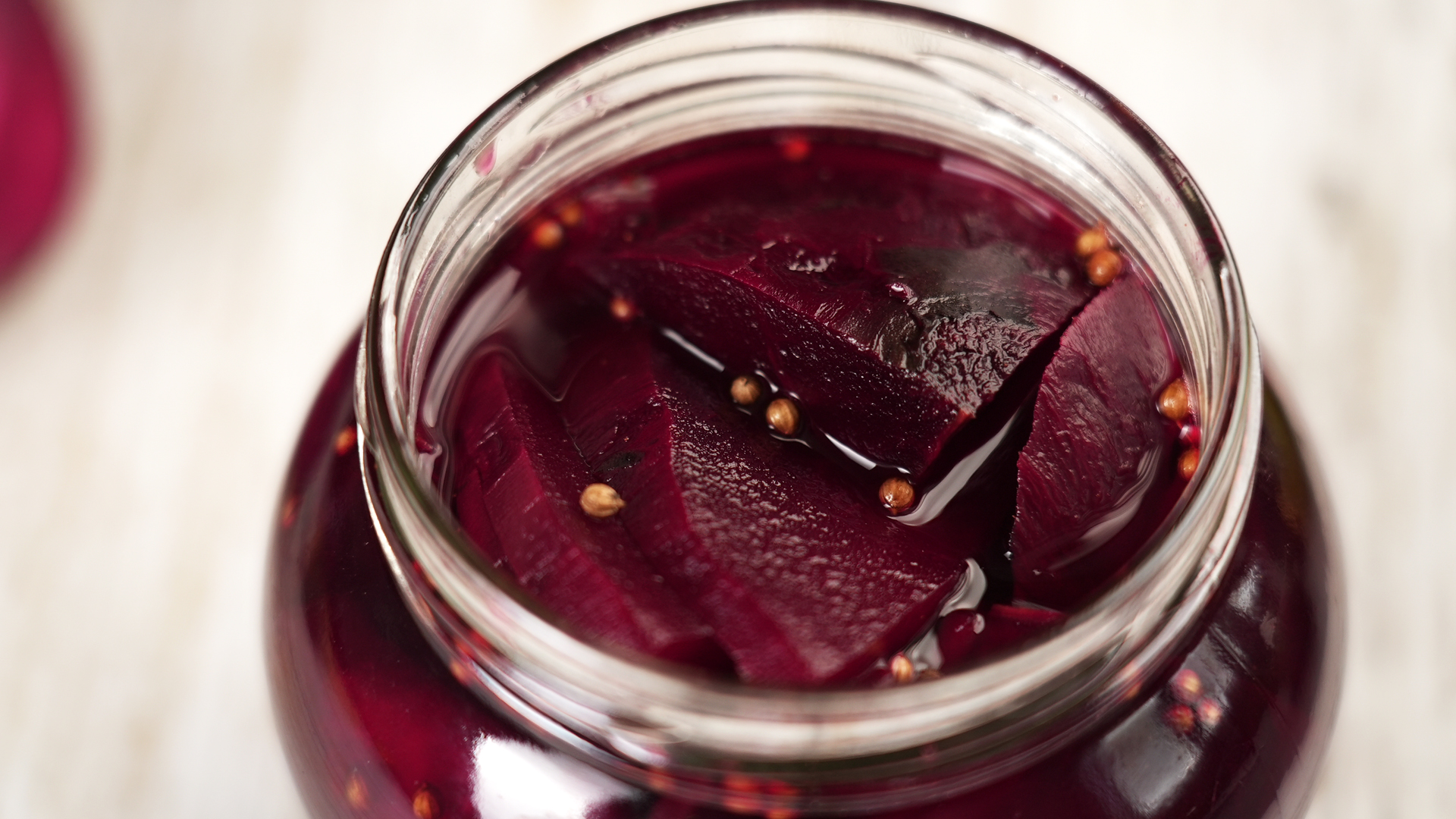
Pickled beetroot is a classic because the earthy sweetness of beets loves vinegar. A typical tested pickled beet recipe uses cooked beets, 5% vinegar, water, sugar, salt, and spices such as cinnamon and cloves. Onions are optional but delicious if you like a little sharpness.
Cook the beets until tender, cool them, slip off the skins, and slice them. Prepare the pickling liquid separately and bring it to a boil. Add the beets and simmer briefly so the flavors begin to mingle. Pack the hot beets into hot jars, cover them with hot pickling liquid, leave the recommended headspace, remove air bubbles, wipe the rims, apply lids, and process according to a tested recipe.
Do not reduce the vinegar in canned pickled beets. You can play with spices, but the vinegar ratio is not the place for creative jazz hands. Safe pickling depends on acidity.
Step 8: Pressure Can Plain Beetroot Safely
If you want plain, shelf-stable beets without vinegar, use a pressure canner. Beetroot is a low-acid food, and pressure canning reaches temperatures high enough to make the product safe when done correctly.
To prepare plain beets for pressure canning, wash them, leave about 1 inch of stem and the roots attached, and boil until the skins slip off easily. Remove the skins, trim the roots and stems, and keep the beets hot. Small beets may be packed whole, while medium and large beets should be sliced or cubed. Pack hot beets into jars, add fresh boiling water, leave 1 inch of headspace, and process in a pressure canner using a tested time and pressure for your jar size and altitude.
This is not a shortcut-friendly method. Do not use an electric pressure cooker unless it is specifically tested and approved for pressure canning. Do not guess processing times. Do not ask your great-aunt’s handwritten recipe card to overrule modern food science, even if her cursive is beautiful.
Step 9: Dehydrate Beetroot for Compact Storage
Dehydrating beetroot is excellent when storage space is limited. Cook the beets first, cool them, peel them, and cut them into thin slices, shreds, or small strips. Arrange the pieces in a single layer on dehydrator trays so air can circulate.
Dry until the beet pieces are leathery or brittle, depending on the cut and your intended use. Once dried, cool the pieces completely before packing them into airtight containers. Store them in a cool, dark, dry place. Dried beetroot can be added to soups, ground into beet powder, blended into smoothies, or used as a natural color booster in homemade pasta, bread, or dips.
For best results, condition dried beet pieces after drying. Place them loosely in a jar for several days and shake daily. If moisture appears inside the jar, return the beets to the dehydrator. Moisture is the villain in dried-food storage, and it does not even have the decency to wear a cape.
Step 10: Label Everything Like a Future Genius
Every jar, bag, and container should be labeled with the contents and date. If you made pickled beets with onions, write that down. If you froze diced golden beets, label them clearly. If you dehydrated beet strips for soup, do not leave yourself a mystery bag that looks like purple potpourri.
Good labels help you rotate food properly. Use the oldest preserved beetroot first and check containers occasionally for signs of spoilage. For canned jars, look for strong seals, clean lids, and normal appearance. For freezer bags, watch for freezer burn. For dried beets, check for moisture, mold, or stale odors.
Step 11: Store Preserved Beetroot in the Right Conditions
Storage conditions matter. Canned beetroot should be kept in a cool, dark, dry place. Avoid storing jars near heat, sunlight, or damp areas. A pantry, basement shelf, or kitchen cabinet away from the stove is usually better than a garage that swings between summer sauna and winter igloo.
Frozen beetroot should stay at 0°F or below for best quality. Use freezer-safe packaging and remove air before sealing. Dehydrated beetroot should be packed in airtight containers and protected from light and humidity. Refrigerator pickles should stay chilled and be eaten within the recommended time for the recipe.
Step 12: Use Preserved Beetroot Creatively
Preserved beetroot is more than a side dish. Pickled beets can be chopped into potato salad, layered on sandwiches, served with smoked fish, or added to grain bowls. Frozen beets can be blended into beet soup, mixed into smoothies, or warmed with orange zest and butter. Pressure-canned beets can be drained and roasted briefly to concentrate their flavor. Dehydrated beets can be powdered and stirred into yogurt dips, pancake batter, pasta dough, or salad dressings.
One of the easiest preserved beet dishes is a quick beet salad: combine sliced pickled beets, arugula, walnuts, goat cheese, black pepper, and a drizzle of olive oil. It tastes fancy but requires almost no effort, which is exactly the kind of kitchen magic everyone deserves.
Common Mistakes to Avoid When Preserving Beetroot
Using the Wrong Canning Method
The most important mistake to avoid is water-bath canning plain beets. Plain beetroot is low-acid and must be pressure canned. Water-bath canning is only appropriate for properly acidified pickled beets made from a tested recipe.
Changing Vinegar Ratios in Pickled Beets
Pickling recipes are built around acidity. Reducing vinegar, adding extra vegetables, or increasing water can make a recipe unsafe for canning. Adjust spices if the tested recipe allows, but do not change the acid balance.
Forgetting Altitude Adjustments
Canning times and pressures can change with altitude. Higher elevations require adjustments because water boils at a lower temperature. Check a reliable altitude chart before processing jars.
Overcooking Before Freezing
Cook beets until tender, not mushy. Overcooked beets become softer after freezing and thawing. If your beets already resemble baby food before they enter the freezer, they will not become firmer through optimism.
Best Beetroot Preservation Method by Use
For salads: Pickled beetroot or refrigerated cooked beets are best.
For soups: Frozen, canned, or dehydrated beetroot works well.
For long pantry storage: Pressure-canned plain beets or canned pickled beets are the best options.
For smoothies: Frozen cooked beets or beet powder are convenient.
For snacks and lightweight storage: Dehydrated beet chips or strips are useful, though they are usually better as ingredients than crisp snack chips unless sliced very thin.
Extra Experience: What Preserving Beetroot Teaches You in a Real Kitchen
The first lesson of preserving beetroot is that preparation matters more than speed. Beets are not difficult, but they are colorful, earthy, and slightly messy. If you rush, you may end up with red fingers, stained towels, and a sink that looks like it hosted a vampire brunch. Wear an apron, use a washable cutting board, and keep a damp cloth nearby. A little organization makes the whole process calmer.
Another practical lesson is to group beets by size before cooking. This sounds fussy until you try boiling tiny beets and giant beets together. The small ones become soft while the big ones are still stubborn in the center. Sorting by size helps everything cook evenly, which gives you better texture whether you are freezing, pickling, or canning.
It also helps to preserve beetroot in forms you will actually use. If your family loves salads, slice pickled beets. If you make soups often, dice cooked beets before freezing. If you like smoothies, freeze small cubes that can go straight into the blender. Preservation is not just about saving food; it is about saving future effort. A freezer full of awkward beet boulders is technically preserved food, but it is not exactly weeknight-friendly.
Flavor planning matters too. Classic pickled beetroot with cinnamon and cloves is wonderful, but it has a strong personality. It pairs beautifully with pork, turkey, eggs, greens, and creamy cheeses. For a cleaner flavor, use a simpler tested brine and keep the spices gentle. For refrigerator pickles, you can experiment more freely because they are stored cold and eaten sooner, but for canned pickles, follow tested ratios.
One underrated trick is to save small amounts in different formats. Put some cooked beetroot in the freezer for soups, pickle a few jars for meals, and dehydrate a tray for powder. This gives you options without committing the entire harvest to one flavor. After all, 18 jars of heavily spiced pickled beets may sound charming in September and oddly aggressive by February.
Finally, preserving beetroot builds confidence. Once you understand why plain beets need pressure canning, why vinegar matters in pickling, and why moisture control matters in drying, the process becomes less intimidating. You stop guessing and start making smart choices. That is the real reward: a pantry and freezer full of useful, colorful food that you prepared safely and intentionally.
Conclusion
Preserving beetroot is one of the best ways to enjoy this colorful root vegetable beyond its fresh season. Whether you refrigerate, freeze, pickle, pressure can, or dehydrate it, the right method depends on how you plan to use it later. The most important rule is safety: pressure can plain beets, use tested recipes for pickled beets, and store every preserved batch under the right conditions.
With a little planning, beetroot can become one of the most useful ingredients in your kitchen. It brings color, sweetness, earthiness, and nutrition to everyday meals. Better yet, it lets you open a jar, grab a freezer bag, or scoop a spoonful of beet powder and feel like the kind of person who has life beautifully organizedeven if your junk drawer says otherwise.