If the title sounds dramatic, that is because coffee roasting is dramatic. You take a hard, grassy, green seed that smells a little like fresh hay and, through carefully controlled heat, turn it into something that can smell like chocolate, berries, caramel, citrus, toasted nuts, or the reason you are willing to answer emails before sunrise. Then, just when the beans are hitting their stride, you cool them fast so they do not sprint straight past “delicious” and into “charred campfire regret.”
That is the strange beauty of roasting coffee. It is not just about applying heat. It is about applying the right heat, at the right pace, and then ending the roast with a cooling process that is every bit as important as the roast itself. In other words, heating and cooling your beans is not a side quest. It is the whole game.
For home roasters, this is where coffee gets wonderfully nerdy. For casual coffee drinkers, it is where that “freshly roasted” magic comes from. And for anyone who has ever scorched a batch and stared into the middle distance while the kitchen smelled like a toasted shoe, it is where the lessons begin.
What “Heating and Cooling Your Beans” Actually Means
Let us start with the basics. Coffee “beans” are actually seeds from coffee cherries. Before roasting, they are dense, pale green, and packed with moisture and compounds that have not yet become the aromas and flavors you recognize in brewed coffee. Roasting is the transformation stage. Heat drives off moisture, changes sugars and acids, develops aroma compounds, and reshapes the bean’s internal structure.
But roasting is not one long blast furnace moment. It is a sequence of phases. Good roasters guide beans through those phases with intention. Great roasters know when to stop. The best ones also know that if you do not cool the beans quickly enough, the roast keeps developing from residual heat even after you think you are done. The beans, in other words, do not care that you have emotionally moved on.
Why the Heating Part Is So Delicate
Roasting coffee is sometimes described as part chemistry, part physics, and part sensory improvisation. That sounds fancy, but in practical terms it means this: the beans need enough heat to develop flavor, not so much heat that the outside races ahead of the inside, and not so little heat that the roast drags and tastes flat.
The Drying Phase: From Green to Yellow
At the start of the roast, the goal is to remove free moisture and get the beans moving steadily into development. The beans usually shift from green to yellow and begin smelling less like fresh-cut grass and more like warm grain or toast. This phase matters because it sets the pace for everything that follows. Rush it, and the roast can become uneven. Drag it out too long, and the cup can lose liveliness before the exciting stuff even begins.
Home roasters often make the mistake of throwing massive heat at cold beans and hoping for the best. That is a bold strategy, but beans are not impressed by confidence. Too much early heat can scorch the exterior while the center lags behind. A steadier rise tends to produce a more even roast and a cleaner cup.
The Middle Phase: Browning and the Maillard Reaction
Once the beans dry out, browning reactions take over. This is where coffee starts building sweetness, body, and complexity. Aromas deepen. Color shifts toward tan and then brown. The smell in the room becomes less “agricultural project” and more “bakery with ambition.”
This middle section is where roast profiles become personal. Faster movement through this phase can preserve brightness and fruit. A little more time can build sweetness and roundness. There is no universal perfect roast time because batch size, bean density, machine design, airflow, and charge temperature all influence what “correct” looks like. Coffee roasting is not math homework. It is controlled adaptation.
First Crack: The Bean Starts Talking Back
Then comes the famous moment: first crack. This is the audible popping sound many roasters listen for, and it is a major turning point in the roast. The bean structure expands as pressure builds, and the coffee begins transitioning from “technically heated seed” to “actual roast coffee.”
For many roasters, this is where the decision-making gets serious. Stop the roast too soon after first crack and the coffee may taste underdeveloped, grassy, or sharp. Push too far and you begin moving toward darker roast territory, where roast character can dominate origin character. That is not automatically bad. It just depends on whether you want a bright floral Ethiopian profile or something that tastes like cocoa, smoke, and late-night confidence.
Somewhere beyond that lies second crack, a finer, snappier sound that signals deeper structural breakdown and a darker roast level. Once you are there, oils may move toward the surface, body tends to increase, acidity often drops, and the margin for error gets thinner. It is the coffee equivalent of walking a stylish line between “bold” and “why does this taste like burnt toast wearing cologne?”
Why Cooling Is Not Optional Theater
Cooling roasted coffee quickly is not a cosmetic finish. It is the move that locks in your roast level. Roasted beans hold significant internal heat, and if they sit in a hot chamber or pile up without airflow, they continue developing. That means a batch you intended as medium can sneak into medium-dark while you are busy congratulating yourself.
Good cooling protects clarity, sweetness, and consistency. Slow cooling can mute delicate notes and blur the distinction between roast levels. A coffee that might have tasted lively and layered can wind up tasting flatter, smokier, or more baked than intended. It is a little like nailing a steak and then forgetting it on the hot pan. The final minute still counts.
How Home Roasters Cool Beans Well
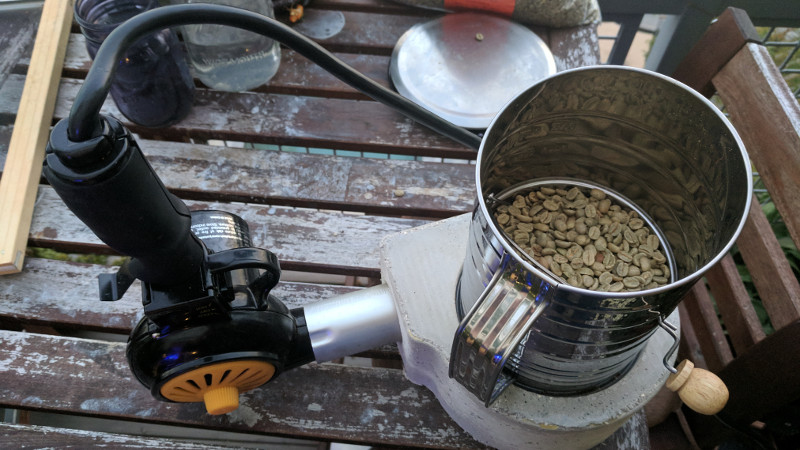
The simplest home methods are still effective. Many people cool beans in a metal colander while stirring them in front of a fan. Others move the beans between two colanders to speed heat loss and shake off chaff. Some use dedicated cooling trays. The DIY legends go even further with vacuum-assisted cooling rigs that pull air through perforated containers. Coffee people really will build a small wind tunnel rather than accept mediocre results, and frankly, that dedication deserves respect.
The key is airflow and movement. You want the beans spread out enough to release heat quickly, not sitting in a hot heap like a tiny roasted bean sauna. Also, cool them outside the hot roasting chamber when possible. Metal retains heat, and lingering in the roaster can turn your carefully planned finish into accidental overtime.
The Three Signals Smart Roasters Watch
Good roasting is rarely about one number alone. The best results usually come from combining three kinds of information: sound, smell, and sight.
1. Sound
Listen for first crack and, if you are roasting darker, the approach of second crack. Quiet machines make this easier. Loud air roasters can turn the experience into a game show where the prize is uncertainty.
2. Smell
Early roast smells grassy. Then it shifts toward bread, toasted grain, sugar browning, and finally sharper roast aromas. Smell is one of the fastest ways to detect whether the roast is progressing cleanly or getting away from you.
3. Sight
Color change matters, but color alone can be tricky. Lighting, bean variety, and processing method all influence appearance. A natural-processed coffee can look different from a washed coffee at a similar development point. Use color as one clue, not the whole courtroom.
Common Heating Mistakes That Hurt the Cup
Too Much Heat Too Early
This can produce scorching or tipping, especially in smaller batches or with lower-density coffees. The outside darkens before the inside is ready, and the cup can taste harsh or uneven.
Stretching the Roast Forever
Long is not the same as careful. A dragged-out roast can flatten acidity and reduce sweetness. Coffee needs momentum, not a motivational speech.
Roasting by Color Alone
A medium brown shade is not a universal destination. Different coffees reach flavor peaks at different roast levels, and appearance can mislead you if you ignore smell, time, crack events, and bean behavior.
Cooling Too Slowly
This is the sneaky mistake. People obsess over charge temperature and airflow, then dump the beans into a bowl and let them sit there steaming like a tiny volcanic landslide. Fast cooling is part of the roast, not something that happens after it.
How to Match Heat to the Bean
Not all coffees behave the same way. A dense, high-grown coffee often needs enough energy to reach first crack in a reasonable time without stalling. A softer, lower-density bean can move faster and may not need the same push. Processing method also changes the game. Some naturals can seem to darken faster on the surface, while some washed coffees may handle a slightly different pace more gracefully.
This is why experienced roasters keep notes. Bean origin, altitude, density, moisture, room temperature, batch size, charge temperature, time to yellow, time to first crack, drop temperature, cooling method, final cup result. Yes, this can look suspiciously like a science fair project for adults. That is because it is, and it is glorious.
After Heating and Cooling Comes Resting
Once the beans are roasted and cooled, they still need a little patience. Freshly roasted coffee releases carbon dioxide, a process called degassing. That means the best cup is often not brewed immediately after roast, especially for espresso. Filter coffee can open up sooner, while espresso often improves after several days of rest.
Storage matters too. Keep roasted beans in an airtight container or a quality one-way-valve bag, away from heat, moisture, light, and frequent oxygen exposure. Grind right before brewing when possible. Whole beans hold onto quality better than ground coffee, which begins losing aromatic compounds much faster once the surface area increases.
In plain English: roast well, cool fast, rest smart, store carefully. That is how you turn effort into flavor instead of turning money into sad dust.
A Simple Home Roasting Workflow That Actually Works
- Start with a manageable batch size so the beans move evenly.
- Apply enough initial heat to get the roast moving, but do not blast the outside into submission.
- Watch for the yellowing phase and smell the transition from grassy to bready.
- Guide the roast steadily through browning without letting it stall.
- Listen closely for first crack and decide where you want to finish based on your target flavor.
- Dump the batch and cool it fast with airflow and agitation.
- Rest the coffee before brewing, then cup it honestly and take notes.
That last part matters. Taste your results without ego. If the cup is sharp and hollow, maybe it was underdeveloped. If it tastes dull, baked, or overly roasty, maybe the heat application or cooling was off. Coffee is honest like that. It does not flatter your process. It reports it.
Real-World Experience: What Heating and Cooling Beans Feels Like in Practice
There is a very specific kind of suspense that comes with roasting coffee at home. At first, everything looks deceptively calm. The beans tumble around innocently, still pale and quiet, and you think, “I have this under control.” Then the smell begins to change, the color deepens, and suddenly you are hovering over the roaster like a stage manager waiting for the lead actor to hit the cue.
One of the most common experiences among new roasters is discovering that coffee develops faster than expected right when things get interesting. The early minutes can feel slow. You have time to sip water, adjust airflow, and feel sophisticated. Then first crack starts, and the whole session goes from “pleasant hobby” to “tiny edible emergency” in about thirty seconds. That shift teaches respect. It also teaches why cooling has to be ready before the roast finishes, not assembled afterward like panicked furniture from a box.
Another familiar lesson is how different coffees behave like different personalities. One bean roasts evenly and seems willing to cooperate. Another acts dramatic, sheds chaff like confetti, and charges toward darkness the second you look away. A dense coffee may seem stubborn until it suddenly opens up. A more delicate coffee may brown quickly and demand restraint. This is where many roasters stop chasing universal rules and start building judgment.
Then there is the sensory memory that develops over time. Experienced roasters often remember not just temperatures or timings, but the smell of the room at key stages. They know the difference between a roast that smells sweet and orderly versus one that smells rushed. They know the sound of first crack when it is rolling cleanly and the uneasy quiet of a roast that may be stalling. Those details become part of the craft. You are not just operating a machine. You are learning a language.
Cooling, meanwhile, has a way of humbling people. Almost everyone has had a batch that looked perfect when dropped and slightly overdone by the time it fully cooled. That moment burns the lesson into memory: the roast is not finished when the heat turns off. It is finished when the beans are actually cool. Once you experience the difference between a batch cooled quickly with strong airflow and one left to coast in retained heat, you stop treating cooling like cleanup and start treating it like a decisive finishing move.
There is also a quiet satisfaction in getting it right. You roast a batch, cool it efficiently, let it rest, brew it a day or two later, and suddenly the cup tastes intentional. Sweetness is clearer. Acidity feels shaped instead of sharp. The finish lingers in a way that makes you look at the mug with just a bit more respect. That is the payoff. Not perfection, exactly, but progress you can taste.
Over time, the experience of heating and cooling your beans becomes less about chasing a mythical perfect roast and more about building consistency. You learn to prepare your cooling setup before the roast begins. You learn not to trust color alone. You learn that notes matter, patience matters, and that coffee will reward attention but punish guesswork. And once that clicks, roasting becomes one of the most satisfying rituals in coffee: equal parts craftsmanship, curiosity, and the delicious possibility that the next batch might be your best one yet.
Conclusion
The fine art of heating and cooling your beans comes down to one elegant truth: roasting coffee is not just about making beans brown. It is about controlling transformation. Heat creates potential. Timing shapes flavor. Cooling preserves the result. Miss any one of those pieces and the cup tells on you.
Get the process right, though, and coffee becomes remarkably expressive. A brighter roast can sparkle with fruit and florals. A deeper roast can lean into chocolate, caramel, and body. The beauty is not in copying a single formula. It is in learning how your beans, your roaster, and your choices work together. That is the art. The science keeps it repeatable. The cooling keeps it honest.
So yes, heating and cooling your beans may sound like a niche obsession. But in coffee, it is the difference between “pretty good” and “wait, I made this?” And that is a very tasty distinction.