A poking braces wire has a special talent: it can turn a normal Tuesday into a full-blown “my mouth is being attacked by tiny metal” emergency.
The good news? Most poking wire situations are common, temporary, and fixable with a few smart steps until your orthodontist can trim or adjust it.
This guide breaks it down into three practical ways to get relief fastwithout turning your bathroom into a DIY orthodontics lab.
Why do braces wires start poking in the first place?
Braces are designed to move teeth, and as your teeth shift, the archwire can start sticking out near the back molars (where your cheek is basically
on the front lines). Sometimes a bracket loosens, a tie wire flips, or the wire slides slightly to one side. Translation: your braces are doing their job,
but your cheek did not consent.
Common causes of poking wires
- Teeth movement: As alignment improves, the wire that used to fit perfectly may extend farther at the ends.
- A shifted wire: The archwire can slide left or right and start poking on one side.
- Loose bracket or band: When a bracket loosens, the wire can pop into an annoying angle.
- “Tie” wire trouble: The small metal ties (or hooks) can bend outward and irritate lips or cheeks.
- Food battles: Crunchy or sticky foods can bend components just enough to create a sharp spot.
First: Do a quick “Is this urgent?” check
Most poking wires are not true dental emergencies, but some signs mean you should contact your orthodontist promptly (or seek urgent care if severe).
If you’re a teen, it’s smart to tell a parent/guardian right away so you have backup.
- Call your orthodontist ASAP if the wire is broken, a bracket is very loose, pain is significant, or wax/repositioning doesn’t help.
- Seek urgent dental/medical help if you have heavy bleeding, swelling that’s getting worse, fever, pus, or trouble swallowing/breathing.
Way #1: Cover the wire with orthodontic wax (aka the tiny helmet method)
If you have orthodontic wax, you’re basically holding the MVP of “braces wire poking” relief. Wax creates a smooth barrier so your cheek and gums stop
getting scraped while you wait for an adjustment. Many orthodontists recommend this as the first step because it’s quick, gentle, and doesn’t mess with
your hardware.
How to apply wax so it actually sticks
- Wash your hands. Your mouth is not the place for mystery germs.
- Dry the area as best you can. Wax sticks better to a drier surface. Use a clean tissue or gauze to blot the tooth/wire area.
- Use a small piece of wax. Roll it into a ball between clean fingers to warm it slightly.
- Press it onto the poking spot. Cover the sharp end of the wire or the irritating bracket edge.
If you don’t have wax
Life happenswax gets lost in backpacks, swallowed by couch cushions, or vanishes into the same dimension as single socks. Temporary alternatives may help
until you can get proper wax:
- Sugar-free gum: In a pinch, some orthodontists mention it can act as a short-term cushion. Replace it often and don’t treat it as a long-term fix.
- Clean cotton or gauze: A small piece can create a buffer for a short time.
Example: The “I’m at school and it’s poking my cheek” scenario
You’re trying to focus, and your wire is auditioning for a role as a tiny spear. Wax is the best school-friendly solution: wash hands (or sanitize),
dry the area as much as possible, press wax over the pokey end, and text your parent/guardian to help schedule an orthodontist visit.
Pro tip: Keep a small container of wax in your backpack, sports bag, or locker. Future-you will be grateful.
Way #2: Gently reposition the wire with a blunt tool (no metal wrestling required)
If the wire is just slightly out of place, you can often nudge it into a more comfortable position using something blunt and cleanlike the eraser end of a pencil
or a cotton swab. The goal isn’t to “fix braces” at home. The goal is to stop the poking until your orthodontist can do the real repair.
What to use (safe, blunt options)
- Pencil eraser: A classic orthodontist-recommended tool for pushing a wire flat against the tooth.
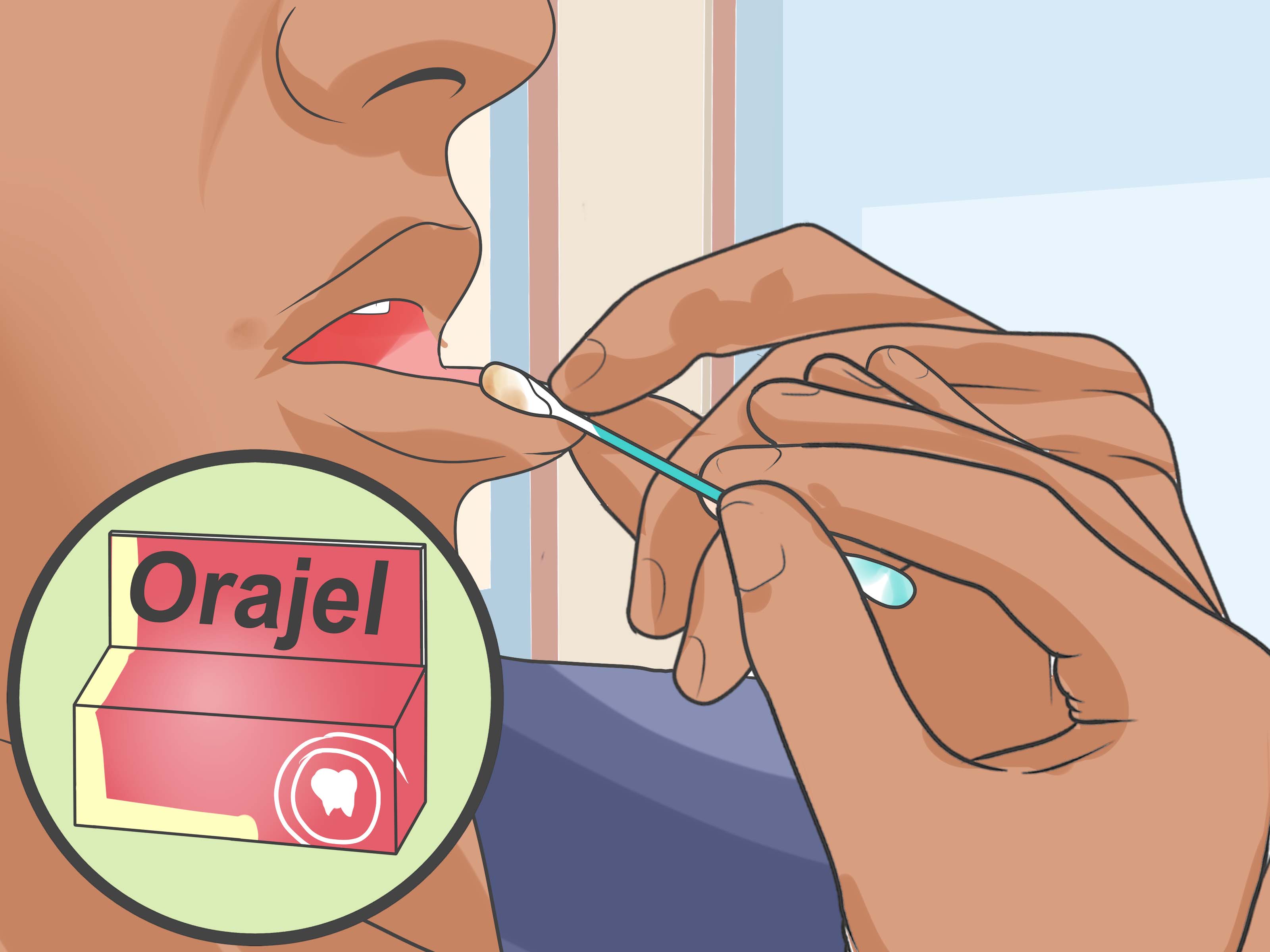
- Cotton swab (Q-tip): Useful for gently pressing or guiding the wire.
- Clean tweezers (carefully): Sometimes used to tuck a wire back into place if it slid out, but only if you can clearly see what you’re doing.
Step-by-step: How to nudge a poking wire back
- Use a mirror and good light. Don’t guess. Braces are not a “close your eyes and hope” situation.
- Rinse first if you can. A quick water rinse clears food that might be pushing things around.
- Gently push the wire toward the tooth. Use the eraser end of a pencil or a cotton swab to press the poking end down/away from the cheek.
- Stop if it won’t move easily. If it’s stuck, don’t force itcover with wax instead.
- Add wax after repositioning. Even if it feels better, wax helps prevent the wire from “boomeranging” back into your cheek.
What NOT to do (your cheeks will thank you)
- Don’t yank or twist the wire. Over-bending can distort the wire and affect how your teeth move.
- Don’t keep poking at it with sharp tools. More poking + metal braces = more irritation.
- Try not to cut the wire yourself. Many dental sources warn that cutting can create a small piece that could be swallowed or inhaled, and it can also cause more damage.
Example: The “wire slid to one side” scenario
Sometimes you’ll notice the wire feels fine on the left but pokes on the right, especially near the back molar area. Using a mirror, you might see the wire end
sticking out more on one side. A gentle nudge with a pencil eraser can often make it less irritating, followed by wax for comfort. Then you call your orthodontist
to get it adjusted properly.
Way #3: Protect your mouth, calm the irritation, and schedule the fix
Wax and repositioning are temporary reliefnot the finale. If a wire is poking, your orthodontist can trim it, replace it, or secure it so the poking stops
(and your cheeks can retire from active duty).
How to soothe irritation while you wait
- Warm saltwater rinse: Helpful for soothing irritated tissue and keeping the area clean.
- Stick to softer foods: Yogurt, eggs, pasta, smoothiesbasically anything that doesn’t require jaw-based heroics.
- Stay gentle with brushing: Keep cleaning, but don’t aggressively scrub the sore spot.
- Over-the-counter pain relief: If needed and appropriate for you, follow the label directions and check with a parent/guardian.
When to contact your orthodontist
Even if you can temporarily manage the poking wire, it’s still a “call the office” situation. Your orthodontist may want you in soonerespecially if the wire is broken,
a bracket is loose, or the discomfort keeps returning.
When it’s more urgent
- Persistent bleeding from the area that doesn’t stop.
- Swelling, pus, fever, or worsening pain (possible infection signs).
- Wire or bracket feels loose enough to be a choking risk.
- Severe pain that doesn’t improve with basic measures.
How to prevent poking wires from happening again (as much as possible)
- Avoid hard and sticky foods that can bend wires or loosen brackets (yes, this includes “just one bite” of something crunchy).
- Wear a mouthguard for sports. It helps protect braces and your mouth from impacts.
- Bring wax everywhere. Keep a tiny stash at home, in your bag, and anywhere you spend time.
- Don’t “fidget-fix” with your tongue. It’s tempting, but it often makes irritation worse.
Quick FAQ: Poking wire braces edition
Is a poking wire normal with braces?
It’s common, especially as teeth move or after adjustments. It’s annoying, but it usually doesn’t mean anything is “wrong” with your treatmentjust that the wire needs a trim or tweak.
How long can I wait before getting it fixed?
If wax and gentle repositioning stop the irritation, you can often wait until you can be seen soon. But if the wire is broken, pain is significant, or you keep getting poked, call your orthodontist and ask for the next available repair slot.
What if the wire is poking at night?
Use wax to cushion it and avoid messing with it repeatedly. If you have swelling, significant bleeding, or severe pain, contact an emergency dental provider or urgent care. Otherwise, call your orthodontist when the office opens.
Should I cut the wire myself?
In general, avoid it. Some reputable dental sources specifically warn not to cut the wire because small pieces can be swallowed or inhaled, and cutting can create sharper edges or lead to more damage. If you feel like cutting is the only option, contact your orthodontist first for guidance and have an adult help you.
Conclusion: Calm the poke, cushion the spot, call your orthodontist
If your braces wire is poking you, you’re not aloneand you’re not doomed to live on a diet of air and regret. The best plan is simple:
(1) cover it with orthodontic wax, (2) gently reposition it with a blunt tool if it’s clearly out of place, and (3) protect the irritated tissue while you schedule a quick orthodontic fix.
Most importantly, don’t force the wire and don’t turn it into a DIY project. Your orthodontist has the tools (and the training) to make it comfortable again.
Experiences: What poking wires are really like (and what usually helps)
People who wear braces often describe poking wires as one of those “small problem, big attitude” moments. It’s not always dramatic painit’s the constant, repeat annoyance.
One minute you’re fine, the next your cheek feels like it’s being politely stabbed every time you talk, chew, smile, breathe, exist, or think about snacks.
And because it’s inside your mouth, it feels personal. Like your braces have opinions about your life choices.
A really common story goes like this: someone gets an adjustment, feels a little pressure (normal), then a few days later, the back of the wire starts to peek out near a molar.
The first reaction is usually confusion“Is this a new feature?”followed quickly by negotiating with the universe:
“If I chew only on the other side, will my cheek stop getting attacked?”
Sometimes people try to ignore it, hoping it will magically behave. Spoiler: wires are not known for suddenly developing empathy.
The experiences that end best are usually the ones where someone handles it early with wax. Many braces-wearers say the first time they used orthodontic wax,
it felt like discovering a cheat code. The poking sensation drops from “ouch” to “oh, that’s tolerable” in minutes.
A pattern shows up in a lot of real-life situations: the wax works best when the area is dried first. Otherwise, people describe it sliding around like a tiny bar of soap.
Once they learn the “dry it, then press it” trick, wax becomes a go-to solutionespecially for school days, travel, or late-night surprise pokes.
Another common experience is the “school day panic.” Someone feels the wire poking during class, tries not to make a face, and then spends the rest of the day
speaking only in careful mouth movements like they’re in a silent movie. If they have wax in their backpack, it becomes a five-minute fix in the restroom.
If they don’t, they start bargaining with friends: “Do you have gum? Cotton? A first-aid kit? A tiny medieval shield?”
That’s why many orthodontists recommend keeping wax in multiple placesbecause poking wires love unexpected timing.
People also describe a psychological twist: once your cheek gets irritated, everything feels sharper. Even after you reposition the wire, the sore spot can stay sensitive for a day or two.
That’s when warm saltwater rinses and soft foods become the supporting cast. You’ll hear about folks switching to soups, smoothies, and pasta until the tissue calms down,
then returning to normal eating once the orthodontist trims the wire.
And finally, there’s the “I kept poking it with my tongue” experiencealmost everyone tries it at least once. It usually makes things worse.
The wire doesn’t move the way you want, the sore spot gets more irritated, and you end up with a mouth that feels tired.
The best real-world takeaway is boring but true: a quick wax cushion, a gentle nudge with a blunt tool if needed, and an orthodontist visit
is almost always the fastest route back to comfort (and back to chewing without fear).