Vegetable recipes have had a serious glow-up. Once upon a time, vegetables were treated like the polite side characters at dinner: steamed, under-seasoned, and pushed around the plate like they had offended someone. Not anymore. Today, the best vegetable recipes are bold, colorful, comforting, and surprisingly flexible. They can be the side dish, the main event, the meal-prep hero, or the “I have one zucchini, half an onion, and exactly zero patience” solution on a Tuesday night.
If you want to eat better without feeling like you are being punished by a bowl of sadness, vegetables are the answer. They add color, texture, fiber, and a whole parade of nutrients to your meals. Better yet, they respond beautifully to good technique. Roast them, stir-fry them, braise them, char them, toss them into pasta, fold them into rice, stack them in grain bowls, or turn them into soups that taste like comfort wearing a sweater. Great vegetable recipes are not about forcing yourself to be virtuous. They are about making food that tastes so good you forget it is also doing your body a favor.
Why Vegetable Recipes Deserve a Permanent Spot in Your Kitchen
There is a reason nutrition experts keep bringing vegetables into the conversation. A varied vegetable-heavy eating pattern helps support overall health, and the practical advice from major U.S. nutrition sources is refreshingly realistic: eat a variety, build balanced meals, and make vegetables easier to reach for instead of turning them into a dramatic life challenge. In plain English, the goal is not perfection. It is frequency.
That is where easy vegetable recipes shine. When vegetables are delicious, they stop feeling like homework. Roasted carrots become caramelized and sweet. Broccoli gets crispy edges. Mushrooms turn savory and almost meaty. Cabbage, once unfairly typecast, can become silky, charred, crunchy, or bright depending on how you treat it. Suddenly, “healthy vegetable recipes” are just… dinner. Tasty dinner. Dinner that does not require an emotional support pizza five minutes later.
Another win: vegetable recipes are budget-friendly and flexible. Fresh produce is great, but frozen vegetables, canned tomatoes, jarred peppers, and pre-cut produce can also help you cook faster and waste less food. That means you do not need a perfect farmers market haul and a handwoven basket to make something delicious. You need a pan, some seasoning, and enough confidence to stop boiling the life out of everything.
The Rules That Make Vegetable Recipes Actually Taste Good
1. Roast Hot and Give Vegetables Space
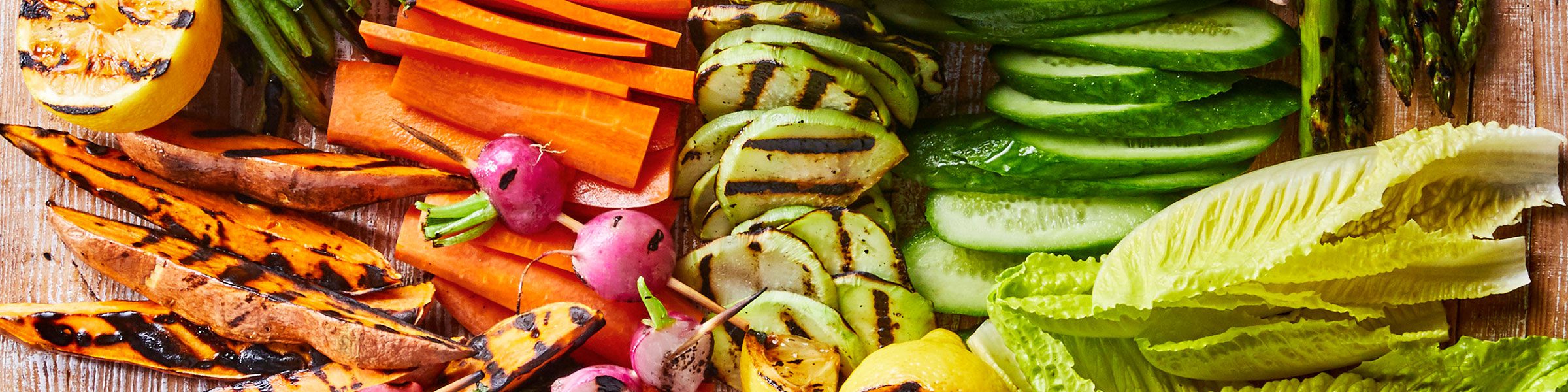
If you learn one trick, let it be this: crowded vegetables steam, spaced vegetables roast. When vegetables have room on the pan, their moisture evaporates more efficiently and they develop browned edges and deeper flavor. High heat helps too. That is how Brussels sprouts become nutty, cauliflower becomes golden, and sweet potatoes stop acting like damp orange sponges.
2. Season More Than You Think You Need
Vegetables love salt, acid, herbs, garlic, citrus, and a little fat. Olive oil, lemon juice, vinegar, chili flakes, Parmesan, sesame oil, tahini, yogurt sauce, pesto, and miso can all pull a dish from “fine” to “who made this?” Salt matters because it wakes up natural sweetness and helps the whole dish taste complete.
3. Use Texture Like a Secret Weapon
Texture is the difference between a bland pile of vegetables and a recipe people ask for twice. Pair soft with crunchy. Add toasted nuts, seeds, breadcrumbs, crispy shallots, or a creamy sauce. A warm vegetable dish with crunchy almonds or pumpkin seeds suddenly feels restaurant-worthy, even if you are eating it in sweatpants over the sink.
4. Match the Method to the Vegetable
Tender vegetables like zucchini, spinach, and asparagus cook quickly and do best with fast methods like sautéing or stir-frying. Dense vegetables such as carrots, potatoes, beets, and squash usually prefer roasting or braising. Green vegetables often benefit from quick cooking to keep their color and bite. In other words, not every vegetable wants the same treatment, just like not every guest wants to be seated next to the loud uncle.
5. Build Meals, Not Just Side Dishes
The smartest vegetable recipes do not stop at the side-dish stage. Add beans, lentils, eggs, tofu, whole grains, pasta, or rice, and vegetables become dinner. This is how you turn one tray of roasted vegetables into bowls, tacos, salads, soups, fried rice, and tomorrow’s lunch without feeling trapped in a leftovers loop.
10 Vegetable Recipes and Ideas Worth Making on Repeat
1. Sheet-Pan Roasted Rainbow Vegetables
This is the classic for a reason. Toss broccoli, carrots, red onion, cauliflower, and bell peppers with olive oil, salt, black pepper, and smoked paprika. Roast until the edges brown. Finish with lemon juice and parsley. It is the easiest gateway into better vegetable recipes because it is forgiving, colorful, and endlessly adaptable.
2. Garlicky Green Beans with Toasted Almonds
Blanch green beans briefly, then sauté them with olive oil, sliced garlic, and red pepper flakes. Add toasted almonds and a squeeze of lemon. This is one of those vegetable side dishes that tastes much fancier than the effort involved. It works for weeknights, holidays, and those dinners where you need one reliable green thing on the table.
3. Skillet Zucchini and Corn
Zucchini can go from delicious to mushy with Olympic-level speed, so a hot skillet is your friend. Sauté sliced zucchini with corn, shallots, and a pinch of chili powder. Finish with basil and crumbled feta. It is fast, summery, and ideal for using up produce before it reaches the “I’ll deal with this tomorrow” stage.
4. Crispy Roasted Cauliflower with Chickpeas
Roast cauliflower florets and chickpeas until crisp, then toss with tahini sauce, lemon, and chopped herbs. Add this to grain bowls or serve it with warm pita. It delivers crunch, creaminess, and enough substance to count as dinner. Cauliflower is basically the overachiever of the vegetable world, and honestly, it has earned the reputation.
5. Miso-Sesame Broccoli
Steam or roast broccoli until just tender, then coat it with a quick sauce made from miso, sesame oil, a touch of honey, rice vinegar, and garlic. Top with sesame seeds. This kind of recipe proves that broccoli is not boring; it has simply suffered from bad management.
6. Tomato-Braised Green Beans
For a softer, more comforting dish, simmer green beans with onions, garlic, tomatoes, and olive oil until tender. The beans soak up the tomato flavor beautifully. This is a great reminder that not every vegetable recipe needs to be crisp or crunchy. Some are better when cozy and spoonable.
7. Stuffed Bell Peppers with Rice and Vegetables
Fill bell peppers with a mixture of cooked rice, sautéed mushrooms, spinach, onions, herbs, and a little cheese or beans for extra staying power. Bake until tender. These are colorful, meal-worthy, and ideal when you want a vegetable recipe that looks like you tried very hard, even if you absolutely did not.
8. Mushroom and Spinach Pasta
Sauté mushrooms until deeply browned, add garlic and spinach, then toss with pasta, a splash of pasta water, Parmesan, and black pepper. It is technically a pasta dish, but the vegetables do a lot of the heavy lifting. This is one of the easiest weeknight vegetable meals because it feels comforting without being heavy.
9. Crunchy Cabbage Slaw
Combine shredded cabbage, carrots, scallions, and herbs with a tangy vinaigrette or yogurt-based dressing. Add sunflower seeds, peanuts, or pumpkin seeds for crunch. Slaws are underrated vegetable recipes because they keep well, brighten rich meals, and make sandwiches, tacos, and grilled foods instantly more interesting.
10. Leftover Vegetable Fried Rice
This is the clear winner for cleaning out the fridge. Use cold rice, scrambled egg or tofu, chopped leftover vegetables, soy sauce, garlic, and ginger. The beauty of fried rice is that it rewards improvisation. A lonely carrot, half a bell pepper, and a handful of spinach can all find their purpose here.
How to Make Vegetable Recipes More Filling and More Exciting
One reason some people claim they “do not like vegetable recipes” is that they are really talking about sad, incomplete meals. Vegetables become much more satisfying when paired with smart additions. Beans and lentils bring protein and fiber. Whole grains add chew and staying power. Pasta and potatoes add comfort. Nuts, seeds, cheese, eggs, tofu, or yogurt-based sauces add richness and balance. Suddenly, a pan of roasted vegetables is not just a side. It is a bowl, a wrap, a grain salad, or a hearty dinner.
Flavor layering matters too. Start with aromatics like onion, shallot, garlic, or ginger. Add spices that fit the mood: cumin for warmth, smoked paprika for depth, curry powder for complexity, oregano for brightness, chili crisp for attitude. Finish with something lively, like lemon zest, herbs, or vinegar. Great vegetable recipes often succeed because they combine earthy, sweet, salty, acidic, and crunchy elements in one bite.
Seasonal Vegetable Recipes Make Life Easier
Cooking seasonally is not just charming; it is practical. Spring gives you asparagus, peas, radishes, and tender greens that love quick cooking. Summer brings zucchini, tomatoes, corn, eggplant, and peppers that thrive in skillets, grills, and salads. Fall leans into cauliflower, Brussels sprouts, carrots, and squash, which roast beautifully. Winter is prime time for cabbage, beets, sweet potatoes, and sturdy greens that can handle braising and hearty soups.
Choosing vegetables that are in season often means better flavor and better value. It also keeps your meals from feeling repetitive. The trick is not to memorize a produce calendar like it is a final exam. Just notice what looks good, feels affordable, and seems easy to use. Then give it a method that flatters it.
Common Vegetable Recipe Mistakes to Avoid
- Overcrowding the pan: This leads to steaming instead of browning.
- Under-seasoning: Vegetables need salt and flavor support.
- Overcooking tender produce: Zucchini, green beans, and spinach do not need endless time.
- Using only one texture: Soft on soft can get boring fast.
- Ignoring leftovers: Roasted vegetables can become soups, wraps, bowls, frittatas, and fried rice.
Real-Life Experiences with Vegetable Recipes
The funniest thing about getting into vegetable recipes is realizing that the problem was never really the vegetables. It was the method. A lot of us grew up with vegetables that were boiled into submission, steamed without seasoning, or served as an obligation rather than an invitation. Then one day you roast carrots until their edges caramelize, or char broccoli until it gets crispy and nutty, and suddenly your kitchen has a tiny personal revolution.
Many home cooks have the same turning point: they stop asking, “How do I make myself eat more vegetables?” and start asking, “How do I make these again tomorrow?” That shift usually happens when the recipes become practical. Maybe it is a sheet pan of mixed vegetables on Sunday that becomes lunch bowls on Monday and pasta on Tuesday. Maybe it is fried rice built from leftovers that somehow tastes better than the original plan. Maybe it is the discovery that cabbage can be slaw, stir-fry, soup, roasted wedges, or taco filling depending on your mood and your fridge situation.
There is also a confidence factor that sneaks up on you. Once you understand a few techniques, vegetable recipes stop feeling rigid. You no longer panic when a recipe calls for broccoli but you only have cauliflower. You know that lemon can brighten, herbs can freshen, yogurt can cool, and chili flakes can rescue a bland pan in seconds. You start cooking with what you have instead of what a perfectly staged internet refrigerator says you should have.
Another real experience people talk about is how vegetable recipes can quietly change the mood of a household. A crispy tray of roasted vegetables gets more enthusiasm than a lecture about healthy eating ever will. Kids may still negotiate with suspicious intensity, but buttery peas, sweet roasted carrots, or cheesy spinach pasta often do more persuasive work than any nutrition speech. Adults are not much different, to be honest. We also want dinner to taste good first and be virtuous second.
Then there is the budget side of the story. Vegetable recipes are often the unsung heroes of “what can I make without going back to the store?” A bag of frozen broccoli, a couple of onions, canned tomatoes, rice, and some spices can become a full dinner. A nearly forgotten sweet potato can turn into tacos, hash, soup, or a grain bowl. That kind of flexibility feels less like cooking and more like low-stakes kitchen wizardry.
And finally, there is the part no one says enough: vegetable recipes make you feel capable. Not in a dramatic, life-coach way. In a real way. You take ingredients that are simple, humble, and sometimes overlooked, and turn them into something colorful, satisfying, and craveable. That is a good feeling. It makes the next meal easier, the next grocery trip smarter, and the whole idea of cooking at home less intimidating. If food habits are built one meal at a time, then delicious vegetable recipes are one of the easiest places to start.
Conclusion
The best vegetable recipes are not bland, boring, or built on sheer willpower. They are clever, flexible, and full of flavor. When you roast at high heat, season confidently, add texture, and pair vegetables with hearty ingredients, you get meals people genuinely want to eat. Whether you are making quick vegetable side dishes, healthy vegetable recipes for the week, or comfort-food dinners with a produce-forward twist, the secret is simple: treat vegetables like the main attraction, not the afterthought. Once you do that, your meals get brighter, smarter, and a whole lot more delicious.