For more than 50 years, the barcode has been the quiet little zebra on the back of nearly everything we buy. It has sat there, striped and humble, doing one job: telling a checkout system, “Hello, I am this product.” No drama. No biography. No origin story. Just a beep and a price.
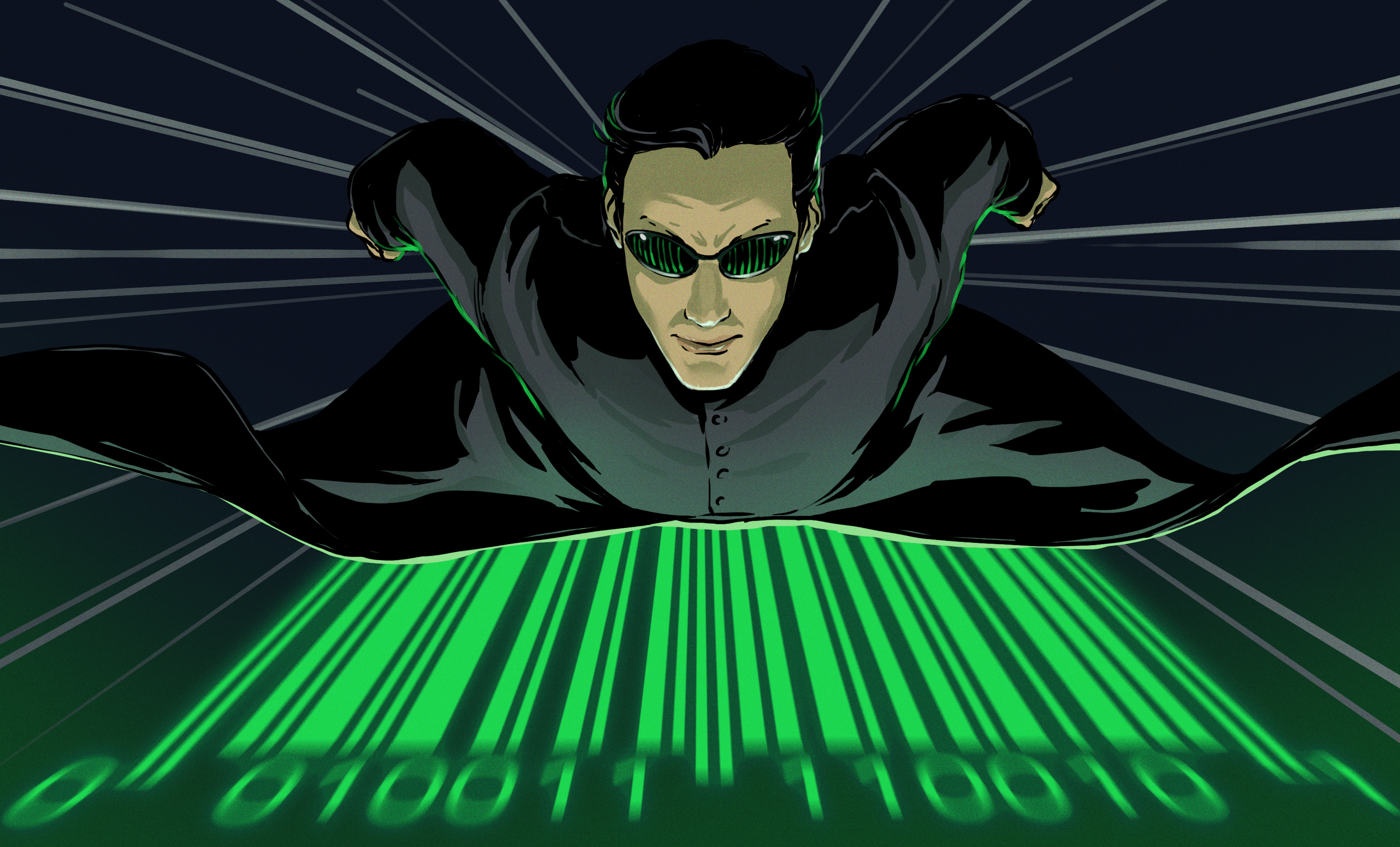
But retail is changing. In 2027, barcodes enter the matrixliterally and figurativelyas the industry moves toward 2D barcodes such as QR codes, GS1 DataMatrix, and Data Matrix codes powered by GS1 Digital Link. This shift is often called GS1 Sunrise 2027, and while it sounds like a sci-fi sequel starring a scanner and a loaf of bread, it is actually one of the biggest upgrades to product identification since the first UPC barcode was scanned in 1974.
The main idea is simple: traditional UPC and EAN barcodes are excellent at identifying products, but they are not built to carry much information. A 2D barcode can hold more data in a smaller space and can connect shoppers, retailers, brands, and supply chains to richer product information. Think of the old barcode as a name tag. The new 2D barcode is a name tag, passport, instruction manual, freshness tracker, recall assistant, and sometimes a tiny doorway to a product web page. Not bad for a square that looks like it lost a game of digital Tetris.
What Does “Barcodes Enter The Matrix In 2027” Mean?
The phrase points to the retail industry’s transition from one-dimensional linear barcodesthe familiar vertical black linesto two-dimensional matrix-style codes. These newer codes use patterns of squares, dots, or modules to store information both horizontally and vertically. That extra dimension matters because it allows far more data to be encoded than a standard UPC barcode can carry.
Under the GS1 Sunrise 2027 initiative, retailers are expected to prepare point-of-sale systems so they can scan and process approved 2D barcodes at checkout. The goal is not to flip a giant switch on January 1, 2027 and banish every UPC barcode to a museum next to fax machines and floppy disks. Instead, Sunrise 2027 is a readiness milestone. Retailers, manufacturers, packaging teams, software providers, and scanner makers are being encouraged to build the capability to read 2D barcodes while continuing to support existing UPC and EAN symbols during the transition.
Why The Traditional Barcode Needs A Bigger Brain
The classic UPC barcode has been a retail superhero. It helped speed up checkout, reduce pricing errors, improve inventory control, and make modern supply chains possible. It is one of those technologies that is so successful people barely notice it anymoreuntil a cashier has to type in the number manually and the whole line ages three years.
But the UPC was designed for a simpler job: product lookup. It usually carries a Global Trade Item Number, or GTIN, which tells a system what the item is. That is powerful, but today’s retail world wants more. Consumers want allergen details, sourcing information, recycling instructions, safety notices, usage tips, sustainability data, and proof that the product in their hand is not pretending to be something it is not. Retailers want better traceability, fresher inventory, more efficient recalls, fewer expired items on shelves, and cleaner data flowing between stores, warehouses, and brands.
A one-dimensional barcode can only stretch so far before packaging begins to look like a piano keyboard. A 2D barcode, by contrast, can encode additional information such as batch numbers, lot numbers, serial numbers, expiration dates, use-by dates, and web-enabled product identifiers. That makes it useful for fresh foods, medicine, apparel, cosmetics, consumer packaged goods, and any product category where details matter.
Meet The New Barcode Family
Not every square code is the same. The 2027 barcode transition includes several GS1-approved options, and each has a role to play.
QR Codes Powered By GS1 Digital Link
A QR code powered by GS1 Digital Link can work as both a retail barcode and a consumer-facing digital gateway. At checkout, the store’s scanner can read the product identifier. When a shopper scans it with a smartphone, the same code can connect to online product information, such as ingredients, instructions, promotions, warranty details, recycling guidance, or recall updates.
This is where the upgrade becomes especially interesting. Instead of printing a static code that only points to one basic page, brands can use GS1 Digital Link to connect a physical item to structured, standards-based online information. The package becomes a bridge between the shelf and the web, without needing a separate QR code for marketing, another barcode for checkout, and a third mysterious square that nobody trusts.
GS1 DataMatrix
GS1 DataMatrix is a compact 2D barcode often used where space is tight and data precision is important. It is already common in healthcare and regulated product environments because it can encode identifiers and additional attributes in a small symbol. For retail, DataMatrix can be useful on small packages where a large QR code would look like it is trying to take over the label.
Data Matrix With GS1 Digital Link
Data Matrix can also be used with GS1 Digital Link syntax, creating another route for products that need structured digital identification but have limited packaging space. The practical choice between QR code, GS1 DataMatrix, and Data Matrix with GS1 Digital Link depends on product type, label size, retail requirements, consumer engagement goals, and scanning equipment.
Will UPC Barcodes Disappear In 2027?
No. This is one of the biggest misunderstandings about Sunrise 2027. The UPC is not being thrown into a volcano. Traditional linear barcodes will continue to scan at point-of-sale after 2027, especially during the transition period and in categories where a 1D barcode still makes sense.
The more accurate explanation is that retail is moving toward dual capability. Checkout systems need to handle both the old barcode and the new 2D barcode. Brands may place a 2D barcode beside the existing UPC for a while. Over time, as scanners, software, trading partners, and packaging workflows mature, some products may rely more heavily on 2D codes. But for now, the future is less “barcode extinction event” and more “barcode family reunion.”
How 2D Barcodes Help Retailers
Retailers care about speed, accuracy, inventory visibility, food safety, shrink reduction, and customer trust. A smarter barcode can support all of those goals.
For example, a grocery item with an encoded expiration date could help a checkout system prevent the sale of expired products. A product with a batch or lot number could make recalls more precise, allowing a retailer to identify affected items faster instead of pulling every similar item from the shelf like a nervous magician emptying a hat. A fresh food department could improve markdown timing by using date data more effectively. A store associate could scan one code and see product identity, availability, handling instructions, and other operational data.
Inventory control also improves when products carry more useful information. Retailers can better understand what is moving, what is aging, what needs replenishment, and what needs attention. The result can be fewer out-of-stocks, less waste, and better decisions across stores and distribution centers.
How 2D Barcodes Help Brands
For brands, the 2D barcode transition is not just a compliance project. It is a packaging strategy. A product package has limited real estate, and every inch is already fighting for nutrition facts, claims, warnings, logos, certifications, romance copy, and that one tiny sentence legal insisted must be included. A single GS1 Digital Link barcode can reduce clutter by connecting shoppers to deeper information online.
A food brand might use the code to share allergen details, recipe ideas, sourcing information, and local recycling instructions. A cosmetics company might connect customers to shade guides, usage videos, ingredient explanations, and authenticity checks. An electronics brand might link to setup guides, warranty registration, firmware updates, and troubleshooting pages. A pet food company might provide feeding guidance based on pet size and age. In each case, the barcode becomes more than a checkout tool. It becomes a customer experience tool.
The best part is flexibility. Printed packaging is static, but web content can be updated. If a brand needs to correct instructions, add a new recycling program, publish safety information, or improve a product page, it can do that online without waiting for every old package to vanish from shelves.
How Shoppers Will Experience The Change
For consumers, the change may feel subtle at first. The checkout scanner still goes beep. The receipt still somehow makes a $12 shopping trip look like a mortgage document. But the package itself becomes more useful.
A shopper scanning a 2D barcode may be able to see detailed ingredients, allergens, certifications, country-of-origin information, product instructions, sustainability claims, recycling guidance, or recall status. This is especially useful when the printed label cannot answer every question. A parent checking allergens, a shopper comparing products for dietary needs, or a customer trying to recycle packaging correctly can get more specific information without playing detective in aisle seven.
SmartLabel-style experiences already show how this can work. Many brands use QR codes to provide expanded product information beyond what fits on packaging. Sunrise 2027 takes that general idea and connects it more deeply with global barcode standards and retail scanning requirements.
The Supply Chain Becomes More Transparent
One of the biggest benefits of 2D barcodes is traceability. Modern supply chains are complex. A single product may involve farms, factories, co-packers, packaging suppliers, distributors, warehouses, retailers, delivery networks, and e-commerce platforms. When something goes wrong, speed matters.
With richer barcode data, companies can trace products by lot, batch, date, or serial number. That can make recalls faster and more targeted. It can also support anti-counterfeiting programs, quality control, cold-chain monitoring, and regulatory reporting. In industries such as food, healthcare, cosmetics, and supplements, the ability to connect a product to accurate data is not just convenient. It can protect people.
This is why GS1 standards matter. A barcode is only useful when trading partners agree on what the data means. Without standards, every company could invent its own format, and checkout lanes would become tiny theaters of chaos. GS1 provides the shared language that allows retailers, brands, logistics providers, and technology systems to understand the same product data consistently.
What Businesses Should Do Before 2027
Businesses should treat Sunrise 2027 as a practical roadmap, not a last-minute panic button. Waiting until the final months is a great way to discover that packaging redesign, scanner testing, data governance, and software integration do not enjoy being rushed.
1. Audit Current Barcodes And Packaging
Brands should identify where UPC, EAN, QR, Data Matrix, and internal codes are currently used. Some packages may already include consumer QR codes for marketing or SmartLabel pages. Others may have limited space or printing constraints. Understanding the current state helps teams decide whether a 2D barcode can replace, combine, or sit beside existing symbols.
2. Clean Up Product Data
A smarter barcode is only as smart as the data behind it. If product records are messy, outdated, duplicated, or inconsistent, a 2D barcode will not magically fix them. It will simply point to the mess faster. Companies should review GTINs, product attributes, allergen data, ingredient lists, images, recall workflows, and digital product pages.
3. Test Scanning Equipment
Retailers need scanners and point-of-sale software that can read and process 2D barcodes correctly. That includes extracting the GTIN and, eventually, handling additional GS1 application identifier data. Testing matters because a code that works beautifully in a design file may behave differently on glossy packaging, curved bottles, crinkled bags, freezer labels, or tiny boxes that have clearly been through an emotional journey.
4. Choose The Right 2D Barcode Type
QR codes are familiar to consumers and useful when smartphone engagement is important. DataMatrix can be better for small spaces and operational use cases. The right choice depends on the product, the retail environment, scanning needs, available label space, and whether the brand wants consumers to scan the code directly.
5. Coordinate With Retail Partners
Retailers will move at different speeds. A national grocery chain, a regional pharmacy, and a small specialty store may not all have the same readiness timeline. Brands should talk with trading partners early, confirm accepted data carriers, test samples, and avoid assuming that one packaging decision will work everywhere immediately.
Challenges In The Barcode Matrix
The transition is promising, but it is not effortless. Packaging changes cost money. Retail scanners need upgrades or configuration. Software systems must parse new data formats. Product information must be accurate. Employees may need training. Consumers may need to learn which codes are trustworthy and what information they can expect after scanning.
There is also a cybersecurity angle. QR codes are useful because they hide a web address inside a simple visual symbol. Unfortunately, that same convenience can be abused by scammers. Consumers should be cautious with random QR codes, especially codes placed on stickers, unexpected packages, emails, parking meters, or posters that ask for payment or login details. Brands and retailers should use trusted domains, clear landing pages, secure redirects, and visible consumer education to build confidence.
Another challenge is sustainability. Digital product information can reduce printed clutter, but cloud-based experiences still require data hosting, maintenance, and governance. The smartest programs will avoid turning every scan into a bloated web carnival. A good product page should load quickly, answer real questions, and not require shoppers to tap through six pop-ups just to find out whether the granola contains almonds.
Specific Examples Of 2D Barcode Use
Imagine a carton of yogurt with a 2D barcode that includes a GTIN and use-by date. At checkout, the system recognizes the item and can flag it if the date has passed. In the shopper’s kitchen, scanning the same code could show nutrition facts, farm sourcing information, recipes, and recycling guidance for the container.
Now picture a bottle of over-the-counter medicine. A 2D code could connect a consumer to dosage instructions, safety warnings, active ingredients, expiration details, and recall notices. For a retailer, the same data could improve inventory rotation and reduce the chance of expired stock remaining on shelves.
For apparel, a 2D barcode could connect shoppers to size guides, material information, care instructions, sustainability details, and authenticity checks. For electronics, it could lead to setup videos, manuals, software downloads, warranty pages, and repair support. The humble barcode suddenly becomes a digital concierge. It still wears a tiny square suit, but now it has range.
Experience: What This Change Feels Like In The Real World
The barcode transition may sound technical, but the real-world experience is surprisingly easy to understand if you have ever stood in a store comparing two products and wished the package would stop being so vague. A traditional barcode does not help with that. It is there for the register, not for you. A 2D barcode changes the mood. Suddenly, the package can talk backpolitely, hopefully, and preferably without autoplay video.
From a shopper’s perspective, the best 2D barcode experience is fast and useful. You scan the code, the page opens quickly, and the answer is obvious. Is this product gluten-free? Can this pouch be recycled in my ZIP code? Where was it made? Is there a recall? How do I assemble this thing without developing a lifelong grudge against tiny screws? When the digital experience answers those questions clearly, the barcode earns its place on the package.
From a retailer’s perspective, the experience is operational. Store teams do not want technology that creates more work. They want fewer expired items, cleaner inventory records, faster recalls, and smoother checkout. A 2D barcode can help, but only if the scanning system, product database, and employee workflow are aligned. If the scanner reads the symbol but the software does not know what to do with the data, that is not innovation. That is a beep with commitment issues.
From a brand’s perspective, the transition can feel like spring cleaning in a very crowded digital closet. Product data that once lived in spreadsheets, packaging files, regulatory folders, marketing pages, and customer service documents needs to become consistent and reliable. This is the hidden work behind the shiny square. The barcode may be small, but it forces a big question: “Do we actually know our product data well enough to share it everywhere?”
The brands that handle this well will treat Sunrise 2027 as an opportunity rather than a nuisance. They will use the 2D barcode to simplify packaging, reduce duplicate codes, improve transparency, and build trust. They will create landing pages that are genuinely helpful, not just digital billboards wearing a fake mustache. They will test codes on real packaging, under real lighting, with real scanners, in real stores, because real life enjoys ruining perfect lab conditions.
Small businesses may feel nervous, and that is understandable. Barcode standards can sound intimidating. But the transition does not require every company to become a global data architect overnight. A practical approach is to start with the basics: confirm GS1 identifiers, clean product information, understand retailer requirements, choose the right barcode type, and test before printing thousands of labels. Crawl, walk, run is better than sprint, trip, reprint.
The most exciting part is that this change makes the physical shelf more connected to the digital world without replacing the human shopping experience. People still pick up products, read labels, compare prices, and make decisions in the aisle. The 2D barcode simply gives them a deeper layer when they need it. It is not the end of packaging. It is packaging with a trapdoor to better information.
By 2027 and beyond, shoppers may stop thinking of barcodes as checkout-only symbols. They may see them as proof points, help buttons, freshness indicators, and transparency tools. Retailers may see them as data carriers that reduce waste and improve operations. Brands may see them as a direct connection to customers at the exact moment of decision. That is why barcodes entering the matrix is more than a clever headline. It is the next chapter in how products identify themselves, explain themselves, and earn trust in a world where a tiny square can carry a surprisingly big story.
Conclusion
Barcodes enter the matrix in 2027 because retail needs more than a striped product ID. The move toward 2D barcodes, GS1 Digital Link, QR codes, and DataMatrix symbols gives products a richer digital identity. It can improve checkout readiness, traceability, recall management, inventory accuracy, consumer transparency, and brand engagement.
The UPC barcode is not disappearing overnight. It remains one of the most successful retail technologies ever created. But the next generation of barcodes is arriving because products now need to carry more information, connect to trusted online sources, and support smarter supply chains. The barcode’s future is not just a beep. It is a scan, a link, a data record, and a better conversation between the product and everyone who touches it.
Note: This article was written from current, real-world information about GS1 Sunrise 2027, 2D barcodes, GS1 Digital Link, retail point-of-sale readiness, SmartLabel-style product transparency, barcode history, and QR code security considerations.