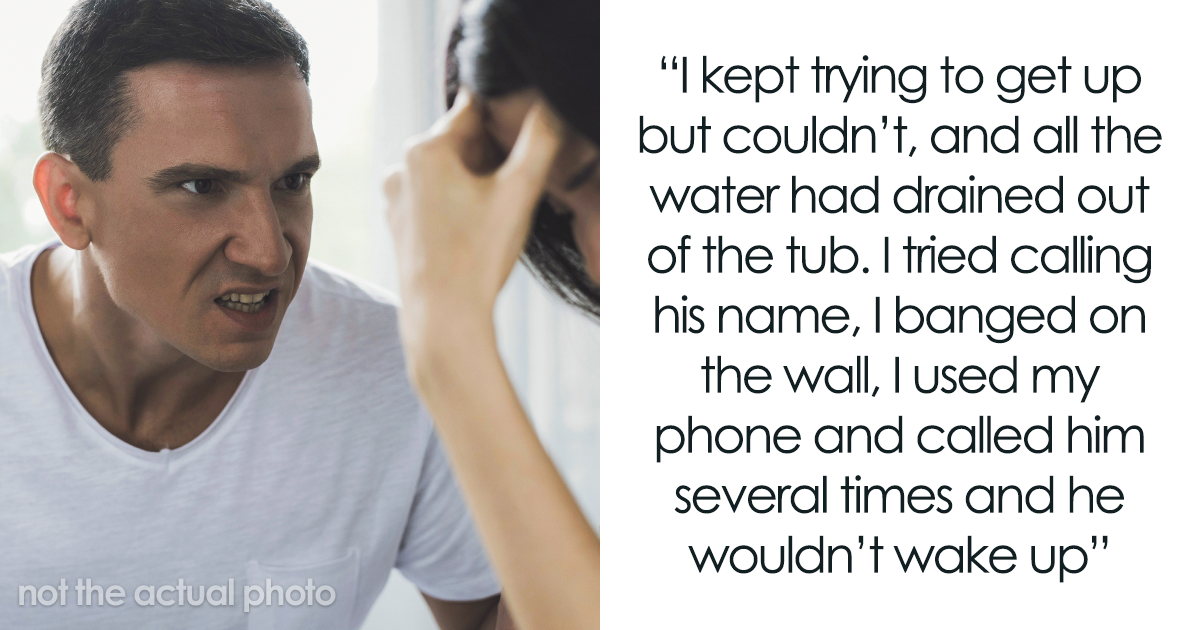
There are bad nights, and then there are “I accidentally turned my bathtub into a porcelain prison” nights. One viral story about a full-term pregnant woman getting stuck in a tub hit the internet like a wet bar of soap: fast, messy, and impossible to ignore. What started as a late-night attempt to soothe contractions and cramping turned into a frightening physical struggle, followed by something even worse: a partner reaction so cold that it left her crying.
That combination is exactly why this story resonated. It was not just about a slippery tub. It was about late-pregnancy vulnerability, the invisible physical strain of the third trimester, and the emotional damage that happens when the person who should be your soft place to land chooses criticism over care. For readers, the bathtub was the scene. The real drama was what happened when she asked for help.
And yes, the setup sounds almost absurd in a darkly comic way. A bath meant to provide comfort became a one-woman escape room with very bad acoustics. But the emotional core is no joke. The story opened a bigger conversation about pregnancy support, relationship red flags, bath safety in the final weeks, and why a partner’s response during a stressful moment can tell you more than a hundred sweet texts ever could.
The Viral Story That Had Readers Fuming
According to the widely shared account, the woman was 40 weeks pregnant and dealing with two days of contractions and cramping. Wanting some relief, she took a late-night bath. The plan was simple: soak, breathe, feel human again. The reality was much less glamorous. When she tried to get up, she could not lift herself out. She slipped, became stuck, and spent roughly 40 minutes trying to free herself while panic set in.
She texted. She called. She banged on the wall. Eventually, her partner woke up. Instead of responding with concern, urgency, or even basic kindness, he reportedly met her distress with anger and blame. She was crying, frightened, physically trapped, and likely exhausted from late pregnancy discomfort. His reaction left her in tears, and readers online wasted absolutely no time pointing out the obvious: when your heavily pregnant partner is stuck in a bathtub and panicking, the correct response is not a lecture.
That detail is what made the story stick. Online audiences are used to dramatic posts, but this one felt painfully plausible. It was not an over-the-top movie scene. It was a small domestic emergency that revealed a much bigger emotional problem.
Third-trimester discomforts, labor signs, and late-pregnancy changes are well documented by Cleveland Clinic, ACOG, MedlinePlus, March of Dimes, and Mayo Clinic.
Why Getting Stuck In A Tub During Late Pregnancy Is More Realistic Than It Sounds
Late pregnancy can make basic movement feel weirdly complicated
By the end of pregnancy, the body is doing Olympic-level work while pretending everything is normal. The belly is bigger, the center of gravity shifts, balance changes, muscles tire more easily, and simple motions like bending, twisting, standing up, or getting off the floor can suddenly feel like they require choreography, planning, and perhaps a forklift. In the third trimester, it is common to deal with pelvic pressure, cramping, shortness of breath, sleep disruption, and that very glamorous symptom known as “I need to pee again already?”
That matters because a bathtub is basically a slick, curved obstacle course. The same body changes that make getting out of bed harder can also make climbing out of a tub unexpectedly difficult, especially when someone is full-term, sore, fatigued, or feeling contractions. Add water, smooth surfaces, and awkward leverage, and suddenly the exit becomes the boss battle.
Warm baths may help discomfort, but “warm” and “hot” are not the same thing
A warm bath is often used to soothe aches, tension, and mild cramping during pregnancy. But medical guidance is clear that overheating during pregnancy is something to avoid. That is why hot tubs and saunas are generally discouraged. Even a normal bath can become a problem if it is too hot, too long, or followed by dizziness, weakness, or trouble standing. In other words, a relaxing soak can turn rude in a hurry.
The viral story makes sense on a practical level because many pregnant women are stuck in that frustrating zone where they are still trying to do normal life while their bodies are loudly announcing that normal life has changed. A bath sounds simple. Late pregnancy has a way of making simple things humble you.
His Reaction Leaves Her In Tears Because It Was About More Than One Moment
Support during pregnancy is not just nice to have
A lot of people read this story and focused on the yelling, which was fair. But the deeper issue was the absence of support in a moment when support mattered most. Research on pregnancy and postpartum mental health consistently shows that perceived partner support is linked with lower emotional distress, while low support is associated with worse anxiety, depression, and overall strain. In plain English: kindness is not extra credit here. It is part of the health equation.
That is why this story landed so hard. A full-term pregnant woman was not asking for a luxury spa service or a dramatic rescue team with violins playing in the background. She was asking for help getting out of a bathtub. When a partner responds to vulnerability with annoyance, the emotional damage comes from the message underneath it: your distress is an inconvenience to me. That is the kind of sentence people may never say out loud, but they communicate it anyway.
Panic plus blame is an especially cruel combination
Being physically stuck is scary. Being physically stuck while pregnant and already dealing with contractions or cramping is scarier. Being in that state and then getting blamed when help finally arrives? That can hit like a freight train. Panic does not need a debate. It needs grounding, calm, and action. A supportive partner would have moved into problem-solving mode: help her up, check whether she fell hard, ask if the baby is moving normally, help her breathe, and decide whether to call a provider if symptoms were concerning.
Instead, the reported reaction turned a stressful accident into an emotional wound. Readers were not just mad about tone. They were reacting to what that tone suggested about the relationship itself.
Partner support is associated with lower distress, while reduced social support is linked to worse perinatal and postpartum outcomes.
Why Readers Saw A Relationship Red Flag, Not Just A Bad Mood
Internet audiences can be dramatic, sure. Give the web one suspicious text message and half the comments will recommend changing your name and moving to another state. But in this case, readers had a point. Pregnancy often intensifies whatever is already present in a relationship. If empathy, patience, and teamwork are strong, they tend to show up more clearly. If resentment, selfishness, or emotional unreliability are lurking under the rug, pregnancy has a way of yanking that rug back like a magician with bad intentions.
Late pregnancy is not the time for a partner to audition for the role of “occasionally helpful roommate.” It is the season when reliability matters most. There are appointments, symptoms, sleep issues, practical preparations, and the very real possibility that labor could start at any inconvenient hour because babies do not care about anyone’s gaming schedule, nap cycle, or emotional immaturity.
The reason the partner’s reaction upset so many people is simple: if someone cannot show tenderness during a moment this vulnerable, what happens during labor? What happens during postpartum recovery, when exhaustion is nuclear, emotions are tender, and the household suddenly includes a tiny screaming supervisor with no respect for office hours? The tub incident felt small on paper, but it hinted at much bigger fears.
What This Story Teaches About Pregnancy Support
1. Believe distress first, analyze later
If your pregnant partner says she is in pain, scared, dizzy, stuck, or panicking, the first job is not to cross-examine her like a detective in a wrinkled T-shirt. The first job is to help. You can figure out what happened after the immediate problem is solved.
2. Practical help is emotional help
Bringing water, offering an arm, helping someone stand, staying nearby during a bath, or checking in during contractions may sound basic. That is because it is basic. Basic care, delivered consistently, often matters more than grand romantic speeches. Love is lovely. But during pregnancy, love wearing sneakers and carrying a phone charger is even better.
3. Tone matters when someone is vulnerable
Fear makes people raw. Pregnancy can already magnify discomfort, anxiety, and physical fatigue. A harsh tone can escalate the whole moment. A calm voice can do the opposite. One says, “You are a burden.” The other says, “I’ve got you.” Those are two very different homes to live in.
4. Late pregnancy requires teamwork, not scorekeeping
Healthy relationships during pregnancy are not about keeping tabs on who was inconvenienced more. They are about recognizing that one person is carrying an enormous physical load and the other should be helping shoulder the rest of life. Not out of pity. Out of partnership.
When A Pregnancy Mishap Means It Is Time To Call A Medical Provider
A bathtub struggle may be embarrassing, but certain symptoms should move it out of the “well, that was awful” category and into “call your doctor now” territory. Heavy vaginal bleeding, leaking fluid, regular contractions that intensify, severe pain, constant pain between contractions, decreased fetal movement, trouble breathing, fainting, or a significant fall can all be warning signs that need medical advice. If someone fell onto the abdomen or hit it during the struggle, that is even more reason not to just shrug and move on.
This is another reason the story unsettled readers. She was already having contractions and cramping, and she experienced a fall while trying to get out. Even if everything turned out okay, the situation had enough moving parts to justify concern, not irritation.
Warning signs during pregnancy and labor include bleeding, leaking fluid, severe pain, decreased fetal movement, trouble breathing, and contractions that intensify. Falls later in pregnancy can be more concerning.
How To Make Baths Safer In The Third Trimester
The lesson here is not that pregnant women should avoid all comfort forever and spend the final month sitting upright like nervous flamingos. It is that a little planning goes a long way. Keep the water warm rather than hot. Stand up slowly. Have a phone nearby. Use a non-slip surface if possible. And if getting in or out of the tub has become awkward, painful, or wobbly, consider asking someone to be within earshot or switching to a shower for a while.
That may sound unglamorous, but so does being stranded in a bathtub while your partner sleep-ignores your emergency. Sometimes the least exciting safety choices are the ones that save the most tears.
Why This Story Went Viral In The First Place
People did not respond so strongly because they were shocked that a pregnant woman got stuck somewhere awkward. Pregnancy is full of awkwardness. They responded because the story captured a feeling many women know too well: the crushing disappointment of being vulnerable and realizing the person beside you is emotionally absent when it matters. That is a universal pain with a very specific setting.
It also tapped into a broader cultural conversation about emotional labor and the “mental load” in families. Pregnancy often reveals who is anticipating needs, who is paying attention, who notices danger, and who expects to be told every obvious thing like a very tall intern. When support is missing during pregnancy, people do not just worry about the current moment. They worry about the future.
And maybe that is why this story keeps circulating. It is not just dramatic. It is clarifying. It asks a question many readers instantly answered for themselves: if this is how he reacts before the baby arrives, what exactly does the next chapter look like?
More Experiences Related To This Story
Stories like this spread because they are not as rare as people would like to believe. Plenty of women describe the last weeks of pregnancy as a strange mix of anticipation, discomfort, comedy, and vulnerability. One hour, they are folding baby clothes and feeling organized. The next, they are crying because they dropped a sock, cannot reach it, and suddenly the sock feels like a symbol of civilization collapsing. That sounds ridiculous until you remember they may be sleeping poorly, carrying extra weight, timing contractions, fielding questions from relatives, and trying to move through the world in a body that no longer follows the usual rules.
A common theme in many pregnancy stories is the shock of how quickly independence can become tricky. Women who are used to doing everything themselves suddenly find that shaving, tying shoes, standing up from the couch, rolling over in bed, or climbing out of a tub becomes a mini event. Often, the physical challenge itself is manageable. What hurts more is feeling dismissed when they ask for help. The emotional sting comes from being made to feel dramatic for needing support during one of the most physically demanding stretches of life.
Another experience that makes this bathtub story so relatable is the confusion around early labor signs. Many women spend the last days of pregnancy playing the world’s least relaxing guessing game: Is this labor? Is this prodromal labor? Is this just cramping? Is my body preparing for something, or is it trolling me? That uncertainty can make a warm bath feel like a sensible self-care move. It can also mean that when something goes wrong, emotions escalate quickly because there is already a layer of fear underneath the surface.
There is also the private embarrassment factor. Pregnancy can be humbling in a thousand tiny ways. Getting stuck in a bathtub is the kind of thing people might laugh about later with the right partner, the kind who helps first and jokes second. But with the wrong partner, the moment turns from mildly mortifying to deeply painful. The difference is not the bathtub. The difference is whether the person beside you treats your vulnerability with tenderness.
Many new mothers say they remember those moments long after the baby arrives. Not necessarily because they were the biggest crises, but because they revealed who showed up and how. A partner who responds with patience can make a hard pregnancy feel survivable. A partner who responds with blame can make even a small emergency feel lonely. That is why this story lingers. Underneath the splashy headline is a very real truth: during pregnancy, people do not just need help with practical things. They need to feel safe asking for it.
Conclusion
The story of a heavily pregnant woman stuck in a tub may sound like internet drama with a slippery twist, but the reaction it sparked makes perfect sense. At its core, this was not about bathwater or bad timing. It was about what support looks like when someone is physically vulnerable, emotionally raw, and close to giving birth. Readers were not outraged because the scenario was unusual. They were outraged because the response was revealing.
Pregnancy has a way of stripping life down to essentials. Safety matters. Kindness matters. Reliability matters. If a partner cannot manage empathy when the stakes are this obvious, the problem is not the bathtub. The problem is the blueprint. And that is why this story left so many people angry, sad, and nodding along all at once.