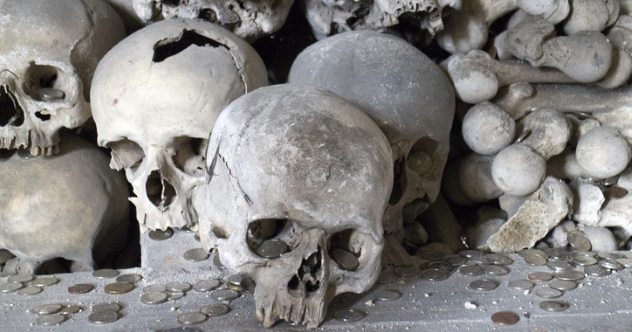
The Black Death was not just “a bad flu with dramatic branding.” It was one of the most devastating pandemics in human history, tearing through Europe, Asia, North Africa, and the Middle East in the 14th century. In Europe alone, it may have killed roughly one-third to one-half of the population in many regions. Whole villages shrank. Cities lost workers, priests, parents, children, merchants, and rulers. Society did not simply cough and recover; it staggered, rewired itself, and remembered the trauma for centuries.
So why was the Black Death so deadly? The short answer is that several disasters lined up like a medieval conga line nobody asked to join. A highly dangerous bacterium, Yersinia pestis, met crowded towns, hungry populations, busy trade routes, poor sanitation, limited medical knowledge, and panic-driven human behavior. Add fleas, rats, ships, warfare, superstition, and the total absence of antibiotics, and you have a public-health nightmare with a hooded robe and a very full calendar.
This article breaks down the 10 major factors that made the Black Death so deadly, from biology to society, and explains why this medieval plague pandemic spread with such frightening speed.
1. The Bacterium Was Brutally Efficient
The Black Death was caused by Yersinia pestis, a bacterium capable of producing several forms of plague. The most famous was bubonic plague, named after the painful swollen lymph nodes called buboes. These swellings often appeared in the groin, armpit, or neck and were accompanied by fever, chills, weakness, headache, and extreme pain. Medieval chroniclers did not need a medical degree to know something terrible was happening. Bodies were giving very loud, very alarming reviews.
What made Yersinia pestis especially dangerous was how fast it could overwhelm the body. Without treatment, the infection could spread from the lymph nodes into the bloodstream, causing septicemic plague. It could also reach the lungs, becoming pneumonic plague, which was even more frightening because it could spread from person to person through infectious droplets. In a world without antibiotics, intensive care, or even a clear understanding of bacteria, the disease often moved faster than any available response.
2. Fleas and Rodents Created a Perfect Delivery System
One of the deadliest features of plague is its relationship with fleas and rodents. The bacterium circulates naturally among wild rodents and is transmitted by fleas. When fleas feeding on infected animals moved to humans, they could pass the bacterium into the bloodstream through bites. The flea was basically the medieval version of a terrible courier service: small, fast, persistent, and absolutely not respecting boundaries.
Rats, especially black rats living close to people, have long been associated with plague transmission. Ships, grain stores, markets, warehouses, and homes created ideal habitats for rodents. However, modern research also suggests that human parasites such as fleas and lice may have contributed to transmission in some settings. That matters because medieval people lived in close quarters, wore layers of clothing, bathed irregularly by modern standards, and often shared bedding. In other words, the disease did not depend on one pathway. It had options, which is never comforting when discussing a pandemic.
3. Trade Routes Turned Local Outbreaks Into a Pandemic
Medieval trade was a marvel of connection. Merchants moved silk, spices, grain, textiles, metal, and luxury goods across continents. Unfortunately, they also moved fleas, rats, infected people, and contaminated cargo. The same networks that made cities wealthy helped plague travel from region to region.
The disease reached major ports and commercial centers through land and sea routes. Ships arriving from the Black Sea and eastern Mediterranean helped introduce plague into European port cities such as Messina, Genoa, Venice, and Marseille. Once plague entered these busy hubs, it could move inland with merchants, sailors, refugees, carts, animals, and goods. Trade routes acted like arteries, and the plague moved through them like poison in the bloodstream.
This is one reason the Black Death spread so rapidly. It did not have to wander randomly across the landscape. It traveled along the most active human pathways available. Medieval globalization had benefits, but it also came with a microscopic subscription fee nobody read in the terms and conditions.
4. Crowded Cities Helped the Disease Explode
Urban life in the 14th century was vibrant, noisy, smelly, and packed. Medieval cities had narrow streets, crowded houses, open markets, animals living near people, and limited waste management. When plague arrived, dense populations gave it plenty of opportunities to spread.
People lived close together, often with multiple family members sharing small rooms. Travelers stayed in inns. Workers gathered in workshops. Buyers crowded into markets. Religious services brought people together in churches. In a modern outbreak, public-health officials might recommend distancing, ventilation, testing, and isolation. In a medieval town, the main strategy was often “hope, pray, and maybe burn some herbs,” which is not exactly a gold-standard intervention.
Crowding also made it easier for panic to spread alongside disease. People fled from infected neighborhoods, sometimes carrying infection with them. Others stayed with sick relatives, increasing exposure. Bodies accumulated faster than communities could bury them. The social fabric frayed under the pressure.
5. Poor Sanitation Gave Rats, Fleas, and Disease a Helping Hand
Sanitation in medieval Europe was not uniformly terrible everywhere, but by modern standards, many towns had serious problems. Waste could collect in streets. Animals wandered through urban areas. Food storage attracted rodents. Drainage was poor. Clean water and sewage systems were limited. If germs had been real estate investors, medieval cities would have looked like an exciting growth market.
Poor sanitation did not “cause” the Black Death by itself, but it helped create conditions where rodents and parasites could thrive. Fleas could live among bedding, clothing, straw, and animal spaces. Rats could feed on grain, refuse, and stored goods. People were exposed to pests in homes, ships, barns, markets, and warehouses.
This mattered because plague transmission depended heavily on contact between infected animals, fleas, and humans. A cleaner environment would not have magically stopped the pandemic, but filthy conditions made the job much easier for plague vectors.
6. Many People Were Already Weakened by Famine and Hardship
The Black Death struck populations that had already endured decades of stress. In the early 14th century, parts of Europe experienced crop failures, climate instability, food shortages, and famine. The Great Famine of 1315–1317 had left deep scars, and later poor harvests added more pressure. Malnutrition weakens the body’s ability to fight infection, so when plague arrived, many people were physically vulnerable.
Hunger also changed behavior. Cities relied on grain shipments, and increased movement of food could also increase movement of rodents and fleas. Families weakened by poor diets had fewer reserves when fever, vomiting, and infection struck. Laborers still had to work. Parents still had to care for children. Communities could not simply pause life until the danger passed.
Disease rarely strikes in a vacuum. The Black Death was deadly not only because the bacterium was powerful, but because it entered a world already under strain. Plague found societies with cracked foundations and then began jumping on the floorboards.
7. Medieval Medicine Could Not Identify the Real Enemy
Doctors in the 14th century were not stupid; they were working with the wrong tools and theories. Many educated physicians relied on classical ideas about bodily humors, astrology, corrupted air, and spiritual causes. Some treatments included bloodletting, purging, herbal remedies, incense, vinegar washes, and complicated advice about diet and air quality. A few practices may have offered comfort or minor practical benefit, but none could kill Yersinia pestis.
The germ theory of disease did not exist. Microscopes were not available for diagnosing bacteria. Antibiotics were centuries away. Quarantine was developing in some places, especially Italian city-states, but it was not consistent or always early enough. Medieval people could observe patterns, such as the danger of contact with the sick, but they could not see fleas as bacterial delivery systems.
That knowledge gap was devastating. When you do not know the true cause of a disease, prevention becomes a guessing game. And in the Black Death, the guesses were often too late, too local, or simply wrong.
8. Pneumonic Plague Made Person-to-Person Spread Possible
Bubonic plague usually spreads through infected fleas, but pneumonic plague can spread through respiratory droplets from an infected person or animal. This made some outbreaks especially deadly. Pneumonic plague attacks the lungs and can progress rapidly, causing fever, weakness, chest pain, shortness of breath, and bloody or watery sputum.
In a crowded household, monastery, barracks, ship, or city street, pneumonic transmission could be terrifying. A person did not necessarily need to encounter a flea. Close contact with someone suffering from pneumonic plague could be enough. This helped explain why plague sometimes seemed to move with shocking speed through families and communities.
To medieval observers, this made the disease look almost supernatural. One person became ill, then another, then several more. The invisible chain of infection was impossible to see. The result was fear, confusion, and desperate attempts to explain the unexplainable.
9. Fear, Flight, and Misinformation Made Control Harder
During the Black Death, fear spread faster than official instructions. People fled infected cities, hid symptoms, abandoned relatives, blamed outsiders, or turned to extreme religious movements. Some communities accused marginalized groups, especially Jews, of poisoning wells or causing the plague, leading to horrific persecution. These accusations were false, but fear is not famous for checking footnotes.
Flight could make outbreaks worse by carrying disease to new places. A merchant leaving a sick city might bring fleas in clothing or cargo. A family escaping one village might unknowingly transport infection to another. Religious gatherings, processions, and crowded funerals could also increase contact.
Misinformation created additional danger. If people believed the plague was caused by bad air, divine punishment, planetary alignment, or poisoned wells, they might ignore more useful measures such as isolating the sick, controlling movement, or reducing exposure to infected households. Panic did not create the bacterium, but it helped the bacterium find new hosts.
10. There Were No Antibiotics, Vaccines, or Modern Public-Health Systems
Today, plague is still dangerous, but it can often be treated successfully if diagnosed early and treated quickly with appropriate antibiotics. Medieval people had no such option. Once infection took hold, survival depended on the form of plague, the strength of the individual, and luck. That is not a medical plan; that is a coin toss wearing a doctor’s hat.
Modern public health also relies on surveillance, laboratory testing, case reporting, vector control, protective equipment, communication systems, and coordinated emergency response. The 14th century had none of these in a modern sense. Some cities developed isolation measures and travel restrictions, but they lacked consistent science-based guidance.
The absence of modern tools turned plague from a severe disease into a civilization-shaking catastrophe. People could not identify the bacterium, track transmission accurately, treat infections effectively, or communicate public-health advice across regions quickly enough. By the time many communities understood the scale of the threat, the disease had already taken root.
Why the Black Death Changed History
The Black Death did more than kill millions. It transformed labor, religion, economics, art, medicine, and social structures. With so many workers dead, labor became more valuable in many regions. Serfs and peasants gained bargaining power. Wages rose in some places. Land use changed. Religious authority was shaken when prayers and processions failed to stop the dying. Art became darker, more death-conscious, and more fascinated with mortality.
The pandemic also forced governments to think differently about disease control. Quarantine, public-health boards, travel restrictions, and plague hospitals developed more seriously in later outbreaks. These systems were imperfect, but they marked a shift toward organized responses to epidemic disease.
In a grim way, the Black Death became a teacher. Its tuition was horrifyingly high, but its lessons shaped how societies understood contagion, urban management, labor value, and public responsibility.
Experiences and Lessons Related to the Black Death
When modern readers study the Black Death, the first reaction is often shock at the numbers. Millions dead. Entire communities disrupted. Bodies buried in mass graves. But the deeper experience of learning about the Black Death is not just about statistics. It is about recognizing how fragile everyday life can become when biology, environment, economy, and fear collide.
One powerful lesson is that pandemics are never purely medical events. The Black Death was caused by a bacterium, but its deadliness was shaped by human systems. Trade routes spread it. Crowded housing amplified it. Poverty and hunger weakened people before it arrived. Misinformation distorted responses. Leadership failures slowed action. Social prejudice turned fear into violence. The disease was biological, but the disaster was also social.
Another experience that stands out is how familiar some medieval reactions feel. People searched for explanations. They blamed groups they already distrusted. They argued over whether to flee or stay. Some cared for the sick at great personal risk, while others abandoned neighbors out of terror. Communities looked for patterns, cures, signs, warnings, and meaning. The clothing has changed; the human psychology is recognizable.
Studying the Black Death also teaches humility. Modern medicine is far more advanced, but humans still depend on trust, communication, preparation, and cooperation. Science can identify a pathogen, but public behavior determines how well that knowledge is used. A society with brilliant laboratories but poor communication can still struggle. A community with good tools but low trust may fail to act together.
The Black Death also reminds us that infrastructure matters. Clean water, waste removal, pest control, food security, housing quality, and healthcare access are not boring background details. They are shields. Medieval people did not have many of these shields, and the result was catastrophic. Today, public health still depends on ordinary systems working quietly before a crisis begins.
There is also a personal lesson in resilience. Medieval survivors faced grief on a scale that is almost impossible to imagine. They rebuilt farms, reopened markets, reformed institutions, and carried memory into art, prayer, law, and literature. Their world changed, but it did not end. That does not soften the tragedy, but it does show how societies can adapt after immense loss.
Finally, the Black Death is a warning against arrogance. It is tempting to look back and laugh at medieval medicine, astrology, or strange cures. Yes, some remedies were medically useless. But future generations may look at parts of our own age and wonder why we ignored obvious risks. The lesson is not “people in the past were foolish.” The better lesson is “people make decisions with the knowledge, fears, and systems available to them.” The Black Death asks us to build better knowledge, better systems, and better habits before the next crisis arrives.
Conclusion
The Black Death became so deadly because it was not one disaster; it was many disasters working together. Yersinia pestis was a lethal bacterium. Fleas and rodents helped transmit it. Trade routes carried it across continents. Crowded cities and poor sanitation gave it room to spread. Famine weakened bodies. Medieval medicine could not identify or treat the real cause. Pneumonic plague added person-to-person transmission. Fear and misinformation made control harder. And without antibiotics or modern public-health systems, communities were left nearly defenseless.
Understanding the 10 factors that made the Black Death so deadly helps us see the pandemic not as a mysterious medieval curse, but as a complex event shaped by biology, environment, society, and human behavior. The past may be distant, but its lessons are not dusty museum props. They still speak, sometimes loudly, usually while holding a flea comb.
Note: This article is written for educational and historical publication purposes. It is based on established medical and historical research about the Black Death, plague transmission, medieval society, and public-health history.