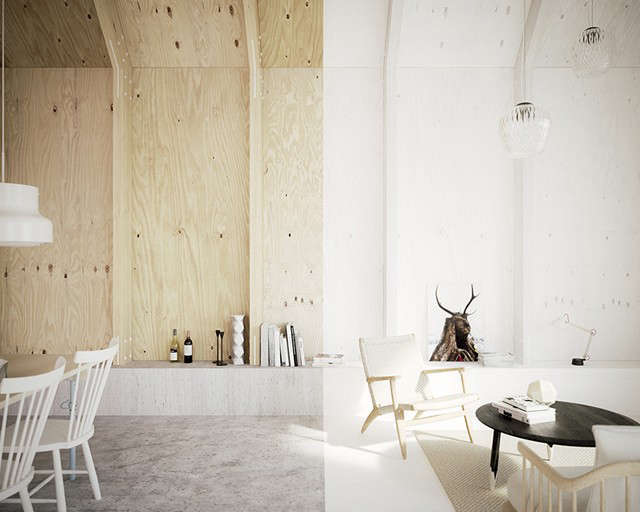
Some houses try very hard to impress you. They arrive dripping in expensive stone, dramatic lighting, and the sort of finishes that whisper, “Please notice how costly I am.” A Swedish summerhouse made from humble materials does the opposite. It strolls in wearing corrugated metal, plywood, concrete, and a calm expression, then quietly steals the whole show. That is the magic here: ordinary materials, handled with extraordinary restraint.
At the center of this story is a summerhouse in Sweden that turns the everyday into something memorable. Its palette is refreshingly modest. There is raw corrugated aluminum on the outside, plywood and polished concrete on the inside, and a layout that feels smart rather than showy. Instead of chasing luxury in the obvious sense, the house finds it in light, proportion, durability, and ease. In other words, it is a lesson in how to make a home feel rich without acting like a diva.
This approach is deeply tied to Swedish and wider Scandinavian design culture. Homes in this tradition often favor natural materials, simple forms, multifunctional rooms, and a powerful connection to the outdoors. That sounds very poetic, and it is, but it is also practical. In places shaped by long winters, changing light, and tough weather, design has to earn its keep. A summerhouse is not just supposed to be pretty in photos. It should be easy to live in, easy to maintain, and kind to the landscape around it.
Why This Summerhouse Feels So Fresh
The brilliance of this Swedish summerhouse starts with its refusal to overcomplicate things. The house is composed of two parallel volumes that are slightly staggered, creating useful outdoor pockets instead of one giant, undefined yard. That move sounds simple, and that is exactly the point. Good architecture often solves several problems with one calm gesture. Here, the form creates privacy, shapes outdoor living areas, and gives the building a quietly sculptural presence without needing any visual fireworks.
The arrangement inside is equally thoughtful. One volume is used for more private functions like the bedroom and studio, while the other opens up into the social core of the house: kitchen, dining, and living spaces. It is a layout that understands summer living beautifully. Some people are reading, some are chopping strawberries, some are pretending they enjoy weeding the garden, and nobody has to be on top of anybody else. The house manages togetherness and breathing room at the same time, which is honestly more than can be said for many vacation rentals.
Even the smaller details make the point. A dark-stained internal volume houses the bathroom and laundry area, while simple shifts in tone help separate one zone from another. In the bathroom, white tile with dark grout creates texture and pattern without fuss. Out back, a smaller shed adds utility and reinforces the idea that this is a little cluster of purposeful buildings, not one oversized object trying to dominate the site.
The Power of Humble Materials
Corrugated Metal That Looks Better the Longer You Stare
Corrugated aluminum is not a material that usually gets described as romantic. It tends to show up in farm buildings, sheds, workshops, and the occasional place where function arrives first and personality catches up later. But in this summerhouse, the material becomes unexpectedly elegant. Used across both walls and roof, it wraps the building in a continuous skin that feels crisp, tough, and honest.
That honesty matters. One of the reasons humble materials work so well in Scandinavian architecture is that they are rarely forced to pretend to be something else. Metal gets to be metal. Wood gets to show grain, knots, and seams. Concrete gets to be beautifully blunt. When materials are not busy wearing costumes, the architecture can focus on proportion, light, craftsmanship, and atmosphere. The effect is less “look at my finishes” and more “come in, take a breath.”
Corrugated metal also makes practical sense for a summerhouse. It is durable, low-maintenance, and visually at home in rugged landscapes. In coastal and countryside settings, that kind of resilience is not a bonus feature; it is a survival skill. The house looks refined, yes, but it also looks ready for weather, which is a very Scandinavian sort of beauty.
Plywood, Concrete, and the Art of Not Overdecorating
Inside, the material palette stays disciplined: natural and stained plywood, plus polished concrete floors. That sounds spare, but the result is not cold. Plywood brings warmth, rhythm, and visual softness. Concrete adds weight, durability, and a grounded feel. Together, they create the kind of balance that Scandinavian interiors do so well: simple but not stark, cozy but not cluttered.
Plywood is especially interesting here because it turns a construction material into a finish material without apology. The sheet joints become part of the design language rather than something to hide. That is a clever move with a larger lesson behind it. In a well-designed home, the line between budget-friendly and beautiful gets very blurry. If the geometry is good and the detailing is intentional, even the most ordinary material can become quietly luxurious.
Polished concrete does a similar job. It is hardworking, easy to maintain, and visually calm. It reflects light softly, helps anchor the rooms, and pairs beautifully with wood. In this house, concrete even extends into built-in elements like a bench or shelf, which gives the interior a sense of continuity. That is the beauty of humble materials: when used with confidence, they stop feeling humble at all.
What Makes It So Swedish
A Swedish summerhouse is not only a type of building. It is also a cultural mood. Sweden has a long relationship with the idea of the summer cottage, whether that cottage is the classic red-painted cabin of national imagination or a more modern retreat with barn-like lines and pared-back interiors. In both cases, the dream is similar: a place close to nature, removed from noise, where daily life becomes simpler and a little more human.
That explains why Swedish design often avoids unnecessary excess. Simplicity is not treated as deprivation. It is treated as freedom. Fewer materials, fewer distractions, better light, smarter storage, and stronger links to the outdoors all support a way of living that feels calmer. The Swedish idea of lagomnot too much, not too littlehovers in the background here. This house feels like lagom in built form. Nothing is screaming for attention, and somehow that makes everything more noticeable.
Traditional Swedish cottages are often associated with Falu red exteriors, a look so iconic it practically functions as a national postcard. But the spirit of those cottages matters more than the exact color. What survives in contemporary projects like this one is the respect for local materials, practical layouts, and a close relationship to the land. A modern Swedish summerhouse may look cleaner and more abstract, but it still shares the old cottage’s basic values: modesty, usefulness, warmth, and outdoor living.
Why Minimalism Works Better Here Than in Most Places
Let’s be honest: minimalism sometimes gets a bad reputation because it can feel like a showroom where nobody is allowed to spill coffee. But Swedish minimalism, at its best, is less about perfection and more about breathing room. It uses fewer elements so that the important ones can matter more. Natural light becomes a feature. Texture becomes decoration. A bench is not just a bench; it is storage, sculpture, and a great place to dump a beach towel after a swim.
That is exactly why this summerhouse succeeds. It does not strip life away. It edits the background so life can actually happen. The restrained palette keeps the rooms feeling open and restful. The simple materials age with grace instead of panicking over every scratch. The layout supports both solitude and socializing. In short, it is not minimalist for Instagram. It is minimalist for real people with wet shoes, grocery bags, books, garden tools, and a healthy appreciation for not having to dust twelve decorative objects shaped like coral.
Natural light also plays a starring role. Scandinavian interiors have long emphasized daylight, and for good reason. Light changes everything: the mood of a room, the perceived warmth of wood, the softness of white surfaces, the feeling of spaciousness. In a house built from modest materials, light becomes one of the richest finishes of all, and luckily it does not send you a terrifying invoice.
Lessons Homeowners Can Steal Without Moving to Sweden
Pick Fewer Materials and Use Them Better
One of the smartest takeaways from this house is the value of a tight palette. Many homes become visually chaotic because they combine too many finishes: five wood tones, three metals, two tiles, one regret. This summerhouse shows that choosing a few honest materials and repeating them with discipline creates calm and confidence. You do not need a dozen premium finishes. You need a clear idea.
Let Utility Become the Aesthetic
The house does not hide its practical side. A shed is a shed. The bath and laundry are integrated into a compact inner volume. Built-ins do real work. That attitude is liberating. Instead of treating functional elements as visual problems, this design makes them part of the beauty. It is the architectural equivalent of rolling up your sleeves and somehow looking more stylish because of it.
Give Texture the Job That Ornament Used to Have
Because the palette is simple, texture does the heavy lifting. Corrugation, wood grain, tile grout lines, concrete sheen, and changing daylight all create depth. This is a useful idea for any home. If you want a space to feel interesting without being busy, stop adding more stuff and start paying attention to surfaces.
Design Outdoor Space as Carefully as Indoor Space
The staggered form of the summerhouse creates outdoor rooms almost by accident, except of course it is not an accident at all. Good summerhouses understand that the threshold between inside and outside is where much of the magic happens. A place to have coffee, shell peas, read, nap, or sit doing absolutely nothing while claiming you are “watching the weather” is not wasted space. It is the whole point.
Humble Materials, Smart Sustainability
There is also a sustainability angle here that feels genuine rather than performative. Wood remains one of the most compelling building materials because of its lower energy demands in production compared with more intensive materials, its ability to store carbon while growing, and its natural insulating qualities when used well. Meanwhile, durable, low-maintenance materials reduce the need for constant replacement and fussy upkeep. In a summerhouse, that matters enormously. A retreat should not become a second full-time job with prettier views.
Scandinavian design has long linked beauty to stewardship. Historically, limited access to imported materials encouraged makers to work with what was local and available. That pressure created a design culture where utility, quality, and regional character became inseparable. You can feel that lineage in a house like this. Its beauty does not come from excess extraction or decorative overkill. It comes from making sensible choices feel special.
That may be the most relevant lesson of all right now. In a time when so much home content encourages endless upgrades, this summerhouse quietly suggests a better question: what if the smartest material is not the flashiest one, but the one that lasts, works hard, and gets better with age?
What It Feels Like to Spend Time in a Swedish Summerhouse Made from Humble Materials
Now for the part glossy design coverage sometimes skips: experience. Because the truth is, a house like this is not memorable just because of its materials list. It is memorable because of how those materials change your day. Imagine arriving with a bag of groceries, damp shoes, and a brain still buzzing from ordinary life. The metal exterior looks calm and almost stoic. It does not try to flatter you. It simply waits. Then you step inside and the plywood softens everything immediately. The concrete underfoot feels cool and reassuring, the kind of surface that can handle sandy feet, muddy dog paws, and the occasional dropped tomato without filing a complaint.
Morning in a summerhouse like this would be all about light. It would slide across the concrete, climb the plywood walls, and make even a cup of coffee look like a design decision. The rooms would not need much decoration because the day itself would keep redecorating them every hour. At breakfast, the grain of the wood might look honey-colored. By afternoon, it might feel pale and quiet. Toward evening, everything would turn softer, slower, and a little cinematic. Even toast would seem more thoughtful in that setting, which is rude to every other house you have ever eaten toast in.
The modest materials would also change how you relax. In a precious house, you spend time worrying. You hesitate before setting down a glass. You apologize to the countertop. You become a supporting actor in the life of your own furniture. In a summerhouse made from humble materials, you relax into the place because the place can handle being lived in. That is a deeply underrated luxury. Real comfort is not a velvet rope around your sofa. Real comfort is the confidence to open the doors, drag in a chair, set down a basket of herbs, and let the day unfold messily and beautifully.
There is something else, too: humble materials make you notice small pleasures again. The sound of rain on metal. The smell of warm wood. The way polished concrete holds the coolness of morning a little longer than expected. The sight of dark grout making white tile feel graphic and lively instead of bland. The shed out back becomes part of the ritual as well: gardening tools, beach gear, folding chairs, all the accessories of an ordinary good day. Nothing is overly styled, which makes everything feel more alive.
And because the architecture is so composed, people behave differently in it. They spread out without feeling disconnected. Someone reads in the studio. Someone chops dill in the kitchen. Someone wanders outside and never fully comes back in because the threshold spaces are too inviting. Conversation moves more easily in a house that is not shouting. Silence feels welcome there too, which may be the rarest luxury of all.
By night, the whole idea clicks into place. The simple materials fade into atmosphere. The house feels sturdy, warm, and unpretentious, like it has understood the assignment better than most buildings ever do. A Swedish summerhouse made from humble materials is not trying to impress the neighbors, dominate the landscape, or prove that elegance requires excess. It is simply showing, with lovely confidence, that the right materials used well can create a richer life than any flashy finish ever could.
Conclusion
A Swedish summerhouse made from humble materials offers a powerful reminder that great design does not begin with extravagance. It begins with clarity. In this case, corrugated metal, plywood, concrete, tile, and a few well-planned volumes become the foundation for a home that feels durable, calm, beautiful, and intensely livable. It is Scandinavian design at its most persuasive: practical enough for real life, restrained enough to feel timeless, and warm enough that nobody misses the unnecessary frills.
That may be why the house lingers in the mind. It proves that simplicity is not the absence of richness. It is often the source of it. When a home respects materials, light, landscape, and everyday routines, even the humblest choices can feel quietly grand. And honestly, that is a lot more inspiring than another house trying to win an argument with marble.


