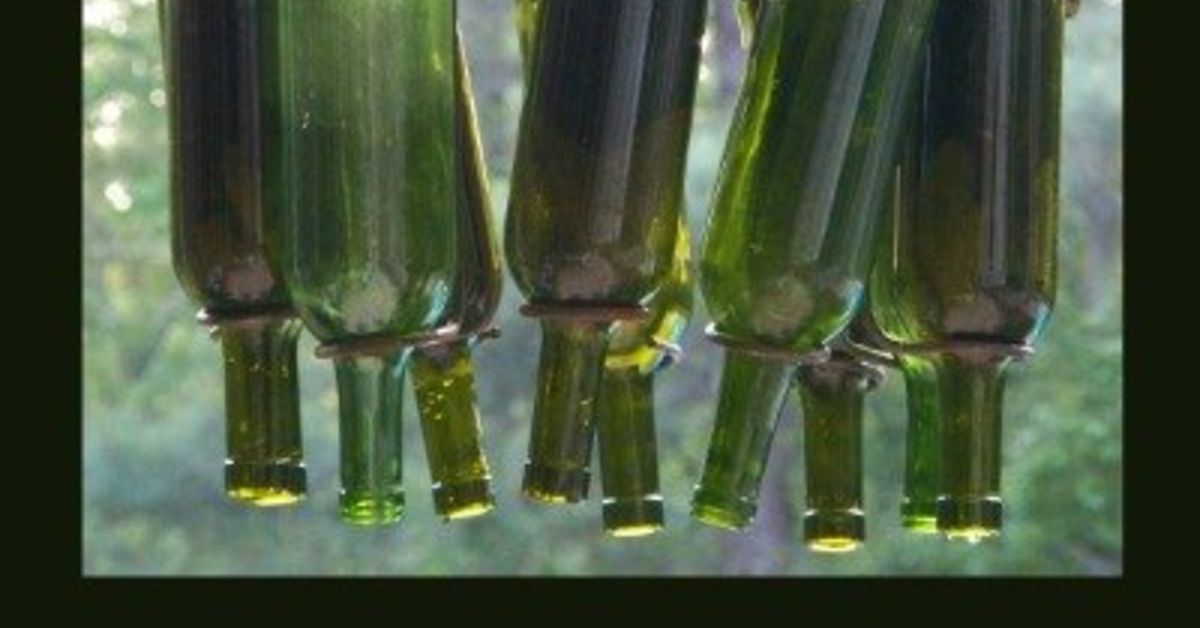
A wine bottle hanging basket sounds a little fancy, a little crafty, and a little like something you discover on a patio and immediately say, “Okay, who made that, and why do I suddenly need three of them?” That reaction is fair. This project sits at the sweet spot where upcycling, small-space gardening, and home decor all meet for coffee.
In practical terms, a wine bottle hanging basket is usually a repurposed wine bottle turned into a hanging planter, wall-mounted mini garden, or decorative bottle cradle that holds plants, herbs, cuttings, or even seasonal accents. Some versions use a bottle cut lengthwise or crosswise and planted like a tiny basket. Others suspend the full bottle in rope, wire, or macrame and use it as a slow-watering accent near container plants. Either way, the appeal is the same: it looks creative, saves space, and gives an empty bottle a much better retirement plan than the recycling bin.
If you want a project that feels stylish without trying too hard, this is it. A well-made wine bottle hanging basket can look rustic, modern, coastal, boho, farmhouse, or “I saw one thing on Pinterest and now my porch has a personality.” Better yet, it works in small apartments, balconies, patios, kitchens, and garden corners where regular planters feel bulky.
What Is a Wine Bottle Hanging Basket, Exactly?
The term can cover a few related ideas, but the most popular version is a DIY hanging planter made from a wine bottle. The bottle is cleaned, sometimes cut, then mounted or suspended so it can hold potting mix and a small plant. Think of it as a hybrid between a hanging basket and an upcycled planter.
The project works because container gardening is incredibly flexible. Plants can grow in many kinds of containers as long as the container is large enough, safe, and allows for proper drainage. That flexibility is what makes repurposed bottles so appealing. They are compact, visually interesting, and easy to group vertically when floor space is limited.
There is also a decorative version of the wine bottle hanging basket that acts more like a bottle holder made from rope or woven material. That design is useful indoors for rustic storage, but when people search for this topic online, they are often really looking for the planter version. And honestly, the planter version is more fun. Plants make everything look like you have your life together, even when you absolutely do not.
Why People Love This DIY Project
1. It turns clutter into decor
Empty wine bottles are one of those objects that feel too pretty to toss and too useless to keep. A hanging basket project gives them a second life that actually looks intentional. Green glass, clear glass, amber glass, and even etched labels can become part of the overall design.
2. It saves space
Vertical gardening is a hero for small homes. A wine bottle hanging basket works well on railings, privacy walls, porch hooks, pergolas, kitchen windows, and balcony corners. You get visual interest without sacrificing precious floor area.
3. It supports container gardening
Container gardening is popular for good reason. It gives gardeners more control over light, potting mix, and watering, and it makes it easier to match plants to the exact conditions in a space. A wine bottle planter simply shrinks that idea into a stylish, compact format.
4. It feels personal
No two wine bottle hanging baskets look exactly the same. You can lean sleek and modern with black metal hardware, go cottage-style with trailing flowers, or choose natural rope and herbs for a warm kitchen-garden look. It is the kind of project that lets you say, “Yes, I made that,” which is much more satisfying than saying, “Yes, I panic-bought that at a home store on a Saturday.”
How to Make a Wine Bottle Hanging Basket
Choose your format first
Before you pick up tools, decide which style you want:
Side-cut planter: The bottle is cut along the side to create a planting opening while the bottle remains mostly intact.
Half-bottle planter: The bottle is cut in half and the bottom portion becomes a small hanging planter.
Suspended bottle accent: The whole bottle hangs in a rope or bracket system and is used decoratively or as a slow-watering feature for nearby pots.
Gather the supplies
You will usually need a clean wine bottle, protective gloves, protective eyewear, a bottle cutter or glass-cutting tool, sandpaper or sanding materials for smoothing edges, hanging hardware, potting mix, and plants. If you are using an open-weave support such as wire or a metal frame, you may also want a liner or mesh to help hold the planting mix in place.
Safety first, because glass does not negotiate
The prettiest DIY project in the world is not worth sliced fingers. If you plan to cut the bottle, wear eye protection and gloves, work slowly, and smooth all cut edges thoroughly. A rough edge may look harmless right up until it introduces itself to your hand. Not ideal.
Create drainage the smart way
This is where many DIY planters succeed or fail. Plants in containers need drainage, and repurposed containers often need modification before planting. If your wine bottle hanging basket is designed to hold soil, make sure excess water can escape. Without drainage, roots stay too wet, and that is a fast road to sad leaves and regrettable smells.
One common mistake is adding rocks to the bottom and assuming that solves drainage. It does not. In containers, a rock layer can actually keep water sitting higher in the potting mix. A better approach is to use proper drainage holes, a light potting mix, and plant choices that match the container size.
Use potting mix, not garden soil
Garden soil is too dense for most container projects, especially in small planters like cut bottles. A quality potting mix is lighter, drains better, and gives roots more access to air. For succulents and drought-tolerant plants, choose a gritty, fast-draining blend. For herbs or flowering plants, use a mix that balances moisture retention with airflow.
Hang it securely
This is the part where style meets engineering. A glass bottle plus moist potting mix plus water plus plant growth equals more weight than people expect. Mount the planter to a solid support, a stud, or properly rated hardware. If you are hanging from a ceiling, do not trust a flimsy plastic anchor. For railings or wall systems, use hardware designed for the load and check that the bracket or hook is compatible with the surface.
If the project is outdoors, remember that wind changes everything. A tiny hanging planter can swing, twist, or tip faster than you think, especially on exposed balconies. Stability matters just as much as beauty.
Best Plants for a Wine Bottle Hanging Basket
The best plant for this project depends on how much planting space your design actually has. Since wine bottles are narrow and shallow compared with standard pots, smaller plants usually perform best.
Succulents
Succulents are a favorite because they stay compact, tolerate smaller root zones better than many plants, and look sculptural in glass. They are especially good in bottle planters with excellent drainage and lots of light.
Trailing flowers
If your bottle opening is generous and your hanging system is secure, trailing annuals can create a dramatic look. Calibrachoa, trailing lobelia, or compact nasturtiums can bring movement and color. Keep in mind that flowering plants in hanging containers dry out quickly and usually need more feeding than casual gardeners expect.
Herbs
Small herbs are a practical choice for sunny kitchens or patios. Thyme, oregano, compact basil varieties, and parsley can work in grouped installations. Just be realistic: a single wine bottle will not support a huge basil jungle. This is a mini herb display, not a full farmers market.
Cuttings and water-propagation displays
If you love the wine bottle look but do not want to deal with soil in a tiny container, use the bottle for rooting cuttings. Pothos, philodendron, and wandering vine cuttings can look beautiful in a suspended bottle display.
Design Ideas That Actually Look Good
Kitchen herb line
Hang three matching green bottles near a sunny window and plant them with thyme, oregano, and chives. The result looks charming, smells useful, and makes takeout nights feel slightly more homemade.
Porch flower cluster
Use a mix of bottle heights and hang them in a staggered group with trailing flowers. This creates a layered effect that looks far more custom than a single standard hanging basket.
Modern wall grid
Mount several bottle planters on a black metal grid or wooden slat wall. Use mostly green foliage plants for a cleaner look. It feels modern, organized, and very “I absolutely meant for this to become a design statement.”
Rustic rope hanger
Natural jute or cotton rope gives the bottle a softer, handcrafted look. This works especially well for farmhouse, cottage, or coastal spaces.
How to Care for a Wine Bottle Hanging Basket
Water more often than you think
Hanging containers dry out faster than regular pots because air and sun hit them from multiple sides. Small containers dry out even faster. In warm weather, some may need daily watering, and during very hot spells they may need checking twice a day. The goal is evenly moist potting mix for most plants, not soggy soil.
Feed lightly but consistently
Plants in small containers burn through nutrients quickly. A balanced, water-soluble fertilizer every couple of weeks works well for many flowering basket plants. Slow-release fertilizer mixed into the potting mix can also help. Just do not overdo it. A fertilizer heavy hand can turn your charming project into a chemistry experiment.
Trim and deadhead
Flowering plants stay prettier when spent blooms are removed. Trailing herbs or vines also benefit from regular trimming. This keeps the scale of the planter balanced and prevents a small bottle from being overwhelmed by a plant that suddenly thinks it owns the place.
Watch for crusty, dry potting mix
When potting mix gets too dry, it can start to repel water. If that happens, rehydrate slowly and thoroughly rather than giving the planter a quick splash and walking away like the problem has been emotionally resolved.
Common Mistakes to Avoid
Using plants that outgrow the container: Choose compact plants or accept that frequent replanting is part of the design.
Skipping drainage: Pretty glass does not cancel basic plant biology.
Overloading the hanger: Wet soil is heavy. Brackets and hooks need to be rated for real weight, not hopeful weight.
Ignoring sunlight: A bottle planter in deep shade will not magically turn a sun-loving plant into a shade enthusiast.
Treating it like a regular pot: Small hanging planters need closer monitoring, especially in summer.
Is a Wine Bottle Hanging Basket Worth Making?
Yes, especially if you like decor that has a little story behind it. A wine bottle hanging basket is affordable, eye-catching, and adaptable to all kinds of spaces. It also taps into two trends that are not going anywhere: upcycling and vertical gardening.
The key is to treat it like a real planting project, not just a cute craft. That means using the right potting mix, thinking through drainage, choosing sensible plants, and mounting it safely. Do that, and you get something that is equal parts conversation piece and living decor.
And that is the real charm of it. A wine bottle hanging basket is not just about making an old bottle look clever. It is about turning something ordinary into a tiny, living focal point. Which, honestly, is more than most empty bottles ever dreamed of.
Practical Experience Notes: What It’s Really Like to Live With a Wine Bottle Hanging Basket
The experience of using a wine bottle hanging basket is usually a mix of delight, trial and error, and one early lesson in gravity. Most people love the look right away. The bottle catches light beautifully, the hanging format makes a wall or railing feel more layered, and even a simple succulent suddenly looks like boutique decor. It often becomes one of those pieces guests notice before anything else.
What surprises people most is how different the planter behaves from a standard pot. Because the container is smaller, watering becomes more frequent and more intentional. You cannot rely on a once-a-week routine and expect applause from the plant. In hot weather, the potting mix can dry out fast, especially outdoors where wind moves through the space. That means the project rewards people who enjoy checking in on their plants regularly. If you are the type who likes a quick morning garden walk with coffee in hand, this planter fits right in.
Another common experience is discovering that plant choice matters more than expected. Tiny trailing flowers may look dreamy on day one, but some grow faster than the bottle can comfortably support. Succulents, cuttings, and compact herbs usually feel easier to manage over time. Many people start with an ambitious flowering display and later switch to plants that are more forgiving. That is not failure. That is gardening with better judgment and fewer dramatic speeches aimed at wilting stems.
There is also a strong styling payoff. A single wine bottle hanging basket is attractive, but a group of them creates the real wow factor. Three bottles in a row by a kitchen window can make a small apartment feel thoughtful and alive. A staggered arrangement on a porch can soften a plain wall. In homes where square footage is limited, that vertical effect is a big part of the appeal. You get greenery without donating floor space to another bulky planter.
People who make these planters often say the project feels more satisfying than expected because it combines usefulness with creativity. It is not just decor, and it is not just gardening. It sits in the middle, which makes it feel personal. Even the imperfections can add character. Slightly different bottle colors, hand-tied rope, or a gently weathered bracket can make the finished piece feel warm rather than overly polished.
The biggest real-world lesson, though, is installation. Once a bottle is filled with moist mix and a plant, it becomes heavier than it looks. The best experiences usually come from secure mounting and realistic expectations. When the hardware is solid and the plant is a good fit, the wine bottle hanging basket stops feeling like an experiment and starts feeling like a permanent favorite. That is when the project truly shines: not as a one-week DIY novelty, but as a small, living detail that makes a space feel more creative, more welcoming, and just a little more memorable.