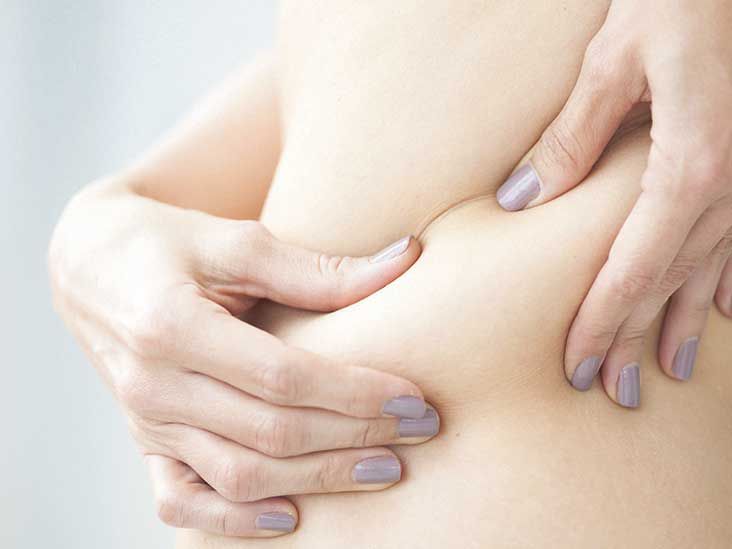
SculpSure is one of those cosmetic treatments that sounds like it came from a futuristic gym where the treadmills make smoothies. In reality, it is a noninvasive laser body contouring treatment designed to reduce small, stubborn pockets of fat without surgery, anesthesia, or a long recovery period. It is not a weight-loss treatment, not a magic wand, and definitely not a permission slip to break up with vegetables. But for the right candidate, it can help refine areas that do not seem to respond to diet and exercise.
This guide explains how SculpSure works, how to prepare for treatment, what happens during the procedure, what recovery feels like, how much SculpSure costs, and what real-life experiences are commonly like. If you are comparing laser fat reduction, CoolSculpting, liposuction, or other body contouring options, consider this your friendly, no-fluff starting point.
Note: This article is for educational purposes only and should not replace medical advice. Always consult a qualified medical provider, board-certified dermatologist, or board-certified plastic surgeon before choosing any cosmetic procedure.
What Is SculpSure?
SculpSure is a laser-based, noninvasive fat reduction treatment. It uses controlled heat from diode laser energy to target subcutaneous fat cells, which are the fat cells located beneath the skin. The device is placed on the skin with applicators, and the laser energy heats fat cells to the point where they become damaged. Over time, the body naturally clears away those treated cells through normal metabolic processes.
The keyword here is contouring. SculpSure is designed to improve the shape of a treated area, not to create large-scale weight loss. Think of it as editing the outline of a photo, not replacing the entire background. It is often used for visible fat bulges on areas such as the abdomen, flanks, back, thighs, and under the chin, depending on the provider’s device, training, and treatment plan.
How SculpSure Works
SculpSure belongs to a category called nonsurgical fat reduction. These procedures use energy, temperature, or injections to reduce fat cells without making incisions. SculpSure specifically uses heat-assisted laser lipolysis. During treatment, flat applicators deliver laser energy through the skin while built-in cooling helps protect the skin’s surface.
The treatment does not remove fat immediately. Instead, it damages targeted fat cells, and the body gradually processes them. Most people who respond to treatment begin noticing changes several weeks later, with more visible results developing around the 12-week mark. This slow reveal can feel a little like waiting for a cake to bake, except the “cake” is your waistline and you are not supposed to poke it every five minutes.
Who Is a Good Candidate for SculpSure?
A good SculpSure candidate is usually close to their target weight, has small to moderate areas of stubborn fat, and wants a subtle contour improvement without surgery. The best candidates typically have realistic expectations and understand that the treatment is meant for shaping, not major fat removal.
SculpSure may be a good fit if you:
- Have stubborn fat on the belly, love handles, thighs, back, or under the chin
- Maintain a stable weight
- Prefer a noninvasive procedure with little to no downtime
- Do not want anesthesia, incisions, or surgical recovery
- Understand that results are gradual and usually subtle
SculpSure may not be ideal if you:
- Want dramatic fat removal in one session
- Have significant loose skin
- Are pregnant or breastfeeding
- Have a medical condition that affects healing or skin sensitivity
- Expect the treatment to replace weight loss, strength training, or healthy eating
Loose skin is an especially important point. SculpSure targets fat, not sagging skin. If the concern is mainly skin laxity, your provider may recommend a different treatment or a combination approach.
How to Prepare for SculpSure
Preparing for SculpSure is usually simple, but a little planning makes the appointment smoother. Your first step is a consultation. During this visit, the provider evaluates your treatment area, reviews your medical history, discusses your goals, and explains how many sessions or applicators may be needed.
1. Choose a Qualified Provider
Do not shop for SculpSure the way you shop for discounted socks. Price matters, but experience matters more. Look for a licensed provider with training in body contouring, clear before-and-after examples, transparent pricing, and a willingness to explain risks. A qualified provider should also tell you when SculpSure is not the right choice.
2. Be Honest About Your Health History
Tell your provider about medications, supplements, recent surgeries, skin conditions, implants, scars, pregnancy status, and any history of unusual reactions to heat-based treatments. If you take blood thinners, anti-inflammatory medications, or prescription drugs, do not stop them unless your medical provider tells you to do so.
3. Keep Your Weight Stable
SculpSure works best when your weight is steady. If you are actively losing weight, your provider may suggest waiting until your body stabilizes. Significant weight gain after treatment can enlarge remaining fat cells and reduce the appearance of your results.
4. Hydrate and Dress Comfortably
Hydration is a simple habit that supports normal body function before and after treatment. Wear comfortable clothing that gives easy access to the treatment area. If you are treating your abdomen or flanks, loose pants and a soft shirt are usually more pleasant than anything with a waistband that acts like a tiny courtroom judge.
5. Avoid Irritating the Skin
Before the appointment, avoid sunburn, harsh exfoliation, or anything that makes the skin in the treatment area irritated. The device sits directly on the skin, so the calmer your skin is, the better.
What Happens During the SculpSure Procedure?
A typical SculpSure treatment is performed in an office or medical spa setting. The session usually lasts about 25 minutes for the treatment cycle, although the full appointment may take longer because of check-in, photos, marking, applicator placement, and post-treatment instructions.
Step 1: Marking the Treatment Area
Your provider may take photos and mark the treatment area. These photos are helpful because SculpSure results appear gradually. Without comparison pictures, it can be hard to remember exactly where you started.
Step 2: Applicator Placement
The applicators are positioned over the targeted fat bulges and secured with a belt or straps. Depending on the area, one or more applicators may be used. Larger areas, such as the abdomen, may require multiple applicators.
Step 3: Heating and Cooling Cycles
During the treatment, you may feel alternating sensations of cooling, warmth, tingling, or deep heat. Some people describe the feeling as strange but manageable. Others find certain moments uncomfortable, especially when the heat builds. The good news is that the session is short, and the intensity can often be adjusted.
Step 4: After the Device Is Removed
Once the treatment cycle ends, the applicators are removed. The skin may look red or feel tender. Some providers massage the area briefly, while others simply review aftercare and let you get back to your day. Most people can return to work, errands, or normal activities immediately.
Does SculpSure Hurt?
SculpSure is not usually described as painful in the way surgery is painful, but it can be uncomfortable. The most common sensations are heat, tingling, prickling, and mild aching. Some people barely mind it; others spend the 25 minutes negotiating with themselves like, “Okay, only ten more minutes, and then I deserve iced coffee.”
Pain tolerance varies. The treatment should feel intense but not unbearable. If it feels too hot or sharply painful, tell your provider immediately. Communication is part of a safe treatment.
SculpSure Recovery and Aftercare
One of the biggest advantages of SculpSure is minimal downtime. Most people return to regular activities right away. You may have redness, swelling, tenderness, bruising, firmness, itching, or numbness in the treated area. These effects are usually temporary.
Aftercare instructions may include drinking water, staying active, gently massaging the treated area if recommended, and maintaining healthy habits. Light movement may help you feel better, but you do not need to punish yourself with an extreme workout. SculpSure is not a contest, and your lymphatic system does not require dramatic background music.
When Will You See SculpSure Results?
SculpSure results appear gradually. Some people notice early changes around six weeks, while more complete results often appear around 12 weeks after treatment. Because the body needs time to process treated fat cells, patience is part of the package.
Some patients are happy after one treatment, while others choose a series of treatments. Your provider may suggest spacing sessions several weeks apart, depending on the area and your goals. Results can be long-lasting because treated fat cells are destroyed, but remaining fat cells can still expand if you gain weight.
How Much Does SculpSure Cost?
The cost of SculpSure varies widely in the United States. A typical session may range from about $1,200 to $2,100, though smaller areas can cost less and larger treatment plans can cost more. Some patient-reported pricing places average SculpSure costs around the low $2,000 range, while older industry averages often cite roughly $1,400 to $1,500 per treatment.
For a small area such as under the chin, pricing may be lower, sometimes starting in the several-hundred-dollar range per applicator or session. For larger areas such as the abdomen and flanks, a full session using multiple applicators may cost $1,400 or more. Multi-session packages can reach $3,000 or higher, depending on the provider and region.
What affects SculpSure pricing?
- Treatment area: Larger areas usually cost more.
- Number of applicators: More applicators often mean a higher price.
- Number of sessions: Some people need more than one session for their goal.
- Provider expertise: A highly trained medical office may charge more than a discount spa.
- Geographic location: Prices in major cities are often higher.
- Package deals: Some offices discount multi-area or multi-session plans.
SculpSure is considered cosmetic, so health insurance usually does not cover it. Many providers offer financing or payment plans, but read the terms carefully. A low monthly payment can still add up faster than your online shopping cart during a “limited time only” sale.
SculpSure vs. CoolSculpting vs. Liposuction
SculpSure and CoolSculpting are both nonsurgical fat reduction treatments, but they use different methods. SculpSure uses controlled heat from laser energy, while CoolSculpting uses controlled cooling to freeze fat cells. SculpSure applicators are flat and do not rely on strong suction, which some patients prefer. CoolSculpting may be better known, but the best option depends on your anatomy, goals, tolerance, and provider’s recommendation.
Liposuction is different because it is surgery. It can remove more fat and create more dramatic shaping, but it involves anesthesia or numbing medication, incisions, recovery time, and higher medical considerations. SculpSure is generally better for people who want modest improvement without surgical downtime. Liposuction may be better for people who want a more significant change and are comfortable with surgery.
Possible Side Effects and Risks
SculpSure has a low downtime profile, but no cosmetic procedure is completely risk-free. Possible side effects include redness, swelling, tenderness, bruising, firmness, numbness, itching, stinging, and temporary discomfort. Rarely, patients may experience burns, blistering, prolonged pain, or uneven results.
The best way to reduce risk is to choose a qualified provider, disclose your health history, follow aftercare instructions, and maintain realistic expectations. If a clinic promises “instant six-pack results while you scroll your phone,” consider walking away briskly. That brisk walk may be the healthiest part of the appointment.
Is SculpSure Worth It?
SculpSure may be worth it for people who want subtle fat reduction in specific areas and value convenience. The treatment is quick, noninvasive, and usually requires little to no recovery time. It is less appealing for people who want dramatic results, have loose skin, or expect one treatment to transform their entire body.
The most satisfied patients tend to understand the assignment: SculpSure is a contouring tool. It can help reduce small areas of fat, but it works best alongside stable weight, consistent movement, balanced eating, and realistic goals. In other words, it is a supporting actor, not the whole movie.
Real-World Experiences With SculpSure: What People Often Notice
Many SculpSure experiences begin with frustration. A person is eating reasonably well, walking, lifting weights, or doing everything their smartwatch nags them to do, but one area refuses to cooperate. Common examples include lower belly fat that folds over jeans, love handles that make fitted shirts feel like a betrayal, or a small under-chin pocket that shows up in every video call like an uninvited guest.
During consultation, people often feel relieved when the provider explains that SculpSure is not about chasing a perfect body. It is about improving a specific contour. That distinction matters. A realistic provider will pinch or examine the area, check skin quality, discuss weight stability, and explain whether fat, skin laxity, muscle separation, or posture is the main issue. Sometimes the honest answer is, “SculpSure can help a little.” Sometimes it is, “You would get a better result from another treatment.” The second answer may be disappointing, but it is also a sign of a trustworthy office.
The treatment itself is often described as quick but unusual. Patients may sit or recline while the applicators are secured. The first cooling sensation can feel reassuring, and then the heat builds in cycles. Some people chat through the appointment. Some listen to music. Some stare at the ceiling and silently review every life choice that led them to paying for laser heat on their stomach. Usually, the discomfort comes in waves rather than staying constant. When the device shuts off, many people are surprised by how fast the session went.
Immediately afterward, the treated area may feel tender, firm, warm, or mildly swollen. For abdominal treatments, wearing tight jeans right after the appointment may feel unnecessarily dramatic. Loose clothes are your friend. Many people return to work or errands the same day, but they may feel more comfortable avoiding intense pressure on the area for a short time.
The hardest part of SculpSure is often waiting. The mirror may look unchanged after one week, and that is normal. Around six weeks, subtle differences may appear: a waistband feels easier, a side profile looks smoother, or the treated bulge seems softer and flatter. By 12 weeks, the final result is easier to judge. Photos taken in the same lighting and posture are extremely helpful because daily mirror-checking can make tiny changes hard to see.
Some patients love the result after one session; others decide they need a second treatment. The experience is usually best when the goal is improvement rather than perfection. SculpSure can make a stubborn area look better, but it will not replace muscle tone, fix significant loose skin, or prevent future weight gain. People who stay active, maintain a steady weight, and view the treatment as one piece of a larger wellness plan are usually happier with the outcome.
Conclusion
SculpSure is a noninvasive laser fat reduction treatment for people who want subtle body contouring without surgery. It works by heating targeted fat cells so the body can gradually clear them away. The procedure is quick, usually around 25 minutes per treatment cycle, and most people return to regular activities immediately.
The best candidates are close to their goal weight, have small pockets of stubborn fat, and understand that SculpSure is not a weight-loss solution. Costs vary, but many U.S. patients can expect pricing from roughly $1,200 to $2,100 per session, with total treatment plans depending on the area, number of applicators, provider, and location.
If you are considering SculpSure, schedule a consultation with a qualified provider, ask about expected results, review before-and-after photos, and compare it with other options such as CoolSculpting or liposuction. The right treatment is not always the trendiest one. It is the one that fits your body, budget, timeline, and expectations.