Some cups are just cups. They hold coffee, survive a dishwasher battle or two, and quietly wait for their next assignment. Then there are the cups that walk into a kitchen and behave like tiny sculptures with excellent manners. Anna Olivia’s Heads or Tails cups belong firmly in that second camp. They are playful, a little odd, a little elegant, and exactly the kind of objects that make guests ask, “Wait, where did you get those?” before they’ve even taken a sip.
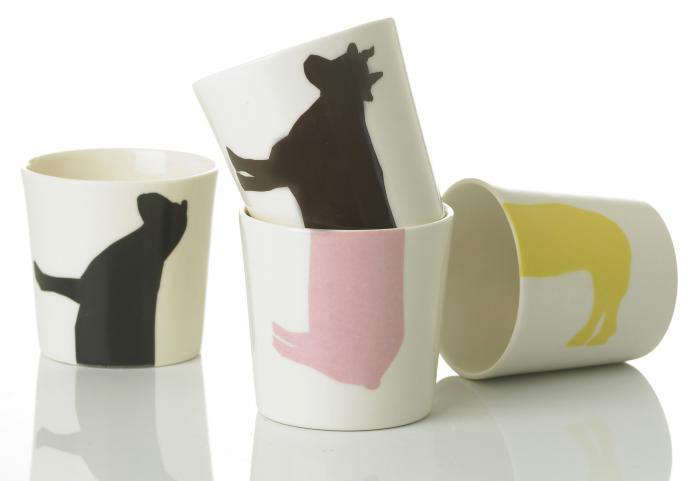
At first glance, these farm-inspired cups feel like a design joke told by someone with very good taste. Stack them one way and they become something like a new animal species. Separate them and they read as abstract forms with a soft, handmade charm. That balance between humor and sophistication is what makes them memorable. They are not loud in the way novelty products are loud. They are clever in the way good design is clever: quietly, confidently, and with a wink.
In a world full of cookie-cutter drinkware, Anna Olivia’s cups remind us that everyday objects do not have to be boring. A coffee cup can be useful and expressive. A kitchen can feel practical and poetic. And yes, your morning tea can absolutely come with a side of barnyard personality.
What Makes Anna Olivia’s Cups So Distinctive?
The appeal of Heads or Tails starts with the concept. Anna Olivia Kristiansen, a Copenhagen-based ceramicist, created a line of cups that can be mixed and matched so the pieces visually combine into a playful “new breed.” That idea alone is enough to earn a double take. But the real magic is in how the design refuses to become a gimmick. These cups are whimsical without being childish, rustic without being rough, and artistic without trying too hard to impress your shelf.
The farm-inspired angle gives the pieces their personality. There is something undeniably charming about tableware that tips its hat to the countryside. Farm motifs tend to work because they speak a visual language nearly everyone understands: animals, land, warmth, gathering, breakfast, fresh flowers, messy tables, open windows, and the kind of kitchen that seems to smell faintly of toast even when nobody is home.
Anna Olivia’s interpretation avoids the usual farmhouse clichés. You will not find cartoon chickens wearing aprons here. Instead, the cups feel distilled, almost minimalist, as if someone translated barnyard life into a cleaner, more design-forward vocabulary. That restraint is exactly why the pieces hold up. They are charming, but they are not trying to audition for a themed gift shop off a highway exit.
Why Farm-Inspired Design Still Works
Rustic and farmhouse-inspired decor has stuck around for a reason: people crave objects that feel grounded. In a design era that can sometimes lean hyper-sleek and emotionally unavailable, farm-inspired pieces offer warmth. They suggest use, touch, ritual, and story. They feel like they belong in a home where someone actually lives, cooks, spills, laughs, and occasionally forgets where they put the good spoon.
That warmth is especially powerful in tabletop design. Plates, bowls, mugs, and cups are intimate objects. You hold them. You reach for them half-awake. You place them in front of friends. Because of that, they can shape the mood of a room more than many people realize. A sculptural cup with a handmade feel changes the energy of a morning in a way that mass-produced basics simply do not.
Farm-inspired design also plays nicely with today’s broader decorating tastes. Cottage kitchens, collected shelving, open hutches, nature-driven styling, imperfect finishes, botanical details, and mix-and-match tablescapes are all part of the current appetite for homes that feel personal instead of sterile. Anna Olivia’s cups fit into that movement beautifully. They look like objects you discovered, not objects an algorithm forced into your cart after you bought paper towels online.
The Beauty of Handmade Character
Part of the charm here is that the cups feel connected to the larger revival of handmade ceramics. People are increasingly drawn to pottery and tabletop pieces that show evidence of the maker’s hand. They want interesting glazes, slightly irregular silhouettes, tactile surfaces, and forms with personality. Perfection is no longer the point. Character is.
That shift makes complete sense. Handmade ceramics slow the eye down. They reward attention. You notice the curve of a rim, the weight of a handle, the way a surface catches light, the little asymmetry that keeps a piece from feeling factory-flat. They remind us that useful things can still be beautiful. Better yet, they remind us that beauty can still be a little weird.
Anna Olivia’s cups thrive in that sweet spot. When stacked, they become a conversation piece. When unstacked, they still hold their own as objects with sculptural presence. That matters. Great design should never rely on a trick alone. If the trick disappears, the object should still have enough visual strength to live on your shelf with dignity. These cups do.
How to Style Heads or Tails at Home
1. Let them star in an open-shelf moment
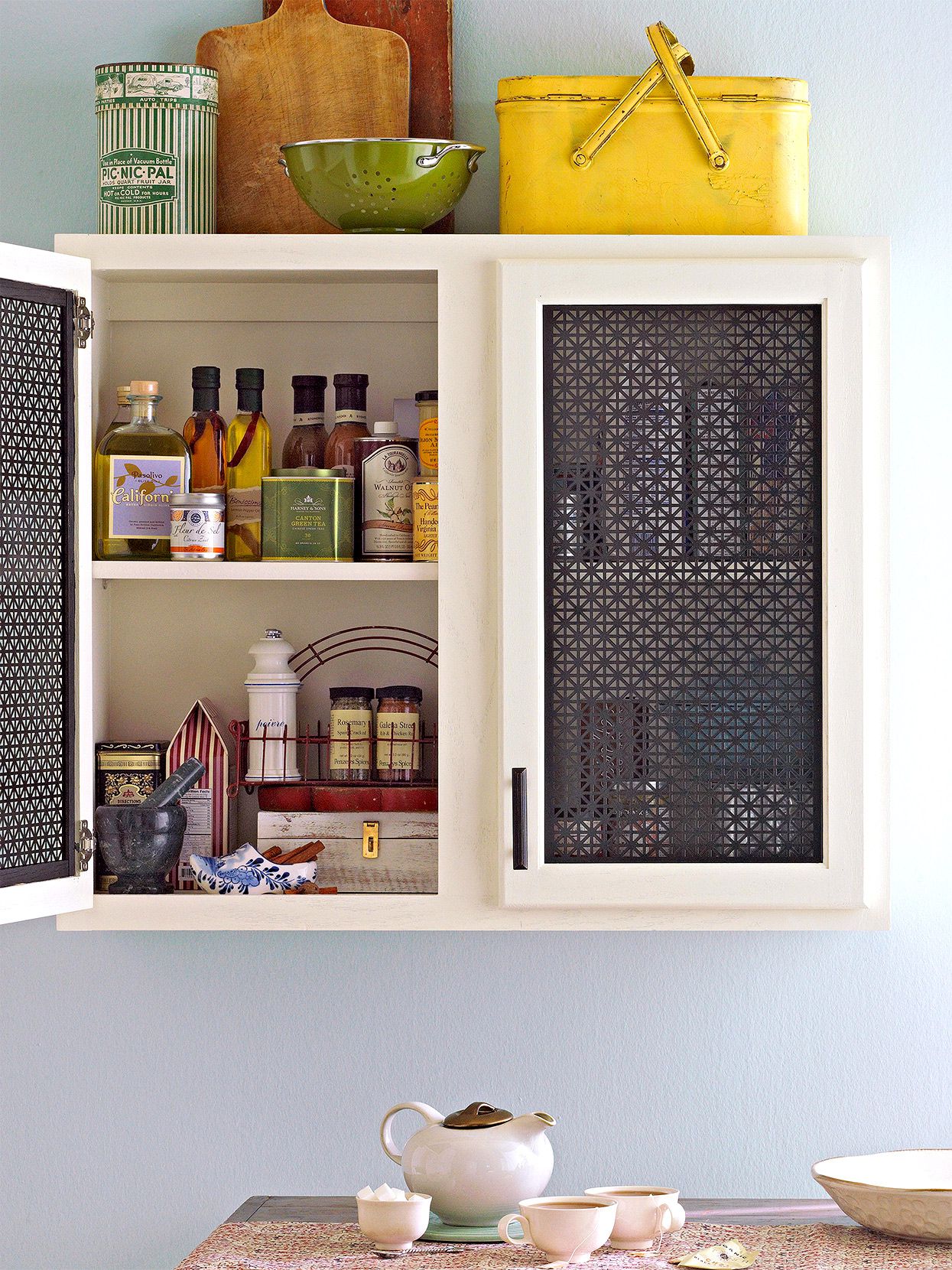
If your kitchen has open shelving, a small hutch, or a glass-front cabinet, these cups belong where they can be seen. Pair them with white ceramics, pale wood, linen napkins, and a few branches or flowers. The goal is not to build a petting zoo on your shelf. The goal is contrast. Let the cups be the playful element in an otherwise calm setup.
2. Use them to soften a modern kitchen
One of the smartest ways to use farm-inspired objects is in a kitchen that leans modern. Clean cabinetry, neutral stone, and simple hardware can sometimes feel a bit too polished. A pair of cups like these introduces warmth without derailing the look. Think of them as the design equivalent of rolling up your sleeves on a crisp shirt: still neat, much more human.
3. Build a table that feels collected, not coordinated
Matching tableware has its place, but a perfectly coordinated tabletop can sometimes feel like a hotel conference room that took a pottery class. Instead, try mixing these cups with stoneware plates, vintage linens, wooden boards, and garden-cut greenery. The result feels layered, friendly, and full of story. Farm-inspired pieces work best when they look gathered over time rather than ordered in a single panic at 11:48 p.m.
Who Will Love These Cups Most?
These cups are ideal for the person who likes useful objects with a strong point of view. They suit design lovers who appreciate ceramics, hosts who enjoy a memorable table, and gift-givers who are tired of boring registry filler. They also make sense for anyone who loves farmhouse style but wants a version of it that feels edited, artistic, and a little smarter than the average “Live, Laugh, Ladle” situation.
They are also surprisingly versatile. Put them in a cottage kitchen and they feel right at home. Place them in a more minimalist setting and they become the statement piece. Use them for coffee and they feel cozy. Use them as tiny vessels for dessert, nuts, or even a flower clipping on a breakfast tray, and suddenly they shift from drinkware to decor with no identity crisis at all.
Why They Matter Beyond the Cupboard
Good tabletop design has a funny way of changing behavior. When you own pieces you genuinely love, you use them differently. You set the table more often. You take five extra seconds to arrange things nicely. You choose the prettier mug instead of the one with the faded logo from a conference you barely remember. Small choices like that do not sound life-changing, but they do change the texture of daily life.
That is where Anna Olivia’s farm-inspired cups really win. They elevate a routine without making it fussy. You do not need a dinner party, a country house, or an artisanal sourdough starter named Gerald to appreciate them. You just need a beverage and a pulse. The cups do the rest.
They also capture something many contemporary design lovers want more of: delight. Not irony. Not luxury for luxury’s sake. Not another interchangeable beige object that looks expensive and says absolutely nothing. Delight. The kind that makes you smile when you stack two cups together and realize the object in your hand has a tiny sense of humor.
Are They a Trend or a Keeper?
Plenty of whimsical home pieces burn brightly for a season and then retreat to the back of a cabinet where they live beside novelty ice trays and regret. Anna Olivia’s cups feel different because they are rooted in several lasting design values at once: craftsmanship, sculptural form, nature-inspired references, and functional beauty.
That combination gives them staying power. Farm-inspired design comes and goes in intensity, but objects that blend usefulness with character tend to last. Handmade ceramics continue to appeal because they age well visually and emotionally. And pieces that can move between decor and utility always earn their keep. In other words, these cups are not trying to be trendy. They are trying to be lovable. That is usually the smarter long game.
What It Feels Like to Live With Farm-Inspired Cups
Here is the part people do not always talk about when discussing beautifully designed tableware: the emotional side. Not in a dramatic, cue-the-violins way. More in the “my coffee somehow tastes 12% more civilized in this cup” way. Farm-inspired cups like Anna Olivia’s do not merely decorate a kitchen. They participate in it.
Imagine a slow Saturday morning. The light is doing that flattering thing where even the toaster looks poetic. You shuffle into the kitchen, still not entirely convinced that being awake was the right decision, and there they are on the shelf. One minute you are making tea. The next minute you are choosing which cup pairing feels right for the mood. That sounds ridiculous until it happens, and then suddenly it makes perfect sense.
These are the kinds of objects that create tiny rituals. You reach for them when friends come over because they are fun to explain. You set them out at brunch because they instantly loosen the room. Someone notices the stacked silhouette and laughs. Someone else says they look like art. A third person asks where you found them and then pretends they are absolutely not about to search for them later. Reader, they are.
They also make ordinary kitchen moments feel more intentional. A quick espresso no longer feels like a rushed caffeine transaction. It feels like a pause. A cup of herbal tea after dinner feels less like “hydration, but make it leaf water” and more like a small ceremony. Even rinsing them at the sink has a different energy because the cups do not feel disposable in spirit, even though they are absolutely meant to be used.
That is the underrated joy of farm-inspired design when it is done well. It introduces softness into a routine. The farm reference is not really about pretending you live in a rustic postcard with ducks waddling past the window. It is about borrowing a few emotional cues from that world: comfort, texture, nature, imperfection, and a sense that the useful things in life can also be companionable.
There is also something wonderfully social about cups like these. They invite storytelling. They make people pick favorites. One person likes the more abstract half. Another likes the side that feels more obviously animal-inspired. Kids find them funny. Adults find them clever. Design lovers find them satisfying. That is a rare three-for-one special.
And when nobody else is around, they still work their quiet charm. Sitting on a shelf, they make a kitchen feel collected. On a tray beside a French press, they suggest care. Next to a vase of grocery-store tulips and a loaf of bread cooling on the counter, they look like they have always belonged there. That is usually the test of a great object: not whether it can grab attention for five seconds, but whether it can settle naturally into daily life and improve it without making a fuss.
So yes, they are cups. But they are also mood-setters, conversation starters, shelf improvers, and tiny reminders that design should not always be so serious. Sometimes the best thing you can add to a kitchen is not another gadget. Sometimes it is just a beautifully made cup that looks like it wandered in from a stylish little farm and decided to stay.
Final Thoughts
Heads or Tails by Anna Olivia proves that playful design does not have to sacrifice elegance. These farm-inspired cups are sculptural, functional, and full of personality, yet they remain refined enough to work in all kinds of interiors. They speak to the ongoing love of handmade ceramics, collected tabletops, and homes that feel personal rather than overly polished.
If your idea of a great kitchen includes objects with wit, warmth, and just enough weirdness to keep things interesting, these cups deserve a place on the shelf. They are the kind of small design move that changes the atmosphere of a room without demanding a full renovation. Which, frankly, is the dream. New cabinets are expensive. A brilliant cup with a sense of humor? Much easier to live with.