Ballet has a funny way of looking graceful while being quietly outrageous. From the outside, it is all floating arms and swan-like necks. From the inside, it is ankles negotiating treaties, hips filing complaints, and calves working overtime like unpaid interns. That is exactly why a proper ballet warm-up matters.
If you walk into class cold and try to force turnout, yank your leg into a high extension, or launch into jumps like your body is already on speaking terms with gravity, you are asking for trouble. A smart warm-up helps raise body temperature, wake up your muscles, improve coordination, and prepare you for the very specific demands of ballet: turnout, relevé, plié, balances, port de bras, quick footwork, and sometimes the emotional damage of seeing a mirror from every angle at once.
The good news is that warming up for ballet does not need to be complicated. It does need to be thoughtful. The goal is not to look impressive before class starts. The goal is to feel ready. Below is a practical 15-step routine you can adapt for beginners, returning dancers, advanced students, or anyone who wants to stop treating warm-up like an optional trailer before the main movie.
Why Ballet Warm-Ups Need Their Own Approach
A generic gym warm-up is better than nothing, but ballet asks for more than a few lazy toe touches and one dramatic shoulder roll. Dancers need mobility, control, balance, alignment, and muscular activation at the same time. Your warm-up should prepare the feet and ankles for relevé and landing, the hips for turnout and extension, the core for stability, and the upper body for posture and port de bras.
In other words, your body should not be surprised when class begins. Nothing good comes from shocking your hamstrings at 9:03 a.m.
How to Warm Up for Ballet: 15 Steps
-
1. Arrive a Few Minutes Early and Check In With Your Body
Before you move, take a quick inventory. Are your calves tight? Are your hips stiff from sitting? Did you sleep like a civilized person, or like a bent paper clip? A thirty-second body check helps you warm up with intention instead of blindly copying whatever the person next to you is doing.
This is also the moment to notice soreness versus pain. Mild stiffness can improve with movement. Sharp, pinching, unstable, or electric pain is a different story. A warm-up should prepare your body, not talk it into ignoring red flags.
-
2. Start With Easy Cardiovascular Movement
Begin with two to five minutes of simple movement to raise your temperature. March in place, walk briskly, jog lightly, or do small side steps. Keep it low impact and steady. You are not trying to “win” the warm-up. You are trying to convince your muscles that work is coming.
If you are backstage or in a tiny studio corner, even a brisk march with coordinated arm swings works well. The point is to get warm enough that your body feels awake, not decorative.
-
3. Breathe and Stack Your Posture
Once you start moving, take a few slow breaths and organize your alignment. Let your ribs settle, lengthen through the spine, soften the shoulders, and feel your head floating over your torso instead of jutting forward like you have been texting for 14 hours.
Ballet begins with posture. If your warm-up ignores that, the rest of your class may feel off before the first plié. Think of this step as turning your body’s Wi-Fi back on.
-
4. Mobilize the Neck, Shoulders, and Upper Back
Ballet is not just legs, despite what your tights may imply. Add gentle shoulder rolls, arm circles, scapular glides, and upper-back mobility. Try opening and closing the chest, then moving the arms through first, second, and fifth position with control.
This helps free up port de bras, improves posture, and keeps tension from collecting in the neck and shoulders. If your upper body is stiff, your dancing can look tight even when your technique is solid.
-
5. Wake Up the Spine
Do a few controlled spinal movements: roll-downs, gentle cat-cow patterns, side bends, and light twists. Keep them smooth and easy. You are mobilizing, not trying to impersonate a pretzel.
A mobile spine supports balance, épaulement, arabesque lines, and overall coordination. Dancers sometimes get so focused on hips and hamstrings that they forget the torso is supposed to participate too.
-
6. Loosen the Hips With Dynamic Mobility
Use hip circles, knee lifts, standing passé actions, and gentle leg swings front-to-back and side-to-side. Keep the range modest at first. A warm-up is the place to build access to movement, not force maximum range before your body is ready.
This is especially important for turnout. True turnout comes from the hips, not from wrenching the knees or feet into a shape they did not sign up for. Focus on quality and control over height.
-
7. Activate the Glutes and Deep Hip Rotators
Your turnout muscles and glutes need an invitation, not a memo. Add standing hip abduction, small arabesque lifts, band walks if you have a mini-band, or clamshell-style activation if you have floor space.
When these muscles are awake, turnout feels more supported and balances feel less wobbly. When they are asleep, your knees and feet often end up doing extra work they never requested.
-
8. Prep the Knees, Ankles, and Calves
Ballet class asks a lot from the lower leg. Do slow demi-pliés in parallel and first position, then add calf raises, ankle circles, and gentle weight shifts. You can also practice rolling through the feet from flat to demi-pointe and back down with control.
This step is gold before jumps, pointe work, or any class with lots of allegro. Ankles like being introduced to impact gradually. They are polite that way.
-
9. Wake Up the Feet
Your feet are not just passive passengers at the end of your legs. They are your foundation. Before class, articulate through the toes, point and flex slowly, practice doming the arch, and spread the toes if you can.
You can also do towel scrunches or marble pickups at home, but in the studio a quick sequence of toe presses, foot articulation, and controlled relevés can make a big difference. Stronger, more aware feet often lead to cleaner balances and quieter landings.
-
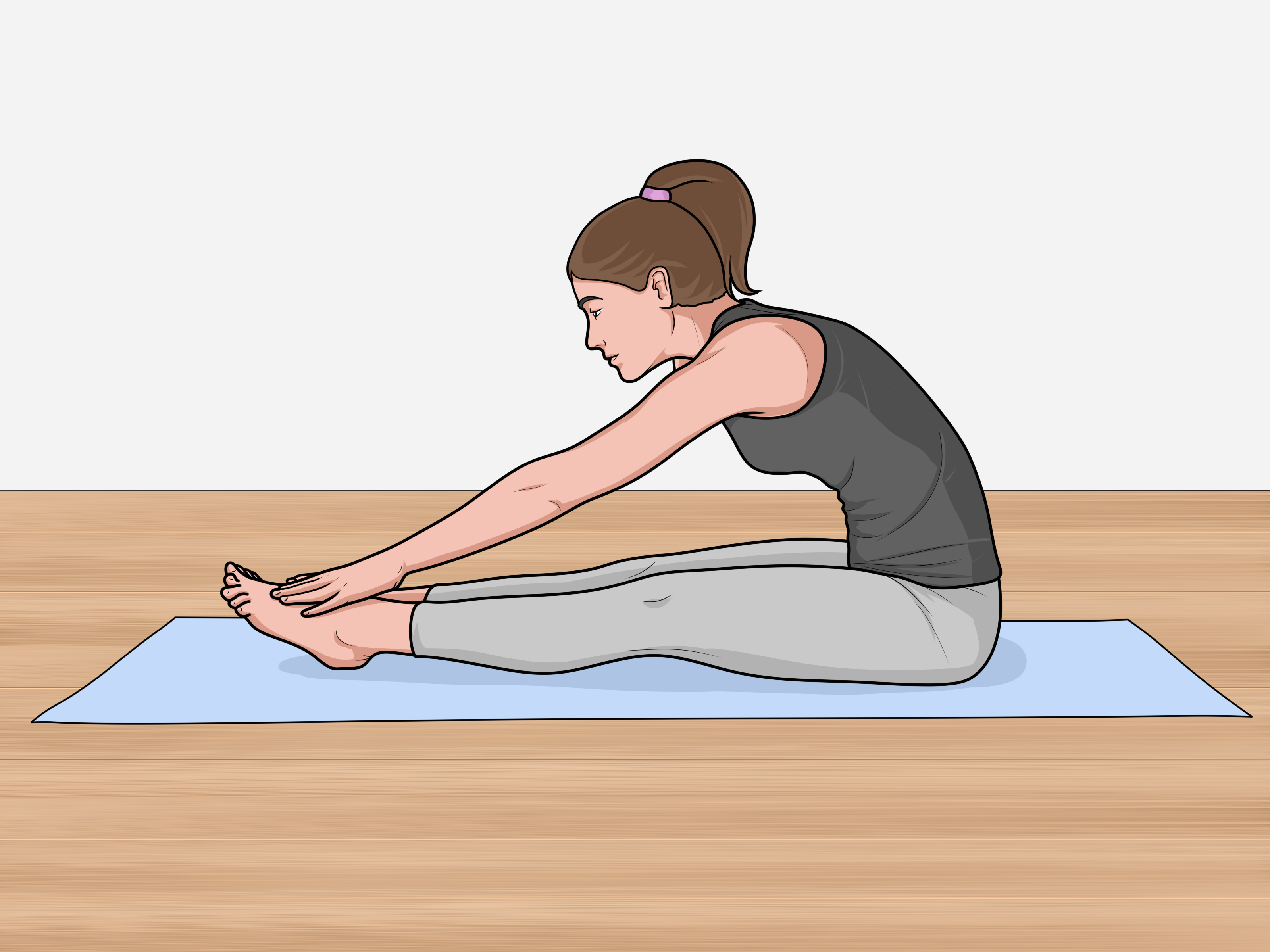
10. Add Dynamic Hamstring and Hip Flexor Prep
Instead of dropping into a dramatic split while your muscles are still negotiating the terms, use dynamic hamstring sweeps, controlled battement-like leg brushes, lunges with a reach, and alternating hip-flexor mobilization.
Yes, flexibility matters in ballet. But flexibility without warmth and control is like bringing glitter to a plumbing job: flashy, but not especially helpful in the moment.
-
11. Switch On the Core
A ballet warm-up should include at least a little core activation. Think planks, dead bugs, standing balance holds, or slow retiré balances with the pelvis steady. The goal is not six-pack theater. The goal is trunk stability so the legs can move without the spine collapsing into chaos.
A connected core helps with pirouettes, adagio, jumps, and even simple barre work. If your center is asleep, everything else tends to look harder than it needs to.
-
12. Rehearse Basic Ballet Patterns Slowly
Now that you are warmer, start speaking ballet to your body. Practice tendus, dégagés, rond de jambe patterns, fondu-like transfers of weight, and slow relevés. Keep them small, clean, and coordinated.
This bridges the gap between general warm-up and actual class. It also gives you a chance to notice whether turnout, alignment, and foot articulation are showing up the way you want them to before combinations begin.
-
13. Bring in Port de Bras and Coordination
Add the arms. Really add them. Pair leg actions with port de bras, épaulement, and head coordination. It is amazing how many dancers feel “warm” until they ask their upper and lower body to cooperate at the same time.
Ballet is coordinated movement, not a collection of disconnected body parts. Your warm-up should remind everything to work together like a competent ensemble cast.
-
14. Build Toward Relevé, Balance, and Light Jumps
If your class will include turns, pointe, or allegro, finish your warm-up with small rises, controlled balances, tiny sautés, or gentle springing actions. Keep the volume low. You are testing readiness, not exhausting yourself before class even starts.
This final ramp-up helps the nervous system prepare for quicker movement and landing mechanics. It is especially useful on days when your body feels sleepy, stiff, or suspicious.
-
15. Start Class Gradually Instead of Going Full Swan Queen Immediately
Your warm-up is not separate from class. It flows into class. Use the first exercises at barre to continue settling into movement quality, breath, and alignment. Do not force the highest extension or deepest stretch in the first combination just because your competitive spirit woke up faster than your hamstrings.
The best ballet warm-ups create momentum. By the time class properly begins, you should feel warmer, more stable, more mobile, and more focusednot wiped out, shaky, or weirdly over-stretched.
Common Ballet Warm-Up Mistakes
Going Straight to Static Stretching
Long, intense stretches before your body is warm can backfire. There is a time and place for static stretching, but most dancers do better when they begin with movement-based preparation first.
Forcing Turnout
If your turnout comes from twisting the knees and feet instead of using the hips, your warm-up is rehearsing bad mechanics before class even starts. That is not preparation. That is preloading the problem.
Ignoring the Feet and Core
Many dancers warm up the “pretty” parts and skip the practical ones. But feet, ankles, calves, hips, and core often decide whether technique feels supported or sketchy.
Bouncing Into Stretches
Fast, jerky stretching may look energetic, but it is not the smartest way to prepare tissue. Controlled movement wins here.
Treating Pain Like a Personality Trait
Ballet culture sometimes glorifies pushing through everything. Do not make “I ignore warning signs” your artistic brand. If something feels wrong, modify, stop, or talk to a qualified teacher or medical professional familiar with dancers.
A Simple 10- to 15-Minute Ballet Warm-Up Example
If you want a practical sequence, try this:
2 minutes marching or brisk walking; 1 minute of breathing and posture setup; 2 minutes of shoulder, spine, and ribcage mobility; 2 minutes of hip circles, knee lifts, and leg swings; 2 minutes of calf raises, pliés, and foot articulation; 2 minutes of glute and core activation; 2 to 4 minutes of tendus, relevés, balances, and small jumps.
That is it. No smoke machine. No dramatic monologue. Just smart preparation.
Conclusion
Learning how to warm up for ballet is one of those unglamorous skills that quietly improves everything. A good warm-up can help you move better, feel more stable, dance with more confidence, and reduce the chances of turning “just a little tight today” into “why is my ankle writing me angry emails?”
The best routine is not the longest one or the fanciest one. It is the one that consistently prepares your specific body for the work ahead. Keep it active, focused, and ballet-specific. Wake up the feet. Organize the hips. Turn on the core. Bring the arms into the conversation. Then step into class like a dancer who respects both art and anatomy.
Because in ballet, grace is wonderful. But grace with a proper warm-up is even better.
Real-Life Experiences With Ballet Warm-Ups
Ask almost any dancer about warm-ups, and you will hear a story that starts with confidence and ends with regret. One beginner walks into class late, skips preparation, copies the strongest person in the room, and spends the next hour wondering why their calves feel like concrete. Another dancer, returning after years away, remembers being flexible at 16 and tries to recreate that magic on day one. Their body responds with the emotional tone of a slammed door.
That is the thing about ballet warm-ups in real life: they are rarely just physical. They are psychological too. Dancers often arrive carrying stress from work, school, auditions, travel, or simply existing as a human in modern society. A warm-up becomes the transition point between regular life and studio life. The best dancers often use those first minutes not only to mobilize their bodies, but also to settle their attention. They breathe. They find posture. They stop rushing. They re-enter their technique on purpose.
There is also a huge difference between warming up at home, in a studio, and backstage. At home, you may have quiet, floor space, and enough time to move gradually. In a studio, you might be squeezed into a corner between someone doing développés and someone emotionally committed to giant second-position stretches. Backstage is its own circus. You may have very little room, limited time, and a costume that makes normal movement hilariously inconvenient. In those moments, dancers learn that a good warm-up is not about having ideal conditions. It is about knowing your priorities.
Experienced dancers usually figure out those priorities through trial and error. They notice that if they skip foot work, balances feel unreliable. If they ignore glute activation, turnout gets sloppy. If they warm up only the legs and forget the upper body, their port de bras looks stiff. If they stretch hard but never build heat first, they may feel loose for five minutes and unstable for the next forty-five. The body is brutally honest that way.
Many adult dancers also discover that warm-ups become more important with age, not less. Teenagers sometimes get away with chaotic preparation because youth is generous and connective tissue is forgiving. Adults usually do better with structure. That is not a weakness. It is intelligence. A dancer in their thirties, forties, or beyond may need a bit more time to feel ready, but they often move with far better awareness once they are warm.
Perhaps the most useful experience dancers report is this: the best warm-up is the one that leaves you feeling ready, not impressive. No one wins a medal for the most dramatic pre-class split. What matters is whether your first plié feels grounded, your relevé feels supported, and your body trusts what comes next. A thoughtful warm-up may not be the flashiest part of ballet training, but it is often the part that makes the beautiful stuff possible.