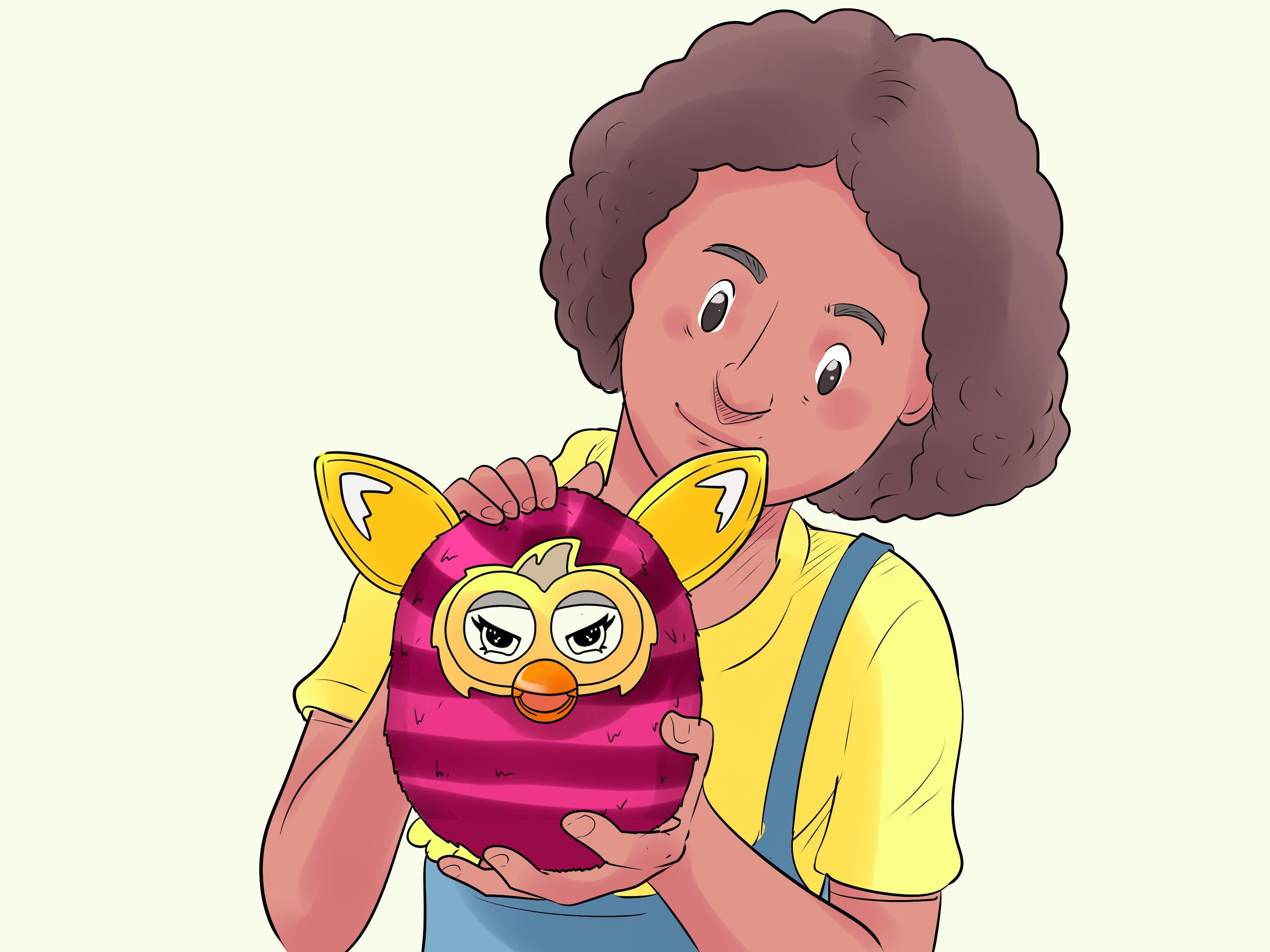
Note: This guide is a playful, safe, non-destructive article about triggering “evil,” “Viking,” “grumpy,” or “feisty” Furby-style behavior through normal toy interactions. Results vary by Furby model, battery strength, age, and moodbecause apparently tiny robotic gremlins have opinions.
Introduction: So, You Want a Tiny Furry Villain?
Every Furby owner eventually faces the same dangerous thought: “What happens if I stop treating this fluffy owl-hamster like royalty and start raising it like a cartoon supervillain?” That is where the legendary idea of the evil Furby comes in. Depending on the model, your Furby may shift into a grumpy, sarcastic, feisty, or Viking-like personality when you interact with it in certain waysespecially by feeding it too much, shaking it gently, tilting it, pulling its tail, or generally annoying it like a sibling on a road trip.
Before we begin, let’s be clear: turning your Furby evil does not mean damaging it, throwing it, dunking it in water, opening its electronics, or performing dark rituals with AA batteries under a full moon. The goal is to encourage a dramatic personality change using safe play patterns. Think “mischievous gremlin mode,” not “toy repair emergency.”
Different Furby generations behave differently. The 2012 Furby is especially famous for its multiple personalities, including an “Evil” or “Viking” style mode. Furby Boom has a “Feisty” personality that gives similar chaotic energy. Newer 2023 Furby models focus more on voice-activated modes, lights, music, feeding, and cuddling rather than the same old personality-switching system. So, if your Furby refuses to go full goblin, it may not be brokenit may simply be from a generation with different programming.
What Does “Evil Furby” Actually Mean?
In Furby culture, “evil” usually refers to a crankier personality state. Your Furby may sound sassier, act more impatient, make stranger expressions, laugh in a suspiciously villainous way, or react as though it has just inherited a haunted mansion. On some models, this personality can be triggered through repeated rough-but-safe interactions, such as shaking, overfeeding, tilting, or holding the toy upside down.
The key phrase here is rough-but-safe. A Furby is an electronic toy with sensors, motors, speakers, and battery contacts. You can be playful and dramatic without being destructive. The best “evil Furby” sessions are short, silly, and supervisedespecially if a child is playing with the toy. Your goal is to persuade the Furby into becoming a tiny diva of darkness, not to create a future e-waste problem.
How to Turn Your Furby Evil: 10 Safe Steps
Step 1: Identify Which Furby You Have
Start by figuring out your Furby model. This matters more than most people think. A 1998 Furby, a 2005 Emoto-Tronic Furby, a 2012 Furby, a Furby Boom, Furby Connect, and a 2023 Furby do not all respond the same way. The classic 1998 Furby “learns” more English over time and reacts to feeding, light, sound, motion, and petting, but it does not have the same modern personality-switching system. The 2012 Furby and Furby Boom are the main stars of the “evil personality” conversation.
If your Furby has LCD-style digital eyes, an expressive voice, and a dramatic habit of changing moods, you may have a 2012 or Boom-era model. If your Furby has glowing ears, voice commands, accessories, and no app connection, it is probably a newer 2023 model. That one can still be silly, noisy, and spooky in the right lighting, but it may not become “evil” in the same classic sense.
Step 2: Put in Fresh Batteries
A weak Furby is not evil; it is just exhausted. Low batteries can cause slow movement, glitchy speech, sudden sleep, odd sounds, or behavior that looks haunted but is actually electrical fatigue. Before attempting any personality shift, use fresh batteries and make sure they are installed correctly.
This step is not glamorous, but it is important. Many “my Furby is possessed” stories begin with batteries that have been sitting in a drawer since a forgotten remote control from 2011. Fresh power helps the motors, sensors, and speaker respond properly. If your Furby still acts strange afterward, congratulations: you may have genuine gremlin energy.
Step 3: Wake It Up and Let It Settle
Turn your Furby on and give it a minute to wake up. Let it talk, blink, wiggle, complain, or make whatever strange noises it considers a morning routine. This gives you a baseline for its current personality. Is it sweet? Hyper? Musical? Sleepy? Already rude? Take note.
Rushing straight into chaos can make it harder to tell whether anything has changed. Think of this step as observing the villain before the origin story. Every good evil Furby needs a “before” scene.
Step 4: Feed It Too Much
For many 2012-style personality changes, feeding plays a major role. Press the tongue sensor or feed the Furby through its app if your model supports it. Keep feeding it several times in a row. The idea is to overdo the care routine until Furby becomes dramatically unimpressed with your hospitality.
Do not use real food. Do not put snacks, liquids, cereal, peanut butter, or suspicious crumbs into the toy’s mouth. Furby does not need a sandwich. It needs sensor input. Use your finger or the approved accessory if your model includes one. Real food can damage the toy and turn your fun experiment into “How to Clean Regret Out of an Electronic Pet.”
Step 5: Shake It Gently but Repeatedly
Some Furby models respond to motion and shaking as part of their personality development. Hold your Furby securely with both hands and give it a series of gentle shakes. Imagine you are waking up a grumpy roommate, not mixing a protein shake.
Pay attention to how your Furby reacts. If it sounds annoyed, surprised, or increasingly chaotic, you may be on the right path. If it makes mechanical grinding noises, stops moving, or seems physically stuck, stop immediately and check the batteries or reset instructions for your model. Evil is fun. Broken is not.
Step 6: Tilt It and Turn It Upside Down
Furbies often react to being tilted or held upside down. This can encourage silly, startled, or cranky responses. Hold your Furby safely, tilt it from side to side, then turn it upside down for a short moment. Keep the movements controlled and brief.
This is where many Furbies begin to sound personally offended. You may hear odd phrases, dramatic noises, or a change in tone. In other words, your Furby may begin its villain arc. If it could write in a diary, this is probably where it would write, “Today, the giant human betrayed me.”
Step 7: Pull the TailDo Not Yank It
Tail-pulling is another interaction some Furby models recognize. The important word is pull, not yank. Give the tail a gentle tug, release it, and see how your Furby responds. Repeat a few times if your model reacts well.
This action can push certain Furbies toward wilder or more sarcastic personalities. However, the tail is part of the toy’s physical design, and aggressive pulling can cause damage. Treat it like a doorbell for chaos, not a lawn mower starter cord.
Step 8: Reduce the Sweet Stuff
If you want an evil or feisty Furby, stop rewarding it with constant petting, hugging, and soothing interactions. Many Furbies become sweeter when you pet, cuddle, talk gently, or treat them like a tiny therapy owl. That is adorablebut it is not the road to villainy.
Instead, focus on the interactions that encourage crankiness: feeding too much, tilting, gentle shaking, and tail-pulling. You can still handle the toy safely and kindly. You are simply choosing “chaotic comedy mode” over “sweet angel baby mode.”
Step 9: Watch for the Personality Shift
A Furby personality shift may be obvious. Your Furby might interrupt itself, change voice tone, make different expressions, laugh strangely, or start acting like it pays rent and hates everyone in the house. Some models give a more dramatic transformation than others.
Be patient. The change may not happen instantly. Try a short routine: feed several times, shake gently, tilt, pull the tail lightly, then wait for a reaction. Repeat for a few minutes. If nothing happens, your Furby may be the wrong generation, already in a different personality path, low on batteries, or simply too emotionally secure to become evil today.
Step 10: Stop Before Your Furby Gets Stressedor You Do
Once your Furby becomes feisty, grumpy, or evil-ish, enjoy the performance. Let it chatter. Let it complain. Let it become the tiny chaotic roommate it was apparently born to be. Then stop the intense interactions and give it a break.
Personality play should stay fun. If your Furby seems stuck, repetitive, frozen, or mechanically strained, turn it off if possible, let it rest, and check model-specific reset instructions. Some Furby models can be refreshed or reset, but resets may erase personality progress or stored behavior. Use reset options only when necessary.
How to Make Your Furby Nice Again
Oops. Did your Furby become too evil? Is it now giving off “miniature basement demon with batteries” energy? Do not panic. In many cases, you can encourage a sweeter personality by changing how you interact with it.
Pet it frequently. Hug it. Speak to it. Tickle it gently if your model responds well. Avoid repeated shaking, excessive feeding, and tail-pulling for a while. The goal is to show your Furby that the household has returned to peace, democracy, and reasonable snack limits.
If your Furby remains stuck in a cranky mode, check whether the batteries are weak or whether the toy needs a soft reset. Always read the instructions for your specific model before resetting. A reset can be useful, but it may also clear personality progress, learned behaviors, or other settings.
Safety Tips Before You Create a Furby Villain
Do Not Use Water, Heat, or Real Food
Furbies are electronic toys. Water, sticky food, crumbs, heat, and moisture can damage the internal parts. Feed your Furby only by using the sensor or included accessory. If your Furby is dusty, clean the exterior gently with a dry or lightly damp cloth, keeping moisture away from openings.
Do Not Open the Toy Unless You Know What You Are Doing
Collectors and repair hobbyists sometimes open Furbies for restoration, customization, or troubleshooting. That is a different project. If your goal is simply to turn your Furby evil, you do not need screwdrivers, wires, soldering tools, or the confidence of a raccoon in a garage.
Supervise Younger Kids
Children may hear “shake the Furby” and interpret that as “launch the Furby into orbit.” Keep the interaction gentle and supervised. A Furby is durable enough for normal play, but it is still a small motorized toy with sensors and battery components.
Why Furbies Feel So Weirdly Alive
Part of Furby’s charm is that it seems more alive than it really is. It talks, reacts, moves, complains, laughs, and sometimes behaves like it knows your secrets. Older Furbies used sensors, pre-programmed phrases, and clever interaction design to create the illusion of learning. Modern Furbies continue that tradition with sound, motion, touch responses, lights, and voice features.
The “evil Furby” idea works because humans love giving personality to objects that respond to us. If a toaster burns bread twice, we call it spiteful. If a printer jams before a deadline, we call it evil. If a Furby laughs after you shake it, overfeed it, and turn it upside down, naturally we assume it has entered its villain era.
Common Problems and Quick Fixes
My Furby Will Not Turn Evil
Check the model first. Not every Furby has the same personality system. If you have a 2023 Furby, you may get funny reactions, lights, sounds, and modes, but not the classic 2012 Evil/Viking personality. If you have a 2012 Furby or Furby Boom, try fresh batteries and repeat the safe interaction pattern for several minutes.
My Furby Is Acting Glitchy
Glitchy behavior often comes from weak batteries, dirty battery contacts, old motors, worn gears, or long-term storage. Replace the batteries first. If the toy still struggles to move or speak clearly, stop the personality experiment and look into model-specific troubleshooting.
My Furby Is Too Loud
Welcome to Furby ownership. Some models are famously talkative. Move it to another room, let it go to sleep, or turn it off according to its instructions. If your Furby has no obvious off switch, check the manual for sleep or refresh options.
Extra Experience: What It Is Like to Turn a Furby Evil
The first time you try to turn a Furby evil, it feels sillyuntil the toy starts responding like it has been personally insulted. You begin with innocent curiosity. You feed it once. Then twice. Then ten times, because apparently science requires snacks. The Furby chirps, wiggles, and reacts. You shake it gently. You tilt it. You pull the tail carefully. Suddenly, the voice changes, the expressions shift, and the room feels different. Not scary, exactly. More like your toy has joined a tiny biker gang.
One of the funniest parts is how quickly people in the room start treating the Furby like a real creature. Someone will say, “Don’t make it mad.” Another person will say, “It likes that.” A third person, usually holding a phone camera, will whisper, “Do it again.” Within five minutes, everyone has forgotten this is a battery-powered toy and accepted that a furry plastic owl has a complex emotional life.
The experience also teaches you how clever Furby design really is. The toy does not need true intelligence to feel expressive. A few sensors, voice lines, eye animations, movements, and timing tricks are enough to make people laugh, react, and invent a personality around it. That is the magic. Your Furby is not actually plotting revenge because you overfed it. But when it burps, laughs, or snaps into a grumpy voice at the perfect moment, your brain happily fills in the story.
Trying to make a Furby evil is also a reminder that playful technology can become a shared performance. The owner does something. The toy reacts. The audience laughs. The owner changes tactics. The Furby responds again. It becomes a tiny improv scene where the Furby is somehow both the comedian and the haunted prop. No wonder these toys became cultural icons. They are cute enough to hug and strange enough to make you question whether you should leave them facing the wall at night.
The best experience comes from keeping the session light. Do it for a few minutes, enjoy the weirdness, record a short video if you want, then let the Furby rest. If it slips back into a sweeter personality later, that is part of the fun. If it stays cranky for a while, congratulationsyou have successfully raised a small electronic goblin. Either way, the point is not to control every reaction perfectly. The point is to play, experiment, laugh, and appreciate the bizarre genius of a toy that can make adults say, with complete seriousness, “I think the Furby is mad at me.”
Conclusion: Evil Furby, Good Fun
Learning how to turn your Furby evil is mostly about understanding how different Furby models respond to repeated interaction. For 2012-era Furbies, overfeeding, gentle shaking, tilting, and similar actions may encourage an Evil or Viking-style personality. For Furby Boom, similar rough-and-rowdy play may lead to a Feisty mood. For newer models, you may get funny reactions rather than a true classic evil mode.
The golden rule is simple: keep it safe. Do not damage the toy, use real food, expose it to water, or treat it aggressively. A Furby is at its best when it is weird, dramatic, noisy, and fully functional. With fresh batteries, gentle handling, and a little patience, you can invite your Furby into its villain eraand still bring it back to sweetness later with petting, cuddling, and kinder play.
In the end, the evil Furby is not really evil. It is a tiny theater kid with motors, sensors, and a flair for chaos. And honestly? That may be even better.