Note: This article is fully rewritten and designed for web publication. It provides general personal-finance education, not individualized legal, tax, mortgage, or investment advice.
Why Housing Costs Deserve a Bigger Spotlight
Housing is the budget category that walks into your wallet, puts its feet on the coffee table, and asks what is for dinner. For many American households, rent or mortgage payments are only the opening act. Utilities, insurance, property taxes, maintenance, parking, HOA fees, moving costs, and surprise repairs can turn “affordable” into “why is my bank account making that tiny whimpering sound?”
The good news is that housing costs are not always fixed in stone. Some are negotiable, some are avoidable, and some can be reduced with smarter planning. Whether you rent an apartment, own a home, share a townhouse, or are trying to decide whether to move, the goal is not to live in a cardboard box and call it minimalism. The goal is to lower your total housing expense while keeping your home safe, comfortable, and realistic for your lifestyle.
Below are 13 practical ways to save money on housing costs, inspired by proven personal-finance strategies and updated for today’s expensive housing market.
13 Ways to Save Money on Housing Costs
1. Calculate Your True Housing Cost, Not Just Rent or Mortgage
The biggest mistake people make is focusing only on the headline payment. Rent looks affordable until you add parking, pet rent, utilities, renter’s insurance, laundry fees, storage, commuting costs, and annual rent increases. A mortgage looks manageable until property taxes, homeowners insurance, repairs, HOA dues, and lawn care arrive like uninvited dinner guests.
Create a “total housing cost” worksheet. Include every monthly and annual expense connected to where you live. For homeowners, divide annual bills by 12 so property taxes and insurance do not ambush you later. For renters, include deposits, application fees, moving costs, and utility setup fees. This number gives you the real monthly cost of your home, not the pretty number from the listing.
2. Follow the 30% Rule, But Do Not Worship It
The classic rule says to spend no more than 30% of gross income on housing. It is a useful starting point, but it is not a magic spell. In high-cost cities, 30% may be unrealistic. In lower-cost areas, spending less than 30% may free up cash for debt payoff, retirement, travel, or a future down payment.
Instead of blindly following one rule, compare your housing cost with your full budget. If your rent is 35% of income but you have no car payment and walk to work, you may still be fine. If your mortgage is 25% but your property taxes, insurance, and repairs are exploding, you may be house-poor in disguise. The best housing budget is the one that leaves room for food, savings, emergencies, and the occasional taco that was absolutely necessary.
3. Negotiate Rent Before Renewal Time
Renters often assume the renewal notice is final. Sometimes it is. Sometimes it is just the landlord’s opening move. If you have paid on time, kept the place clean, and avoided turning the living room into a drum studio, you may have leverage.
Start the conversation 60 to 90 days before your lease ends. Research comparable rentals nearby. If similar units are cheaper, politely share the data and ask whether your landlord can match the market, reduce the increase, or offer another concession. Even if the rent cannot move, ask about free parking, waived pet fees, new appliances, carpet cleaning, or a longer lease at the current rate. A $50 monthly reduction saves $600 a year. That is not “retire early” money, but it is definitely “stop ignoring the dentist” money.
4. Consider a Roommate or Housemate
Sharing housing is one of the fastest ways to cut costs. Splitting rent, utilities, internet, furniture, and household supplies can dramatically lower your monthly burden. This works especially well in expensive cities, near universities, or in areas where one-bedroom apartments carry a luxury price tag even when the “luxury” is one sad ceiling fan.
The key is structure. Put agreements in writing. Decide how bills will be split, how guests are handled, who buys shared supplies, and what happens if someone moves out early. A roommate can save you thousands per year, but only if the arrangement does not cost you your peace, your sleep, or your last clean spoon.
5. Move Slightly Outside the Most Popular Neighborhood
Location affects housing costs more than almost anything else. A home five minutes from the trendiest café may cost far more than a similar place one or two neighborhoods away. Before signing a lease or making an offer, compare nearby ZIP codes, commute times, transit options, parking costs, school zones, insurance rates, and grocery prices.
The goal is not to move somewhere inconvenient just to save $100. Transportation costs matter. A cheaper apartment that adds a car payment, tolls, and two hours of commuting misery may not be cheaper at all. But if you can move a short distance and save hundreds per month without sacrificing safety or daily convenience, that is a housing win.
6. Downsize Your Space Without Downgrading Your Life
Extra space feels wonderful until you pay to heat it, cool it, furnish it, clean it, insure it, and fill it with things you forgot you owned. Downsizing can reduce rent or mortgage payments, utility bills, property taxes, insurance, maintenance, and the mysterious urge to buy another bookshelf.
Ask yourself how much space you truly use. Do you need a guest room, or do you need a sleeper sofa and a polite limit on guest stays? Do you need a formal dining room, or do you eat dinner at the kitchen counter while watching videos about organizing the formal dining room? Smaller housing works best when it is intentional: fewer rooms, better storage, less clutter, and a layout that fits your real routine.
7. Refinance Carefully When the Math Works
For homeowners, refinancing can lower monthly mortgage payments if interest rates drop, credit improves, or loan terms become more favorable. But refinancing is not free. Closing costs can cancel out savings if you move too soon or refinance too often.
Use a break-even calculation: divide the total refinancing cost by the monthly savings. If refinancing costs $6,000 and saves $200 per month, the break-even point is 30 months. If you plan to stay much longer than that, refinancing may make sense. If you might move in a year, the refinance could be a very official-looking way to lose money.
8. Ask About Mortgage Recasting
A mortgage recast is different from refinancing. With a recast, you make a large payment toward your principal, and the lender recalculates your monthly payment based on the lower balance. Your interest rate and loan term usually stay the same. This can be helpful if you receive a bonus, inheritance, or proceeds from selling another home.
Recasting is not available on every loan, and lenders may charge a fee. Still, for homeowners who want a lower monthly payment without the full refinance process, it is worth asking about. It is one of those boring financial moves that may not impress anyone at a party, but your monthly budget will quietly applaud.
9. Cancel Private Mortgage Insurance When Eligible
If you bought a home with less than 20% down, you may be paying private mortgage insurance, commonly called PMI. PMI protects the lender, not you, which makes it feel a bit like buying an umbrella for someone else while you stand in the rain.
For many conventional loans, homeowners can request PMI cancellation when the loan balance reaches 80% of the home’s original value, assuming they meet lender requirements. In some cases, rising home values may also help, though an appraisal may be required. Check your mortgage statement, call your servicer, and ask what steps are needed. Removing PMI can save a meaningful amount every month.
10. Shop Homeowners or Renters Insurance Annually
Insurance is one of the most overlooked housing expenses. Many people choose a policy once, then let it renew forever like a houseplant they forgot to water. That can be expensive. Rates change, discounts change, and your coverage needs may change too.
Compare quotes at least once a year. Ask about bundling home and auto insurance, loyalty discounts, security system discounts, new roof discounts, claims-free discounts, and higher deductible options. Raising a deductible can lower premiums, but only do it if you have enough emergency savings to cover the out-of-pocket cost after a claim. Cheap insurance that leaves you financially exposed is not a bargain; it is a trap wearing a coupon hat.
11. Challenge Property Tax Assessments When They Look Wrong
Property taxes can rise even when your income does not. If your home’s assessed value seems higher than comparable properties, you may be able to appeal. Start by reviewing your local assessor’s record. Check square footage, bedrooms, bathrooms, lot size, property condition, and recent comparable sales.
If the record contains errors or your assessment appears out of line, follow your county or city’s appeal process. Deadlines are usually strict. The process may require forms, evidence, photos, or comparable sales data. A successful appeal can lower your tax bill for the year and possibly future years. It is not exciting, but neither is overpaying because the county thinks your half-finished basement is a palace.
12. Cut Utility Costs With Small Energy Upgrades
Utilities are housing costs too, and they are often easier to reduce than rent or mortgage payments. Start with low-cost upgrades: LED bulbs, smart power strips, door sweeps, weatherstripping, faucet aerators, low-flow showerheads, clean HVAC filters, and thermostat adjustments.
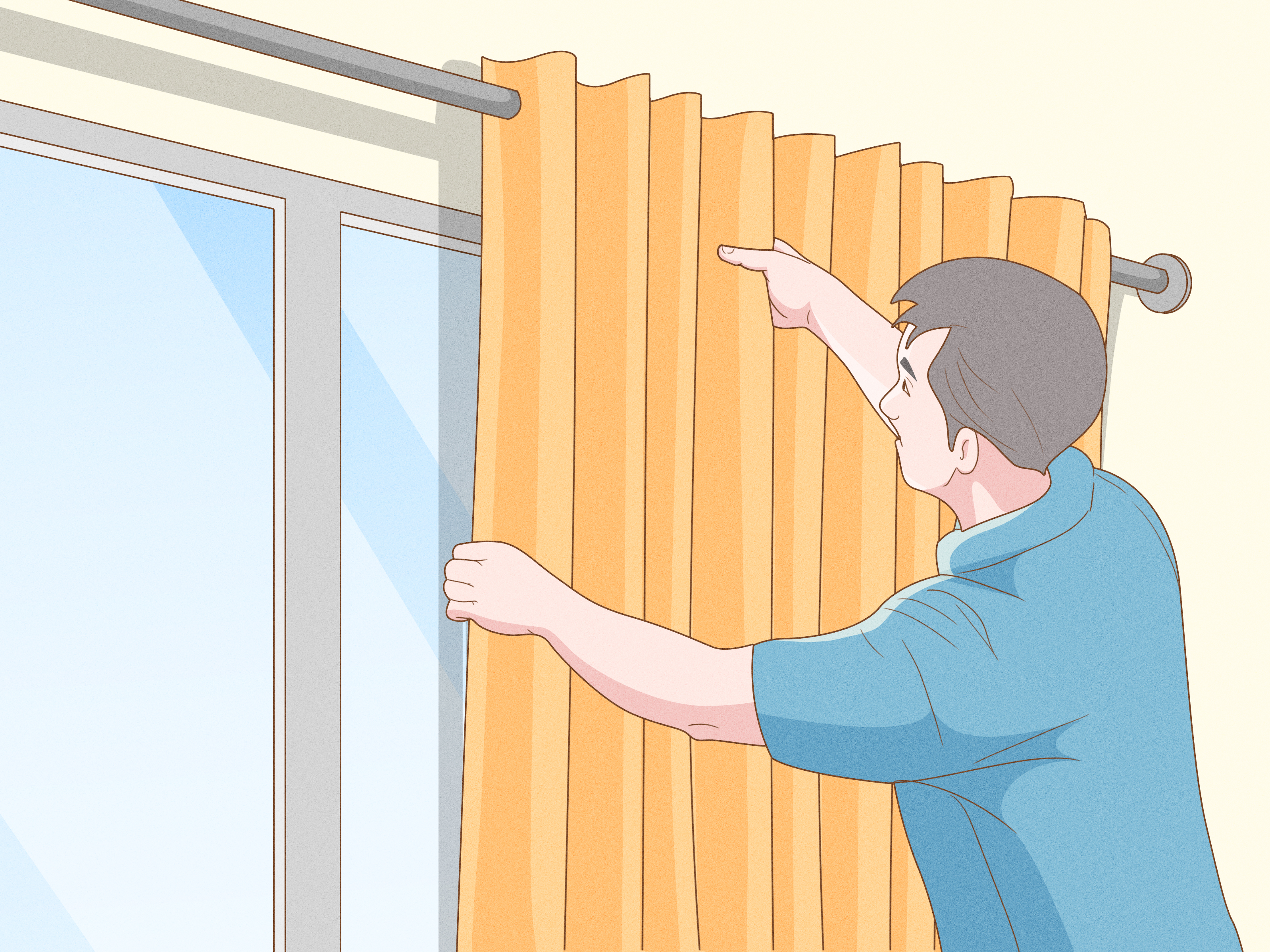
Heating and cooling are major energy users, so thermostat habits matter. A programmable or smart thermostat can help reduce waste when you are asleep or away. Renters can still save by sealing drafts with removable products, using curtains strategically, unplugging energy vampires, washing clothes in cold water, and reporting leaky faucets or running toilets quickly. Your utility bill may never become adorable, but it can become less dramatic.
13. Use Assistance, Tax Benefits, and Local Programs
Do not overlook programs designed to help renters and homeowners manage housing costs. HUD-approved housing counselors can help with budgeting, renting, buying, defaults, foreclosure prevention, and credit issues. Utility companies may offer energy audits, payment plans, weatherization help, or income-based assistance. Some local governments offer property tax relief, repair grants, down payment assistance, or renter support.
Homeowners should also review potential tax benefits with a qualified tax professional. Mortgage interest, certain property taxes, and specific energy-related improvements may affect your tax situation depending on current law and whether you itemize. Tax rules change, so do not rely on something your uncle heard in 2017 at a barbecue. Verify before you file.
Smart Examples: How Small Housing Changes Add Up
Example 1: The Renter Who Negotiates
Imagine a renter paying $1,800 per month. The landlord proposes an increase to $1,900. The renter researches nearby units and finds similar apartments listed at $1,825. Instead of silently accepting the increase, the renter offers to renew for 12 months at $1,825. The landlord agrees because a vacant unit could cost more than the discount. Savings compared with the proposed rent: $75 per month, or $900 per year.
Example 2: The Homeowner Who Removes PMI
A homeowner notices a monthly PMI charge of $145. After reviewing the mortgage balance and home value, they contact the loan servicer and request cancellation instructions. The lender requires an appraisal and confirms eligibility. Even after paying a fee, the homeowner saves more than $1,700 per year going forward. That is a practical housing-cost cut without moving, refinancing, or eating instant noodles under a blanket.
Example 3: The Family That Reduces Utility Waste
A family spends $280 per month on electricity and gas. They replace old bulbs with LEDs, install weatherstripping, adjust thermostat schedules, wash clothes in cold water, and change HVAC filters regularly. Their bill drops by $35 per month on average. That is $420 per year. Not glamorous, but neither is paying to heat the outdoors through a drafty door.
Common Housing-Cost Mistakes to Avoid
Ignoring the Cost of Moving
Moving to save money can work, but only if the savings exceed the moving costs. Include truck rental, movers, deposits, utility setup fees, cleaning fees, missed work, new furniture, pet fees, and the emotional cost of discovering how many cables you own.
Buying Too Much House
A lender may approve you for more than you should comfortably spend. Approval is not the same as affordability. Leave room for maintenance, emergencies, retirement savings, and normal life. A beautiful house becomes stressful quickly if every repair feels like a financial cliff.
Choosing the Cheapest Option Without Checking Safety
Low rent is not worth unsafe wiring, poor locks, mold, unreliable heat, or a neighborhood that makes you uncomfortable. Saving money should not mean sacrificing basic safety. Inspect carefully, read reviews, check crime maps, ask questions, and trust your instincts.
Forgetting Maintenance
Homeowners who delay small repairs often pay for big ones later. A $15 tube of caulk can prevent water damage. A clean gutter can protect a foundation. A yearly HVAC service can extend system life. Maintenance is not a fun budget category, but it is cheaper than panic.
Personal Experience: What Actually Works When Trying to Lower Housing Costs
One of the most useful lessons about saving money on housing is that the biggest wins usually come from boring decisions made before a crisis. Nobody wants to spend Saturday comparing insurance quotes, reading lease clauses, or checking whether the water heater is set too high. But those small tasks can create real savings over time.
A practical approach starts with tracking. Many people know their rent or mortgage payment, but they do not know the full cost of living in their home. Once you add internet, utilities, repairs, insurance, taxes, fees, pest control, parking, and commuting, the true number can be surprising. The first time someone builds a full housing budget, there is often a moment of silence. It is the financial equivalent of opening a closet and having five years of stuff fall out.
Another experience-based tip is to negotiate calmly and early. Whether dealing with a landlord, insurance agent, contractor, or lender, people tend to wait until the last minute. That weakens your position. A renter who asks about renewal options three months early sounds organized. A homeowner who shops insurance before the renewal date has time to compare. A borrower who calls the mortgage servicer before falling behind has more options than someone who waits until the final notice arrives.
It also helps to separate comfort from status. A slightly smaller home, an older but well-maintained apartment, or a less trendy neighborhood can free up hundreds of dollars per month. That money can become an emergency fund, debt payoff, retirement savings, or a future down payment. The trick is to avoid lifestyle creep disguised as “just needing more space.” Sometimes people do need more space. Sometimes they need fewer impulse purchases and better shelves.
Energy savings are another area where experience beats theory. One upgrade may not change everything. But several small changes together can matter: sealing gaps, using curtains, changing filters, unplugging unused electronics, fixing leaks, and adjusting thermostat habits. These actions are not exciting enough for a reality show, unless the show is called “America’s Next Top Weatherstrip,” but they work because they reduce waste every day.
For homeowners, maintenance is where long-term savings hide. People often delay repairs because they feel expensive. But water, pests, and neglected systems do not become cheaper with time. A small roof leak can become drywall damage. A clogged gutter can become foundation trouble. A dripping pipe can become mold. The cheapest repair is usually the one handled before it becomes a dramatic story involving buckets.
Finally, the best housing decision is rarely the cheapest one on paper. It is the one that supports your full financial life. A home should leave room for savings, health, transportation, food, insurance, family needs, and rest. If your housing cost forces every other category into survival mode, the home is too expensive, even if the bank approved it or the apartment has excellent countertops. Saving money on housing is not about being cheap. It is about buying breathing room.
Conclusion
Saving money on housing costs does not require one giant miracle. It usually requires a series of smart, practical moves: understanding your true costs, negotiating when possible, comparing insurance, reducing utility waste, using available programs, and making housing choices that fit your real budget rather than your fantasy lifestyle board.
Renters can save by negotiating renewals, choosing locations wisely, sharing space, and managing utilities. Homeowners can save by reviewing insurance, appealing property taxes, removing PMI, maintaining the home, and exploring refinance or recast options when the math supports it. Everyone can benefit from knowing the full cost of housing before signing a lease, buying a home, or assuming “it will probably be fine.”
Your home should support your life, not swallow your paycheck whole. Start with one action this week: review your lease, call your insurer, check your thermostat schedule, calculate your total housing cost, or research local assistance. Small steps can turn a stressful housing budget into a smarter, calmer financial plan.