Note: This guide uses standard American crochet terms. In this article, foundation single crochet is abbreviated as FSC, chain as ch, single crochet as sc, and yarn over as yo.
Introduction: Meet the Crochet Shortcut That Feels Like a Tiny Magic Trick
If you have ever started a crochet project with a long foundation chain, counted it three times, lost track at stitch 47, sighed dramatically, and considered moving to a remote cabin where numbers do not exist, welcome. You are among friends. The traditional foundation chain is useful, but it can be tight, twisty, and mildly mischievous. That is why learning how to foundation single crochet is such a game-changer.
Foundation single crochet, often written as FSC, lets you create the starting chain and the first row of single crochet at the same time. Instead of making a chain, turning, and working single crochet stitches back across that chain, you build each chain and each single crochet together as you go. The result is a stretchier, cleaner, more flexible beginning edge that works beautifully for scarves, blankets, hats, garments, washcloths, cowls, and any project that begins with a row of single crochet.
At first glance, FSC may look like crochet origami. The stitch asks you to build a tiny chain, work a tiny single crochet, and then politely locate the base of the stitch you just made. But once your hands understand the rhythm, it becomes one of those techniques you wonder how you lived without. This step-by-step guide breaks it down clearly, with practical tips, troubleshooting advice, examples, and beginner-friendly explanations.
What Is Foundation Single Crochet?
Foundation single crochet is a chainless crochet foundation technique. It creates a row of single crochet stitches and a foundation chain edge in one pass. Each FSC stitch has two parts: the bottom chain portion and the top single crochet portion. You are essentially making the “floor” and the “first story” of your crochet building at the same time. Efficient? Yes. Slightly smug? Also yes.
In a traditional crochet start, you might chain 21, then work one single crochet into the second chain from the hook and across, ending with 20 single crochet stitches. With FSC, you simply make 20 foundation single crochet stitches. No separate starting chain. No wrestling your hook into tiny chain bumps like you are trying to pick a lock with yarn.
Why Use Foundation Single Crochet Instead of a Regular Chain?
The biggest benefit of FSC is stretch. A regular starting chain can be tighter than the rest of the fabric, especially for beginners who chain with determination and mild panic. FSC creates an edge that moves more naturally with the fabric. This is especially helpful for wearable projects such as hats, sweaters, sleeves, mitts, collars, and necklines.
FSC also makes it easier to adjust the length of your starting row. If you are making a scarf and decide it needs five more stitches, you can just keep going. If you made a traditional chain and already worked back across it, adding stitches is much more annoying. Crochet is supposed to be relaxing, not a tiny yarn-based negotiation.
Supplies You Need
You do not need special tools to learn foundation single crochet. Gather the following:
- Yarn: A smooth, medium-weight yarn is easiest for practice.
- Crochet hook: Use the hook size recommended on your yarn label, or one size larger while learning.
- Stitch marker: Optional, but very helpful for marking the chain part of each stitch.
- Scissors and yarn needle: For finishing your practice swatch.
- Patience: Not sold at craft stores, unfortunately.
For a beginner practice swatch, worsted weight yarn and a 5 mm or 5.5 mm hook are excellent choices. Avoid fuzzy, dark, slippery, or novelty yarn while learning. Save the dramatic yarn for later, when your stitch confidence has had its coffee.
Foundation Single Crochet Abbreviations and Terms
Before we begin, here are the most important abbreviations you may see in crochet patterns:
- FSC: Foundation single crochet
- ch: Chain
- sc: Single crochet
- yo: Yarn over
- st: Stitch
- lp: Loop
In pattern language, you may see an instruction such as: “FSC 30.” That means you should make 30 foundation single crochet stitches. You may also see “ch 31, sc in second ch from hook and across” in a pattern. If that first row creates 30 single crochet stitches, you can often replace it with FSC 30.
How to Foundation Single Crochet: Step-by-Step Instructions
Take your time with these steps. FSC is not difficult, but it does require you to recognize where the previous chain portion lives. Once you can see that spot, the stitch becomes much easier.
Step 1: Make a Slip Knot
Begin by making a slip knot and placing it on your hook. Do not pull it too tightly. You want the loop to sit comfortably on the hook shaft, not cling to it like it is afraid of heights.
Step 2: Chain 2
Yarn over and pull through the loop on your hook to make your first chain. Then yarn over and pull through again to make your second chain. You now have two chains. These two chains create the beginning structure for your first foundation single crochet.
Step 3: Insert Hook Into the First Chain Made
Look at the two chains you just made. Insert your hook into the first chain you made, which is the second chain from the hook. Try to work under two strands of the chain if possible. This gives the base of your stitch a stronger, neater look.
Step 4: Yarn Over and Pull Up a Loop
Yarn over and pull up a loop through that chain. You should now have two loops on your hook. This part looks similar to the beginning of a regular single crochet stitch.
Step 5: Yarn Over and Pull Through One Loop Only
This is the key move. Yarn over and pull through only the first loop on your hook. You will still have two loops on the hook. The loop you just created is the chain portion of your foundation single crochet. Think of it as the basement apartment of the stitch. It is small, important, and easy to miss if you are not paying attention.
If you are brand new to FSC, place a stitch marker in this chain portion. You will work into this spot to begin your next foundation single crochet.
Step 6: Yarn Over and Pull Through Both Loops
Yarn over again and pull through both loops on your hook. Congratulations, you have made your first foundation single crochet stitch. It may look a little odd. That is normal. First stitches are like passport photos: technically correct, but not always flattering.
Step 7: Insert Hook Into the Chain Portion of the Previous Stitch
Now you will make the next FSC. Rotate your work slightly and find the chain portion you created in Step 5. It sits at the bottom side of the stitch, below the single crochet “V” at the top. Insert your hook into that chain portion. Many crocheters prefer inserting under two strands for a sturdy edge.
This is the step that confuses most beginners. If you cannot see the chain portion clearly, use a stitch marker for the first several stitches. After a little practice, your eyes will start spotting it automatically.
Step 8: Yarn Over and Pull Up a Loop
Yarn over and pull up a loop through the chain portion of the previous stitch. You should have two loops on your hook again.
Step 9: Yarn Over and Pull Through One Loop
Yarn over and pull through one loop only. This creates the chain portion for the new FSC. Keep this part relaxed. If you tug it too tightly, the foundation row may curl, shrink, or develop the personality of a stubborn shoelace.
Step 10: Yarn Over and Pull Through Both Loops
Yarn over and pull through both loops on the hook. You have now completed your second foundation single crochet. Repeat Steps 7 through 10 until you have the number of stitches your pattern requires.
Quick Foundation Single Crochet Pattern Formula
Here is the short version for crocheters who like compact instructions:
- Make a slip knot.
- Ch 2.
- Insert hook into the first ch made.
- Yo, pull up a loop. Two loops on hook.
- Yo, pull through one loop. This creates the chain base.
- Yo, pull through both loops. First FSC made.
- Insert hook into the chain base of the previous FSC.
- Yo, pull up a loop.
- Yo, pull through one loop.
- Yo, pull through both loops.
- Repeat for each additional FSC.
How to Count Foundation Single Crochet Stitches
Counting FSC stitches is easier when you look at the top edge. Each single crochet stitch creates a small “V” shape along the top. Count each V as one stitch. Do not count the loop on your hook. That loop is still working hard and has not earned stitch status yet.
You can also count the bottom chain bumps along the foundation edge, but the top V shapes are usually clearer. For long rows, place a stitch marker every 10 or 20 stitches. This prevents the classic crochet tragedy of counting 100 stitches, blinking, and suddenly having no idea whether you were at 63 or 76.
How to Start the Next Row After Foundation Single Crochet
Once you have made the required number of FSC stitches, chain 1 and turn your work. Then work into the top of each foundation single crochet stitch just as you would work into a normal row of single crochet. Insert your hook under the two top loops of the first stitch, yarn over, pull up a loop, yarn over, and pull through both loops.
The top edge of FSC behaves like a regular row of single crochet. The bottom edge looks like a neat chain. This is one reason FSC is so useful: it gives your project a finished-looking beginning edge without extra fuss.
When Should You Use Foundation Single Crochet?
You can use FSC when a project begins with a foundation chain followed by a row of single crochet. It is especially useful for projects that need flexibility at the starting edge.
Best Projects for FSC
- Scarves: FSC helps the first row match the stretch of the rest of the scarf.
- Blankets: A foundation single crochet row can reduce tight edges.
- Hats: It creates a stretchier band when working bottom-up.
- Sweaters and cardigans: FSC works well for collars, hems, and cuffs.
- Cowls: The flexible edge makes the cowl more comfortable.
- Washcloths: It gives a neat, sturdy edge to simple cotton projects.
When Not to Use FSC
Do not automatically use FSC if the pattern’s first row includes complicated stitch placement, increases, skipped chains, lace spaces, shells, or a specific decorative chain effect. FSC is best when the first row is a straightforward row of single crochet stitches. If a pattern says to chain 30 and then work a special stitch pattern into certain chains, follow the pattern unless you are comfortable modifying it.
How to Replace a Starting Chain With FSC
Converting a pattern to foundation single crochet is simple once you understand the stitch count. Look at how many single crochet stitches the first row creates, not just how many chains the pattern asks you to make.
For example, if a pattern says:
Ch 26. Sc in second ch from hook and in each ch across. 25 sc.
You can replace that with:
FSC 25.
Why 25 and not 26? Because the skipped chain counts as the turning chain in the traditional method. The finished row contains 25 single crochet stitches. FSC creates the actual stitch count directly, so you make 25 FSC stitches.
Common Foundation Single Crochet Mistakes
Mistake 1: Working Into the Wrong Loop
The most common FSC mistake is inserting the hook into the top single crochet stitch instead of the chain portion at the bottom of the previous stitch. If the row starts looking bulky or twisted, pause and locate the base chain. A stitch marker can save the day here.
Mistake 2: Making the Chain Portion Too Tight
If you pull the “yarn over, pull through one loop” step too tightly, the row may curl. Keep that new chain loop relaxed. Some crocheters go up a hook size for the foundation row if their tension is naturally tight.
Mistake 3: Losing Count
Because FSC stitches are built one at a time, it is easy to zone out and make too many. Count the top V shapes often. For large projects, use markers every 10 stitches. Your future self will be grateful and may even forgive you for buying more yarn than planned.
Mistake 4: Twisting the Row
FSC is less likely to twist than a long chain, but it can still twist if you are not watching the bottom edge. Lay the row flat every so often and check that the top V edge and bottom chain edge are facing the right direction.
Tips for Neater Foundation Single Crochet
First, slow down. FSC is easier when you make each part intentionally. Say the rhythm in your head: “Insert, pull up, chain one, finish single crochet.” That little chant may not win a Grammy, but it will help your hands learn the movement.
Second, keep your loops even. The chain portion should not be strangled, and the single crochet portion should not be loose and floppy. Aim for a smooth row where the bottom chain edge and top stitch edge are similar in length.
Third, practice with light-colored yarn. It is much easier to see the chain base when the yarn is not black, fuzzy, or determined to hide every stitch like a tiny yarn ninja.
Fourth, make a practice swatch before using FSC in a project. Try 15 to 20 stitches, then work two regular rows of single crochet on top. This lets you see how the foundation edge behaves once more fabric is added.
Foundation Single Crochet vs. Regular Foundation Chain
A regular foundation chain is quick and familiar. It is the classic starting point for many crochet patterns. However, it can be tight and less elastic than the rows worked above it. Foundation single crochet takes slightly longer per stitch, but it replaces both the starting chain and the first single crochet row.
The regular chain is useful when a pattern needs skipped chains, decorative spaces, or a very specific starting structure. FSC is better when you want stretch, flexibility, easier sizing, and a more balanced edge. Neither method is “always better.” Crochet is not a dramatic courtroom trial. The best method depends on the project.
Foundation Single Crochet for Left-Handed Crocheters
Left-handed crocheters use the same basic steps, but the direction is mirrored. You still chain 2, insert into the first chain made, pull up a loop, create the chain portion by pulling through one loop, and finish the single crochet by pulling through both loops. Then you insert into the chain portion of the previous stitch and repeat.
The important thing is not whether your row grows left-to-right or right-to-left. The important thing is that each stitch has a bottom chain and a top single crochet. If you can identify those two parts, you can make FSC comfortably from either direction.
Practice Exercise: Make a Simple FSC Swatch
Try this beginner-friendly practice swatch:
- Make 15 foundation single crochet stitches.
- Chain 1 and turn.
- Single crochet in each stitch across. You should have 15 stitches.
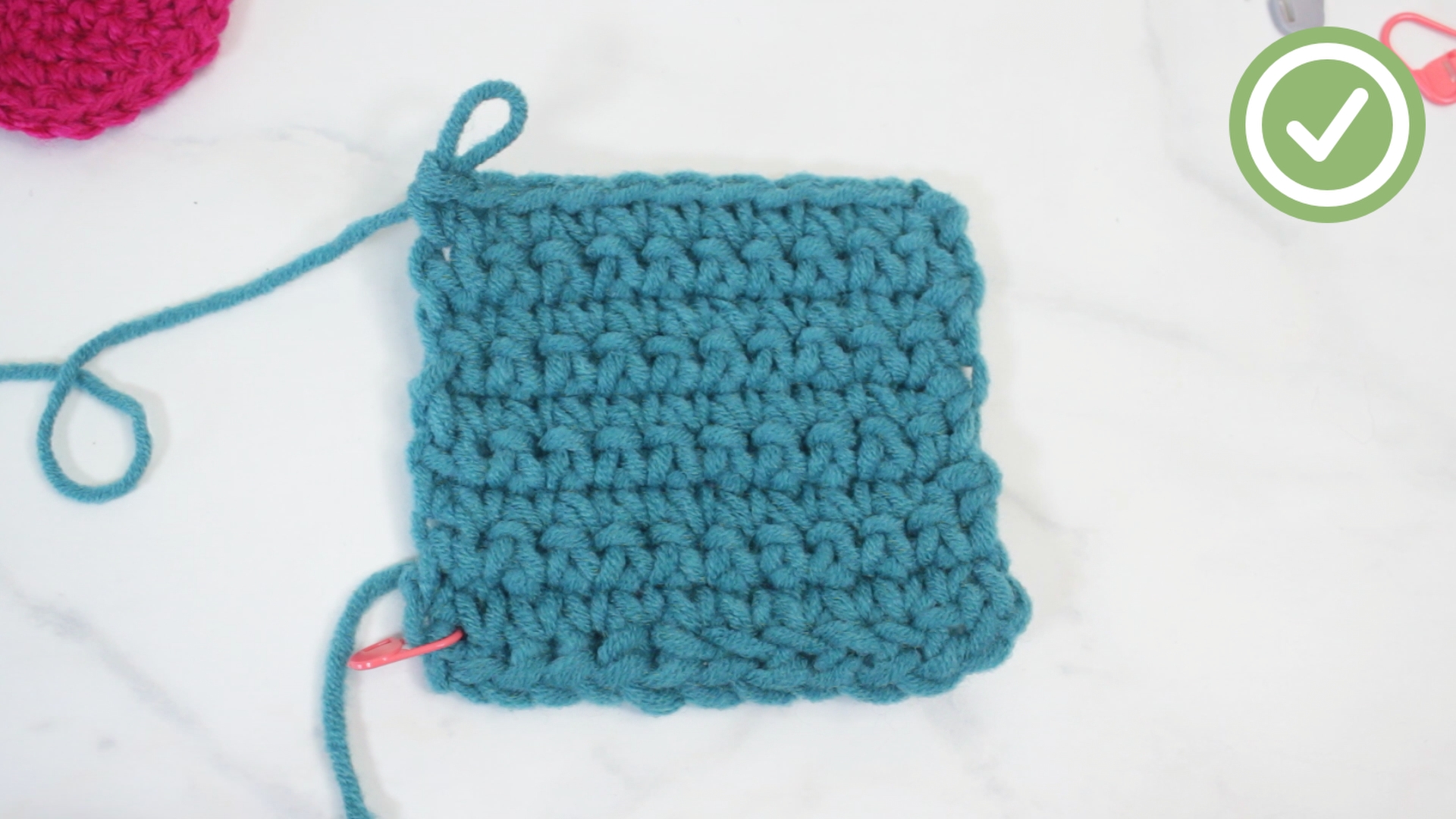
- Repeat for four more rows.
- Fasten off and look at the bottom edge.
Notice how the foundation edge stretches compared with a regular chain. If you want to compare, make a second swatch by chaining 16 and working single crochet into the second chain from the hook and across. You will probably notice that the FSC swatch has a more flexible beginning edge.
Real-Life Experience: What Learning Foundation Single Crochet Actually Feels Like
The first time many crocheters try foundation single crochet, it feels like the stitch has too many secret doors. You make a chain, then a single crochet, then you are told to insert your hook into “the chain portion,” which sounds very official until you stare at the yarn and see approximately 47 possible loops. This is normal. FSC requires a little visual training, and the first few stitches may look like a tiny yarn caterpillar that has lost its way.
One helpful experience is to practice FSC with a stitch marker in the chain portion of every stitch for the first five stitches. It may feel slow, but it teaches your eyes exactly where the next insertion point lives. After a few repeats, you start to recognize the base chain without help. The moment that clicks is delightful. It is like finally understanding the plot twist in a mystery movie, except the detective is you and the suspect is yarn.
Another common experience is uneven tension. The first FSC row may curve like a smile, frown, or suspicious banana. Usually this happens because the chain portion is too tight. The fix is simple: when you yarn over and pull through one loop, pause and let that new chain loop sit comfortably on the hook shaft before finishing the single crochet. Do not yank. Do not panic. The yarn is not escaping; it has nowhere to go.
Many crocheters also discover that FSC makes long projects feel less intimidating. Starting a blanket with a chain of 180 can feel like preparing tax documents in yarn form. You count, recount, and then accidentally twist the chain before the first row. With FSC, you build the length gradually and can measure as you go. If the row needs to be longer, add more stitches. If it is too long, remove a few. This flexibility is especially useful for scarves and garments where size matters more than blindly obeying a number.
FSC can also improve the look of handmade gifts. A scarf that begins with a tight chain edge may pull inward at one end, while the rest of the fabric relaxes. A foundation single crochet edge often looks more balanced and professional. The difference can be subtle, but crocheters notice subtle things. We are the people who can spot one missed stitch from across a room while pretending to watch television.
For wearable projects, the stretch is the real prize. Hat bands, cuffs, collars, and sweater hems need to move with the body. A tight starting chain can make a garment feel restrictive, even if the rest of the piece is beautifully stitched. FSC gives that starting edge a little more bounce. It is not elastic like ribbing, but it is much friendlier than a stiff chain.
One practical tip from experience: do not learn FSC for the first time at midnight on the actual project yarn you love most. Practice with scrap yarn first. Choose a light color and a smooth texture. Make a short row, rip it out, and make it again. The repetition is not wasted. It builds muscle memory, and muscle memory is what turns confusing stitch instructions into automatic hand movement.
Finally, remember that foundation single crochet is a tool, not a test of crochet worthiness. Some crocheters love it immediately. Others need several tries. A few prefer regular chains forever, and that is perfectly fine. Crochet has room for all of us: the chain loyalists, the FSC converts, the stitch-marker enthusiasts, and the people who own seven hooks in the same size because “this one feels different.”
Conclusion
Learning how to foundation single crochet gives you a cleaner, stretchier, and more flexible way to begin crochet projects. Instead of making a foundation chain and then working single crochet back across it, FSC combines both steps into one efficient row. The technique may feel awkward at first, especially when locating the chain portion of the previous stitch, but with practice it becomes smooth and satisfying.
Use foundation single crochet when you want a comfortable edge for scarves, blankets, hats, sweaters, cowls, and other projects that begin with single crochet. Keep your tension relaxed, count the top V shapes, and use stitch markers while learning. Before long, FSC may become your favorite way to start a project. Your foundation chains might feel a little jealous, but they will survive.