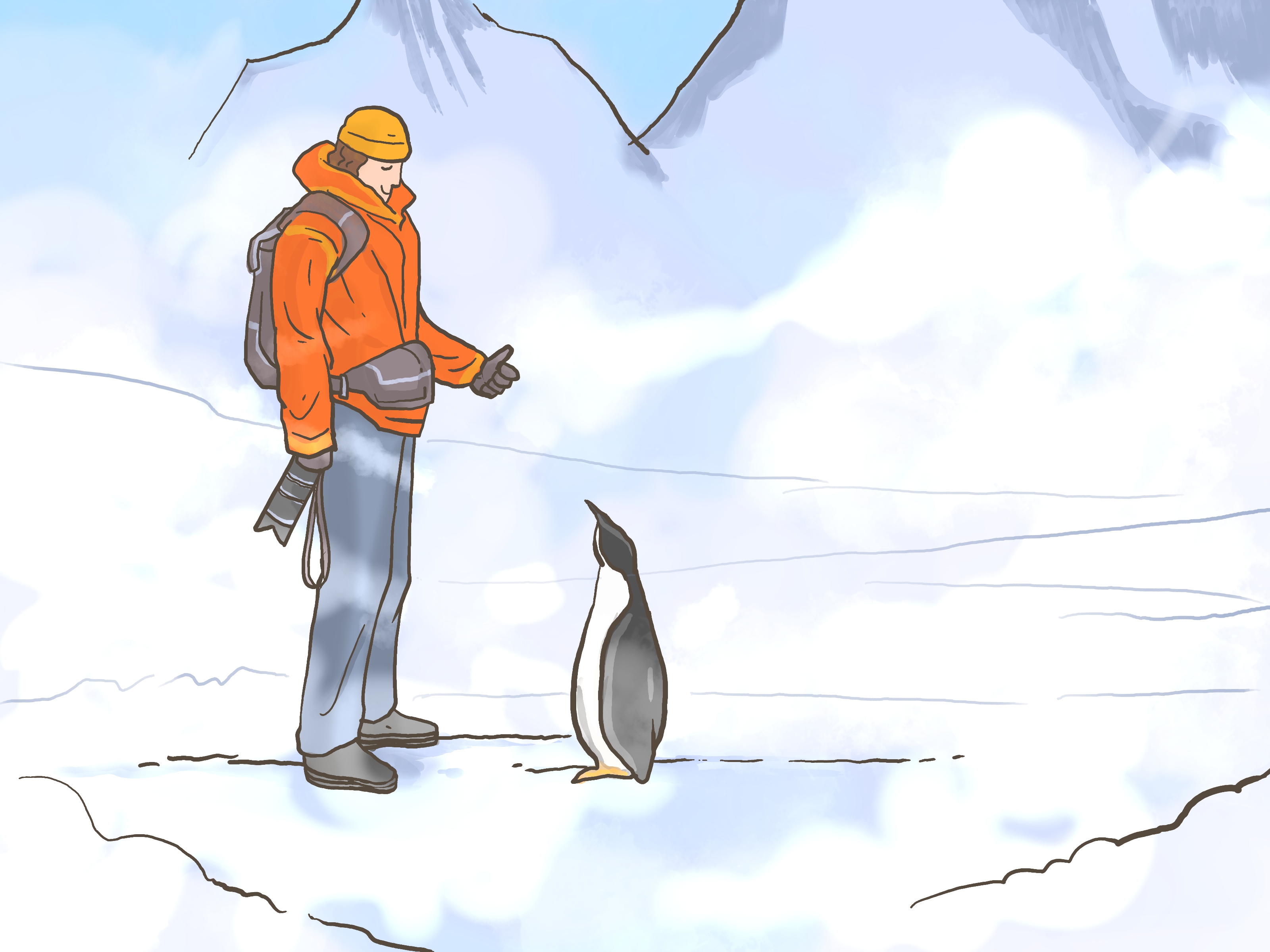
Antarctica is not the kind of place you casually visit because you found a cheap weekend fare and thought, “Why not?” There are no beach resorts, no souvenir streets with neon penguin hats, and no rideshare driver waiting outside baggage claim. Traveling to Antarctica takes planning, patience, a flexible attitude, and usually a budget that makes your wallet sit down for a minute.
Still, the White Continent is more reachable than many people imagine. Modern expedition ships, fly-cruise programs, and specialist air expeditions have turned Antarctica travel from a dream reserved for scientists and heroic explorers into a real option for adventurous travelers. The key is choosing the right route for your time, comfort level, and appetite for ocean drama.
This guide breaks down the 3 ways to travel to Antarctica: by expedition cruise, by fly-cruise, and by deep-field air expedition. Each option offers a different version of the same unforgettable reward: icebergs the size of apartment buildings, penguins waddling with suspicious confidence, whales surfacing in steel-blue water, and a silence so huge it feels like the planet has pressed the mute button.
Can You Really Travel to Antarctica?
Yes, you can travel to Antarctica as a tourist, but not in the usual “book a hotel and wander around” way. Most visitors travel with organized expedition operators that follow strict environmental and safety rules. Antarctica is governed through international agreements, and tourism is carefully managed to protect wildlife, scientific research sites, and the fragile polar environment.
Most leisure travelers visit the Antarctic Peninsula, the long finger of land stretching toward South America. It is the most accessible region, especially from Ushuaia, Argentina, and Punta Arenas, Chile. This area offers many classic Antarctic experiences: Zodiac boat rides, penguin colonies, glaciers, research stations, and dramatic ice-filled channels.
The travel season usually runs during the Antarctic summer, from about November to March. November often brings snow-covered landscapes and courtship season for penguins. December and January offer long daylight hours and active wildlife. February and March are excellent for whale watching, with slightly darker skies and a sense that the season is wrapping up its grand icy performance.
Way 1: Take an Expedition Cruise from South America
Best for: First-time visitors, wildlife lovers, and classic Antarctica seekers
The most popular way to travel to Antarctica is by expedition cruise, usually departing from Ushuaia, Argentina, the southernmost major cruise gateway in the world. From there, ships cross the legendary Drake Passage before reaching the Antarctic Peninsula.
This is the route most people picture when they imagine an Antarctica trip: a sturdy expedition vessel, expert guides, daily briefings, waterproof boots lined up like obedient soldiers, and passengers standing on deck with cameras ready for the first iceberg sighting. It feels like an adventure because it is one.
How the expedition cruise works
A typical Antarctic Peninsula cruise lasts about 10 to 12 days. The first two days are often spent crossing the Drake Passage, a stretch of ocean between South America and Antarctica known for powerful weather and rolling seas. Some crossings are calm enough to earn the nickname “Drake Lake.” Others become the famous “Drake Shake,” which is exactly as charming as it sounds if you forgot seasickness medication.
Once the ship reaches the Antarctic Peninsula, the daily rhythm changes. Instead of long sea days, travelers usually enjoy guided landings, Zodiac cruises, wildlife viewing, photography sessions, and lectures from naturalists, historians, marine biologists, and polar specialists. The itinerary is flexible because Antarctica makes the final decision. Ice, wind, sea conditions, and wildlife activity can change the plan quickly.
What you can see on an Antarctica cruise
On a classic cruise, travelers may visit places such as the South Shetland Islands, Deception Island, Neko Harbour, Paradise Bay, Cuverville Island, or the Lemaire Channel, depending on conditions. Wildlife can include gentoo, chinstrap, and Adélie penguins, along with seals, seabirds, and several whale species.
The scenery is the main event. Antarctica does not whisper; it arrives with cliffs of blue ice, glaciers cracking in the distance, and mountains rising straight from the sea. Even the clouds look like they signed a contract to be more dramatic than clouds elsewhere.
Why choose an expedition cruise?
An expedition cruise is the most complete and traditional way to experience Antarctica. It gives you time to adjust to the remoteness, learn from experts, and feel the full transition from South America to the polar world. For many travelers, crossing the Drake Passage is part of the badge of honor.
Cruises also offer different price levels. Smaller expedition ships tend to provide more landing opportunities because Antarctic visitor rules limit the number of people who can go ashore at one site at one time. Larger cruise-only ships may sail through Antarctic waters without landings, which can be less expensive but also less immersive. If your dream involves stepping onto Antarctic snow, check the ship size and landing policy before booking.
Things to consider before booking
The biggest factor is time. A cruise requires more days than a fly-cruise because of the sea crossing. You also need to be comfortable with changing plans. In Antarctica, “weather permitting” is not fine print; it is the captain of the itinerary.
Pack properly, prepare for cold and wet conditions, and bring seasickness remedies even if you normally laugh in the face of boats. The Drake Passage has humbled many confident stomachs.
Way 2: Choose a Fly-Cruise to Skip the Drake Passage
Best for: Travelers short on time or nervous about rough seas
The second major way to travel to Antarctica is the Antarctica fly-cruise. Instead of sailing both ways across the Drake Passage, travelers fly from Punta Arenas, Chile, to King George Island in the South Shetland Islands. From there, they board an expedition ship already positioned near Antarctica.
This option is sometimes called “flying the Drake.” It does not mean you avoid all adventure. You are still going to Antarctica, not a shopping mall with glaciers. But it does reduce the time spent crossing open ocean, which is a major advantage for travelers with limited vacation days or strong feelings about not becoming emotionally attached to a seasickness bag.
How the fly-cruise works
Most fly-cruise itineraries begin in Punta Arenas, a Chilean city in Patagonia. Travelers attend safety briefings, check weather updates, and prepare for the charter flight to King George Island. The flight usually takes around two hours, although timing depends heavily on weather. Once on King George Island, passengers transfer by Zodiac to the expedition vessel.
After boarding, the trip unfolds much like a traditional Antarctic Peninsula cruise. You may enjoy landings, Zodiac rides, wildlife watching, educational talks, and scenic cruising through ice-filled waterways. Some itineraries fly both ways, while others fly one direction and sail the other.
Why choose a fly-cruise?
The biggest benefit is time. A fly-cruise can often be completed in about 7 to 9 days, compared with 10 to 12 days or more for a standard cruise. It also helps travelers avoid the roughest part of the sea journey, although no route to Antarctica is completely immune to delays.
Fly-cruises are especially attractive for travelers who want maximum time near the peninsula and minimum time in transit. They also make the trip feel a little more direct. One day you are in Patagonia; the next you are stepping into a world of ice, penguins, and scenery that makes your phone camera question its career choices.
Possible downsides of a fly-cruise
The main downside is weather dependency. Flights to and from King George Island require suitable conditions. Delays are possible, so reputable operators build buffer time into the schedule. Travelers should avoid booking tight onward flights immediately after the trip. Antarctica loves flexible travelers and gently punishes over-schedulers.
Fly-cruises can also cost more than some traditional cruises because they include specialized charter flights and complex logistics. For many travelers, however, the saved time and reduced exposure to the Drake Passage are worth the premium.
Way 3: Fly to Antarctica’s Interior or the South Pole
Best for: Serious adventurers, luxury explorers, and once-in-a-lifetime travelers
The third way to travel to Antarctica is the most specialized: flying into the continent’s interior. These trips are very different from peninsula cruises. Instead of penguin colonies and ship-based exploration, travelers may visit deep-field camps, blue-ice runways, mountain ranges, emperor penguin colonies, or even the geographic South Pole.
Most interior trips operate through highly specialized logistics providers and usually begin in Punta Arenas, Chile, or other gateway locations depending on the itinerary. Travelers fly on aircraft designed for polar operations and land on natural blue-ice runways or prepared snow surfaces.
What interior Antarctica trips are like
Interior expeditions focus on the vast frozen heart of Antarctica. These landscapes are more remote, colder, and less wildlife-rich than the Antarctic Peninsula, but they offer a completely different kind of wonder. Imagine standing on a blue-ice glacier, surrounded by white horizons and mountain peaks, with no city, forest, or road for thousands of miles.
Some itineraries include a visit to Union Glacier, a major private logistics hub used for guided experiences and expedition support. Others continue to the South Pole, where all lines of longitude meet. A South Pole flight is not casual tourism; it is a rare and expensive adventure that requires careful planning and respect for extreme conditions.
Why choose an interior expedition?
Choose this option if you want a rare experience beyond the standard cruise route. Interior expeditions appeal to travelers interested in polar exploration, mountaineering, photography, scientific history, and the surreal feeling of being in one of the most isolated places on Earth.
This route is also ideal for people who want to say, accurately and with very little humility, “I went to the South Pole.” It is the sort of sentence that ends dinner-party small talk immediately because nobody can top it with “I had a nice weekend in Scottsdale.”
Important realities of deep-field travel
Interior Antarctica trips are expensive, weather-sensitive, and physically demanding compared with cruise-based travel. Facilities are comfortable by polar standards, not resort standards. Travelers must follow strict safety rules and be prepared for delays caused by wind, visibility, or runway conditions.
These trips also have a smaller environmental and operational window. The season is short, availability is limited, and planning may need to happen far in advance. If the Antarctic Peninsula is a grand introduction, the interior is the advanced course.
Which Antarctica Travel Option Is Right for You?
Choose an expedition cruise if you want the classic experience
An expedition cruise is the best choice for most first-time visitors. It offers wildlife, scenery, expert interpretation, and the satisfaction of arriving by sea. It is also the route with the widest range of ships, cabin styles, and pricing options.
Choose a fly-cruise if you want to save time
A fly-cruise is ideal if you want to reduce travel days or avoid the full Drake Passage crossing. It is still adventurous, but the logistics feel more streamlined. Just remember that weather delays can happen, so leave extra time before and after the trip.
Choose an interior expedition if you want rare polar adventure
Interior trips are for travelers who want something extraordinary and have the budget, flexibility, and mindset for remote polar travel. They are less about penguin photography and more about standing in places that feel almost unreal.
How Much Does It Cost to Travel to Antarctica?
Antarctica is not a budget destination. Entry-level expedition cruises may start in the several-thousand-dollar range per person, while more comfortable cabins, smaller ships, and luxury expedition vessels can cost much more. Fly-cruises are usually pricier than traditional cruises because of charter flight logistics. Interior expeditions and South Pole trips can reach premium luxury-adventure pricing.
The final cost depends on ship size, cabin type, itinerary length, departure month, included gear, flight arrangements, and optional activities such as kayaking, camping, photography workshops, or extended routes to South Georgia and the Falkland Islands.
Responsible Travel in Antarctica
Traveling to Antarctica is a privilege, not a conquest. Visitors must follow strict environmental guidelines: keep distance from wildlife, clean boots and gear to avoid introducing non-native species, do not take rocks or feathers, do not leave waste, and never disturb scientific equipment or research sites.
Responsible operators brief passengers before landings and supervise activities closely. This may sound strict, but it is one reason Antarctica remains so wild. The goal is simple: visit like a respectful guest, not like a raccoon at a picnic.
Travelers should also consider the carbon footprint of polar travel. Choosing responsible operators, packing thoughtfully, avoiding waste, supporting conservation-minded programs, and carrying the lessons of Antarctica home all matter. The best souvenir from the White Continent is not a pebble; it is a stronger sense of responsibility for the planet.
What to Pack for Antarctica
Most expedition operators provide or recommend waterproof boots and heavy outer jackets, but packing still matters. Essentials include thermal base layers, waterproof pants, warm socks, gloves, a hat, sunglasses, sunscreen, lip balm, and a dry bag for cameras or phones. The sun reflecting off ice can be surprisingly intense, so do not underestimate eye and skin protection.
Bring binoculars if you enjoy wildlife, extra camera batteries because cold drains them quickly, and comfortable clothing for shipboard life. You do not need formal wear. Antarctica is one of the few places where “waterproof and warm” beats “fashionably mysterious” every time.
Extra Experiences: What Traveling to Antarctica Feels Like
The first thing many travelers notice about Antarctica is the scale. Photos are beautiful, but they flatten the experience. In person, the ice has depth, color, texture, and personality. Some icebergs glow electric blue in cracks and caves. Some look sculpted by a giant artist with excellent taste and no fear of overdoing it. Others drift by like frozen cathedrals.
Then there is the sound. Antarctica can be astonishingly quiet, but it is not silent. You may hear the pop of ancient air bubbles escaping from melting ice, the splash of a whale surfacing, the distant rumble of a glacier calving, or the comic chatter of penguins arguing about matters that seem very important to penguins and completely unclear to humans.
A Zodiac cruise can be one of the most memorable parts of the trip. Sitting low on the water, bundled in layers, you move among ice pieces that look like floating glass. A seal may lounge on an ice floe with the confidence of someone who pays rent there. Penguins may porpoise through the water beside the boat, popping up and diving again like tiny tuxedo torpedoes.
Landings are equally unforgettable. Stepping onto Antarctic ground is not dramatic in a Hollywood way; it is quieter and stranger. You become aware of your boots, your breath, the crunch of snow, and the fact that you are standing on a continent with no permanent cities. The landscape does not need signs or speeches. It simply surrounds you until you understand why people describe Antarctica as life-changing and then struggle to explain exactly how.
Shipboard life has its own rhythm. Meals become social events, lectures become surprisingly addictive, and the daily briefing turns into must-watch programming. Instead of checking traffic or scrolling headlines, you discuss tomorrow’s landing site, whale sightings, wind forecasts, and whether your gloves are still damp. Normal life feels far away, which is part of the magic.
The weather adds suspense. A morning plan may change because ice blocks a channel or wind makes a landing unsafe. At first, this can feel disappointing. Then you realize flexibility is the price of admission. Antarctica is not a theme park; it is a living wilderness. When the plan changes, another opportunity often appears: a better whale sighting, a calmer bay, a surprise cruise through sculpted ice, or a sunset that looks like the sky spilled peach and silver across the water.
For many travelers, the emotional highlight is wildlife. Penguins are endlessly entertaining, partly because they are elegant in the water and hilariously determined on land. Watching them commute along snowy paths, feed chicks, or pause as if reconsidering every life decision is pure joy. Whales bring a different feeling: calm, massive, ancient. When a humpback surfaces near the boat, conversation usually stops. Nobody needs to say, “Look, a whale.” Everyone is already looking.
Antarctica also changes how people think about distance. On a map, it is a white shape at the bottom of the world. In person, it becomes real: cold air in your lungs, ice under your boots, salt spray on your jacket, and a horizon that seems wider than ordinary horizons. The trip can make everyday worries feel smaller, not because they disappear, but because you have briefly stood somewhere that reminds you how large and strange the world still is.
The best Antarctica experience is not about checking off a destination. It is about paying attention. Watch how guides clean boots between landings. Notice how carefully ships manage routes and waste. Listen when scientists explain climate, krill, sea ice, and wildlife behavior. The journey becomes richer when you understand that beauty and responsibility belong together.
Whether you arrive by ship, by fly-cruise, or by aircraft into the deep interior, Antarctica leaves an imprint. You may come home with thousands of photos, but the strongest memories are often sensory: the blue of old ice, the awkward march of penguins, the sting of polar wind, the hush after the engine stops, and the moment you realize that the end of the Earth feels less like an ending and more like a beginning.
Conclusion
There are three main ways to travel to Antarctica: sail by expedition cruise, fly and cruise from Chile, or join a specialized air expedition into the continent’s interior. The right choice depends on your travel style. If you want the classic journey, choose a cruise from South America. If you want to save time and skip the roughest ocean crossing, choose a fly-cruise. If you want a rare polar adventure, consider an interior expedition or South Pole journey.
No matter how you get there, Antarctica demands respect. It is remote, fragile, unpredictable, and breathtaking. Plan carefully, choose a responsible operator, pack well, and bring a flexible mindset. The reward is one of the most extraordinary travel experiences on Earth: a place where ice becomes architecture, wildlife steals the show, and the planet reminds you that it still has a few secrets left.
Note: This article is written for web publishing in standard American English and is based on current, real-world Antarctica travel practices, including expedition cruising, fly-cruise logistics, visitor guidelines, and responsible tourism principles.