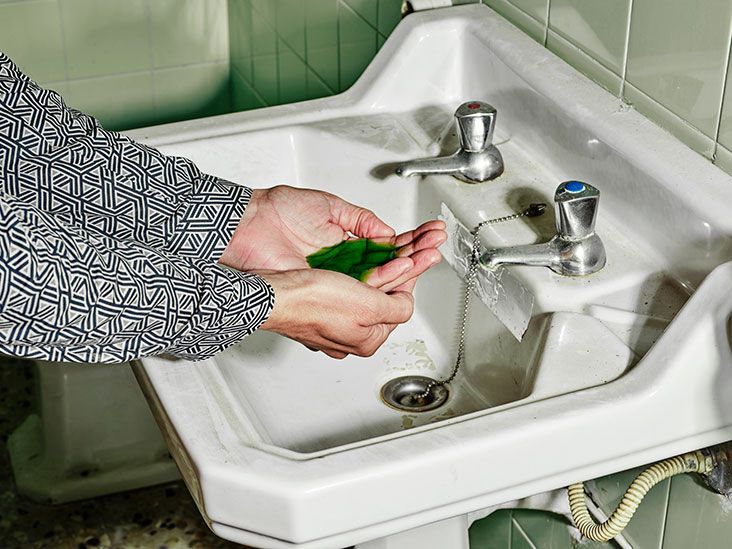
Rotavirus is tiny, round, stubborn, and wildly inconsiderate. It does not politely knock on the door of the digestive system. It barges in, heads straight for the small intestine, and turns a carefully balanced water-and-nutrient system into what parents recognize as sudden watery diarrhea, vomiting, and a laundry situation that escalates faster than anyone expected.
So, how does rotavirus cause diarrhea? In simple terms, rotavirus infects the cells that line the small intestine, damages the gut’s ability to absorb nutrients and water, and also triggers secretion of fluid into the bowel. The result is frequent, loose, watery stools that can lead to dehydration, especially in babies and young children.
The full story is more interesting than “a virus made the stomach upset.” Rotavirus diarrhea is not caused by one single trick. It is a team effort: damaged intestinal cells, reduced enzyme activity, poor absorption of sugars and salts, a viral protein that acts like an enterotoxin, and nervous-system signals that push the gut into high-speed mode. Basically, rotavirus does not just pull one fire alarm. It pulls several, then runs away giggling.
What Is Rotavirus?
Rotavirus is a highly contagious virus that causes viral gastroenteritis, often called a “stomach bug.” Despite the nickname, it is not influenza and it does not mainly attack the stomach. Its favorite target is the small intestine, where most digestion and absorption happen.
Rotavirus is especially known for causing severe watery diarrhea in infants and young children. Adults can get it too, but symptoms are often milder because the immune system has usually met similar viruses before. In children, however, rotavirus can be dramatic. One day everyone is fine; the next day the household is running a hydration command center.
How Rotavirus Enters the Body
Rotavirus usually spreads through the fecal-oral route. That means tiny particles from stool somehow reach the mouth, often through contaminated hands, toys, surfaces, food, or water. This is why child care centers can become rotavirus express lanes. Children touch everything, share toys, forget handwashing, and occasionally treat the floor like a buffet. Nature is beautiful, but toddlers are chaos scientists.
After entering the mouth, rotavirus survives the journey through the digestive tract and reaches the small intestine. There, it begins infecting mature enterocytes, which are specialized cells on the fingerlike projections called villi. Villi increase the surface area of the intestine so the body can absorb nutrients, fluids, and electrolytes efficiently.
The Small Intestine: Rotavirus’s Main Target
To understand rotavirus diarrhea, picture the small intestine as a highly organized sponge. Its job is to absorb useful nutrients and water while moving waste along. The villi are like soft, absorbent fibers that help pull fluid and nutrients into the bloodstream.
Rotavirus infects the mature cells near the tips of these villi. These cells are important because they do much of the final digestion and absorption. When rotavirus damages them, the intestine becomes less able to absorb water, salt, sugars, and other nutrients. Instead of being pulled into the body, fluid stays inside the gut and rushes out as watery diarrhea.
The Main Ways Rotavirus Causes Diarrhea
Rotavirus diarrhea is usually described as watery, non-bloody diarrhea. That detail matters. Bloody diarrhea often suggests invasive bacteria or severe inflammation. Rotavirus typically causes diarrhea by disrupting absorption and secretion, not by digging deep ulcers into the intestine.
1. Rotavirus Damages Absorptive Cells
The first major mechanism is cell injury. Rotavirus infects enterocytes, uses them to make more virus, and interferes with their normal function. When these cells are injured or die, the intestine loses some of its ability to absorb fluid and nutrients.
This is like removing workers from an assembly line. The factory may still be standing, but production slows down. In the gut, “production” means digestion and absorption. When those jobs fail, water remains in the intestinal tube, and the stool becomes loose and watery.
2. The Gut Loses Digestive Enzymes
The surface of healthy intestinal cells contains digestive enzymes, including disaccharidases such as lactase. Lactase helps break down lactose, the sugar in milk. During rotavirus infection, the brush border of the intestine can lose some enzyme activity.
When sugars are not properly digested, they remain inside the intestine. Sugar attracts water. This creates osmotic diarrhea, which means water is pulled into the bowel because undigested particles are sitting there like tiny magnets. This is one reason diarrhea can continue for several days even after vomiting improves.
3. Rotavirus Interferes With Salt and Water Absorption
The intestine absorbs water partly by absorbing sodium and nutrients such as glucose. Water follows these absorbed particles into the body. Rotavirus can interfere with sodium-glucose transport and other absorption systems, meaning the gut cannot reclaim fluid as effectively.
When absorption slows, the large intestine receives more liquid than it can handle. The colon does absorb water, but it is not designed to rescue a flood all day long. Eventually, extra fluid exits as diarrhea.
4. NSP4 Acts Like a Viral Enterotoxin
One of the most fascinating parts of rotavirus biology is a viral protein called NSP4. Researchers often describe NSP4 as a viral enterotoxin because it can disturb fluid movement in the intestine.
NSP4 affects calcium signaling inside intestinal cells. Changes in calcium can trigger chloride movement into the intestinal lumen. Where chloride goes, sodium and water tend to follow. The result is more fluid entering the intestine, adding a secretory component to rotavirus diarrhea.
In plain English: rotavirus does not only reduce absorption. It can also encourage the intestine to send more fluid into the bowel. That is a double problemless fluid taken in, more fluid pushed out.
5. The Enteric Nervous System Gets Involved
The digestive tract has its own nerve network called the enteric nervous system. It helps control movement, secretion, and coordination. Rotavirus and NSP4 may stimulate nerve pathways that increase intestinal secretion and motility.
This can make the gut move faster. Faster movement means less time for fluid absorption. Think of it like sending laundry through the dryer for three minutes and wondering why everything is still wet. The intestine needs time to absorb water; rotavirus rushes the process.
6. Vomiting Makes Dehydration Worse
Rotavirus often causes vomiting before or during diarrhea. Vomiting does not directly create watery stool, but it makes the illness more dangerous because the child loses fluid from both ends and may struggle to drink enough to replace it.
This is why rotavirus is so closely associated with dehydration. A child can lose water and electrolytes quickly, especially if diarrhea is frequent and vomiting prevents steady drinking.
Why Is Rotavirus Diarrhea So Watery?
Rotavirus diarrhea is watery because it is driven mostly by fluid imbalance. The intestine is supposed to absorb water, salts, and nutrients. Rotavirus disrupts that job in several ways at once. Damaged villi absorb less. Undigested sugars pull water into the intestine. NSP4 promotes secretion. The gut moves contents along too quickly. Together, these mechanisms produce stools that are loose, frequent, and watery.
This is different from diarrhea caused by some invasive bacteria, where inflammation and tissue injury may cause blood or mucus. Rotavirus usually creates a “water handling” disaster rather than a deep inflammatory wound.
Why Children Are Hit Harder Than Adults
Children, especially infants and toddlers, are more vulnerable to rotavirus diarrhea for several reasons. Their bodies are smaller, so losing even a modest amount of fluid matters more. Their immune systems are still learning. They may not communicate thirst clearly. And if they are vomiting, they may not be able to keep enough fluid down.
Young children also spend a lot of time in close-contact environments. Toys, hands, diaper changes, and shared surfaces make transmission easier. Rotavirus can survive on surfaces long enough to create trouble, and it takes only a small amount of virus to spread infection.
Common Symptoms of Rotavirus Infection
Rotavirus symptoms often appear about one to three days after exposure. The illness may begin with vomiting and fever, followed by watery diarrhea. Some children also have stomach cramps, poor appetite, fussiness, and tiredness.
Typical symptoms include:
- Watery diarrhea
- Vomiting
- Fever
- Abdominal pain or cramping
- Loss of appetite
- Signs of dehydration in more serious cases
The diarrhea often lasts three to eight days. Most cases improve with supportive care, but dehydration can become serious quickly in babies and young children.
Signs of Dehydration to Watch For
The biggest danger from rotavirus diarrhea is dehydration. The body loses water and electrolytes such as sodium and potassium. These minerals help nerves, muscles, and organs work properly. When losses are not replaced, dehydration can become dangerous.
Warning signs may include fewer wet diapers, dry mouth, crying with few or no tears, unusual sleepiness, sunken eyes, dizziness, fast heartbeat, or extreme thirst. In babies, caregivers should take dehydration concerns seriously because infants can worsen faster than older children.
Medical care is important if a child cannot keep fluids down, seems unusually sleepy or weak, has signs of dehydration, has blood in the stool, has severe abdominal pain, or is very young and developing symptoms. Rotavirus is common, but dehydration is not something to “wait and see” forever.
How Rotavirus Is Treated
There is no specific medicine that kills rotavirus once infection starts. Antibiotics do not work because rotavirus is a virus, not a bacterium. Treatment focuses on preventing and correcting dehydration.
Oral rehydration solution is often recommended because it contains a balanced mix of water, salts, and sugar. The sugar is not there as a treat; it helps the intestine absorb sodium and water more effectively. That is chemistry doing a helpful little handshake.
Small, frequent sips are often easier than large drinks, especially when vomiting is present. Breastfeeding or formula feeding usually continues unless a clinician gives different instructions. Fruit juice, soda, and sports drinks are not ideal for young children with diarrhea because too much sugar can worsen diarrhea.
In severe cases, a child may need intravenous fluids at a clinic or hospital. That sounds scary, but the goal is straightforward: replace what the body has lost and give the gut time to recover.
Why Anti-Diarrhea Medicines Are Usually Not the Answer
Many parents understandably want the diarrhea to stop immediately. Unfortunately, over-the-counter anti-diarrhea medicines are generally not recommended for young children unless a healthcare professional specifically advises them. Slowing the gut in the wrong situation can cause problems, and some medicines can have serious side effects in children.
The safer focus is hydration, monitoring, and medical guidance when symptoms are severe. Rotavirus usually improves as the intestinal lining repairs itself and the immune system clears the virus.
How the Gut Recovers After Rotavirus
The intestinal lining renews itself quickly. As infected cells are replaced with healthy enterocytes, absorption improves. Enzyme levels recover, villi function better, and the balance of water movement returns to normal.
Some children may have temporary lactose intolerance after viral gastroenteritis because lactase activity can be reduced during recovery. This does not mean the child is permanently lactose intolerant. It means the intestinal “milk sugar scissors” may need a little time to sharpen again. If diarrhea seems to flare with dairy after an infection, caregivers should ask a healthcare professional for advice rather than making major diet changes alone.
Rotavirus Vaccine and Prevention
Vaccination is one of the most important tools for preventing severe rotavirus disease. The rotavirus vaccine is given by mouth to infants on a schedule recommended by pediatric health authorities. It does not prevent every possible stomach bug, but it greatly reduces the risk of severe rotavirus diarrhea, dehydration, and hospitalization.
Handwashing, cleaning surfaces, safe diaper handling, and keeping sick children away from group settings during contagious periods can also reduce spread. Still, rotavirus is famously contagious. Even clean homes can get ambushed. Prevention helps, but no parent should treat infection as a personal failure. Viruses are professional troublemakers.
Rotavirus vs. Other Causes of Diarrhea
Rotavirus is only one cause of diarrhea. Norovirus, adenovirus, astrovirus, food poisoning, bacterial infections, parasites, medication effects, and food intolerances can also cause loose stools. The pattern can offer clues, but symptoms overlap.
Rotavirus classically causes vomiting, fever, and watery diarrhea in young children, often lasting several days. Bloody diarrhea, severe localized abdominal pain, prolonged high fever, or signs of serious dehydration deserve medical attention because they may suggest another condition or a more severe illness.
Simple Example: What Happens Inside the Gut
Imagine a child drinks milk or formula during a rotavirus infection. In a healthy intestine, enzymes break down sugars, transporters absorb nutrients and sodium, and water follows into the body. During rotavirus infection, some of those enzyme and transport systems are impaired. More sugar remains inside the gut. That sugar pulls water into the stool. At the same time, NSP4 and nerve signals may increase secretion. The result is watery diarrhea even though the child did nothing wrong and ate nothing unusual.
This example shows why rotavirus diarrhea can be intense. It is not just “food passing through.” It is a temporary breakdown in the gut’s absorption-and-fluid-control system.
Experience-Based Insights: What Rotavirus Diarrhea Looks Like in Real Life
For many families, rotavirus is remembered less as a medical term and more as “that week we ran out of clean pajamas.” The illness often starts suddenly. A baby or toddler may be playful in the morning, a little cranky by afternoon, and vomiting by evening. Then the watery diarrhea arrives, and the household schedule is replaced by diaper changes, laundry, fluid tracking, and anxious temperature checks.
One common experience caregivers describe is how quickly dehydration becomes the main concern. The diarrhea itself is messy, but the real question becomes: Is the child drinking? Are there wet diapers? Are they alert? Do they still make tears? Rotavirus teaches parents that hydration is not a side detail. It is the whole mission.
Another practical lesson is that large drinks can backfire when vomiting is active. A thirsty child may gulp fluid, only to vomit it back up minutes later. Small, frequent sips often work better. A spoon, syringe, or tiny cup can feel ridiculously slow, but slow can win. Hydration during rotavirus is less like filling a bathtub and more like watering a delicate plantlittle amounts, often, with patience.
Families also notice that appetite may disappear for a while. This can be unsettling, especially when grandparents are nearby announcing that soup fixes everything. Food usually matters less than fluid in the early stage. As vomiting settles, bland, familiar foods may return gradually. The gut is recovering, not auditioning for a buffet.
Sleep can be strange during rotavirus. Some children are exhausted from fluid loss and poor intake; others are restless because of cramps, fever, or frequent stools. Caregivers often spend the night half-awake, listening for movement and checking diapers. This is exhausting, and it is one reason having a simple plan helps: oral rehydration solution available, clean supplies nearby, a thermometer ready, and clear warning signs written down or remembered.
There is also an emotional side. Parents may feel guilty, wondering whether they cleaned enough, washed hands enough, or avoided the right playground. But rotavirus spreads easily even in careful families. The useful response is not blame; it is prevention going forward: vaccination when age-appropriate, hand hygiene, disinfecting high-touch surfaces, and staying alert during outbreaks.
In real life, rotavirus recovery usually feels gradual. Vomiting may improve first, while diarrhea keeps going for several days. Stools may remain loose even after the child looks brighter. That does not always mean something is wrong; the intestinal lining needs time to restore its enzymes and absorption. Still, worsening symptoms, dehydration signs, blood in the stool, or prolonged illness should prompt medical advice.
The biggest takeaway from real-world rotavirus experience is this: the virus causes diarrhea through complex intestinal changes, but care at home often comes down to simple, steady actions. Replace fluids. Watch behavior and urination. Avoid sugary drinks that can worsen diarrhea. Ask for help early if dehydration appears. And remember that the washing machine, though heroic, may need emotional support too.
Conclusion
Rotavirus causes diarrhea by attacking the small intestine’s ability to absorb water and nutrients while also encouraging fluid secretion into the bowel. It infects mature enterocytes on the villi, reduces digestive enzyme activity, disrupts salt and sugar absorption, and uses the viral protein NSP4 to disturb calcium signaling and fluid movement. The result is watery diarrhea that can quickly lead to dehydration, especially in infants and young children.
The good news is that most children recover with supportive care, especially careful hydration. The even better news is that rotavirus vaccination helps prevent the most severe cases. Understanding how rotavirus causes diarrhea makes the illness less mysterious and helps caregivers focus on what matters most: fluids, monitoring, prevention, and timely medical help when symptoms become concerning.