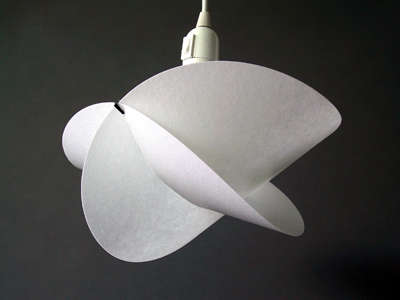
Every now and then, a design shop appears that feels less like a store and more like a secret handshake between people who care deeply about objects. Tweek by David Weeks Studio is one of those names. It sounds tiny, playful, and slightly mischievous, which is exactly right. Tweek was introduced as a retail destination for more accessible products from the Brooklyn-based David Weeks Studio, a studio best known for sculptural lighting, elegant fabrication, and objects that make grown adults say, “I bought it for the kids,” while clearly arranging it on their own desk.
At its heart, Tweek is about approachable design. Not disposable design. Not novelty design that loses its charm after three minutes and a dusting emergency. The appeal is smarter than that. Tweek sits in the delightful middle ground between art object, useful household piece, and conversation starter. Think clip-on shades, clever flashlights, bottle openers with attitude, wooden animals, and the now-iconic Cubebot. These are objects that know how to behave in a well-designed room, but they also know how to have fun at a party.
What Is Tweek by David Weeks Studio?
Tweek began as an online retail platform connected to David Weeks Studio, offering a selection of smaller, more accessible design products. While David Weeks Studio is widely recognized for large-scale lighting and furniture, Tweek made the studio’s sensibility available in objects that could sit on a shelf, brighten a bare bulb, open a bottle, or fold from robot to cube and back again.
The original Shopper’s Diary spotlight featured three wonderfully telling examples: the Lunette Clip-On Shade, the Castlight LED Flashlight, and the Bar Pry Bottle Opener. Each one captures a different side of the studio’s personality. Lunette is a quick design fix, Castlight brings utility with sculptural charm, and Bar Pry turns a common tool into something worth leaving out on the counter. That is the Tweek formula in miniature: take an ordinary need, give it excellent proportions, and add just enough wit that the object earns its keep visually as well as functionally.
The David Weeks Studio DNA
To understand Tweek, you need to understand David Weeks Studio. Founded in Brooklyn in 1996, the studio is known for handmade work, sculptural lighting, careful engineering, and a visual language that balances industrial precision with artistic looseness. In plain English: these are objects with bones. They are not trying to look trendy for one season and then quietly retire to a donation bin.
David Weeks studied sculpture and painting at the Rhode Island School of Design, and that background shows. His lighting often feels like a mobile caught mid-thought. His furniture has a strong silhouette. His toys and accessories borrow from the same creative vocabulary: structure, balance, movement, material honesty, and just enough personality to avoid taking themselves too seriously.
This is why Tweek works. It is not a side project that feels disconnected from the main studio. It is the smaller, more casual cousin of the same design family. If David Weeks Studio’s chandeliers are the dramatic dinner guests, Tweek’s objects are the charming ones in the kitchen making everyone laugh.
Why Tweek Still Feels Relevant
The design world has changed a lot since Tweek first appeared. Online shopping is no longer a novelty. Every week brings a fresh wave of “curated” objects, many of which seem curated mostly by an algorithm with a caffeine problem. Yet Tweek remains interesting because it represents a slower and more intentional kind of shopping.
Instead of chasing quantity, Tweek focuses on character. The objects associated with the platform are small, memorable, and clearly designed. They are not background noise. A Cubebot on a desk becomes a tiny sculpture during work hours and a puzzle during procrastination hours. A Lunette shade can soften an exposed bulb without requiring an electrician, a renovation budget, or a dramatic speech about “lighting layers.”
Accessible, But Not Ordinary
The word “accessible” can be tricky in design. Sometimes it means affordable. Sometimes it means easier to buy. Sometimes it means less intimidating than a gallery piece with a price available only “upon request,” which is usually code for “brace yourself.” Tweek’s accessibility is more charming. It gives people a way into the David Weeks world without needing a full custom lighting plan.
That matters because good design should not only live in penthouses, boutique hotels, and architectural photo shoots where no one appears to own mail. It should also live on bedside tables, kitchen counters, home office shelves, and entryway consoles where keys, receipts, and one mysterious screw from who-knows-where gather in small domestic tribes.
Signature Tweek Objects Worth Knowing
Lunette Clip-On Shade
The Lunette Clip-On Shade may be one of the clearest examples of Tweek’s problem-solving charm. It attaches to a bare bulb and instantly changes the mood of a room. Bare bulbs can look industrial and intentional, but they can also look like someone forgot to finish the apartment. Lunette gives that exposed bulb a little dignity.
Its appeal is practical and visual. It is a fast fix for renters, small spaces, studios, and anyone who wants better lighting without calling three contractors and developing a new personality around home improvement. The best small design objects do not scream, “Look at me!” They quietly improve the room and let you take the credit.
Castlight LED Flashlight
The Castlight LED Flashlight shows another side of the Tweek attitude. A flashlight is one of those objects people tend to buy in a panic, usually during a storm, while wondering why the batteries are always missing. Tweek’s version turns a purely practical item into something with presence.
That is the difference between utility and designed utility. A normal flashlight hides in a drawer. A good-looking flashlight might actually stay where you can find it. Revolutionary? Maybe not. Helpful when the lights go out? Absolutely. Also, anything that makes emergency preparedness look less like a hardware aisle meltdown deserves polite applause.
Bar Pry Bottle Opener
The Bar Pry Bottle Opener is another example of small-object confidence. Bottle openers are often treated as throwaway tools, but they do a very specific job and are handled often. That makes them perfect candidates for design attention. A well-made opener feels better, lasts longer, and looks intentional on a counter or bar cart.
In the Tweek universe, even the smallest tool can have sculptural weight. The Bar Pry does not need to be overdecorated to be memorable. Its value comes from proportion, material, and the pleasure of using something that has clearly been considered from more than one angle.
Cubebot
No discussion of David Weeks Studio’s accessible objects would be complete without Cubebot. Inspired by Japanese Shinto Kumi-ki puzzles, Cubebot is made from wood and elastic, can hold many poses, and folds back into a cube when it is done showing off. It is a toy, a puzzle, a desk object, and a tiny wooden philosopher asking, “What if your office had more personality?”
Cubebot’s genius is that it appeals to both children and adults. Kids see a robot. Adults see a beautifully designed kinetic object and then immediately begin posing it like it has quarterly reports to file. The design is simple enough to understand at a glance but engaging enough to keep around for years.
Hanno the Wooden Gorilla
Hanno the Gorilla extends the same idea into animal form. Made with a hardwood frame and elastic-band construction, Hanno can hold poses and function as both toy and sculptural object. The design has a charming sturdiness. It looks ready to climb a bookshelf, supervise a desk, or silently judge your cable management.
What makes Hanno special is the balance between character and restraint. It is clearly a gorilla, but not cartoonish. It is playful, but not flimsy. It belongs in a child’s room, a design office, or a living room where the owner casually says, “Oh, that? Just a wooden gorilla,” as if everyone has one.
How to Shop Tweek-Style
Shopping Tweek-style is not about filling a cart until the shipping threshold surrenders. It is about choosing one or two objects that will earn attention every day. The best Tweek pieces work because they combine use, material, and personality. Before buying, ask three questions: Will I use it? Will I enjoy seeing it? Will it still feel good when the trend cycle has moved on to mushroom lamps, chrome blobs, or whatever comes next?
For lighting, look for pieces that solve a real problem. A clip-on shade can soften harsh light in a rental or make a bare-bulb fixture feel intentional. For tabletop pieces, look for objects with enough visual weight to stand alone. For toys and wooden figures, consider them as small sculptures that happen to be playable. That is their magic.
Where Tweek Fits in Modern Interiors
Tweek objects work especially well in interiors that value warmth, tactility, and a little humor. They pair beautifully with modern, industrial, Scandinavian, eclectic, and handmade interiors. A wooden toy can soften a room full of metal and glass. A smart utility object can make an entryway feel more personal. A small light accessory can make an unfinished corner feel edited rather than ignored.
In a minimalist home, Tweek adds personality without clutter. In a maximalist home, it holds its own among books, ceramics, art, and the decorative bowl that no one is allowed to move. In a family home, it bridges the gap between adult design taste and actual human life. That last part is important. Rooms should look good, but they should also survive people.
Why Designers Love Objects Like These
Interior designers often talk about “moments.” A moment is a small area of visual interest: a shelf, a lamp, a side table, a console, a reading corner. Tweek objects are excellent moment-makers. They do not require a full room makeover. They simply add a point of focus.
This is especially useful in small apartments and rental homes. You may not be able to replace floors, install custom millwork, or suspend a chandelier the size of a friendly octopus. But you can improve a lamp. You can add a clever object to a desk. You can choose a useful tool that looks like it came from someone’s sketchbook instead of a bargain bin.
Buying Advice: What to Consider Before You Click
Check Availability
Because Tweek Studio has shifted over time and product availability can vary, always check the current status before planning a purchase around a specific item. Some products may be sold out, relaunched, password-protected, or available through partner retailers. Design objects, unlike socks, do not always live in endless inventory.
Think About Scale
Small objects can disappear if placed in the wrong setting. A tiny wooden figure may look perfect on a desk but lonely on a large mantel. A larger Cubebot or wooden animal can anchor a shelf. A clip-on shade should be considered in relation to the bulb, fixture, and surrounding room. Scale is the difference between “perfectly placed” and “did the mover forget this?”
Choose Materials That Age Well
Wood, metal, and well-considered finishes tend to age better than overly trendy plastics or novelty surfaces. David Weeks Studio’s broader reputation is tied to making, fabrication, and longevity, and the best Tweek pieces share that spirit. Look for objects that can tolerate handling, dusting, moving, and the occasional guest who cannot resist picking things up.
The Experience: Living With Tweek by David Weeks Studio
There is a specific pleasure in owning an object that does not explain itself immediately. Tweek pieces have that quality. They invite curiosity. Someone notices the wooden robot on your shelf and asks whether it moves. You fold it into a cube and suddenly the room has a small event. Someone sees the shade clipped onto a bare bulb and says, “Wait, that just clips on?” Congratulations. You have become the lighting person at dinner.
The best experience is not simply the purchase. It is the daily interaction. A Cubebot becomes something you adjust while thinking. Hanno becomes the unofficial mascot of a workspace. A useful tool becomes the one everyone reaches for because it feels better in the hand. These are not life-changing objects in the dramatic movie-trailer sense. They are life-improving objects in the quiet, domestic sense, which may be more valuable.
I also like that Tweek-style shopping slows you down. Instead of buying a dozen decorative fillers, you start asking what an object contributes. Does it bring texture? Does it solve a problem? Does it make the room feel more human? Does it have enough charm to survive your next rearranging spree? If the answer is yes, it deserves consideration.
In my experience, the most successful pieces in a home are often the ones that combine usefulness with a story. A lamp shade that rescued an ugly bare bulb has a story. A wooden gorilla that moved from a child’s room to a bookshelf has a story. A bottle opener that guests always comment on has a story. Tweek’s strength is that it sells objects with built-in story potential.
Another experience worth noting is how these objects perform in rooms that are not “finished.” Most people do not live in finished rooms. They live in rooms that are 83 percent done, with one corner awaiting a chair, one wall waiting for art, and one lamp that has been temporary since 2019. Tweek pieces help those spaces feel intentional while the bigger decisions are still pending. That is a very practical kind of design magic.
For gift-giving, Tweek-style objects are especially strong because they feel personal without being too personal. You do not need to know someone’s sofa dimensions to give a wooden puzzle robot. You do not need to decode their entire design philosophy to choose a clever desk object. These pieces live in the sweet spot between “useful” and “delightful,” which is basically the gift-giving promised land.
They also work for people who claim they do not want more stuff. Everyone knows someone like this. They say, “Please, no gifts,” while owning three mugs they dislike and a lamp that looks like it lost an argument. A Tweek object can win them over because it is not just stuff. It is a better version of something: a better toy, a better tool, a better shade, a better small companion for a desk or shelf.
The key is restraint. One Tweek object looks curated. Seven Tweek objects may begin to look like a charming wooden uprising. Let the pieces breathe. Give Cubebot room to fold and pose. Let Hanno stand where its silhouette can be seen. Use a clip-on shade where it solves a visible problem. Good design does not need to crowd the stage; it just needs good lighting and a decent entrance.
Final Verdict
Shopper’s Diary: Tweek by David Weeks Studio is more than a nostalgic design note. It is a reminder that accessible design can still be intelligent, tactile, useful, and funny. Tweek brings the larger David Weeks Studio sensibility into smaller objects that are easier to live with, gift, move, and enjoy every day.
For shoppers, the lesson is simple: buy fewer things, but make them better. Choose objects that do something, say something, and still look good when no one is watching. Tweek understands that the smallest pieces in a room can carry the most personality. And if one of those pieces happens to be a wooden robot folding itself into a cube, all the better.