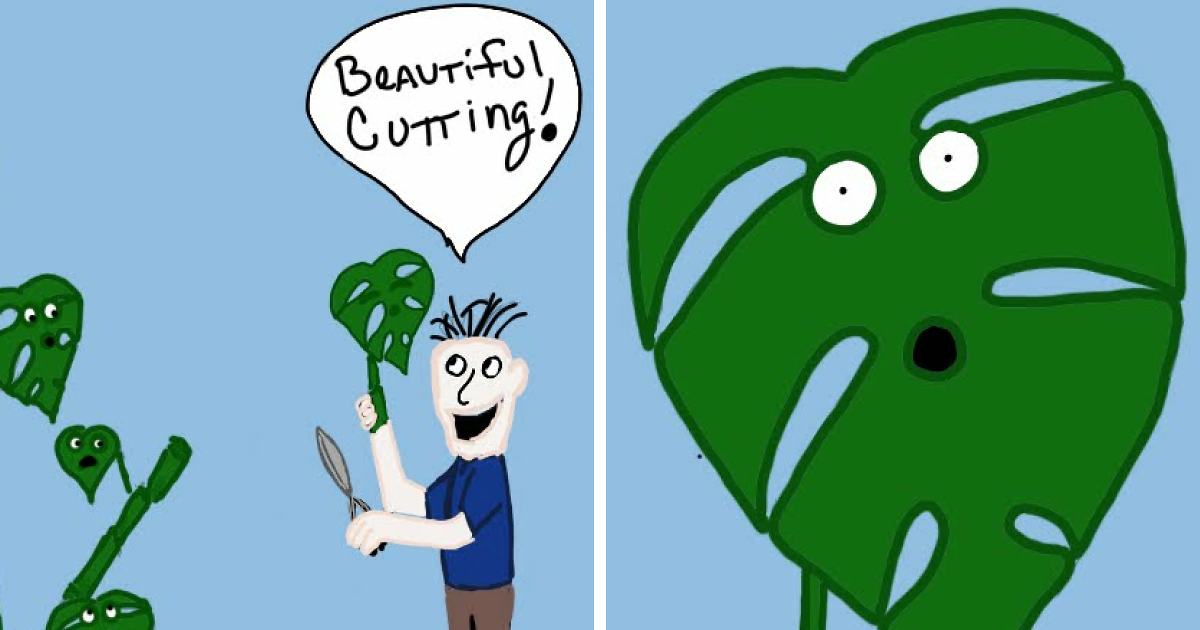
What if your houseplant had a tiny existential crisis every time you forgot to water it? What if a cactus gave relationship advice? What if a pothos vine quietly judged your life choices while growing across your bookshelf like it owned the lease? That is the deliciously strange little world behind “I Make Comics About Life As Plants”: a comic concept where leaves, stems, roots, flowers, and suspiciously dramatic succulents become stand-ins for human feelings.
Plant comics work because plants are already funny. They are beautiful, stubborn, needy, patient, passive-aggressive, and occasionally impossible to understand. In other words, they are basically people with better posture. A plant can droop when neglected, stretch toward the light like it is chasing a dream, panic when repotted, or thrive the moment you stop micromanaging it. For a comic artist, that is not just biology. That is character development.
Comics about plants turn ordinary houseplant care into visual storytelling. They use humor, personification, and small daily observations to explore anxiety, growth, burnout, friendship, loneliness, self-care, resilience, and the weird emotional bond between humans and the green roommates sitting near our windows. The result is a type of botanical humor that feels cozy, relatable, and strangely wise.
Why Plant Comics Feel So Relatable
The magic of plant comics comes from one simple trick: plants make excellent mirrors. A wilted leaf can look like a bad Monday. A seedling pushing through soil can feel like courage. A succulent refusing to die despite terrible conditions becomes the patron saint of stubborn optimism. When we draw plants with human thoughts, we are not really pretending plants pay rent or worry about unread emails. We are using them to talk about ourselves without sounding like we are giving a TED Talk in a cardigan.
People already describe plants in emotional language. We say a plant looks “happy,” “sad,” “dramatic,” “thirsty,” or “stressed.” Technically, your fern is not composing breakup poetry in the corner, but observable plant signalsdrooping, yellowing, leaning, curling, blooming, and new growthmake it easy to imagine personality. That is where the comic begins.
A comic panel might show a peace lily dramatically collapsing and saying, “I have known drought for seventeen minutes.” Another might show a cactus telling a needy vine, “Boundaries are healthy.” These jokes land because they combine real plant behavior with human emotional exaggeration. It is educational, but sneakily so. Readers laugh first and learn second.
The Art of Turning Plants Into Characters
1. Give Each Plant a Personality
The first rule of making comics about life as plants is to treat every species like a character with motives, flaws, and a tiny emotional suitcase. A snake plant might be the stoic friend who survives anything. A fiddle-leaf fig might be glamorous but high-maintenance. A monstera could be the confident extrovert who takes up too much space at brunch. A spider plant is definitely the friend who keeps having babies and handing them to everyone.
These personalities do not need to be scientifically perfect, but they should be inspired by real traits. Succulents prefer dry conditions, so they can become independent introverts. Tropical plants enjoy warmth and humidity, so they may be portrayed as spa-loving divas. Vines climb and wander, so they become dreamers, explorers, or clingy roommates. The more the personality grows from the plant’s actual habits, the funnier and more memorable the comic becomes.
2. Use Plant Care Problems as Plot Points
Houseplant care is full of tiny dramas. Too much water can cause root rot. Too little water causes drooping. Low light makes plants stretch. Dry indoor air can stress tropical varieties. Repotting can shock a plant. Pests can appear like uninvited guests at a leaf buffet. In a plant comic, each of these problems becomes a story.
For example, overwatering becomes a suffocating friendship: “I appreciate the attention, but I am drowning emotionally and literally.” Low light becomes a career crisis: “I am not lazy; I am photosynthetically underemployed.” A root-bound plant becomes a metaphor for outgrowing a situation: “This pot was cute when I was younger, but now I need space and possibly a therapist.”
These jokes work because they contain truth. Good indoor plant care often depends on balance: enough light, proper drainage, thoughtful watering, seasonal awareness, and patience. A comic can make those lessons easier to remember than a stern care guide that sounds like it was written by a disappointed greenhouse manager.
Why Comics Are the Perfect Format for Plant Humor
Comics are especially good at showing small changes over time. A single plant can appear in four panels: perky, ignored, wilting, and finally revived after watering. That visual sequence communicates cause and effect instantly. Readers do not need a lecture about moisture levels. They see the plant’s tiny theatrical collapse and understand the point.
The comic format also makes silence funny. Plants do not move quickly, which creates perfect comic timing. A panel of a cactus staring blankly after someone overshares can be funnier than a paragraph of dialogue. A fern quietly shedding leaves while pretending everything is fine can summarize burnout better than any productivity podcast.
Visual storytelling lets artists use expressions, posture, speech bubbles, background details, and pacing. A droopy leaf can become a slumped shoulder. A new sprout can become a proud little hand raised in class. Roots can tangle like anxious thoughts. Flowers can burst open like joy. Comics turn plant biology into emotional shorthand.
The Emotional Themes Behind “Life As Plants”
Growth Is Not Always Pretty
Plants grow slowly, unevenly, and sometimes in bizarre directions. That makes them perfect symbols for personal growth. In real life, growth rarely looks like a clean before-and-after photo. It looks like one new leaf, three crispy edges, a weird lean toward the window, and a desperate hope that nobody notices the fungus gnats.
A comic about a plant growing toward the light can say something powerful about healing, ambition, and survival. The plant does not need a motivational speech. It simply reaches. That quiet movement is the whole message.
Rest Is Part of the Story
Many plants slow down during colder or darker seasons. They may need less water and little or no fertilizer when they are not actively growing. That seasonal rhythm offers a refreshing contrast to human culture, which often treats rest like a software error. A plant comic can gently remind readers that dormancy is not failure. Sometimes you are not falling behind. Sometimes you are conserving energy until conditions improve.
Imagine a sleepy houseplant wrapped in a tiny blanket saying, “I am not unproductive. I am in my winter arc.” That is funny, but it also gives permission. We are living creatures, not vending machines with calendar apps.
Boundaries Matter
Plants are excellent teachers of boundaries. Some need space between waterings. Some need bright light but not direct scorching sun. Some like humidity but not soggy roots. A cactus does not apologize for having spikes. It simply says, “Please admire me from a reasonable distance.”
In comics, plants can make boundaries charming instead of heavy. A cactus character might become the wise friend who explains that protecting your peace is not rude. A root-bound plant might learn to ask for a bigger pot. A vine might discover that climbing is healthy, but strangling the bookshelf is perhaps a bit much.
How Plant Comics Can Educate Without Feeling Like Homework
One of the best things about plant comics is that they can teach through jokes. Readers may come for the cute art, but they leave knowing not to water every plant on the same schedule. They may learn that drainage holes matter, that light levels affect growth, that tropical plants often prefer more humidity, and that yellow leaves can mean several different thingsnot necessarily that the plant is “mad,” although honestly, it might be giving a vibe.
A comic strip can explain the difference between underwatering and overwatering with two dramatic plant characters. One says, “I am thirsty,” while the other says, “I have been loved too much.” Another strip can show a plant owner checking soil moisture before watering instead of blindly following “Watering Wednesday,” the holiday no plant asked for.
This kind of content is useful for beginners because it lowers the intimidation factor. Plant care can feel mysterious, especially when one plant thrives in neglect while another collapses because someone opened a window in February. Humor makes the learning process less scary. It says, “Yes, you may kill a basil plant. Many have walked this crispy path before you.”
Popular Plant Characters That Almost Write Themselves
The Snake Plant: The Unbothered Survivor
The snake plant is the comic character who has seen everything and remains emotionally unavailable in the best way. It tolerates neglect, low light, and inconsistent watering better than many houseplants. In comics, it can be the calm roommate who says, “Wake me when the chaos is over.”
The Fiddle-Leaf Fig: The Dramatic Main Character
The fiddle-leaf fig is gorgeous, sculptural, and famously particular. It makes a perfect diva character. One panel might show it basking in perfect filtered light, saying, “I require admiration, stability, and absolutely no drafts.” The next panel shows it dropping a leaf because the chair moved six inches.
The Pothos: The Optimistic Overachiever
Pothos vines grow with cheerful determination. They trail, climb, and keep going. In comics, pothos can be the friend who says yes to everything, starts seven hobbies, and somehow still looks good. It is ambition with heart-shaped leaves.
The Succulent: The Low-Maintenance Introvert
Succulents store water and often prefer dry conditions. As characters, they are independent, cute, and slightly suspicious of too much attention. A succulent comic might say, “Thank you for caring, but please stop hovering. I am emotionally drought-adapted.”
The Peace Lily: The Theater Kid
Few houseplants perform dehydration like the peace lily. It can wilt dramatically, then perk back up after watering like nothing happened. In comic form, it is pure stage presence. Give it a spotlight and a tiny monologue.
The Creative Process: From Observation to Comic Strip
Making comics about life as plants usually starts with observation. The artist notices a plant leaning toward a window, dropping a leaf, unfurling new growth, or surviving against all odds on a dusty shelf. Then comes the question: “What would this plant say if it had one sentence?”
That sentence becomes the seed of the comic. A drooping plant might say, “I am not ignoring you; I am processing.” A sprout might say, “Small progress is still progress.” A plant covered in dust might say, “I cannot photosynthesize through your lifestyle choices.” From there, the artist builds a visual moment around the joke.
The best plant comics are simple. They do not need crowded backgrounds or complicated plots. A pot, a leaf, a facial expression, and one sharp line of dialogue can be enough. The goal is not to explain everything. The goal is to make the reader feel seen by something with chlorophyll.
Why Readers Love Comics About Plants
Plant comics sit at the intersection of humor, comfort, and self-recognition. They are soft without being boring, clever without being mean, and wholesome without requiring everyone to pretend life is perfect. They make everyday struggles feel lighter by translating them into green, leafy metaphors.
Readers love them because plants are nonjudgmental companions. A houseplant does not interrupt. It does not send vague emails. It does not ask why you are eating cereal at midnight. It simply exists nearby, quietly converting light into life. When a comic gives that plant a voice, the result feels both absurd and comforting.
These comics also appeal to the modern “plant parent” culture. Many people treat houseplants as part decor, part hobby, part emotional support jungle. A comic about a monstera with confidence issues or a succulent with boundary problems feels instantly familiar to anyone who has ever whispered, “Please don’t die,” to a pot of basil.
How to Write Better Plant Comics
Start With a Real Plant Trait
A strong plant comic usually begins with something true. Does the plant need bright indirect light? Does it hate soggy soil? Does it climb? Does it bloom briefly? Does it go dormant? Build the joke from that trait. Reality gives the humor roots.
Keep the Dialogue Short
Plants are funnier when they are concise. A tiny cactus saying, “No,” can be better than a long speech about personal boundaries. Short dialogue also makes comics easier to read on phones, where many webcomics are discovered and shared.
Let the Visuals Do Some Work
A plant’s posture can carry the joke. A drooping stem, a proud new leaf, a crowded pot, or a suspiciously cheerful watering can can all add meaning without extra words. In comics, the empty space matters too. Silence can be a punchline.
Mix Cute With Honest
The sweetest plant comics often contain a little truth. A comic about growth can still mention fear. A joke about wilting can hint at burnout. A strip about repotting can explore change. Cute art becomes more powerful when it has emotional roots underneath.
Experiences Related to “I Make Comics About Life As Plants”
Creating comics about life as plants feels a bit like keeping a sketchbook, a greenhouse, and a diary on the same desk. The plants provide the body language; daily life provides the emotional weather. Some mornings, I look at a plant leaning desperately toward the window and think, “Same.” Other days, a tiny new leaf appears after weeks of nothing, and suddenly there is a whole comic about quiet progress, patience, and not digging up your own roots just because results are slow.
One of the most useful experiences is learning to pay attention to small changes. Before drawing plant comics, it is easy to see a houseplant as background decor. After drawing them, every curl, spot, lean, sprout, and crispy edge starts to feel like a plot twist. A yellow leaf is not just a yellow leaf. It is a character beat. A new tendril is not just growth. It is ambition wearing a green hat.
The funniest ideas often come from mistakes. Forgetting to water a plant can become a comic about neglect, apology, and dramatic recovery. Overwatering can become a comic about love without boundaries. Moving a plant to a new location can become a relocation drama starring a fern who did not consent to this lifestyle change. Even pests can become villains, though fungus gnats are less “evil mastermind” and more “annoying tiny roommates with wings.”
Another experience that shapes these comics is the strange emotional bond people form with plants. Readers often respond not just because the joke is cute, but because the plant’s situation feels familiar. A root-bound plant wanting a bigger pot can remind someone they have outgrown an old job, relationship, or identity. A dormant plant can reassure someone who feels stuck. A cactus with boundaries can make someone laugh and then quietly reconsider three group chats.
Making plant comics also teaches creative discipline. Plants do not perform on command. They grow when they grow. That slowness becomes part of the process. Instead of chasing giant ideas, the artist learns to collect tiny ones: a leaf unfurling, a pot drying out, a vine reaching, a plant surviving winter. Small observations become small comics, and small comics build a world.
The most rewarding part is hearing readers say, “That plant is me.” It is wonderfully absurd. No one is literally a pothos having an identity crisis on a bookshelf. But emotionally? Absolutely. We all need light. We all need space. We all need water, rest, better drainage, and occasionally a bigger pot. Plant comics take those truths and wrap them in leaves, jokes, and soft little faces. That is why the idea continues to grow.
Conclusion
“I Make Comics About Life As Plants” is more than a cute title. It is a creative doorway into humor, plant care, emotional storytelling, and the surprisingly deep wisdom of leafy beings who never asked to become metaphors but are doing a fantastic job anyway.
Plant comics work because they transform ordinary green life into relatable characters. They make houseplant care memorable, turn personal growth into visual comedy, and remind readers that thriving is rarely instant. Sometimes growth means reaching toward the light. Sometimes it means resting through winter. Sometimes it means telling the watering can to back off.
Whether the comic features a dramatic peace lily, a stoic snake plant, a needy fern, or a cactus with excellent boundaries, the heart of the idea remains the same: plants help us laugh at being human. They grow slowly, fail visibly, recover quietly, and keep trying. Honestly, that is a pretty good life strategy.