Some vintage treasures whisper. Others practically grab your sleeve and say, “Please sit down, because I survived three house moves, one attic flood, and your great-aunt’s questionable wallpaper era.” That is the magic of old objects. They are not just dusty things waiting for a yard-sale sticker. They are miniature time machines made of wood, brass, porcelain, paper, leather, glass, fabric, and human patience.
Vintage treasures are loved because they combine story, craftsmanship, and mystery. A hand-carved chair can reveal how people once gathered for dinner. A pocket watch can hint at a world that moved by train whistles instead of phone alarms. A stitched quilt can carry family history in every square. Even a humble enamel coffee pot can say something about design, durability, and the sacred American ritual of needing caffeine before conversation.
This guide explores 50 vintage treasures that show amazing craftsmanship and tell interesting stories. Some are elegant. Some are practical. A few are strange enough to make you wonder what exactly people were doing before streaming services. Together, they prove that antiques and vintage collectibles are more than decoration. They are memory with hinges, handles, patina, and personality.
Why Vintage Treasures Still Fascinate Collectors
The best vintage finds usually have three things: age, quality, and a story. Age alone is not enough. A broken plastic spoon from 1983 is technically old, but unless it stirred soup for a president, it may not deserve a velvet display case. Craftsmanship matters because handmade or carefully manufactured objects often reveal skill that modern mass production can miss. Provenance, or the known history of ownership, can turn a simple item into a meaningful artifact.
Museums, antique appraisers, preservation experts, and collectors often study materials, construction methods, design movements, maker’s marks, wear patterns, and historical context. Was the wood joined with hand-cut dovetails? Is the silver marked by a known maker? Does the textile show natural dyes or machine stitching? These details are the fingerprints of craftsmanship.
50 Vintage Treasures With Stories Worth Telling
1. Hand-Carved Wooden Rocking Chairs
A vintage rocking chair can tell stories of front porches, bedtime songs, and slow afternoons. Look for shaped arms, turned legs, woven seats, and smooth wear on the runners. That gentle polish often comes from decades of use, not factory distressing.
2. Pocket Watches
Before smartphones bullied everyone with notifications, pocket watches ruled punctuality. Their engraved cases, tiny gears, jeweled movements, and chain designs show mechanical artistry on a miniature scale.
3. Depression Glass
Produced during the early 20th century, Depression glass brought color to everyday tables. Pink, green, amber, and cobalt pieces still charm collectors because they combine affordability, nostalgia, and cheerful design.
4. Quilts Made From Family Fabric
Old quilts are textile biographies. A square might come from a flour sack, a dress, a work shirt, or a child’s blanket. The stitching can reveal regional patterns, family traditions, and serious patience.
5. Cast-Iron Cookware
A vintage skillet is not glamorous, but it may outlive everyone in the kitchen. Smooth cooking surfaces, pour spouts, heat rings, and maker’s marks can help identify older, well-crafted examples.
6. Typewriters
Typewriters are noisy, stubborn, and oddly beautiful. Their keys, ribbon spools, metal bodies, and mechanical linkages remind us that writing once required finger strength and commitment.
7. Art Deco Vanity Sets
Mirrors, brushes, combs, and powder jars from the Art Deco period often feature geometric patterns, chrome, enamel, glass, and Bakelite. They turn a dressing table into a tiny stage set.
8. Vintage Cameras
Box cameras, folding cameras, and early 35mm models show how photography evolved from formal portraits to everyday snapshots. Bellows, leather cases, and metal lens rings add serious visual charm.
9. Porcelain Tea Sets
A porcelain tea set can carry stories of hospitality, ceremony, and delicate nerves. Fine examples may include hand-painted flowers, gilt rims, translucent bodies, and maker’s marks under each cup.
10. Mid-Century Modern Lamps
These lamps prove that lighting can have attitude. Think brass stems, ceramic bases, fiberglass shades, atomic shapes, and the quiet confidence of furniture that has watched several generations misplace their keys.
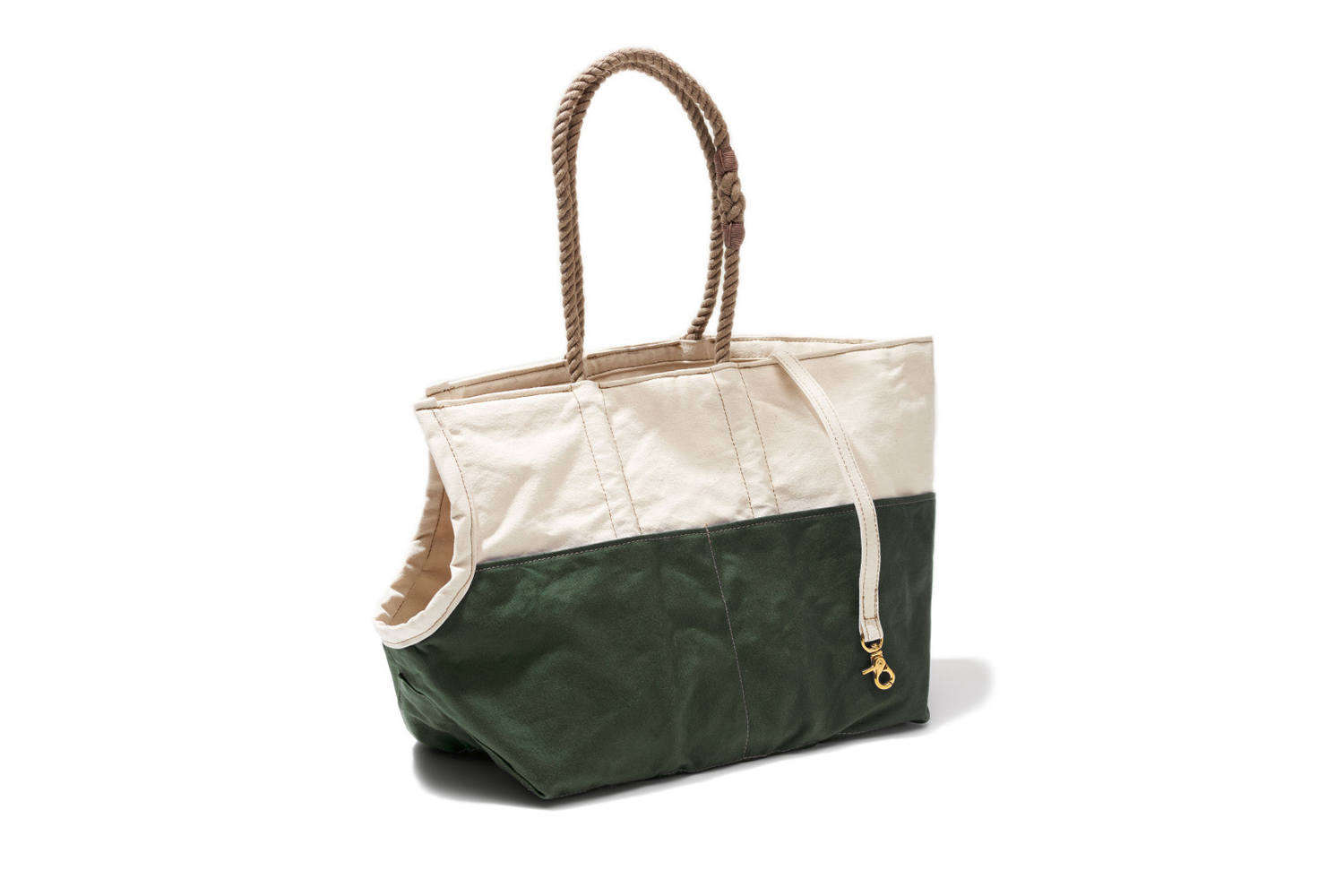
11. Hand-Tooled Leather Bags
Vintage leather bags often reveal craftsmanship through carved patterns, sturdy stitching, brass hardware, and natural patina. The best ones look better with age, which is rude but impressive.
12. Advertising Tins
Old coffee, biscuit, tobacco, candy, and spice tins are miniature graphic design museums. Their typography, illustrations, and colors show what caught shoppers’ eyes before digital ads followed everyone around the internet.
13. Wooden Sewing Boxes
A sewing box filled with buttons, thread, thimbles, and mysterious tiny tools can feel like opening a domestic archive. Compartments, hinges, and inlaid decoration reveal both utility and beauty.
14. Fountain Pens
Vintage fountain pens combine engineering and elegance. Celluloid bodies, gold nibs, filling mechanisms, and engraved clips can make even a grocery list feel like a treaty.
15. Tin Wind-Up Toys
Wind-up toys show playful mechanical craftsmanship. Lithographed surfaces, spring mechanisms, and charmingly odd movements make them collectible, even when they wobble like they just heard bad news.
16. Apothecary Bottles
Glass medicine bottles, especially embossed or labeled examples, reveal old pharmacy practices and packaging design. Their colors, shapes, and stoppers make them popular decorative collectibles.
17. Hand-Painted Trays
Vintage trays in metal, wood, or papier-mâché often feature floral designs, scenic landscapes, or lacquered finishes. They remind us that serving snacks once required elegance, not just paper plates.
18. Needlepoint Footstools
A needlepoint footstool combines furniture and textile art. The stitched surface may show flowers, animals, or geometric designs, while the frame may reveal carved wood and turned legs.
19. Brass Candlesticks
Brass candlesticks carry centuries of design tradition. Their weight, seams, casting marks, and proportions can reveal whether they were handmade, machine-made, decorative, or used daily.
20. Ceramic Mixing Bowls
Old mixing bowls, especially nesting sets, tell stories of home cooking. Their chips and crazing can be flaws, but they also prove the bowl did not spend life pretending to be fancy in a cabinet.
21. Travel Trunks
Steamer trunks and wardrobe trunks speak of ocean voyages, rail journeys, college moves, and dramatic exits. Look for leather straps, brass locks, wooden slats, paper labels, and interior compartments.
22. Cameo Brooches
Cameos show miniature carving skill. Shell, coral, lava, and glass examples often depict classical profiles, flowers, or mythological scenes. A tiny face carved in relief deserves respect.
23. Hand-Blown Glass Vases
Hand-blown glass can reveal pontil marks, bubbles, color layering, and asymmetry. Those small imperfections are often signs of human hands, not manufacturing failure.
24. Rotary Telephones
Rotary phones are heavy, durable, and deeply satisfying to dial until you reach a zero and question your life choices. Their bakelite or plastic bodies represent a slower communication era.
25. Silver Serving Spoons
Silver spoons can reveal maker’s marks, monograms, patterns, and family history. Even tarnish has charm, though it should not be allowed to become the spoon’s entire personality.
26. Vintage Globes
Old globes show geography as people understood it at the time. Borders, country names, and cartographic style make them educational, decorative, and occasionally awkward reminders that maps change.
27. Wooden Tool Chests
A vintage tool chest can be a masterpiece of practical design. Hand-cut joints, fitted compartments, and worn handles reveal the habits of the craftsperson who used it.
28. Enamelware Pitchers
Enamelware pitchers are simple, durable, and cheerful. Their chipped edges and colored rims show daily life in kitchens, camps, farms, and washrooms.
29. Embroidered Table Linens
Napkins, runners, and tablecloths with hand embroidery reveal domestic artistry. Monograms, cutwork, lace edges, and floral motifs turn a meal into an event.
30. Bakelite Jewelry
Bakelite bangles, brooches, and buttons are icons of early plastic design. Their bold colors and chunky shapes prove that vintage jewelry does not have to whisper politely.
31. Schoolhouse Clocks
Vintage wall clocks from schools, offices, and railway stations show functional design at its finest. Their big faces, wooden cases, and readable numbers were made for actual humans, not design awards.
32. Handwoven Baskets
Baskets can reveal regional materials, weaving styles, and everyday use. Splint, willow, oak, and ash baskets combine structure, beauty, and quiet engineering.
33. Ceramic Figurines
Some figurines are elegant; others look like they know family secrets. Either way, molded details, hand-painted faces, glazes, and maker marks can make them delightful collectibles.
34. Vintage Record Players
Record players combine sound, design, and nostalgia. Wood cabinets, turntables, tonearms, and speaker cloths remind us that music used to arrive with furniture.
35. Carnival Glass
Carnival glass is known for its iridescent surface and pressed patterns. It was often affordable in its time, but today its color shifts and decorative glow make it highly collectible.
36. Letterpress Blocks
Wood and metal printing blocks show the craftsmanship behind old newspapers, posters, and packaging. Typography lovers may experience mild emotional turbulence around them.
37. Painted Folk Art Signs
Hand-painted signs from shops, farms, theaters, and fairs tell stories of local commerce. Brushwork, lettering style, and weathering often give them wonderful character.
38. Hat Boxes
Vintage hat boxes preserve the age when hats had architecture. Their paper coverings, labels, handles, and round forms make them decorative storage with built-in drama.
39. Kitchen Scales
Old kitchen scales are practical sculptures. Metal bases, enamel faces, brass pans, and printed numbers show how measurement became part of everyday cooking.
40. Wooden Duck Decoys
Hand-carved decoys combine sporting history, folk art, and sculpture. Paint wear, carving style, and regional forms can reveal both maker and purpose.
41. Vintage Postcards
Postcards are tiny windows into travel, humor, architecture, and handwriting. A message about bad hotel coffee from 1912 can be weirdly moving.
42. Stained Glass Panels
Stained glass shows color, light, and craft working together. Lead came, textured glass, painted details, and soldering reveal the skill behind each panel.
43. Hand-Crank Coffee Grinders
Vintage coffee grinders often feature wooden boxes, cast-iron wheels, and metal drawers. They prove that people have always been willing to work hard for coffee, which is understandable.
44. Lace Collars
Old lace collars show astonishing detail. Bobbin lace, needle lace, crochet, and tatting each require technique, time, and eyesight that deserves applause.
45. Mechanical Alarm Clocks
These clocks are small machines with big opinions. Metal cases, luminous dials, bells, and winding keys make them collectible symbols of morning betrayal.
46. Inlaid Jewelry Boxes
Jewelry boxes with marquetry, mother-of-pearl, brass, or carved decoration reveal cabinetmaking skill on a small scale. The inside may be lined with velvet and secrets.
47. Vintage Maps
Maps combine art, science, politics, and adventure. Their typography, coloring, paper quality, and changing place names make them fascinating historical documents.
48. Hand-Painted China Plates
Decorative plates often show landscapes, flowers, portraits, or commemorative scenes. Brushwork and glazing reveal the difference between mass decoration and careful hand painting.
49. Wooden Game Boards
Old checkerboards, chessboards, and game boxes carry social history. Worn corners and faded paint show years of competition, strategy, and probably someone accusing Grandpa of cheating.
50. Family Photo Albums
A vintage photo album may be the most personal treasure of all. Cabinet cards, tintypes, handwritten captions, embossed covers, and careful page layouts preserve faces and moments that might otherwise disappear.
What Makes Vintage Craftsmanship So Special?
Vintage craftsmanship stands out because older objects often reveal how they were made. You can see the joinery in furniture, the brushstroke on porcelain, the hammer mark on metal, the stitch in fabric, and the file mark on a tool. These details make objects feel alive. They show problem-solving, pride, and sometimes glorious overengineering.
Many vintage pieces were built to be repaired rather than replaced. A chair could be re-caned. A watch could be serviced. A trunk could get new straps. A quilt could be patched. That repair culture is part of the charm. It also explains why so many old objects survive. They were not always treated as disposable. They were part of daily life, and daily life expected things to last.
How To Read The Story Behind A Vintage Treasure
Study the Materials
Wood, glass, ceramic, leather, metal, paper, and textile all age differently. Patina can be beautiful, but it should match the object’s age and use. A century-old table with perfectly uniform “distress marks” may be telling a suspiciously modern story.
Look for Maker’s Marks
Signatures, stamps, labels, hallmarks, and factory marks can help identify origin and date. They are not always present, but when they are, they can turn guessing into research.
Check Construction Details
Dovetail joints, hand stitching, cast seams, screw types, glaze quality, and tool marks can reveal whether something was handmade, machine-made, repaired, altered, or reproduced.
Consider Provenance
A family story is wonderful, but documents make it stronger. Receipts, letters, photographs, labels, and exhibition records can add context and value. In the antique world, “Grandma said so” is charming; “Grandma saved the receipt” is powerful.
Respect Condition
Condition matters, but perfection is not always required. Honest wear can add character. However, major cracks, missing parts, heavy refinishing, and poor repairs may affect value and historical integrity.
Of Experience: What Vintage Hunting Teaches You
Anyone who spends time around vintage treasures quickly learns that collecting is not just shopping. It is detective work with better lamps. The first lesson is patience. The best finds rarely appear when you are marching through a flea market with the confidence of a treasure pirate. They show up when you slow down, turn over a plate, open a drawer, or ask one more question.
The second lesson is humility. At some point, every collector has mistaken a reproduction for an antique, overpaid for something because it “felt rare,” or ignored a great piece because it looked too ordinary. Vintage objects teach you to look twice. A plain wooden box might be a handmade tool chest. A chipped bowl might be part of a beloved early pottery line. A faded postcard might show a building that no longer exists. The quiet things often have the loudest stories.
The third lesson is that craftsmanship has a rhythm. After you handle enough older objects, your eye starts noticing details automatically. You feel the weight of real brass. You notice the difference between printed decoration and hand painting. You spot irregular stitching. You recognize how old glass bends light differently. Suddenly, modern objects can look a little too perfect, as if they have never had a bad day in their lives.
Vintage collecting also teaches respect for ordinary people. Museums often display famous artifacts, but most vintage treasures belonged to everyday families, workers, travelers, students, cooks, farmers, clerks, and dreamers. A lunch pail, sewing kit, recipe box, or school notebook may not be glamorous, but it preserves the texture of real life. History is not only battles, speeches, and grand buildings. It is also the chair someone repaired because buying a new one was impossible, the quilt someone stitched after work, and the coffee grinder that helped a household survive Monday morning.
There is also a practical joy in using vintage pieces. Drinking from an old glass, writing with a fountain pen, cooking in a cast-iron skillet, or storing letters in a wooden box connects the present to the past without turning your home into a museum where everyone is afraid to sit down. Of course, fragile or rare items deserve careful preservation. But many vintage objects were made to be touched, used, and appreciated.
Finally, vintage hunting reminds us that value is not only financial. Some treasures are valuable because of design. Others because of rarity. Some because they belonged to someone loved. A cracked teacup with a family story may matter more than a flawless object with no emotional pull. The real treasure is often the combination of material, memory, and meaning. That is why vintage craftsmanship continues to fascinate us. It gives the past a shape we can hold.
Conclusion
Vintage treasures survive because they were made with care, used with purpose, and saved for reasons that are sometimes practical, sometimes sentimental, and sometimes wonderfully mysterious. From pocket watches and quilts to travel trunks and glass vases, these objects prove that craftsmanship is more than decoration. It is the visible record of human skill.
The next time you see an old object at an estate sale, antique shop, flea market, or family attic, pause before dismissing it as clutter. Look at the material. Study the construction. Ask where it came from. A vintage treasure may not always be worth a fortune, but it may still tell a story worth keeping. And if it comes with a mysterious key, a handwritten note, or a drawer full of buttons, congratulationsyou have officially entered the danger zone of delightful curiosity.
Note: This article was written for web publication and synthesized from real museum, archive, preservation, decorative arts, and appraisal knowledge without inserting source links or citation placeholders.