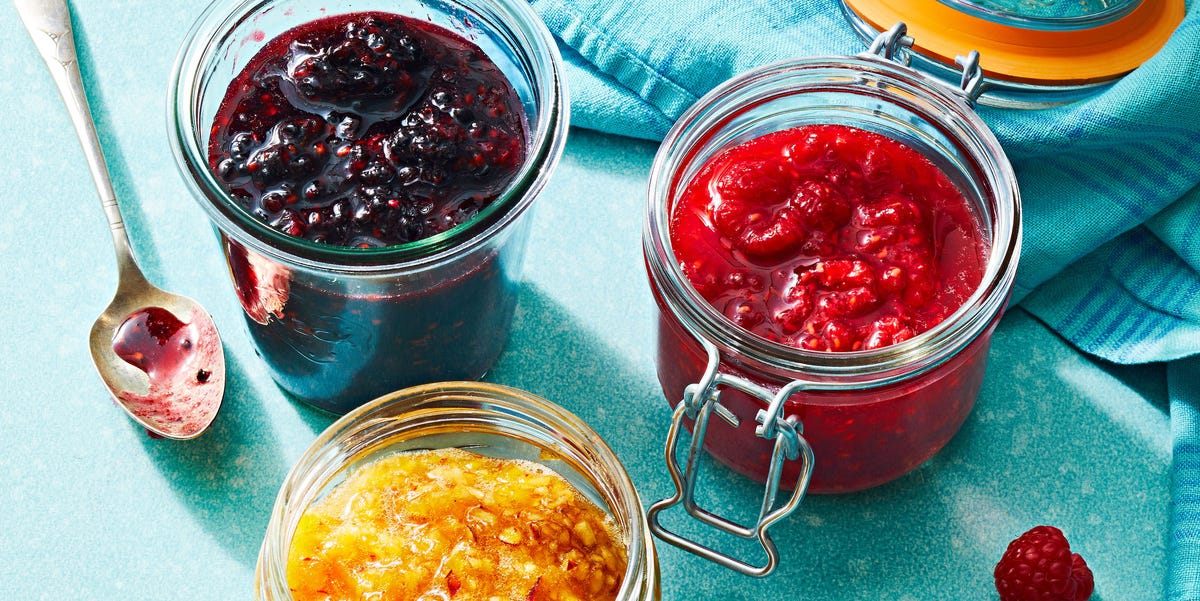
No-cook jam is the kitchen equivalent of finding money in a coat pocket: easy, joyful, and slightly suspicious because it feels too good to be true. You take ripe fruit, sugar, pectin, and a little patience, then somehow end up with a bright, spoonable jam that tastes like summer decided to move into a jar.
The best part? You do not need a canning pot, a candy thermometer, or the bravery required to stand over bubbling fruit lava. This best no-cook jam recipe is made for beginners, busy families, small kitchens, and anyone who wants homemade jam without turning the stove into a sticky crime scene.
Also called freezer jam, no-cook jam keeps the fresh flavor of berries better than many traditional cooked jams. Because the fruit is not boiled for a long time, strawberries taste like strawberries, raspberries taste like raspberries, and peaches taste like sunshine with better manners.
What Is No-Cook Jam?
No-cook jam is a fresh fruit spread made by mixing crushed fruit with sugar and freezer pectin. Instead of being processed for shelf-stable storage, it is kept in the refrigerator or freezer. That means it is not traditional canned jam, and it should not be stored at room temperature.
Think of it as the casual cousin of classic jam. Cooked jam wears an apron, owns jar tongs, and understands water-bath processing. No-cook jam shows up in flip-flops, brings fresh berries, and says, “Relax, we’re just putting this in the freezer.”
Why This Is the Best No-Cook Jam Recipe
This recipe is simple, flexible, and reliable when you follow the ingredient amounts and use the correct pectin. It works beautifully with strawberries, raspberries, blackberries, blueberries, peaches, or a mix of soft fruits.
The texture is soft-set rather than rubbery. The flavor is bright and fresh. The method is fast enough for a weeknight but impressive enough to make people believe you spent the afternoon being charmingly old-fashioned.
Ingredients for No-Cook Jam
Basic Ingredients
- 4 cups crushed fresh fruit such as strawberries, raspberries, peaches, blackberries, or blueberries
- 1 1/2 cups granulated sugar
- 1 packet freezer jam pectin, also labeled instant pectin or no-cook pectin
- 1 tablespoon bottled lemon juice, especially helpful for lower-acid fruits like peaches or blueberries
This recipe makes about 5 to 6 half-pint jars, depending on how juicy the fruit is and how enthusiastically you “taste-test” during the process.
Best Fruits for No-Cook Jam
The easiest fruits for no-cook jam are berries. Strawberries are the classic choice because they crush easily, taste naturally sweet, and create a gorgeous red jam that looks like it belongs on a biscuit commercial.
Raspberries make a tangy, deeply flavored jam. Blackberries create a bold spread with a little rustic texture. Blueberries are delicious but may need more careful crushing because their skins like to act independent. Peaches are wonderful, especially when peeled and finely chopped before crushing.
How To Make No-Cook Jam
Step 1: Wash and Prepare the Fruit
Rinse the fruit gently under cool water and pat it dry. Remove stems, hulls, pits, bruised spots, or anything that looks like it has given up on life. For strawberries, hull them first. For peaches, peel them if you want a smoother texture.
Fresh, ripe fruit is the secret to great no-cook jam. Underripe fruit can taste flat, while overripe fruit may turn watery. Aim for fruit that smells sweet, looks vibrant, and makes you want to eat half of it before it reaches the bowl.
Step 2: Crush, Do Not Puree
Place the fruit in a large bowl and crush it with a potato masher. Do not use a blender unless you want fruit sauce with identity issues. Jam should have texture. Small fruit pieces give the finished spread a homemade feel and help it sit proudly on toast instead of sliding off like it has somewhere else to be.
Measure the crushed fruit after crushing, not before. This matters because whole berries and crushed berries do not measure the same. Jam recipes are a little bossy about measurements, but only because pectin needs the right fruit-to-sugar balance to set properly.
Step 3: Mix Sugar and Pectin
In a separate bowl, stir together the sugar and freezer jam pectin. Mixing them before adding fruit helps prevent clumps. Pectin clumps are not dangerous, but they are annoying, and nobody wants to find a tiny gummy island in a jar of beautiful jam.
Use the pectin called for in the recipe. Regular powdered pectin, liquid pectin, low-sugar pectin, and freezer pectin behave differently. Swapping them randomly is how good fruit becomes a science experiment.
Step 4: Stir Fruit Into the Pectin Mixture
Add the crushed fruit and lemon juice to the sugar-pectin mixture. Stir very well for about 3 minutes. This is the only “workout” required. Put on a song, stir like you mean it, and make sure everything is evenly combined.
The mixture may look loose at first. That is normal. Freezer jam thickens as it rests. Do not panic and start adding random pantry items. Jam rewards patience, not chaos.
Step 5: Fill Clean Freezer-Safe Containers
Spoon the jam into clean freezer-safe jars or containers. Leave about 1/2 inch of space at the top because jam expands slightly when frozen. Wipe the rims, add lids, and let the containers sit at room temperature for about 30 minutes, or as directed by your pectin package.
Use plastic freezer containers or freezer-safe glass jars. Regular glass jars may crack if filled too full or exposed to sudden temperature changes, and cracked jam jars are not the rustic farmhouse moment anyone signed up for.
Step 6: Refrigerate or Freeze
Store one jar in the refrigerator for immediate use and freeze the rest. Most no-cook freezer jams keep well in the refrigerator for up to 3 weeks and in the freezer for up to 1 year. Thaw frozen jam in the refrigerator before serving.
Important note: No-cook jam is not shelf-stable canned jam. Do not store it in a pantry or cupboard. It belongs in the refrigerator or freezer, where it can live its best chilled life.
No-Cook Strawberry Jam Recipe
Ingredients
- 4 cups crushed strawberries
- 1 1/2 cups granulated sugar
- 1 packet freezer jam pectin
- 1 tablespoon bottled lemon juice
Directions
- Wash, hull, and crush the strawberries with a potato masher.
- Measure exactly 4 cups of crushed fruit.
- In a large bowl, stir sugar and freezer pectin together.
- Add crushed strawberries and lemon juice.
- Stir for 3 minutes until the mixture is glossy and evenly combined.
- Ladle into clean freezer-safe jars, leaving 1/2 inch headspace.
- Let stand for 30 minutes, then refrigerate or freeze.
This no-cook strawberry jam tastes fresh, sweet, and slightly tangy. It is excellent on toast, pancakes, waffles, yogurt, oatmeal, biscuits, and peanut butter sandwiches. It also makes vanilla ice cream look like it went to finishing school.
Tips for Perfect No-Cook Freezer Jam
Use the Right Pectin
Freezer pectin is designed for no-cook jam. It thickens without the long boiling required in traditional jam. If your package gives slightly different instructions, follow the package because pectin brands can vary.
Measure Carefully
Jam is not the place for “a little of this, a little of that” energy. Too much fruit can make the jam runny. Too little sugar can affect the set and storage quality. Exact measuring is the tiny price we pay for not boiling fruit over a stove.
Do Not Reduce Sugar Without the Right Pectin
If you want a lower-sugar no-cook jam, use pectin specifically made for low-sugar or no-sugar recipes. Regular freezer pectin needs the recommended amount of sugar to set correctly. Cutting sugar in half may sound healthy, but it can leave you with fruit soup.
Leave Headspace
When freezing jam, leave space at the top of the container. Jam expands as it freezes. Without headspace, lids may pop, jars may crack, and your freezer may become the scene of a berry-themed disaster.
Label Your Jars
Add the fruit type and date to each jar. Three months from now, red jam may be strawberry, raspberry, or “mystery berry from that one afternoon.” Future you deserves clarity.
Flavor Variations
Mixed Berry No-Cook Jam
Use 2 cups crushed strawberries, 1 cup crushed raspberries, and 1 cup crushed blueberries. This combination gives you sweetness, tartness, and color so pretty it practically asks to be photographed.
Peach Vanilla Freezer Jam
Use 4 cups finely chopped and crushed ripe peaches. Add 1 teaspoon vanilla extract after stirring in the fruit. The result is soft, fragrant, and excellent on warm biscuits.
Raspberry Lemon Jam
Use 4 cups crushed raspberries and add 1 teaspoon finely grated lemon zest. This version is bright, tangy, and perfect for thumbprint cookies or swirling into Greek yogurt.
Blueberry Lime Jam
Use 4 cups crushed blueberries and replace lemon juice with bottled lime juice if your pectin instructions allow it. Add a small pinch of lime zest for a fresh, lively flavor.
Common No-Cook Jam Mistakes
The Jam Is Too Runny
Runny jam usually comes from inaccurate measuring, using the wrong pectin, reducing sugar, or not stirring long enough. It may still taste delicious, so do not throw it away. Use it as pancake syrup, yogurt topping, smoothie sweetener, or dessert sauce.
The Jam Is Too Grainy
Graininess often means the sugar did not dissolve enough. Stir thoroughly and let the fruit mixture rest as directed. Finer sugar can help, but do not use powdered sugar unless a recipe specifically calls for it.
The Jam Tastes Too Sweet
No-cook jam is sweeter than some cooked jams because sugar helps with texture and preservation. To balance sweetness, add lemon juice, use tart berries, or choose a tested low-sugar freezer jam recipe with the correct pectin.
The Jam Has Ice Crystals
Ice crystals can happen if containers are not sealed tightly or if the jam sits in the freezer too long. Use airtight containers, leave proper headspace, and enjoy the jam within the recommended storage window.
How To Serve No-Cook Jam
Toast is the obvious choice, and there is no shame in the obvious choice. But no-cook jam can do much more. Spoon it over pancakes, waffles, French toast, cheesecake, pound cake, oatmeal, rice pudding, or vanilla ice cream.
For savory pairings, try it with soft cheese, biscuits and ham, turkey sandwiches, or a simple charcuterie board. A spoonful of raspberry freezer jam with cream cheese on a cracker can make you look like someone who “entertains,” even if your main party trick is remembering where the napkins are.
Can You Make No-Cook Jam Without Pectin?
You can make fresh fruit spreads without commercial pectin, but they will not behave exactly like classic freezer jam. Chia seeds, for example, can thicken mashed fruit into a quick refrigerator spread. However, chia jam has a different texture and shorter storage life.
For the best no-cook jam recipe with a traditional soft-set texture, freezer pectin is the most dependable choice. It gives the jam structure without cooking away the fresh fruit flavor.
Food Safety for No-Cook Jam
No-cook jam should always be refrigerated or frozen. It is not processed in a boiling-water canner, so it is not safe for pantry storage. Use clean equipment, clean containers, and fresh fruit. If jam smells off, grows mold, bubbles unexpectedly, or looks suspicious, discard it.
Also, do not double the recipe unless your pectin package says it is safe to do so. Large batches may not set evenly. Make separate batches instead. Yes, it takes a few extra minutes, but it is better than producing a gallon of fruit syrup and pretending that was the plan.
My Experience Making No-Cook Jam
The first time I made no-cook jam, I expected it to be complicated because homemade jam sounds like something guarded by grandmothers, county fair judges, and people who own special funnels. Instead, it was shockingly simple. I washed strawberries, crushed them in a bowl, stirred in sugar and freezer pectin, and suddenly had several jars of fresh jam staring back at me like tiny trophies.
The biggest lesson was that fruit quality matters more than fancy equipment. When I used ripe strawberries from a local market, the jam tasted bright and floral, almost like fresh berries with a spoonable personality. When I tried the same method with pale, out-of-season berries, the jam was fine, but it did not sing. It hummed quietly in the corner. Good fruit makes good jam. Great fruit makes the kind of jam people eat directly from the jar while claiming they are “just checking the texture.”
I also learned not to over-crush the fruit. At first, I mashed everything until it was nearly smooth, thinking smooth jam would feel more polished. It tasted good, but the texture was a little flat. The next batch had small bits of fruit throughout, and that made the jam feel homemade in the best way. Every bite had a little burst of berry. It was less supermarket, more summer picnic.
Another experience worth sharing: label the jars. I once made strawberry, raspberry, and mixed berry jam on the same afternoon. They all looked similar after freezing, and I spent the next few months playing breakfast roulette. Not tragic, obviously, but it did lead to some surprising toast moments. A simple piece of tape with the fruit and date saves confusion.
No-cook jam is also a wonderful recipe for sharing. A jar of homemade freezer jam feels personal without being fussy. It says, “I made this for you,” but it does not require the emotional commitment of a three-layer cake. I have given it to neighbors, friends, and relatives, and the reaction is always bigger than the effort. People love homemade jam because it feels nostalgic, even when it was made 20 minutes ago while wearing sneakers and listening to a podcast.
My favorite way to use it is on warm biscuits with salted butter. The butter melts, the jam softens, and everything becomes dangerously quiet for a minute. It is also excellent stirred into plain yogurt, layered into overnight oats, or spooned over vanilla ice cream when dessert needs help but ambition is unavailable.
The real charm of no-cook jam is that it removes the intimidation from preserving fruit. You do not need to become a canning expert to enjoy homemade jam. You just need ripe fruit, the correct pectin, clean jars, and enough self-control not to eat the whole first batch with a spoon. And honestly, even that last part is negotiable.
Conclusion
The best no-cook jam recipe is simple, fresh, and almost impossible not to love. With ripe fruit, freezer pectin, sugar, and a little stirring, you can make a homemade spread that tastes brighter than most store-bought jam. It is perfect for toast, biscuits, yogurt, desserts, and thoughtful edible gifts.
Just remember the golden rule: no-cook jam is freezer jam, not shelf-stable canned jam. Keep it chilled, enjoy it often, and do not be surprised when your first batch disappears faster than expected. Homemade jam has a way of turning ordinary toast into an event.