A coffee table is the living room’s tiny stage. It holds the remote, the snacks, the book you swear you are going to finish, and sometimes one mysterious sock nobody will admit belongs to them. The good news? You do not need a luxury furniture budget to build a stylish, sturdy, and personality-packed table. An inexpensive DIY coffee table can be made with basic lumber, plywood, crates, reclaimed wood, or even a secondhand piece that just needs a little cosmetic therapy.
The best part is that this project is beginner-friendly when planned well. You can keep the build simple, ask a home center to make major cuts, use affordable materials, and still end up with a coffee table that looks intentional instead of “I found this behind a garage and hoped for the best.” This guide walks through budget coffee table ideas, smart sizing, materials, finishes, storage upgrades, and real-world lessons from DIY projects that save money without sacrificing style.
Why Build an Inexpensive DIY Coffee Table?
Buying a coffee table can be surprisingly expensive, especially if you want solid wood, storage, a custom size, or a finish that does not look like it came from a waiting room in 1998. A DIY coffee table gives you control over the size, color, shape, and function. More importantly, it allows you to spend money where it matters: strong construction, a durable top, and a finish that can survive real life.
For renters, first apartments, small homes, and budget-conscious decorators, a homemade coffee table is also a flexible solution. You can build a rustic farmhouse table, a modern block-style table, a crate coffee table with storage, or a simple plywood design with hairpin legs. If your style changes later, you can sand, stain, paint, or swap the legs. Try doing that with a glass table you panic-clean every time someone breathes near it.
Before You Build: Get the Size Right
The most common DIY coffee table mistake is not the wood, the finish, or even the slightly crooked screw that only you will notice forever. It is scale. A table that is too large turns the living room into an obstacle course. A table that is too small looks like it wandered in from a dollhouse.
Ideal Coffee Table Height
A good rule is to make your coffee table about the same height as your sofa seat or 1 to 2 inches lower. Most coffee tables fall somewhere around 16 to 18 inches tall, but your sofa should guide the final number. If your couch is low and modern, a chunky tall table may feel awkward. If your sofa is deep and plush, a super-low table may force everyone to do an accidental yoga pose just to grab a coaster.
Best Length and Placement
For balance, aim for a coffee table that is roughly two-thirds the length of your sofa. Leave about 14 to 18 inches between the sofa and the table. That distance keeps drinks reachable while giving people enough room to walk, sit, and avoid shin injuries. In small spaces, consider a round, oval, or narrow rectangular table to improve movement.
Budget-Friendly Materials That Actually Work
An inexpensive DIY coffee table does not mean flimsy. It means choosing materials wisely. Framing lumber, plywood, pine boards, wood crates, and reclaimed pieces can all produce great results. The secret is matching the material to the design and finishing it with care.
1. Framing Lumber
Standard 2x4s, 2x6s, and 1x boards are popular for budget coffee table builds because they are affordable and easy to find. They work especially well for farmhouse, rustic, chunky, or modern slab-style tables. Pick the straightest boards you can find, avoiding pieces with deep cracks, excessive warping, or knots in critical spots.
2. Plywood
Plywood is excellent for a clean, modern coffee table. It can be cut into a simple box shape, layered for a thick designer look, or used as a tabletop over a wood frame. Sanded plywood looks surprisingly polished with edge banding or a painted finish. If you want the “boutique furniture” look without the “checking my bank balance in fear” experience, plywood is your friend.
3. Wooden Crates
Wooden crates are one of the easiest ways to create an inexpensive coffee table with built-in storage. Four crates arranged in a square can create open cubbies for blankets, books, games, or the collection of charging cables every household mysteriously grows. Add a plywood base, casters, stain, and a center insert, and the project becomes functional as well as decorative.
4. Reclaimed Wood and Secondhand Furniture
Old doors, benches, pallets, cabinet doors, and thrifted tabletops can become unique coffee tables. Reclaimed materials often bring character that new lumber cannot fake. Just inspect the piece carefully, clean it well, sand rough areas, and make sure it is structurally sound. Character is charming. Splinters are not charming. Splinters are tiny wooden betrayals.
Simple Inexpensive DIY Coffee Table Ideas
There is no single “best” coffee table plan. The right design depends on your tools, space, budget, and patience level. If patience is limited, avoid anything with 47 angled cuts and emotional consequences. Start with one of these practical ideas.
Crate Coffee Table with Storage
This is a classic beginner project. Use four wooden crates, arrange them with the openings facing outward, secure them to a plywood base, and add casters or short furniture feet. The center gap can hold a small tray, plant, decorative bowl, or removable panel. Stain the crates for a rustic look or paint them for a brighter cottage-style finish.
The advantage of a crate coffee table is storage. It is great for small living rooms because every side can hold something useful. The disadvantage is that cheap crates may be rough, so plan to sand thoroughly. Also, check that all crates are the same size before assembling. Nothing says “DIY adventure” like discovering one crate is half an inch taller after you have already painted it.
Farmhouse Coffee Table
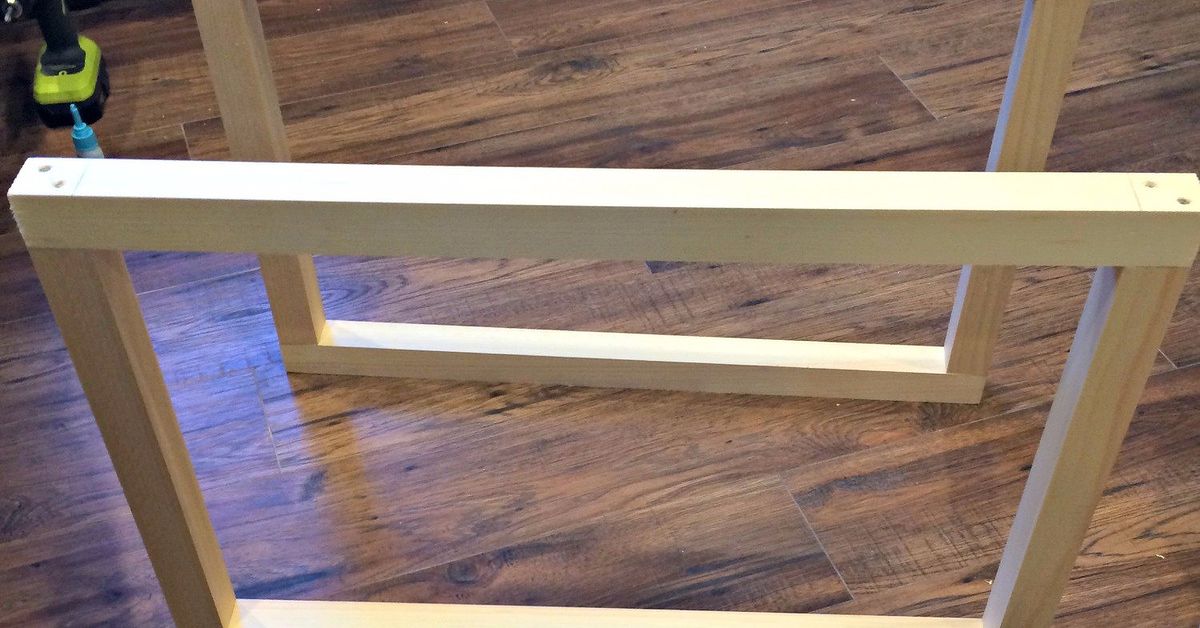
A farmhouse coffee table typically uses basic boards, square legs, and a lower shelf. It is sturdy, forgiving, and easy to customize. You can make it rustic with stain and visible grain, or modern farmhouse with a painted base and wood top. A lower shelf adds practical storage for baskets, magazines, or board games.
This style works well because small imperfections often add charm. If the table has a tiny gap or knot, it looks “handcrafted.” That is the magic word that turns a mistake into personality.
Modern Plywood Coffee Table
For a clean look, build a rectangular plywood box or tabletop and attach simple legs. Hairpin legs are popular because they install easily and instantly create a mid-century or modern style. Choose thicker plywood or double up sheets for a substantial appearance. Finish with clear polyurethane, paint, or a warm stain depending on your room.
A plywood coffee table is ideal for minimal interiors, apartments, and anyone who likes straight lines. It is also a smart project if you can have the plywood cut at the store, reducing the need for large tools at home.
Refinished Thrift Store Coffee Table
The cheapest DIY coffee table is sometimes the one that already exists. Thrift stores, yard sales, and online marketplaces often have outdated but solid tables. Look past ugly orange varnish, scratched tops, or tragic hardware. If the frame is sturdy and the size is right, paint and stain can perform a small furniture miracle.
Try sanding the top and staining it while painting the legs in a neutral color. Replace knobs, add a lower shelf, or apply a protective topcoat. A $20 table plus a weekend of work can look far more expensive than it is.
Tools and Supplies for a Beginner-Friendly Build
You do not need a professional workshop to make a basic coffee table. For many simple designs, the essential supplies include wood, screws, wood glue, sandpaper, clamps, a drill, a measuring tape, a square, and a finish. If cutting wood at home is not comfortable or safe, ask a home improvement store about cut services or choose a project based on pre-cut boards.
For safety, wear eye protection, work in a ventilated area when staining or painting, and follow all product instructions. If power tools are involved, beginners should get hands-on help from an experienced adult. A coffee table is useful; an avoidable injury is not the “before and after” story anyone wants.
How to Save Money Without Making the Table Look Cheap
The difference between inexpensive and cheap-looking usually comes down to planning and finishing. A budget table can look high-end when the proportions are right, the surface is smooth, and the finish matches the room.
Sand More Than You Think You Need To
Sanding is not glamorous. Nobody throws a party and says, “Come admire my 120-grit technique.” Still, it matters. Smooth edges and surfaces make inexpensive lumber feel better and look more polished. Start with a coarser grit if the wood is rough, then move to finer grits before finishing.
Use Wood Filler Strategically
Small gaps, nail holes, and dents can be filled before painting. If staining, choose a stainable wood filler and test it first because filler may absorb color differently than the surrounding wood. For rustic tables, you may want to leave some natural imperfections visible.
Choose the Right Finish
Coffee tables live a hard life. They face mugs, snacks, laptops, feet, pets, and the occasional “I thought that marker was washable” incident. A protective topcoat is worth it. Use polyurethane, polycrylic, furniture wax, or another durable finish that fits your paint or stain. Matte finishes feel modern, satin finishes are forgiving, and glossy finishes show more fingerprints.
Add Better Legs or Hardware
Simple upgraded legs can make a budget tabletop look custom. Hairpin legs, tapered wood legs, chunky square legs, or small casters can completely change the personality of the table. Hardware is another affordable upgrade. A crate table with quality casters looks intentional. A refinished table with new pulls looks refreshed rather than rescued.
Storage Ideas for a DIY Coffee Table
A coffee table should not only sit there looking pretty. It should earn its floor space. Storage is especially helpful in apartments, family rooms, and homes where blankets multiply like friendly fabric rabbits.
Open Shelf
A lower shelf is easy to build and useful for baskets, books, and trays. It keeps clutter off the tabletop while making the table feel more substantial.
Crate Cubbies
Crate tables naturally create cubbies. Use them for books, toys, remote controls, or seasonal decor. Add small baskets inside the crates if you prefer a cleaner look.
Lift-Top Inspiration
A true lift-top mechanism can be more advanced, but the idea is worth noting. If you work or eat in the living room, consider a sturdy tabletop, hidden storage, or a removable tray. Function should match how you actually live, not how your living room pretends to live when guests arrive.
Style Tips: Make Your DIY Coffee Table Look Intentional
Once your inexpensive DIY coffee table is built, style it simply. Use a tray to group small items, add coasters, include one decorative object with height, and leave open space for everyday use. A coffee table should not be so decorated that there is no room for coffee. That would be false advertising.
For a modern look, keep the surface uncluttered with one stack of books and a ceramic bowl. For farmhouse style, try a woven tray, candle, and small plant. For a coastal look, use light wood, white paint, rope accents, or soft blue-gray tones. For an industrial look, combine dark stain with black metal legs or casters.
Common Mistakes to Avoid
First, do not skip measuring. Measure your sofa, walking space, and rug before deciding on the table size. Second, do not rush the finish. Paint or stain needs proper drying time, even when your excitement is making you hover over it like a proud furniture parent. Third, do not choose weak legs for a heavy tabletop. Stability matters, especially if the table will hold books, trays, or board games.
Fourth, avoid sharp corners in tight rooms or homes with younger siblings or pets. Rounded edges or oval shapes are more forgiving. Finally, do not overbuild if you are a beginner. A simple table completed well is better than an elaborate table abandoned halfway through because the instructions started speaking in geometry.
Estimated Budget Breakdown
A very simple DIY coffee table can often be built for far less than a store-bought solid wood piece. Costs vary by location and material prices, but a basic project may include affordable boards or plywood, screws, glue, sandpaper, stain or paint, and legs or casters. Reusing materials lowers the cost even more.
Here is a practical example: a crate coffee table might require four crates, one plywood base, screws, stain, and casters. A modern plywood table may require one sheet or partial sheet of plywood, legs, screws, and a clear topcoat. A refinished thrift table might only need sandpaper, paint, and sealer. The smartest budget strategy is to choose the project based on what you already have, then buy only what is necessary.
Best Inexpensive DIY Coffee Table Plan for Beginners
If you are new to DIY furniture, start with a rectangle tabletop and simple legs. Choose pre-cut boards or plywood, attach the boards to support strips underneath, sand everything smooth, and add ready-made legs. This approach keeps the project manageable while teaching useful basics: measuring, sanding, assembly, and finishing.
For a first project, avoid drawers, complicated joinery, hidden hinges, glass inserts, or complex angled designs. Those can come later. Your first coffee table should be sturdy, attractive, and finished before you lose interest and start calling a half-built tabletop “conceptual decor.”
Experience Notes: What Building an Inexpensive DIY Coffee Table Teaches You
One of the biggest lessons from building an inexpensive DIY coffee table is that the project starts long before the first screw goes in. It starts with observing how the living room is actually used. Some people need a table for snacks and movie nights. Others need storage for books, game controllers, craft supplies, or blankets. A beautiful table that does not fit daily habits becomes a decorative island of inconvenience. The best DIY coffee table feels like it belongs because it solves a real problem.
Another useful experience is learning that budget materials need patience, not apology. Inexpensive pine boards may have knots. Crates may have rough edges. Plywood edges may need extra attention. None of that means the finished piece will look bad. It simply means sanding, filling, trimming, and finishing matter. A careful finish can make low-cost materials look warm and custom. A rushed finish can make expensive materials look like a school project that had a deadline and a snack break.
Measuring twice is also not just an old saying; it is emotional protection. When building a coffee table, small mistakes can affect the final shape. A tabletop that is slightly uneven may wobble. Legs placed too close to the edge may look awkward. A table that is too tall may feel uncomfortable next to the sofa. Taking a few extra minutes to mark, check, and dry-fit parts saves frustration later. Dry-fitting is especially helpful with crate tables, shelves, and bases because it lets you see the final shape before committing.
Finishing teaches patience better than almost any other part of the project. Paint needs drying time. Stain needs wiping and curing time. Protective coats need time between layers. It is tempting to place the table in the living room immediately, style it with books, and announce yourself as a furniture genius. Resist that urge. Letting the finish cure properly helps prevent sticky surfaces, rings, scratches, and regrets. A coffee table is touched every day, so the surface deserves respect.
Another experience worth mentioning is that DIY furniture creates a different kind of pride. A store-bought coffee table may be pretty, but a handmade one has a story. You remember choosing the boards, fixing the mistake, changing the color, and stepping back when it finally looked right. Guests may compliment it, and you get to say, “Thanks, I made it,” which is one of the most satisfying sentences in the English language.
Finally, an inexpensive DIY coffee table teaches that good design is not always about spending more. It is about proportion, function, texture, and care. A simple table made from affordable wood can feel stylish when it fits the room, supports daily life, and reflects your taste. The goal is not to fool people into thinking it cost a fortune. The goal is to create something useful, personal, and good-looking without letting your budget scream into a throw pillow.
Conclusion
An inexpensive DIY coffee table is one of the most rewarding beginner furniture projects because it combines style, function, and savings in one manageable build. Whether you choose crates, plywood, framing lumber, reclaimed wood, or a thrifted makeover, the key is to plan the size, build for stability, sand carefully, and finish the surface for everyday life. You do not need a massive budget or a professional workshop to create a coffee table that anchors your living room.
Start simple, measure honestly, and choose materials that match your skill level. With a little patience and a sense of humor, your DIY coffee table can become the hardest-working piece in the room: part snack station, part storage hero, part design statement, and part proof that affordable furniture can still have serious style.