Note: This article is based on synthesized information from reputable fact-checking, food safety, consumer, packaging, environmental, and home-organization sources. It does not include source links in the body, so it remains clean for web publishing.
Some life hacks sound so dramatic they deserve their own movie trailer. “Keep a bread clip in your wallet when you travel!” is one of them. The tiny plastic tag from a loaf of sandwich bread has been promoted online as an emergency tool, a travel essential, a money-saving gadget, and possibly the smallest item ever asked to carry the emotional burden of modern adulthood.
But is there a real reason to keep a bread clip in your wallet? The honest answer is: sometimes, but not for the breathless reasons suggested by viral clickbait. A bread clip can be useful as a mini label, a temporary cord organizer, a tape-end marker, or a quick fix for a loose flip-flop strap. It is not magic. It will not replace a first-aid kit, a real repair kit, a phone charger, a luggage tracker, or common sense. Still, for something that usually goes straight into the trash, it has a surprisingly decent résumé.
This fact check breaks down the truth behind the wallet claim, the best bread clip hacks that actually work, the ones that are overrated, and the safety issues people often forget. Because yes, even a plastic bread tag can have a dark side. Small household objects always do. Ask any vacuum cleaner.
What Is a Bread Clip, Exactly?
A bread clip, also called a bread tag, bread tab, bag closure, or Kwik Lok-style closure, is the small U-shaped plastic or cardboard piece used to seal bread bags and some produce bags. The modern version became popular because bakeries and food packers needed a fast, inexpensive way to close plastic bags while still allowing shoppers to reopen and reseal them at home.
The bread clip is often linked to Floyd Paxton, an American inventor associated with Kwik Lok, the Washington-based company that helped turn the humble bag closure into a global packaging staple. According to company history and packaging-industry reporting, the idea grew out of a practical problem: food producers needed a better alternative to tying, folding, or rubber-banding bags. Over time, the clip became one of those invisible inventions that quietly shows up in kitchens everywhere, like measuring spoons, drawer crumbs, and that one mystery lid nobody can match to a container.
Most plastic bread clips are small, lightweight, flexible, and easy to write on with a permanent marker. Those features make them surprisingly handy for labeling and light organizing. They are also why the internet keeps inventing new uses for them. Some are clever. Some are questionable. Some feel like they were created by someone who had one bread clip, eight minutes, and no adult supervision.
Fact Check: Should You Keep a Bread Clip in Your Wallet?
The viral version of the claim usually suggests that travelers should always keep a bread clip in a wallet because it can save the day in an emergency. The most common example is using it to repair a broken flip-flop or sandal. The idea is simple: if the toe post or strap plug pulls through the sole, a bread clip can be placed underneath the sandal as a temporary stopper, helping hold the strap in place long enough to walk a short distance.
That part is plausible. If your flip-flop breaks at the beach, at a campground, or on the way back from a hotel pool, a bread clip might help you hobble back with slightly more dignity than walking barefoot across hot pavement. But the leap from “this might work once” to “everyone should always keep one in a wallet” is where the claim gets crispy.
A bread clip is not sturdy enough for serious repair. It can snap, slip, or fall off. It may not fit every sandal design. It is also uncomfortable if it creates a lump underfoot. For travel, a better plan is to wear dependable shoes, pack backup sandals, or carry a tiny repair item such as a safety pin, rubber band, or small strip of duct tape wrapped around a card. In other words, the bread clip is a clever backup for a very specific problem, not an essential survival tool.
The Verdict: Useful Hack, Overhyped Claim
So, why keep a bread clip in your wallet? The best reason is not that it will rescue your vacation like a tiny plastic superhero. The best reason is that it is flat, free, disposable, and occasionally useful. If you have room in a wallet pocket, luggage pouch, glove box, pencil case, or junk drawer, keeping one or two bread clips around is harmless for most adults.
The fact-check verdict is simple:
- True: A bread clip can temporarily help with a loose flip-flop strap in some cases.
- True: It can label keys, cords, bags, and small items.
- True: It can help mark the end of a tape roll.
- Misleading: It is not a must-have travel item for everyone.
- False: It is not a reliable replacement for real repair tools.
Think of it as a bonus tool, not a life plan. The bread clip belongs in the same category as twist ties, rubber bands, binder clips, and old gift cards: humble objects that become useful when you are creative, mildly desperate, or avoiding a trip to the store.
Best Bread Clip Hacks That Actually Work
Not every viral bread clip hack deserves your attention. Some are awkward, flimsy, or more work than they are worth. The best ones use the clip’s natural strengths: it is small, flat, label-friendly, and easy to attach to thin objects.
1. Label Cords and Chargers
This is one of the most practical bread clip uses. Write “phone,” “tablet,” “lamp,” “router,” or “dad’s mysterious cable #47” on the clip, then snap it around the cord near the plug. This works especially well behind desks, entertainment centers, and nightstands where cables gather like electronic spaghetti.
A bread clip will not replace a full cable-management system, but it can prevent the classic unplugging disaster: you think you disconnected the desk lamp, but suddenly the Wi-Fi disappears and everyone in the house looks at you like you personally attacked civilization.
2. Mark the End of a Tape Roll
If you have ever spent five minutes clawing at a roll of clear tape looking for the end, a bread clip can help. After using packing tape, masking tape, or painter’s tape, place the bread clip under the loose end before storing the roll. Next time, the end is easy to find and lift.
This hack is especially useful during moving, holiday gift wrapping, school projects, and any activity where tape somehow becomes both essential and impossible to locate.
3. Identify Keys
Bread clips can work as temporary key labels. Write “garage,” “shed,” “mailbox,” or “back door” on the clip and attach it near the top of the key. This is not as durable as a real key tag, but it is quick and free.
For best results, use this hack for spare keys stored in a drawer rather than keys that get heavy daily use. A bread clip in a crowded keychain may crack or pop off. It is a helpful label, not a lifelong commitment.
4. Temporary Flip-Flop Fix
This is the famous wallet hack. If the plug under a flip-flop pulls through the sole, push the strap back through the hole and slide a bread clip beneath the sole around the stem. The clip may stop the strap from pulling through again, at least long enough to get you home.
Use this only as a short-term repair. Do not rely on it for long walks, uneven ground, wet surfaces, or any situation where a broken sandal could cause a fall. The bread clip is there to help you reach the car, not hike a national park.
5. Keep Earbuds or Small Cables Neater
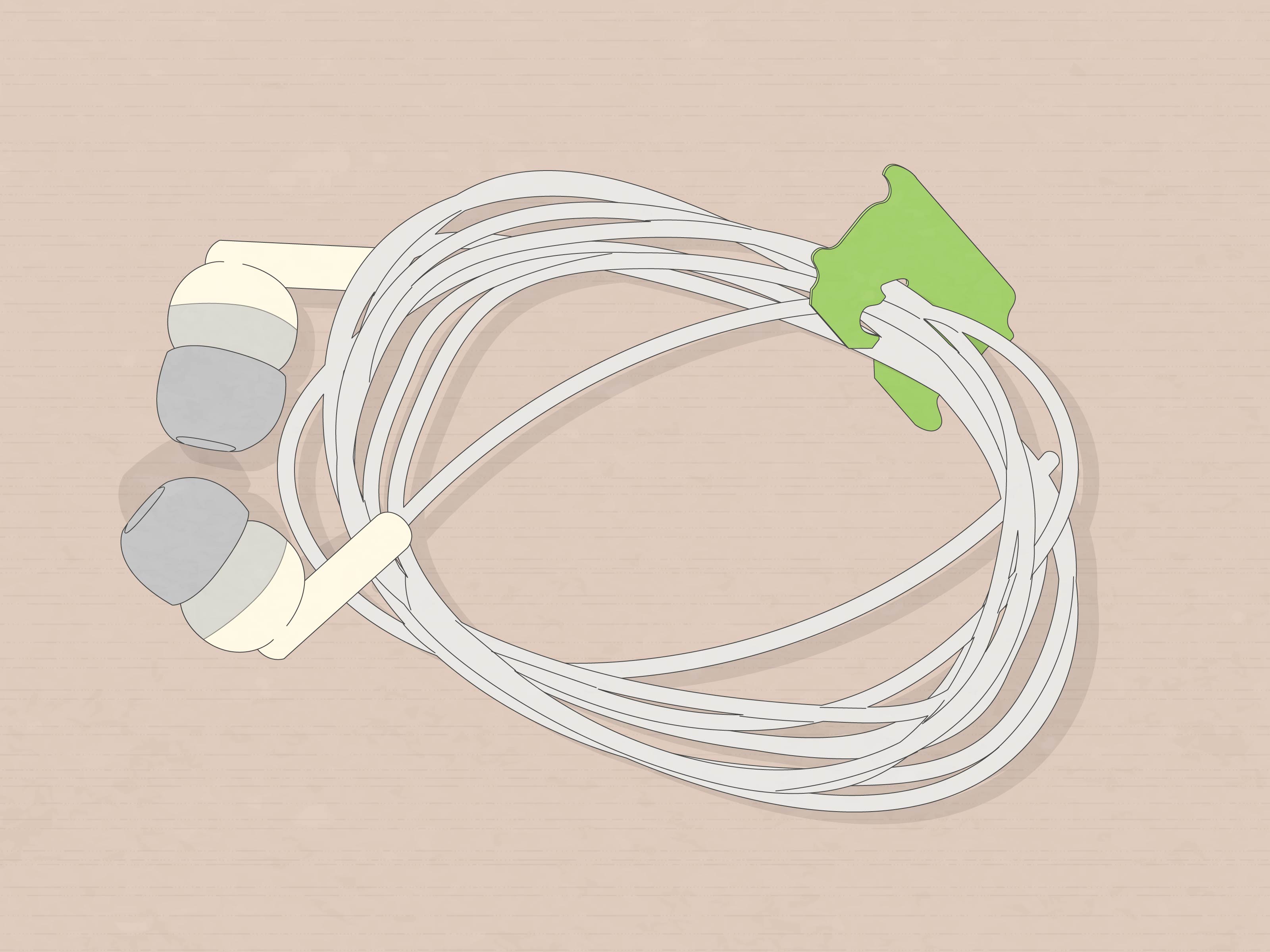
For thin cords, a bread clip can hold a small loop together. Wrap earbuds or a charging cable loosely, then use the clip to stop the bundle from unraveling. Do not clamp it too tightly, especially on delicate cables, because repeated pressure can damage wires over time.
This trick is best for short-term organization in a bag or drawer. If your cable costs more than lunch, use a soft Velcro tie instead.
6. Label Seedlings or Garden Starts
Gardeners can write plant names on bread clips and attach them to small stakes, twine, or pot edges. This is useful for seedlings such as basil, cilantro, tomatoes, and peppers, which all look charmingly similar when they are tiny green sprouts.
Plastic clips can fade in sun and weather, so permanent plant markers are better for outdoor long-term use. Still, for seed trays and indoor starts, bread clips are a neat little organizing trick.
7. Save Rubber Bands and Hair Ties
Slide a few rubber bands, hair ties, or twist ties onto a bread clip before placing them in a drawer. This keeps small loops from scattering everywhere. It is not glamorous, but neither is digging through a junk drawer while muttering, “I know I put one in here.”
8. Reseal Other Lightweight Bags
The most obvious bread clip hack is also one of the best: reuse it to close another bag. It can work on bags of rice cakes, crackers, frozen fruit, produce, or craft supplies. It is not airtight, so do not expect it to preserve food like a vacuum sealer. But for simple closure, it does the job.
Bread Clip Hacks That Are Overrated
Some bread clip ideas sound clever until you try them. Using a bread clip as a phone stand, for example, may work only with a very specific phone size, case thickness, and angle. One sneeze and your phone may face-plant like it just received bad news.
Using bread clips as clothing fasteners is also risky. They can scratch skin, snap under pressure, or create awkward lumps. They are not designed to handle body movement, fabric tension, or laundry cycles. The same goes for using them as serious luggage identifiers. A bright ribbon, tag, or strap will be much easier to see at baggage claim.
Another overrated idea is using bread clips to scrape surfaces. They are too small for big jobs and may scratch delicate finishes. A plastic scraper designed for cleaning is safer and more effective.
Safety Warning: Bread Clips Are Small Objects
Bread clips may look harmless, but they should be kept away from babies, toddlers, and pets. Their small size makes them a potential choking or swallowing hazard. Medical case reports have documented injuries from accidentally swallowed plastic bread clips, including serious digestive complications. Those cases are uncommon, but they are a reminder that “small and ordinary” does not always mean “safe.”
Do not leave bread clips loose on the floor, in pet areas, or anywhere a young child might put one in their mouth. If you reuse them, store them in a small container, drawer organizer, or sealed bag. If a clip is cracked, sharp, or dirty, throw it away. A free hack stops being a bargain the moment it becomes a hazard.
Are Bread Clips Recyclable?
The recycling answer depends on the material and your local program. Many plastic bread clips are made from small pieces of plastic, often polypropylene or similar materials, but their size can make them difficult for recycling facilities to sort. Small items may fall through sorting equipment or contaminate recycling streams. Cardboard bread tags may be easier to handle in some areas, but they still depend on local rules.
The safest advice is to check your municipal recycling guidance. If your local program does not accept loose bread clips, do not toss them into the recycling bin and hope for the best. Wish-cycling feels virtuous, but it can create extra sorting problems. Reuse a few clips if you genuinely need them, then dispose of the rest properly.
Do Bread Clips Help Keep Bread Fresh?
Yes, but only in the basic sense that they close the bag. A bread clip helps reduce exposure to air, crumbs, and kitchen chaos. It does not make bread last forever. Bread freshness depends more on storage conditions, moisture, temperature, preservatives, and how quickly your household eats toast.
For short-term storage, many food experts recommend keeping bread in its original packaging, a bread box, or another suitable container at room temperature in a cool, dry place. For longer storage, freezing is usually the better option. Slice the bread first if you want easy portions, then thaw or toast as needed. Refrigeration can slow mold in some situations, but it may also make bread stale faster because of changes in starch texture.
If bread has visible mold, do not simply cut off the fuzzy part and keep eating the rest. Bread is porous, and mold can spread beyond what you can see. When in doubt, toss it. The sandwich you save should not be the sandwich that starts a family meeting about food safety.
What to Keep in Your Wallet Instead
If you like the idea of practical everyday carry items, a bread clip can be part of a tiny “just in case” kit. But a wallet has limited space, and some items are more useful. Consider a bandage, emergency cash, a list of important phone numbers, a spare transit card, or a small card wrapped with a few inches of duct tape. These items solve more common problems than a bread clip.
That said, a bread clip wins on thinness. It is lighter than a coin, flatter than a key, and cheaper than anything sold in the travel aisle. If you often wear flip-flops, organize cables, or like having odd little backup tools, keeping one in a wallet pocket is reasonable. Just do not let the internet convince you that your vacation depends on it.
How to Choose the Best Bread Clip for Reuse
Not all bread clips are equal. Choose clips that are clean, uncracked, and flexible. Wider clips are better for labeling cords or keys because they provide more writing space. Bright colors are easier to spot in drawers and bags. Avoid clips with sharp edges or brittle plastic, especially if you plan to handle them often.
If you are using a clip in a wallet, place it in a flat pocket where it will not scrape cards or bend against pressure. Do not put it near magnetic strips, not because the plastic will damage them, but because clutter in a wallet tends to bend cards and make everything harder to find. A bread clip is supposed to reduce chaos, not start a tiny plastic uprising.
Practical Examples: When a Bread Clip Is Actually Handy
Imagine you are staying at a hotel and your charging cables are all black. A labeled bread clip can tell you which cable belongs to your phone, your earbuds, or your portable battery. That is useful when packing quickly before checkout.
Or maybe you are moving apartments. You can place bread clips on cords before unplugging electronics: “TV,” “router,” “monitor,” “speaker.” When you arrive at the new place, setup becomes less of a guessing game. Your future self will be grateful, and your past self will feel oddly competent.
At home, a bread clip on a tape roll can save time during gift wrapping. In a garden tray, it can label seedlings until they are ready for bigger pots. In a kitchen drawer, it can hold rubber bands together. None of these uses are revolutionary, but that is the point. The best hacks are not always dramatic. Sometimes they simply remove one tiny annoyance from the day.
Final Conclusion: Tiny Tool, Big Internet Reputation
The bread clip wallet hack is partly true, partly exaggerated, and fully internet-shaped. Yes, a bread clip can temporarily repair certain flip-flop failures. Yes, it can organize cords, mark tape, label keys, and reseal lightweight bags. No, it is not a travel necessity, a miracle tool, or something every human must carry at all times.
The smartest approach is simple: keep a few bread clips where they make sense. Put one near your tape, one in your cable drawer, one in a travel pouch if you wear sandals often, and maybe one in your wallet if you enjoy being prepared in extremely specific ways. Just keep them away from young children and pets, recycle or dispose of them according to local rules, and throw away damaged clips.
In the grand universe of household hacks, the bread clip is not a superstar. It is more like a reliable character actor: small role, low budget, surprisingly memorable, and occasionally the reason the whole scene works.
Personal Experience: What Using Bread Clips Teaches You About Small Hacks
The funny thing about bread clips is that you rarely appreciate them while opening a fresh loaf. They feel disposable, almost invisible. You remove the clip, twist the bag, put the clip back on, and continue with your day. But once you start saving a few, you begin noticing how many small problems around the house are not really “problems” at all. They are just tiny moments of friction waiting for a tiny solution.
For example, the cord-labeling trick sounds almost too simple to matter. Then you try it behind a desk. Suddenly, instead of following a cord by crawling under furniture like a detective in a very boring crime drama, you can read a label and unplug the right device. That one small improvement feels ridiculous and satisfying at the same time.
The tape-roll trick is another everyday winner. Anyone who has packed boxes knows the emotional journey of losing the tape end: confidence, confusion, denial, fingernail scraping, bargaining, and finally rage. A bread clip under the tape end prevents the whole performance. It is not fancy. It is not something you would brag about at dinner. But when you are wrapping gifts at midnight, it feels like a breakthrough worthy of applause.
The wallet idea is more mixed. Carrying a bread clip in a wallet can be useful if you are the kind of person who likes micro-tools. It takes almost no space, and it might help with a sandal strap, a luggage label, or a quick cord wrap. But in real life, many people forget it is there. A wallet already collects old receipts, expired cards, loyalty cards, and mysterious paper scraps. Adding a bread clip only makes sense if you actually use it.
The best place for bread clips may not be the wallet at all. A small container in a utility drawer is more practical. Keep five or six clean clips there, along with rubber bands, twist ties, spare buttons, and safety pins. That way, when a small organizing job appears, the clips are ready. It feels less like hoarding and more like having a tiny hardware store for low-stakes emergencies.
One lesson from trying these hacks is that reusable does not always mean endlessly reusable. Bread clips can crack, bend, collect grime, or become sharp at the edges. If a clip looks worn out, toss it. The point of reusing small items is to reduce waste and save convenience, not to build a museum of tired plastic.
Another lesson is that hacks work best when they match the object. Bread clips are good at labeling, separating, marking, and lightly holding. They are bad at heavy repair, long-term pressure, and anything involving safety. Once you understand that, the bread clip becomes genuinely useful instead of overhyped.
In a way, the bread clip is a reminder that practical living is not always about buying more gadgets. Sometimes it is about looking twice at something you already have. You do not need to turn every household object into a productivity system. But if a tiny plastic tag can save you from tangled cords, lost tape ends, or one broken flip-flop walk of shame, it has earned a little respect.