Note: This article is an original, fully rewritten synthesis based on real miniature photography, paper art, forced-perspective techniques, and the original nine-picture concept by Imran the Illustrator.
When Everyday Life Becomes a Giant Obstacle Course
Imagine waking up one morning and discovering that your coffee mug is now a hot tub, your pencil has become a construction beam, and saving a file on your keyboard requires the courage of a mountain climber. That is the delightful little crisis at the heart of I’ve Shrunk Myself Down And I’m Figuring Out How To Live Like That (9 Pics), a playful miniature photo series by Imran the Illustrator.
The concept is simple enough to explain in one sentence: the artist appears to have shrunk himself down to thumb-size and now must figure out how to survive in a world built for normal-sized humans. But the charm is in the details. A keyboard key becomes a workstation. A pencil becomes a comically oversized writing tool. A snack becomes furniture. A ladybug becomes the kind of neighbor you greet politely because, frankly, it is now bigger than your dog.
Miniature photography works because it turns familiar objects into unfamiliar landscapes. We know what a pencil is. We know what popcorn is. We know what a bed, a laptop, a notebook, and a pizza box are supposed to do. But when a tiny paper version of a person is placed into those scenes, the brain suddenly has to renegotiate the contract. A desk is no longer a desk. It is a city. A spoon is no longer a spoon. It is a bridge, a catapult, or possibly a lawsuit waiting to happen.
The Tiny Genius of Imran the Illustrator’s Photo Series
Imran the Illustrator’s series stands out because it does not rely on expensive special effects or overstuffed fantasy design. Instead, it leans into the sweet spot between paper art, miniature photography, and visual storytelling. The tiny character is not just placed in random scenes; he is trying to live there. That shift matters. The photos feel less like isolated jokes and more like diary entries from a very small roommate who owes rent but can only pay in paper clips.
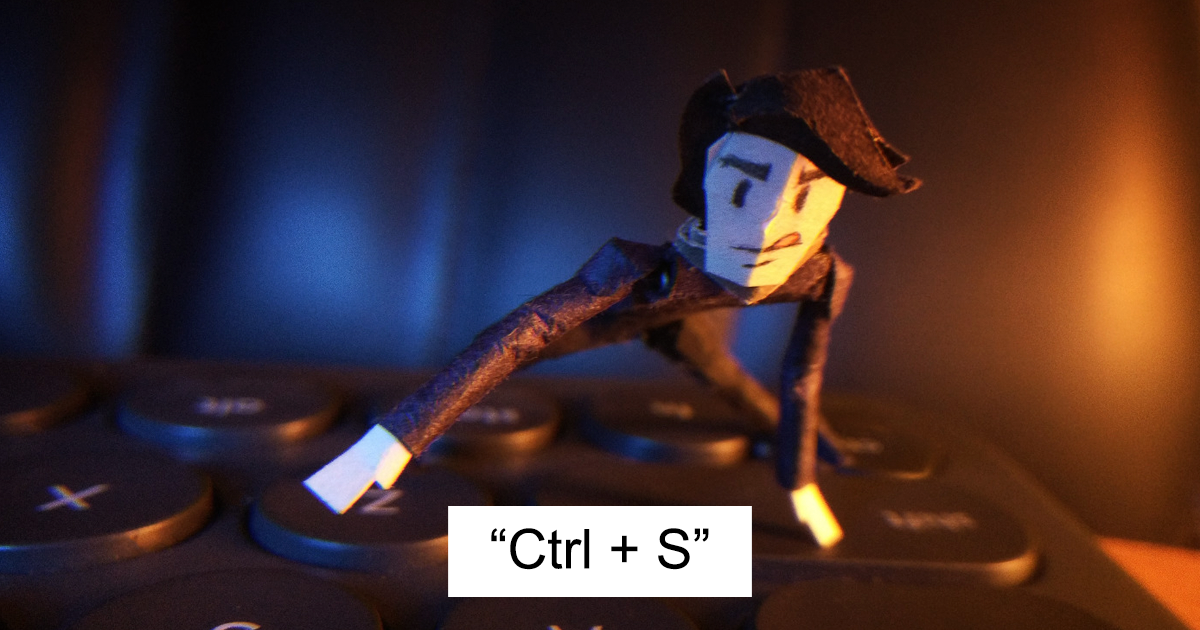
The nine pictures move through a loose survival arc. At first, the tiny character struggles with basic tasks. Something as ordinary as hitting “Ctrl + S” becomes a full-body mission. Writing has to be relearned, because a pencil is suddenly the size of a telephone pole. Lounging, sleeping, watching movies, making pizza, reaching objects, and dealing with the outside world all require creativity. The final mood is not panic but adaptation. The little hero begins to improvise.
That is what gives the project its emotional lift. Yes, it is funny. Yes, it is adorable. But underneath the humor is a very relatable idea: life changes size all the time. A tiny problem can become giant. A giant problem can become manageable once you find the right angle. Sometimes you do not need to defeat the world. Sometimes you need to climb the keyboard one key at a time.
Why Miniature Photography Is So Addictive
Miniature photography has a special way of slowing people down. In a world where most online images are swiped past in half a second, tiny scenes make viewers pause. The eye wants to inspect them. What is the character standing on? Is that a real object? How big is the figure? How did the artist make the scene look so natural?
This style often uses scale contrast, forced perspective, macro composition, and everyday props. Forced perspective challenges the viewer’s sense of size by arranging objects so their relative positions trick the eye. Macro photography brings small subjects into sharp visual focus. Paper art adds a handmade texture that makes the illusion feel charming rather than overly polished.
The best miniature scenes do not simply make things small. They make the viewer feel big. Suddenly, you are looking at your own world from the perspective of someone who could use a bottle cap as a dining table. A crumb becomes a boulder. A keyboard becomes a neighborhood. A slice of pizza becomes real estate. Probably expensive real estate, because even tiny people are not escaping the housing market.
A Closer Look at the 9 Pics
1. “Ctrl + S” Saving Your Work, Heroically
The “Ctrl + S” image is a perfect opening gag because it turns a boring computer habit into an action sequence. For a normal person, saving a file takes one second. For the tiny character, it is a physical expedition. The keyboard becomes a rugged landscape, and the simple act of pressing keys feels like survival training for office workers.
2. “(Re)learning To Write” The Pencil Becomes a Problem
Writing is one of the first skills most people learn, but at thumb-size, the rules change. A pencil becomes absurdly large, and the tiny figure has to approach it like heavy machinery. This image works because it makes creativity look physical. Ideas may be weightless, but making them visible can feel like pushing a log uphill.
3. “Lounging” Comfort, But Make It Miniature
One of the funniest pleasures of miniature photography is watching ordinary relaxation become luxury living. A small object can become a sofa, a cushion, or a personal resort. “Lounging” captures the fantasy of making do with what is available. Tiny life may be inconvenient, but at least the furniture has character.
4. “Bedtime” Cozy at a Ridiculous Scale
In “Bedtime,” the miniature world becomes soft and inviting. The appeal comes from contrast: the viewer knows the materials are simple, but the scene reads as peaceful. That is the magic of scale. A folded object or small surface can look like a custom-designed bedroom when the character is tiny enough to appreciate it.
5. “Watching Movies” Popcorn as Architecture
Watching a movie while tiny sounds fun until the popcorn becomes furniture, dinner, and possibly a landslide hazard. This scene captures the comic abundance of being small. A snack that most people inhale without thinking becomes a giant, buttery environment. It is cozy, silly, and slightly dangerous, which is basically the perfect movie night.
6. “Makeshift Pizza Place” Tiny Dining, Big Appetite
The pizza-themed scene turns food into a restaurant set. A tiny person navigating pizza is instantly funny because the scale is so dramatic. One topping could be a stool. A crust could be a bench. A melted strand of cheese could become a public transit system, although punctuality would be a concern.
7. “Fly Boy” When Smallness Becomes Superpower
“Fly Boy” shifts the mood from problem-solving to adventure. In miniature stories, danger and possibility often live side by side. Being small makes the world harder, but it also makes ordinary physics feel magical. A spring, a breeze, or a simple object can become a launchpad.
8. “Easy Access” Brain Over Brawn
This image highlights one of the series’ best themes: adaptation. The tiny character cannot rely on strength, so he has to rely on cleverness. That is what makes the joke satisfying. The environment is not friendly, but it can be negotiated. Everyday objects become tools when viewed creatively.
9. “Improvise, Adapt, Overcome” The Tiny Survival Motto
The final image pulls the whole idea together. The phrase “improvise, adapt, overcome” could describe the entire miniature life. The tiny character has stopped merely reacting to the oversized world. He is learning how to live in it. That small emotional progression gives the series more staying power than a simple visual trick.
The Art of Making Small Things Feel Big
Miniature photography depends on more than placing a small figure beside a large object. Composition does the heavy lifting. The artist has to choose the right angle, the right distance, and the right background so the viewer accepts the scene. Too much clutter can ruin the illusion. Too little context can make the setup confusing. The best miniature photos balance clarity with surprise.
Lighting is also crucial. If the tiny figure casts no believable shadow, the image can feel flat. If the light direction does not match the surrounding objects, the scene may look pasted together. Imran’s paper-based approach benefits from a handmade softness, but the images still need believable placement. The character must feel like he belongs in the scene, even when the situation is wonderfully ridiculous.
There is also storytelling through posture. A tiny cutout standing still is cute. A tiny cutout pushing, climbing, sleeping, reaching, or lounging becomes a character. That sense of action makes viewers imagine what happened before and after the photo. Maybe he spent ten minutes trying to climb the pencil. Maybe he has a weekly pizza reservation. Maybe he has strong opinions about ergonomic keyboards.
Why This Series Feels So Relatable
The reason I’ve Shrunk Myself Down And I’m Figuring Out How To Live Like That connects with viewers is not just because it is cute. It is relatable because everyone has felt too small for a situation. A new job, a big move, a difficult project, a blank page, a messy desk, or a Monday morning can make an ordinary person feel thumb-sized.
That is why the series works as more than visual comedy. It turns a universal feeling into a playful image. When the tiny character wrestles with a pencil, viewers recognize the struggle of starting something difficult. When he lounges inside a makeshift setup, they recognize the comfort of adapting. When he figures out how to use large objects to his advantage, they see a tiny metaphor for resilience.
Good art often changes the scale of reality. It makes the invisible visible. In this case, the invisible feeling is: “Everything is too much, but maybe I can still make it work.” That message lands softly because it arrives wrapped in humor. Nobody wants a motivational poster shouting at them before breakfast. But a tiny paper person conquering a desk? That is encouragement we can accept.
How Creators Can Learn From This Miniature Photo Idea
For artists, photographers, illustrators, and social media creators, this series offers several useful lessons. First, a strong concept beats complicated production. The idea of being shrunk down is instantly understandable. Viewers do not need a long explanation. They see the picture and get the joke.
Second, consistency builds momentum. Because each image follows the same tiny-life premise, the series feels connected. One photo is amusing; nine photos create a world. That is a major lesson for visual storytelling online. A repeatable concept gives audiences a reason to keep scrolling.
Third, ordinary objects are not boring when the perspective is fresh. A keyboard, pencil, pizza, popcorn, and bed are not rare props. They are common household items. The creativity comes from reimagining their purpose. That makes the project feel accessible, which is part of its charm. Viewers may think, “I could try something like this,” and that is exactly the kind of spark that makes creative work spread.
Experiences Related to Living Like a Tiny Version of Yourself
Thinking about this series for a while does something funny to your brain: you start looking around your room as if you might need to survive there at thumb-size. The coffee table becomes a plateau. The backpack becomes a mountain range. A phone charger becomes either a rope bridge or a suspiciously modern snake. The whole house turns into an adventure map, and suddenly your laundry pile looks less like a personal failure and more like challenging terrain.
The most relatable experience is realizing how many daily habits depend on scale. Take breakfast. At normal size, cereal is easy. At tiny size, one cereal ring is a flotation device, a chair, a breakfast, and perhaps a studio apartment. A spoon is no longer a spoon; it is a polished silver slide with poor safety regulations. Milk is not something you pour casually. It is a weather event.
Then there is technology. A laptop keyboard would be both useful and exhausting. Typing an email could require cardio. Pressing “Enter” might feel like jumping onto a trampoline that files taxes. A smartphone screen would become a glowing wall, which sounds impressive until a notification pops up and temporarily blinds your entire neighborhood. Imagine trying to unlock your phone with Face ID when your face is now smaller than a raisin. The device would probably panic and ask for a password.
Cleaning would be another strange adventure. Dust, which normally hides in corners like a coward, would become tumbleweed. A single pet hair could block a doorway. A crumb under the table could feed a family for a week, assuming nobody asks too many questions about expiration dates. Vacuum cleaners would be terrifying weather machines. Roombas would become driverless buses with no respect for pedestrians.
But tiny life would not be all chaos. It might also make the world feel more magical. A bookshelf could become an apartment complex. A windowsill could become a scenic overlook. A houseplant could become a forest. A mug of tea could feel like a heated indoor pool, although getting out would require planning, courage, and possibly a very absorbent ladder.
The best part of imagining yourself small is that it teaches you to notice objects again. Most adults move through rooms on autopilot. We stop seeing the shape of a pencil, the texture of paper, the canyon between keyboard keys, or the architecture of a pizza crust. Miniature art reverses that numbness. It makes the ordinary strange again.
That is why Imran the Illustrator’s tiny-life concept feels so satisfying. It is not just a joke about being small. It is a reminder that creativity often begins when we change our viewpoint. Look at a desk from eye level, and it is clutter. Look at it from one inch tall, and it is a whole civilization. The difference is not the object. The difference is attention.
So, if you ever feel overwhelmed by a project, a problem, or the enormous emotional furniture of daily life, take advice from the tiny paper survivor: improvise. Adapt. Find a new use for the objects around you. Turn the pencil into a bridge. Turn the popcorn into a couch. Turn the keyboard into a mountain you can climb one key at a time. And please, for safety reasons, do not trust the spoon.
Conclusion: Small Scale, Big Imagination
I’ve Shrunk Myself Down And I’m Figuring Out How To Live Like That (9 Pics) is the kind of creative project that proves you do not need a giant budget to build a giant idea. With paper art, clever staging, everyday objects, and a strong visual premise, Imran the Illustrator creates a tiny world that feels funny, warm, and surprisingly thoughtful.
The series succeeds because it combines humor with problem-solving. The tiny character does not simply exist in oversized spaces; he learns how to live there. That gives each image a sense of motion and personality. Viewers are not just looking at cute scenes. They are watching a miniature life become more manageable, one absurdly large object at a time.
In the end, the charm of miniature photography is not only that it makes people look small. It makes imagination look enormous. It asks us to reconsider the objects we ignore, laugh at the scale of our problems, and remember that sometimes the best way through a big world is to become wonderfully, stubbornly inventive.