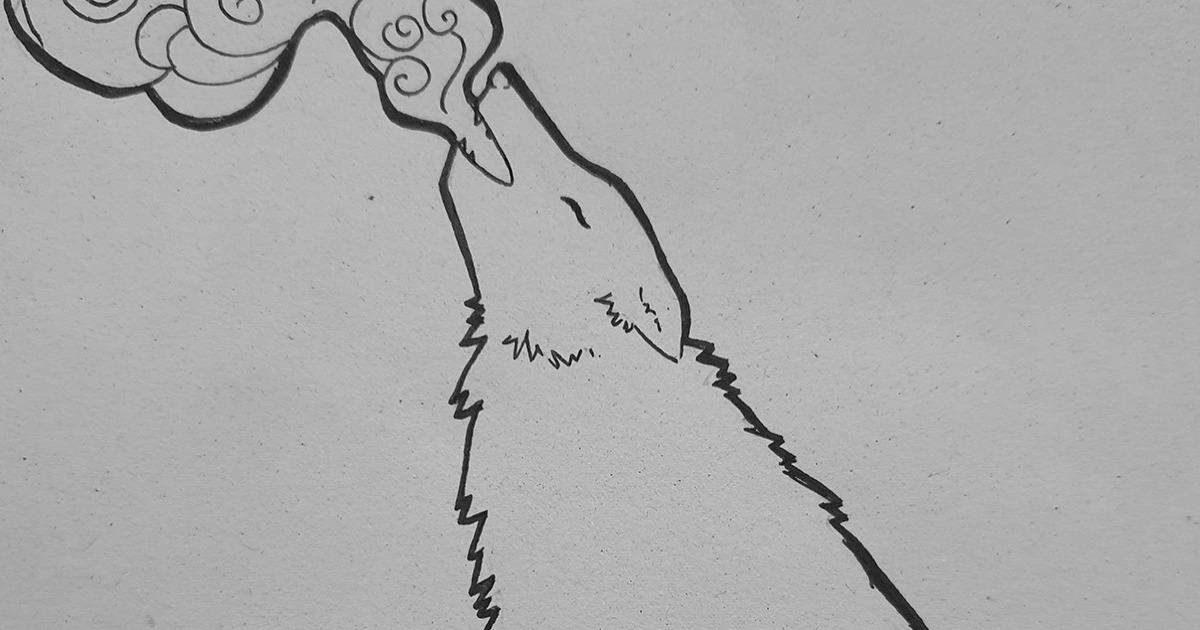
Every now and then, the internet gives us a challenge that does not involve arguing with strangers, decoding a celebrity’s cryptic caption, or trying to figure out why the printer has once again chosen violence. “Hey Pandas, Draw Your Favorite Animal” is that kind of rare, delightful prompt: simple, playful, and open to absolutely everyone with a pencil, pen, tablet, crayon, napkin, or suspiciously available restaurant receipt.
At first glance, drawing your favorite animal sounds like a small creative exercise. Pick a creature. Sketch it. Share it. Done. But the charm of this kind of community art challenge is bigger than the drawing itself. It invites people to show personality, humor, memory, affection, and sometimes a heroic misunderstanding of animal anatomy. A cat may become a potato with ears. A horse may develop the legs of a folding chair. A panda may look less like a panda and more like a raccoon who made questionable life choices. That is not failure. That is content with character.
Animal drawing prompts work because animals are emotionally sticky. People connect with pets, wildlife, mythical creatures, childhood favorites, and even oddly specific animals like capybaras, axolotls, red pandas, sloths, frogs, foxes, owls, otters, and sharks. Each one carries a tiny story. Maybe your favorite animal reminds you of a dog who waited by the door, a cat who judged your entire family, a bird you saw on vacation, or a raccoon that looked directly into your soul while stealing from a trash can.
This article explores why the “Hey Pandas, Draw Your Favorite Animal” prompt is so fun, why it performs well as an online community challenge, how beginners can approach animal drawing without panic, and why sharing imperfect art may be the most charming thing on the internet today.
Why “Hey Pandas, Draw Your Favorite Animal” Is Such a Perfect Prompt
A great internet challenge needs three things: low pressure, instant understanding, and room for personality. This prompt has all three. Nobody needs a tutorial just to understand the assignment. The question is not “render a photorealistic African elephant using professional anatomical proportion studies and a restrained graphite value scale.” It is simply: draw your favorite animal. That is friendly. That is achievable. That is the creative equivalent of someone handing you a cookie and saying, “Do your best.”
The phrase “Hey Pandas” also creates a built-in sense of community. It feels like a call across a cozy digital room: artists, doodlers, bored office workers, students, pet parents, wildlife nerds, and people who have not drawn since third grade are all invited. There is no velvet rope. There is no gallery security guard whispering that your fox looks “conceptually unstable.”
It Welcomes Every Skill Level
One of the biggest reasons animal drawing challenges succeed is that they do not require perfection. A professional illustrator might submit a dramatic wolf with layered fur, accurate muscle structure, and moonlit atmosphere. A beginner might submit a dog that looks like a loaf of bread with sincere eyes. Both can be wonderful because the prompt rewards expression, not just technical skill.
That is important for SEO readers and casual browsers alike. People are not only searching for polished art; they are searching for relatable art, funny animal drawings, easy animal drawing ideas, beginner sketch inspiration, and creative prompts that help them join in. “Hey Pandas, Draw Your Favorite Animal” fits naturally into that search intent because it is both a challenge and an invitation.
It Makes People Curious
Favorite animals reveal more than people expect. A person who draws a golden retriever may be sentimental and loyal. A person who chooses an octopus may appreciate intelligence, mystery, and the ability to escape awkward meetings through tiny openings. Someone who draws a goose may enjoy chaos, intimidation, and bread-adjacent drama.
That little window into personality makes the prompt highly shareable. Viewers do not just look at the drawing; they wonder why the artist chose that animal. Was it a pet? A spirit animal? A childhood obsession? A meme? A creature they saw once and never emotionally recovered from?
Why Animals Are So Fun to Draw
Animals are among the most satisfying subjects in art because they offer endless variety. There are round animals, sleek animals, fluffy animals, scaly animals, suspicious animals, elegant animals, and animals whose faces suggest they know government secrets. From a design perspective, every creature brings a different set of shapes, textures, gestures, and moods.
A cat is all curves, attitude, and liquid physics. A horse is grace, strength, and a direct challenge to anyone who thought legs would be easy. A frog is a compact masterpiece of eyeballs and vibes. A parrot gives you color and drama. A turtle offers geometry with patience. A shark is basically a torpedo with teeth, which, frankly, is efficient branding.
Animal Drawing Builds Observation Skills
Drawing animals teaches people to look more carefully. Instead of seeing “bird,” you begin to notice the tilt of the head, the angle of the beak, the roundness of the chest, the direction of the feathers, and the tiny feet that look like punctuation marks. Instead of seeing “dog,” you notice how the ears sit, how the snout changes by breed, and how every dog has perfected the facial expression of someone who has never been fed in their entire life.
This is why animal sketching is often connected with nature journaling, field observation, and art education. Drawing slows the eye down. It turns a quick glance into a small investigation. Even if the final sketch is messy, the artist learns something about the animal’s structure and personality.
Animals Give Artists Built-In Emotion
Animals are naturally expressive. A sleepy cat, a worried dog, a proud rooster, a confused hamster, or a dramatic llama can communicate emotion before a single caption is added. This makes animals ideal for beginners because the artist does not need a complex scene to create impact. A raised eyebrow, a curled tail, or a tiny paw can do a lot of storytelling.
That is also why funny animal drawings work so well online. A slightly exaggerated expression can turn a simple sketch into a mini-comic. Give a raccoon a tiny shopping bag, and suddenly it is not just wildlife; it is a raccoon with errands.
Easy Ways to Draw Your Favorite Animal
If the phrase “draw your favorite animal” fills you with dread because your last attempt at a deer looked like a haunted table, relax. Animal drawing becomes easier when you stop trying to copy every detail at once. Start with the big shapes, then build slowly.
1. Start With Basic Shapes
Most animals can be simplified into circles, ovals, triangles, rectangles, and curved lines. A cat might begin as an oval body, a circle head, triangle ears, and a long tail. A fish can start as an oval with a triangle fin. A bear may be a collection of circles pretending to be dangerous.
This method helps beginners avoid getting overwhelmed. Instead of thinking, “I must draw a realistic tiger,” think, “I need a big oval for the body, a smaller circle for the head, four leg shapes, and stripes later.” Suddenly, the tiger becomes less intimidating. Still powerful, yes. But now it is a powerful arrangement of manageable shapes.
2. Capture the Gesture First
Gesture drawing means quickly sketching the movement or pose before adding detail. Is the animal sitting, stretching, running, sleeping, flying, or judging you from a windowsill? A fast gesture line helps capture energy.
For example, if you are drawing a fox, begin with a curved line showing the spine and tail direction. If you are drawing a bird, sketch the tilt of the body and head before worrying about feathers. If you are drawing a snake, congratulations: the gesture line is almost the whole animal. Minimalism wins.
3. Use Reference Images
There is no shame in using reference photos. Artists have used references forever. Looking at real animals helps you understand proportions, textures, and poses. The key is not to copy someone else’s photo line-for-line for publication without permission. Instead, study several references and create your own original drawing from what you learn.
References are especially useful for animals with tricky anatomy. Horses, birds, cats, and big cats can be surprisingly complex. Even cartoon styles benefit from real observation. The funnier your cartoon giraffe is, the more helpful it is to know where the neck actually connects. Otherwise, you may invent a creature that biology has politely declined to approve.
4. Exaggerate One Feature
For a funny or cute animal drawing, exaggeration is your friend. Make the eyes bigger, the paws smaller, the ears floppier, the tail puffier, or the expression more dramatic. A tiny angry duck can be funnier than a perfectly accurate duck. A chubby dragon with confidence issues may be more memorable than a technically flawless lizard.
Choose one feature to emphasize. If everything is exaggerated, the drawing can become visually noisy. If just one or two details are pushed, the animal keeps its identity while gaining personality.
5. Add a Tiny Story
A drawing becomes more engaging when it hints at a story. Your favorite animal can be holding coffee, wearing boots, sleeping in a teacup, reading a newspaper, guarding a sandwich, or staring into the middle distance like it just remembered an embarrassing moment from 2012.
These small storytelling details make the artwork more shareable. They also give viewers something to comment on. “Why does the owl have a briefcase?” is exactly the kind of question the internet was built to ask.
Popular Animals People Love to Draw
While every animal has fans, some creatures appear again and again in drawing challenges because they are expressive, cute, symbolic, or wonderfully strange.
Cats
Cats are a classic choice because they combine elegance with nonsense. One minute they look like royal statues; the next, they are attacking invisible ghosts behind the couch. Their flexible bodies, expressive tails, and judgmental faces make them perfect for cartoons, realistic sketches, and meme-inspired art.
Dogs
Dogs are beloved drawing subjects because they are emotionally direct. A dog’s face can communicate joy, guilt, confusion, devotion, or “I definitely did not eat the sock” with impressive range. Different breeds also offer endless variation in ears, noses, fur, and body shape.
Foxes
Foxes are popular because they feel magical without requiring actual magic. Their pointed faces, bushy tails, and alert poses make them visually striking. They can look cute, clever, mysterious, or like they are about to sell you enchanted mushrooms.
Birds
Birds are excellent for artists who enjoy shape, color, and posture. A round sparrow, long-legged heron, dramatic owl, or bright parrot can each teach different drawing skills. Birds also encourage close observation because small changes in silhouette can define the species.
Pandas
Of course, no “Hey Pandas” challenge would feel complete without actual pandas. Giant pandas are visually iconic: round shapes, bold black-and-white markings, soft faces, and a lifestyle brand built around bamboo and sitting. They are beginner-friendly because the markings do a lot of the design work. Basically, nature gave them graphic design training.
Frogs, Axolotls, and Other Internet Sweethearts
Some animals become favorites because the internet collectively decides they are emotionally important. Frogs, axolotls, capybaras, possums, raccoons, and otters all have strong online fan bases. They are funny, expressive, and easy to turn into characters. A capybara in sunglasses needs very little explanation. It has already won.
How to Make Your Animal Drawing Stand Out Online
When sharing a drawing online, the goal is not always to create the most technically advanced piece. Often, the most memorable submissions are clear, personal, and expressive. A simple sketch with a funny caption can outperform a polished drawing that feels generic.
Write a Caption With Personality
Instead of writing only “my dog,” try adding a small story: “This is Max, my favorite animal and part-time kitchen inspector.” Or: “I drew a raccoon because I respect anyone who wears a mask and commits fully to snacks.” Captions help readers connect with the artwork.
Show the Process
People enjoy seeing how a drawing develops. A rough sketch, a halfway stage, and a final version can make the post more engaging. It also reassures beginners that art does not appear fully formed like a magical owl delivering mail. It starts messy. It improves. Sometimes it gets weird in the middle. That is normal.
Keep the Image Clean and Easy to See
If you draw on paper, photograph it in good lighting. Avoid heavy shadows, blurry angles, or backgrounds full of coffee cups and existential clutter. If you draw digitally, export a clear image. Online viewers scroll quickly, so make the animal recognizable at a glance.
Lean Into Your Style
Your drawing does not need to look like anyone else’s. Some artists love realism. Others prefer comics, doodles, kawaii art, watercolor, colored pencil, ink, or chaotic ballpoint pen energy. The best style is the one that helps your personality show up on the page.
Why Community Art Challenges Matter
Online art challenges are more than entertainment. They give people a reason to create, share, and participate. For many adults, drawing disappeared somewhere between school deadlines, work schedules, bills, and the emotional burden of remembering every password ever created. A simple prompt can reopen that creative door.
Creative activities are often linked with stress relief, emotional expression, and a stronger sense of personal engagement. You do not need to become a professional artist to benefit from drawing. The act of making something can be satisfying by itself. It gives your brain a task that is focused, playful, and separate from the usual daily noise.
Animal prompts add another layer because they connect creativity with affection. People often draw animals they love, miss, admire, or find hilarious. That emotional connection makes the process warmer. Drawing a favorite animal is not just an art exercise; it is a small tribute.
Beginner-Friendly Animal Drawing Ideas
If you want to join the “Hey Pandas, Draw Your Favorite Animal” challenge but need a starting point, try one of these simple ideas:
Draw Your Pet as a Tiny Royal
Add a crown, cape, or dramatic throne. This works especially well for cats, who already believe they own the property.
Draw a Wildlife Portrait
Pick a fox, owl, bear, wolf, deer, or whale and focus on the face. Keep the background simple so the animal remains the star.
Draw an Animal Doing a Human Job
A raccoon accountant. A frog barista. A panda librarian. A shark dentist, though that one may create trust issues.
Draw a Five-Minute Doodle
Set a timer and draw quickly. The result may not be polished, but it will have energy. Fast drawings often reveal your natural style because you do not have time to overthink every whisker.
Draw the Animal as a Sticker
Create a simple outline, bold expression, and a small phrase. Sticker-style art is great for social media because it is clear, cute, and instantly readable.
Common Mistakes When Drawing Animals
Every artist makes mistakes, and animal drawing has a few classics. The good news is that most are easy to fix with practice.
Making the Head Too Small or Too Big
Proportions matter, even in cartoons. A big head can look cute, but it should feel intentional. If your horse has the head of a mouse and the body of a sofa, viewers may have questions.
Ignoring the Legs
Animal legs bend in specific ways. Cats, dogs, horses, birds, and frogs all have different joint structures. Use references to understand the basic direction of the limbs before adding details.
Drawing Fur as Thousands of Lines
Fur does not need to be drawn strand by strand. Suggest texture with grouped strokes, shadows, and edges. Otherwise, your drawing may look like it lost a fight with a spaghetti machine.
Forgetting the Personality
A technically correct animal can still feel flat if it has no expression or gesture. Add a head tilt, alert ears, sleepy eyes, or a playful pose. Personality is what makes people stop scrolling.
Personal Experiences With “Hey Pandas, Draw Your Favorite Animal”
The magic of a prompt like “Hey Pandas, Draw Your Favorite Animal” is that it immediately brings people back to the earliest kind of creativity: drawing because it feels good. Many people remember doodling animals long before they worried about whether the drawing was “good.” Children do not usually pause before drawing a purple giraffe with roller skates and ask whether the anatomy is convincing. They simply create the giraffe, name it Sparkle Greg, and move on with their lives. Honestly, adults could learn from that level of confidence.
One relatable experience with this challenge is the moment of choosing the animal. It seems easy until the brain suddenly opens a committee meeting. Do you draw the dog you grew up with? The cat currently sitting on your keyboard like a furry landlord? The owl because it looks wise? The otter because it holds hands while sleeping and therefore understands romance better than half the characters in modern television? The choice becomes personal very quickly.
Another familiar experience is realizing that memory and reality are not the same thing. You may think you know exactly what a tiger looks like until you try to draw one without a reference. Suddenly, the stripes are confusing, the paws are enormous, and the face looks like a housecat who joined a gym. This is where the challenge becomes funny rather than frustrating. The imperfect drawing often has more charm because it shows the human hand behind it.
There is also something surprisingly calming about drawing an animal you love. The process asks you to focus on one creature for a while: the curve of an ear, the shape of an eye, the softness of a paw, the angle of a wing. That attention can feel like a break from the speed of the internet. Instead of scrolling past hundreds of images, you spend time making one. Even a quick doodle can feel grounding.
For pet owners, the prompt can become emotional in the best way. Drawing a pet is not only about appearance; it is about personality. A dog’s lopsided smile, a cat’s royal glare, a rabbit’s suspicious nose wiggle, or a parrot’s dramatic posture can carry memories. The drawing may not be perfect, but it becomes a tiny portrait of affection. Sometimes the best pet sketches are not the most realistic ones. They are the ones that capture the exact look your dog gives you when cheese exists nearby.
For wildlife lovers, the challenge can become a small act of admiration. Drawing a whale, eagle, wolf, elephant, frog, or red panda encourages curiosity. You may start by sketching the animal and end up learning about its habitat, behavior, conservation status, or unique adaptations. Art becomes a doorway into nature. A simple drawing can make an animal feel less like a distant fact and more like a living subject worth noticing.
The social side of the challenge is just as rewarding. When people post their drawings, they often invite encouragement, jokes, and shared stories. Someone may comment that they also love foxes. Someone else may confess that their first attempt at a horse looked like a confused chair. These exchanges matter because they make creativity feel communal instead of competitive. The internet can be a loud place, but a thread full of animal drawings is usually a softer corner of it.
In the end, the best experience related to “Hey Pandas, Draw Your Favorite Animal” is not producing a flawless masterpiece. It is participating. It is choosing a creature, making marks, laughing at the awkward parts, improving a little, and sharing something personal. The drawing says, “This animal matters to me,” and that is already enough. Whether your panda looks majestic or like a marshmallow in a hoodie, it belongs in the challenge.
Conclusion
“Hey Pandas, Draw Your Favorite Animal” is more than a cute online prompt. It is a reminder that creativity does not have to be complicated to be meaningful. A favorite animal can become a sketch, a joke, a memory, a tribute, or a tiny story with paws. The challenge works because it welcomes beginners, rewards personality, and gives people permission to make art without waiting to become perfect first.
Whether you draw a realistic owl, a cartoon cat, a dramatic wolf, a sleepy panda, or a frog wearing a business tie, the point is to begin. Use references, start with simple shapes, exaggerate the fun parts, and let the animal’s personality lead the way. Art does not always need a museum wall. Sometimes it just needs a pencil, a favorite creature, and a community ready to say, “That raccoon looks emotionally complex, and I support it.”