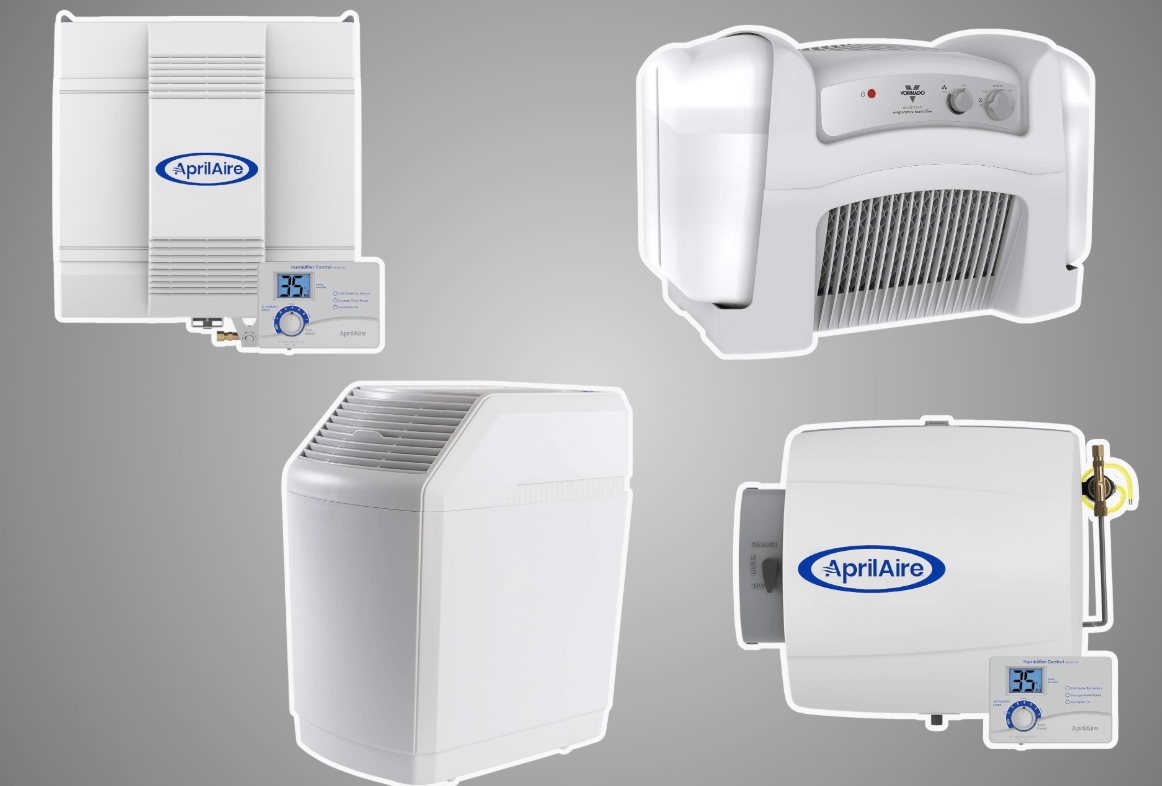
Note: This article is a fully rewritten, original buying guide based on current product information, HVAC guidance, manufacturer specifications, and reputable home-improvement review sources. It is not copied from Bob Vila or any other publication.
Dry winter air is sneaky. One day your home feels cozy; the next day your lips are cracking, your hardwood floor is making tiny horror-movie noises, and every doorknob is waiting to zap you like it has a personal grudge. That is where the best whole-house humidifiers of 2025 come in. Unlike a small bedroom humidifier that helps one room while the rest of the house remains as dry as a cracker, a whole-house humidifier is designed to raise moisture levels across a much larger area.
Bob Vila’s 2025 humidifier picks highlight a useful mix of HVAC-connected systems and freestanding console models. The big question is not simply, “Which humidifier is best?” It is, “Which humidifier is best for your home, your furnace, your square footage, your tolerance for refilling tanks, and your willingness to call an HVAC technician?” That is less catchy, but much more useful.
Most indoor air experts recommend keeping relative humidity in the 30 to 50 percent range. Too low, and you may notice dry skin, scratchy throats, static shocks, cracked wood furniture, and irritated sinuses. Too high, and the house may invite mold, mildew, dust mites, and condensation on windows. In other words, humidity is like seasoning: wonderful in the right amount, terrible when someone gets enthusiastic.
Quick Picks: Best Whole-House Humidifiers of 2025
| Category | Model | Best For |
|---|---|---|
| Best Overall | AprilAire 500 Whole-House Evaporative Humidifier | Most average homes with ducted HVAC |
| Best Value | AIRCARE Space Saver 831000 | Budget-conscious buyers who want large coverage without installation |
| Best Industrial-Style Option | Lacidoll Commercial & Industrial-Grade Humidifier | Workshops, offices, grow rooms, and very open spaces |
| Best for Small Homes | Vornado Evap40 Evaporative Humidifier | Apartments, open living areas, and smaller homes |
| Best for Hard Water / Large Homes | AprilAire 700 Whole-House Evaporative Humidifier | Larger ducted homes needing higher output |
| Best Portable Console | AIRCARE MA1201 Console Humidifier | Large homes where portability matters |
| Best Pedestal | AIRCARE EP9 Pedestal Humidifier | Homes that need humidity plus furniture-like styling |
| Best Console Furniture Style | AIRCARE Credenza 696400HB | Large rooms and homes where appearance matters |
Why Whole-House Humidifiers Matter
A whole-house humidifier is not just a “nice to have” gadget for people who alphabetize their furnace filters. In dry climates or cold winters, indoor humidity can drop sharply because heated air holds moisture differently and forced-air systems often make the problem worse. The result is a home that feels colder than the thermostat suggests, because dry air can make your skin lose moisture faster.
Balanced humidity may help reduce static electricity, protect wood floors, limit cracking in trim and furniture, and make the air feel more comfortable. It can also help with dry nasal passages and scratchy throats, though humidifiers are not medical devices and should not be treated like magic wellness cauldrons. The goal is balance, not turning the living room into a tropical rainforest with throw pillows.
Types of Whole-House Humidifiers
HVAC-Mounted Humidifiers
HVAC-mounted humidifiers connect to a home’s ductwork and typically use the furnace blower or an internal fan to distribute moisture. They are ideal for homeowners who want a set-it-and-forget-it solution. Once installed, they usually require seasonal maintenance, such as replacing a water panel or checking the drain line.
The three common types are bypass, fan-powered, and steam. Bypass models use furnace airflow and are often efficient and affordable. Fan-powered models include their own fan, which usually means better output and coverage. Steam units boil water and inject steam into the ductwork; they are powerful, but they cost more to buy, install, and run.
Console and Pedestal Humidifiers
Console humidifiers are freestanding appliances that sit inside the living space. They do not require HVAC installation, which makes them excellent for renters, older homes, homes without central ductwork, or anyone who would rather not invite a technician into the basement. The tradeoff is that you must refill them, replace wicks, and listen to the fan when it is running hard.
Pedestal and credenza-style humidifiers try to solve the “giant plastic box in the living room” problem by looking more like furniture. Some succeed better than others, but even the awkward ones deserve credit for trying. At least they are useful awkward boxes.
Best Overall: AprilAire 500 Whole-House Evaporative Humidifier
The AprilAire 500 earns its place as the best overall whole-house humidifier because it hits the sweet spot for many American homes. It is an HVAC-connected bypass evaporative humidifier with coverage commonly listed around 3,500 to 3,600 square feet in tightly constructed homes and a moisture output of about 12 gallons per day. For many medium-size homes, that is enough muscle without going full “industrial steam dragon.”
Its biggest advantage is automatic control. The system can monitor indoor humidity and respond as needed, helping the home stay within a comfortable range without daily fiddling. The digital control panel is easier to live with than old-school manual dials, and the unit’s compact design helps it fit into typical furnace rooms.
The catch is installation. Although experienced DIYers may be tempted, professional installation is usually the smarter route, especially because ductwork, a water line, drainage, and electrical connections may be involved. Once installed properly, however, the AprilAire 500 is one of the most practical long-term choices for homeowners who want whole-home comfort with minimal daily effort.
Best Bang for the Buck: AIRCARE Space Saver 831000
The AIRCARE Space Saver 831000 is a strong value pick because it offers large-home coverage without requiring ductwork surgery. It is a freestanding evaporative humidifier rated for up to about 2,700 square feet, with a 6-gallon reservoir and runtime up to roughly 70 hours under favorable conditions. Translation: you will still refill it, but not every time you walk past it.
This model includes digital controls, an adjustable humidistat, three fan speeds, refill alerts, and a check-filter indicator. Casters make it easier to move, which matters because six gallons of water is not exactly featherweight. It is a practical choice for open floor plans, single-level homes, and buyers who want a serious humidity boost without paying for HVAC installation.
Its drawbacks are typical of console units. On higher fan settings, it can be noticeable. The display may be brighter than some people prefer in a dark room. And like all evaporative consoles, it needs wick replacement. Still, for the price and coverage, it is a very sensible pick.
Best Industrial-Style Option: Lacidoll Commercial & Industrial-Grade Humidifier
The Lacidoll commercial-style humidifier is the oddball of the group, and we mean that affectionately. It is not an HVAC-mounted system and it is not a traditional wick-based console humidifier. It is a large-capacity cool-mist unit designed for big open spaces such as offices, workshops, greenhouses, and commercial-style rooms.
With a tank around 5.5 gallons and high mist output, it can push moisture into spaces that would overwhelm a smaller bedroom humidifier. Many versions include remote controls, timer settings, multiple mist levels, and extension tubes or nozzles that help direct output. For plant lovers, workshop owners, or anyone managing a big open area, that flexibility is appealing.
However, ultrasonic and cool-mist units require careful maintenance. If used with hard tap water, they may create mineral dust. If overused, they may make nearby surfaces damp. This is not the best pick for someone who wants invisible, ducted, automatic humidity. It is best for users who are comfortable monitoring humidity with a hygrometer and cleaning the unit regularly.
Best for Small Homes: Vornado Evap40 Evaporative Humidifier
The Vornado Evap40 is a good fit for smaller homes, apartments, and large open rooms. It has a 4-gallon capacity, three fan speeds, adjustable humidistat control, and coverage commonly listed up to about 1,000 square feet. It uses Vornado’s signature airflow approach to circulate humidified air more evenly through a space.
This model is not a true ducted whole-house humidifier, but for a small open home or apartment, it can feel like one. Two removable tanks make refilling manageable, and evaporative operation means it naturally becomes less aggressive as the air reaches a comfortable moisture level. That self-regulating quality is one reason evaporative humidifiers remain popular.
The downside is that the Evap40 needs wick replacement, and it does not have the same coverage as larger AIRCARE or AprilAire models. If your home has many closed rooms or multiple levels, it will not perform miracles. But for a compact space, it is simple, effective, and refreshingly free of unnecessary smart-home theatrics.
Best for Hard Water and Large Homes: AprilAire 700
The AprilAire 700 is a fan-powered whole-house evaporative humidifier built for larger homes. It is commonly rated for up to about 5,300 square feet in tightly built homes and up to 18 gallons per day of moisture output. That makes it a more powerful option than the AprilAire 500 and a better fit for bigger houses, dry climates, or homes that need extra help maintaining humidity.
Because it is fan-powered, it does not rely as heavily on furnace bypass airflow. That can mean stronger performance, especially when the system needs to add moisture quickly. It also uses ordinary household water and a replaceable water panel that captures minerals before the moisture enters the air stream.
The AprilAire 700 is not the cheapest option, and professional installation is strongly recommended. The water panel should be replaced regularly, often annually, and more often in hard-water areas. Still, if your home is large and your winter air is brutally dry, this model is one of the most capable choices in the category.
Best Portable Console: AIRCARE MA1201
The AIRCARE MA1201 is a classic large-console evaporative humidifier with a strong reputation for practical performance. It is rated for up to about 3,600 square feet, uses a 3.6-gallon tank, and can run up to around 36 hours depending on fan speed and conditions. It includes digital controls, an adjustable humidistat, four fan speeds, refill indicators, wick alerts, casters, and automatic shutoff.
The MA1201 is useful for homeowners who want big coverage but do not want to modify their HVAC system. It is also helpful in older homes where ductwork does not distribute air evenly. Place it in a central location, keep interior doors open when possible, and it can make a meaningful difference.
Its main compromise is refilling frequency. A 3.6-gallon tank is respectable, but in a dry home, the unit may drink water like it just finished mowing the lawn in July. Even so, the MA1201 remains one of the better portable whole-house humidifier options for coverage, price, and ease of use.
Best Pedestal: AIRCARE EP9 Pedestal Humidifier
The AIRCARE EP9 pedestal humidifier is for people who want moisture without making the living room look like a utility closet. It is rated for up to about 2,400 square feet, has a 3.5-gallon tank, and can run up to about 60 hours under the right conditions. Its top can even accept a 12-inch-by-12-inch tile, which is a charmingly specific design feature that says, “Yes, I humidify, but I also accessorize.”
This unit includes digital controls, multiple fan speeds, an adjustable humidistat, refill alerts, and automatic shutoff. It works especially well in apartments, small houses, guest areas, and open main floors. Like other console units, it performs best when air can move freely from room to room.
The EP9 is not silent at high speed, and the tank is not as large as some boxier models. But for buyers who care about appearance, it offers a nice middle ground between performance and decor.
Best Console Furniture Style: AIRCARE Credenza 696400HB
The AIRCARE Credenza 696400HB is one of the most powerful furniture-style console humidifiers on the list. It is rated for up to about 3,600 square feet, has a 5.6-gallon capacity split between twin tanks, and offers runtime up to around 45 hours. It also includes a humidistat, automatic shutoff, refill indicators, and multiple fan speeds.
The appeal is obvious: it can serve as a functional appliance while blending into a traditional room better than a plain plastic tower. The wood-grain look will not fool a master carpenter, but it is more living-room-friendly than many large humidifiers.
The downside is size. This is a substantial unit, and while some versions include casters, it is still not something you casually relocate during a commercial break. For large open living areas, however, it offers strong output and decent style in one package.
How to Choose the Right Whole-House Humidifier
Match the Unit to Your Square Footage
Coverage ratings are useful, but they are not promises carved into stone. A tightly built, well-insulated home will hold humidity better than a drafty house with leaky windows. Open floor plans are easier for console units. Closed bedrooms, second floors, and long hallways are harder. When in doubt, choose a model with a little more capacity than you think you need, especially if your home is older.
Decide Whether You Want Installation or Refilling
HVAC-mounted humidifiers cost more upfront and may require professional installation, but they save you from daily tank refills. Console humidifiers are cheaper and easier to set up, but they need water, wick replacements, and cleaning. This is the great humidifier bargain: pay with money now or pay with pitcher trips later.
Use a Hygrometer
A hygrometer is an inexpensive tool that measures indoor relative humidity. It is one of the smartest accessories you can buy with any humidifier. Built-in humidistats are helpful, but an independent reading lets you confirm what is actually happening in the room. Aim for the 30 to 50 percent range and reduce output if you see condensation on windows or damp spots near the unit.
Plan for Maintenance
Every humidifier needs maintenance. Evaporative consoles need wick changes. HVAC units need water panel replacement. Steam units need canister service. Ultrasonic units need frequent cleaning and may require distilled or demineralized water to reduce mineral dust. A neglected humidifier can become gross quickly, and “gross quickly” is not a feature anyone wants on the box.
Real-World Experience: What Living With a Whole-House Humidifier Is Actually Like
The first thing people usually notice after adding a whole-house humidifier is not dramatic. The walls do not sparkle. The thermostat does not sing. Instead, the home simply stops feeling so harsh. Mornings may feel less scratchy. Static shocks become less frequent. Wood furniture seems calmer, as if the dining table finally stopped holding a grudge against February.
With HVAC-mounted models like the AprilAire 500 or AprilAire 700, the biggest experience difference is convenience. Once the system is installed and dialed in, you do not think about it much. That is the point. The humidifier works in the background while the furnace distributes air through the ducts. For busy households, this is the most civilized option. You still need annual maintenance, but you are not carrying water across the house in pajamas at 11 p.m.
Console humidifiers create a more hands-on relationship. The AIRCARE Space Saver, MA1201, EP9, and Credenza models can do impressive work, but they become part of the rhythm of the house. You learn how quickly the tank empties. You learn which fan speed is tolerable during TV time. You learn that refilling before bed is better than waking up to a dry tank and a blinking indicator light that feels mildly judgmental.
Placement matters more than many buyers expect. A console unit tucked into a corner behind a chair will not perform as well as one placed in a central area with good airflow. Open doors help. Ceiling fans on low can help. A furnace fan set to circulate may help distribute moisture, depending on the home. The goal is not to blast mist at one sofa cushion; it is to let air move naturally.
Noise is another real-world factor. Manufacturers may describe units as quiet, and some are genuinely reasonable, but any fan-driven humidifier becomes more noticeable at higher speeds. For bedrooms, lower settings are usually better. For daytime whole-house use, higher speeds may be fine. The trick is to run the unit harder when the room is active and lower it when the house gets quiet.
Hard water changes the experience. In areas with mineral-heavy water, wicks and water panels may need more frequent replacement. Ultrasonic models may leave white dust if used with untreated tap water. Evaporative models are generally more forgiving because the wick traps many minerals, but that also means the wick is doing dirty work and should be replaced on schedule.
The most common mistake is over-humidifying. People feel dry, buy a powerful humidifier, crank it up, and celebrate until condensation appears on the windows. That is the house politely saying, “Please stop making soup in the air.” Too much moisture can encourage mold and damage surfaces. A hygrometer prevents this problem and turns humidifier ownership from guesswork into simple monitoring.
In daily life, the best whole-house humidifier is the one you will actually maintain. A professionally installed AprilAire is excellent for homeowners who want convenience. An AIRCARE console is excellent for renters or budget shoppers who do not mind refilling tanks. A Vornado Evap40 is ideal for smaller spaces. A Lacidoll makes sense for large, open, specialized areas where flexible mist output is useful. The right pick is not always the biggest or most expensive; it is the one that fits your house without creating a new hobby called “humidifier management.”
Final Verdict
For most homeowners with ducted HVAC, the AprilAire 500 is the best overall whole-house humidifier of 2025 because it offers strong coverage, automatic humidity control, and a compact design at a reasonable long-term value. For larger homes or more demanding dry-air conditions, the AprilAire 700 is the stronger upgrade. For buyers who want no-installation convenience, the AIRCARE Space Saver 831000 and AIRCARE MA1201 offer impressive coverage for the money.
If you live in a smaller home or apartment, the Vornado Evap40 may be enough. If design matters, the AIRCARE EP9 Pedestal and Credenza models are more furniture-friendly. And if you are managing a workshop, greenhouse, office, or big open space, the Lacidoll commercial-style humidifier brings flexible high-output misting to the table.
The smartest choice is the one that matches your square footage, air circulation, water quality, maintenance habits, and patience for refilling tanks. Keep indoor humidity in the healthy range, maintain the unit properly, and your home can feel warmer, calmer, and less like a desert wearing drywall.