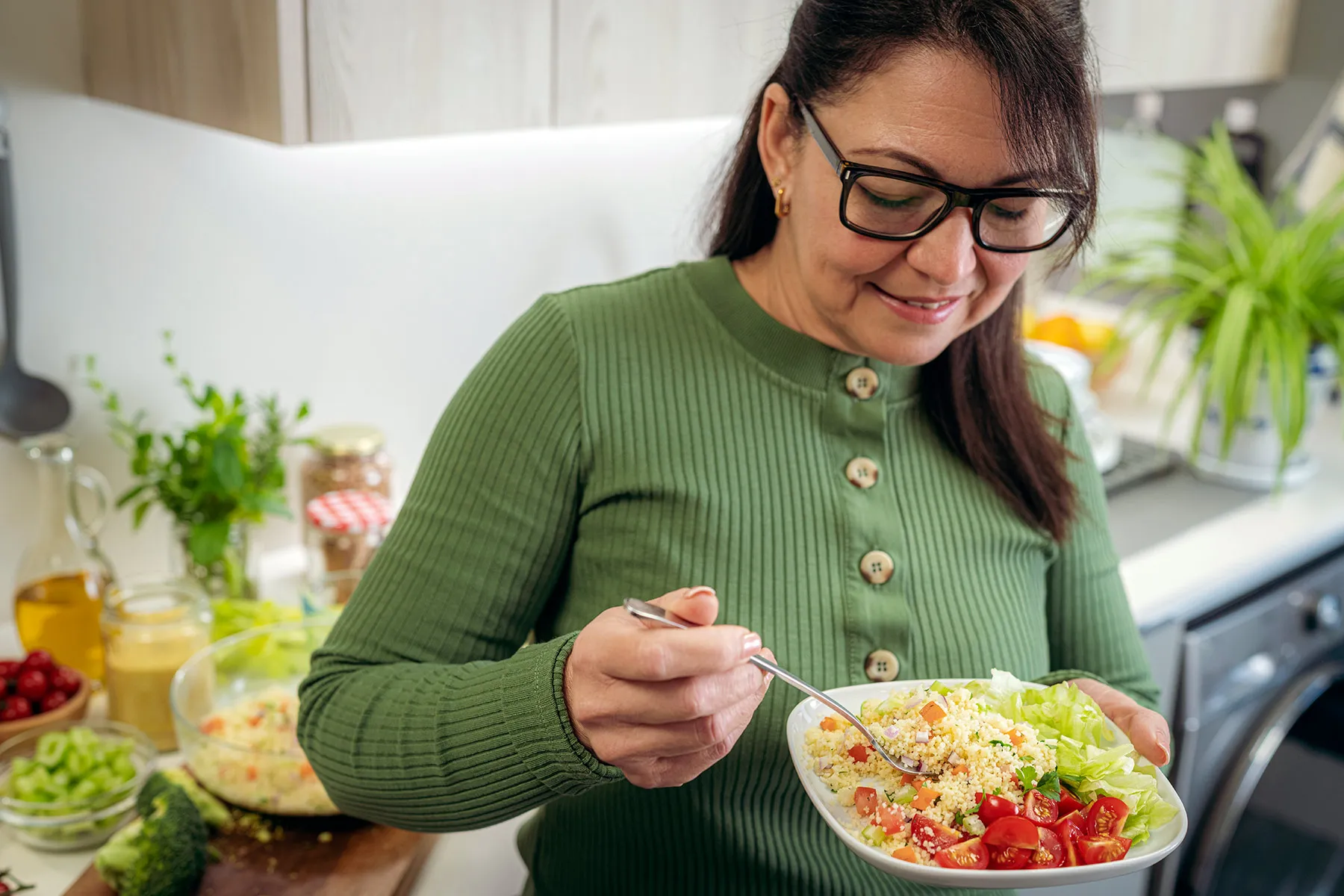
Finishing cancer treatment can feel like stepping off a roller coaster while still holding the safety bar. You are relieved, exhausted, hopeful, and maybe staring into your refrigerator wondering, “Okay, what now?” A post-cancer diet is not about eating one magical berry, drinking suspicious green sludge, or banning joy from the kitchen. It is about building a steady, nourishing eating pattern that supports recovery, helps maintain strength, lowers the risk of other chronic diseases, and may help reduce the chance of cancer recurrence.
Let’s be clear from the first bite: no diet can guarantee cancer will not return. Cancer is far too complicated to be bossed around by a salad. But food choices do matter. Research-backed survivorship guidelines consistently point toward a plant-forward diet rich in vegetables, fruits, whole grains, beans, nuts, seeds, and lean proteins, while limiting processed meats, excess alcohol, sugary drinks, refined grains, and highly processed foods.
This guide explains what to eat after cancer treatment, what to limit, how to build realistic meals, and how to make food feel friendly again if treatment changed your appetite, digestion, taste, or energy. Think of it as a practical kitchen map for life after treatmentno guilt, no gimmicks, and absolutely no need to pretend cauliflower crust is pizza if your heart knows the truth.
What Is a Post-Cancer Diet?
A post-cancer diet is an eating pattern designed to support long-term health after a cancer diagnosis and treatment. It focuses on nutrient-dense foods that help the body recover, protect muscle, support immune function, and reduce inflammation associated with chronic disease risk.
Instead of a strict “cancer survivor meal plan” with impossible rules, the best approach is flexible and sustainable. A healthy survivorship diet generally includes:
- Vegetables and fruits in a variety of colors
- Whole grains such as oats, brown rice, quinoa, barley, and whole wheat
- Plant proteins such as beans, lentils, chickpeas, tofu, tempeh, nuts, and seeds
- Lean animal proteins such as fish, poultry, eggs, and low-fat or moderate dairy if tolerated
- Healthy fats from olive oil, avocado, nuts, seeds, and fatty fish
- Plenty of fluids, especially water
Most importantly, it should fit your body, your treatment history, your culture, your budget, and your actual life. A diet that only works when Mercury is in retrograde and you have three hours to roast vegetables is not a plan; it is a hostage situation.
Can Food Help Prevent Cancer Recurrence?
Food is not medicine in the same way chemotherapy, radiation, immunotherapy, surgery, or hormone therapy are medicine. But diet is part of the larger survivorship picture. Healthy eating patterns may help improve energy, support weight management, preserve muscle, lower the risk of heart disease and diabetes, and may contribute to lower recurrence risk for some cancers.
The strongest guidance is not about single “superfoods.” It is about patterns. A daily plate filled mostly with whole plant foods tends to provide fiber, vitamins, minerals, antioxidants, and phytochemicals that work together. Your body likes teamwork. It is less impressed by a $49 bottle of miracle capsules with a label designed by a thunderstorm.
The Big Picture: Eat More Plants, Not Just More Salad
Plant-forward eating does not mean you must become vegan unless you want to. It means vegetables, fruits, beans, lentils, whole grains, nuts, and seeds become the foundation of your meals. Animal foods, if included, play a smaller supporting role.
A simple visual rule is the “two-thirds plate” idea: fill at least two-thirds of your plate with plant foods and one-third or less with animal protein. For example, dinner might be roasted salmon with quinoa, sautéed spinach, and chickpeas. Or a turkey and black bean chili loaded with tomatoes, peppers, onions, corn, and spices. Or a tofu stir-fry with brown rice and enough vegetables to make your cutting board feel employed.
The Best Foods to Eat After Cancer Treatment
1. Colorful Vegetables and Fruits
Vegetables and fruits provide fiber, potassium, vitamin C, folate, carotenoids, flavonoids, and many other plant compounds linked with better overall health. Aim for color variety: leafy greens, orange carrots, red tomatoes, purple cabbage, blueberries, citrus, squash, peppers, mushrooms, onions, and cruciferous vegetables like broccoli, cauliflower, Brussels sprouts, and kale.
Color is not just pretty; it is information. Deep orange foods often provide carotenoids. Blue and purple foods may contain anthocyanins. Tomatoes bring lycopene. Cruciferous vegetables provide sulfur-containing compounds. You do not need to memorize the chemistry. Just eat the rainbowand no, rainbow candy does not count, though nice try.
2. Whole Grains for Fiber and Steady Energy
Whole grains keep the bran, germ, and endosperm, which means more fiber, minerals, and beneficial plant compounds than refined grains. Good choices include oats, quinoa, brown rice, farro, barley, bulgur, whole wheat pasta, wild rice, and 100% whole grain bread.
Fiber is a quiet hero in a post-cancer diet. It supports gut health, helps with regular bowel movements, supports healthy cholesterol and blood sugar, and may help with weight management by keeping meals satisfying. If treatment affected your digestion, increase fiber gradually and drink enough fluids. Your gut appreciates diplomacy.
3. Beans, Lentils, Soy Foods, Nuts, and Seeds
Plant proteins are excellent choices because they bring protein plus fiber, minerals, and phytonutrients. Beans, lentils, chickpeas, split peas, edamame, tofu, tempeh, peanuts, almonds, walnuts, chia seeds, flaxseed, and pumpkin seeds can all fit into a recurrence prevention diet.
Soy foods deserve a special note, especially for breast cancer survivors. Whole soy foods such as tofu, tempeh, soy milk, and edamame are generally considered safe for many survivors and can be part of a healthy diet. However, high-dose soy supplements are not the same thing as food. Before using supplements, especially after hormone-sensitive cancers, ask your oncology team.
4. Lean Proteins to Rebuild Strength
Protein helps repair tissue, support immune function, and maintain muscle mass. This is especially important after surgery, chemotherapy, radiation, or long periods of low appetite. Choose fish, poultry, eggs, Greek yogurt, cottage cheese, beans, lentils, tofu, and nuts. If you eat red meat, keep portions modest and choose minimally processed options.
A practical meal example: a bowl with brown rice, grilled chicken or tofu, roasted broccoli, black beans, salsa, avocado, and lime. It is balanced, colorful, protein-rich, and does not require a culinary degree or a dramatic cooking montage.
5. Healthy Fats
Healthy fats help with satiety and flavor. Extra-virgin olive oil, avocado, nuts, seeds, and fatty fish such as salmon, sardines, trout, and herring are smart choices. These foods can support heart health, which matters because many cancer survivors are also watching long-term cardiovascular risk.
Use fats as flavor builders: olive oil on roasted vegetables, walnuts in oatmeal, avocado on whole grain toast, or tahini in a lemony dressing. Healthy eating should taste like food, not punishment.
Foods and Drinks to Limit for Recurrence Prevention
Processed Meats
Processed meats include bacon, sausage, hot dogs, ham, pepperoni, beef jerky, deli meats, and meats preserved by smoking, curing, salting, or added preservatives. These foods are strongly linked with colorectal cancer risk and are best avoided or kept rare in a post-cancer diet.
Instead of deli meat sandwiches, try tuna salad with Greek yogurt, hummus and roasted vegetables, egg salad on whole grain bread, leftover chicken, or mashed chickpeas with lemon and herbs.
Too Much Red Meat
Red meat includes beef, pork, and lamb. You do not necessarily need to ban it forever, but it should not be the main character at every meal. When you do eat red meat, keep portions small, choose lean cuts, and avoid charring or heavily smoking it. Swap in beans, fish, poultry, tofu, or lentils more often.
Alcohol
Alcohol is linked with increased risk of several cancers, including breast, colorectal, liver, mouth, throat, and esophageal cancers. For cancer prevention, the safest choice is not drinking. If you do drink, talk with your care team about what is appropriate for your cancer type, medications, liver health, and personal risk factors.
For a social substitute, try sparkling water with citrus, iced green tea with mint, kombucha in small amounts if tolerated, or a mocktail made with pomegranate juice, lime, and seltzer. Tiny umbrella optional but emotionally recommended.
Sugary Drinks and Highly Processed Foods
Soda, sweet tea, energy drinks, candy, pastries, chips, fast food, and many packaged snacks can crowd out more nourishing foods and contribute to weight gain when eaten often. Sugar itself does not “feed cancer” in the simplistic way online rumors claim. All cells use glucose. The real issue is that high-sugar, low-nutrient diets can make it harder to maintain a healthy weight and support metabolic health.
Choose water, unsweetened tea, fruit-infused water, plain yogurt with berries, nuts, roasted chickpeas, fruit with peanut butter, or whole grain toast when you need a snack with staying power.
Weight, Muscle, and Metabolism After Cancer
After treatment, some survivors lose weight unintentionally because of nausea, mouth sores, taste changes, swallowing problems, digestive changes, or anxiety. Others gain weight due to hormone therapy, steroids, fatigue, menopause, reduced activity, or emotional eating. Both situations deserve compassion, not shame.
The goal is not to chase a perfect number on the scale. The goal is to support a healthy body composition, preserve or rebuild muscle, and avoid excess body fat when possible. Muscle matters because it supports strength, balance, metabolism, immune health, and independence.
If You Are Losing Weight Without Trying
Prioritize calories and protein. Eat small meals every two to three hours. Add nut butter to toast or smoothies, olive oil to vegetables, avocado to bowls, Greek yogurt to sauces, and beans or eggs to soups. If solid food feels impossible, smoothies, soups, fortified shakes, and soft foods can help.
If You Are Gaining Weight After Treatment
Focus on structure, not restriction. Build meals around protein, vegetables, high-fiber carbohydrates, and healthy fats. Reduce sugary drinks, alcohol, and frequent ultra-processed snacks. Add gentle movement if cleared by your healthcare team. Crash diets are especially unhelpful after cancer; your body has already been through enough drama.
Managing Common Eating Problems After Cancer Treatment
Taste Changes
If food tastes metallic, try plastic utensils, glass cookware, lemon, vinegar, herbs, ginger, or marinades. Cold foods may smell less intense than hot foods. If meat tastes strange, try eggs, dairy, beans, tofu, fish, or smoothies for protein.
Dry Mouth
Use sauces, broths, gravies, yogurt, hummus, or olive oil-based dressings to moisten foods. Sip water regularly, try sugar-free gum if appropriate, and ask your care team about saliva substitutes.
Digestive Changes
After gastrointestinal cancers, abdominal radiation, surgery, or certain medications, digestion may be unpredictable. Keep a food and symptom journal. Some people need lower-fiber foods temporarily; others do better with smaller meals. A registered dietitian can help personalize your plan.
A Simple Post-Cancer Meal Plan Example
Breakfast
Oatmeal with blueberries, ground flaxseed, walnuts, and plain Greek yogurt. Add cinnamon for flavor and a little honey if needed.
Lunch
Whole grain wrap with hummus, roasted vegetables, spinach, cucumber, and grilled chicken or tofu. Serve with fruit.
Snack
Apple slices with peanut butter, or cottage cheese with berries, or roasted chickpeas with spices.
Dinner
Salmon or lentil patties with quinoa, roasted Brussels sprouts, and a side salad with olive oil and lemon dressing.
Dessert
Baked cinnamon apples, chia pudding, or a square of dark chocolate with strawberries. A survivorship diet is allowed to have dessert. Your broccoli will cope.
Supplements: Helpful, Harmful, or Just Expensive?
Many cancer survivors wonder whether supplements can prevent recurrence. In general, major cancer nutrition guidance recommends getting nutrients from food first rather than relying on high-dose supplements for cancer prevention. Whole foods provide complex combinations of nutrients that work together. Supplements isolate one piece of the puzzle and sometimes turn it into a very pricey question mark.
That does not mean all supplements are bad. Vitamin D, B12, iron, calcium, or other supplements may be appropriate if you have a deficiency, follow a restricted diet, have absorption issues, or take medications that affect nutrient levels. The key is personalization. Ask your oncologist, primary care clinician, pharmacist, or registered dietitian before taking supplements, especially antioxidants, herbal products, or high-dose formulas during or after treatment.
Practical Grocery List for a Cancer Survivorship Diet
- Vegetables: spinach, kale, broccoli, carrots, peppers, mushrooms, tomatoes, squash, onions
- Fruits: berries, oranges, apples, bananas, pears, melon, grapes
- Whole grains: oats, brown rice, quinoa, barley, whole wheat pasta, whole grain bread
- Proteins: lentils, beans, chickpeas, tofu, eggs, fish, chicken, turkey, Greek yogurt
- Healthy fats: olive oil, avocado, walnuts, almonds, chia seeds, flaxseed
- Flavor boosters: garlic, ginger, herbs, citrus, vinegar, spices, low-sodium broth
Experience-Based Tips: What Survivors Often Learn in the Real World
One of the biggest lessons many survivors learn is that eating after cancer is emotional. Food may carry memories of nausea, hospital rooms, metallic tastes, or well-meaning relatives arriving with casseroles large enough to require zoning approval. It is normal if your relationship with food feels different. Recovery is not just about nutrients; it is about trust. You are learning to trust your appetite, your body, and your daily routines again.
A helpful experience-based approach is to start with “anchor meals.” These are simple, reliable meals you can repeat when decision fatigue hits. For example, oatmeal with fruit for breakfast, soup with beans and vegetables for lunch, and a sheet-pan dinner with fish or tofu and vegetables. Anchor meals reduce stress because you do not have to reinvent dinner every night like you are competing on a cooking show with your energy level as the villain.
Another common lesson: convenience matters. Survivors often feel pressure to cook everything from scratch, but healthy shortcuts are not cheating. Frozen vegetables, canned beans, pre-washed greens, rotisserie chicken, microwave brown rice, tuna packets, jarred salsa, and plain yogurt can help build nourishing meals quickly. The goal is not culinary perfection. The goal is consistent nourishment.
Many people also discover that protein needs attention. After treatment, appetite may return before strength does. Including protein at each mealeggs at breakfast, lentils at lunch, fish at dinner, yogurt or nuts as snackscan help support muscle repair. Pairing protein with fiber-rich carbohydrates can also keep energy steadier.
Social eating can be tricky. Friends may say, “Just have one drink,” or “A little bacon won’t hurt,” and technically one choice does not define your health. But survivorship often brings a new desire to protect your body. Practice simple responses: “I feel better eating this way,” “My doctor wants me to limit alcohol,” or “I’m focusing on foods that help me recover.” You do not owe anyone a courtroom defense of your plate.
Finally, survivors often learn that flexibility is what keeps healthy eating alive. Some days you will make a colorful grain bowl. Some days dinner will be scrambled eggs and toast. Some days vegetables will be a handful of baby carrots eaten while standing near the sink like a tired but determined raccoon. That still counts. A recurrence prevention diet is built by patterns over time, not by one perfect meal.
Conclusion
Eating for recurrence prevention is not about fear. It is about giving your body steady support after everything it has carried you through. A strong post-cancer diet emphasizes colorful plant foods, whole grains, beans, lean proteins, healthy fats, and enough calories and protein to maintain strength. It limits processed meats, excess red meat, alcohol, sugary drinks, and highly processed foodsnot because food should be scary, but because your everyday pattern can help stack the odds toward better long-term health.
Work with your oncology team and a registered dietitian whenever possible, especially if you have weight changes, digestive symptoms, swallowing trouble, food restrictions, diabetes, kidney disease, or ongoing treatment side effects. The best diet after cancer is not the strictest one. It is the one that is evidence-informed, personalized, enjoyable, and realistic enough to follow on a random Tuesday when the dishwasher is full and your motivation is wearing pajamas.