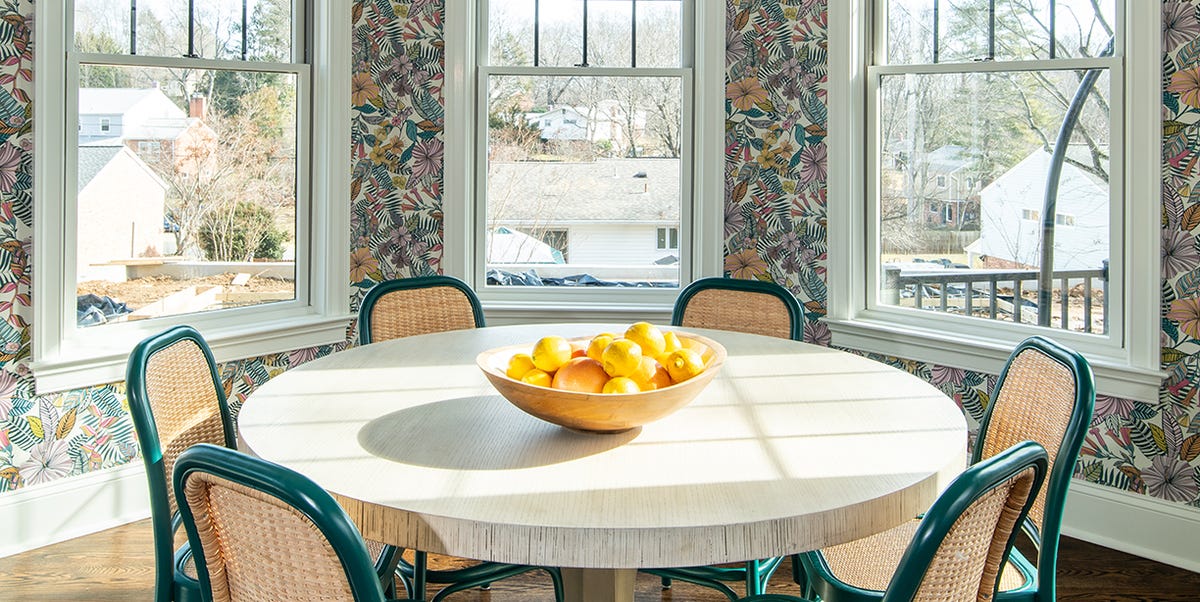
A dining room is not just a place where forks politely clink against plates. It is where birthday candles get blown out, awkward holiday conversations get redirected toward dessert, and someone inevitably says, “I’ll just have a small piece,” before taking the slice of cake shaped like a doorstop. Whether you have a formal dining room, a tiny breakfast nook, an open-plan dining area, or a table squeezed between the kitchen and the “why do we own this chair?” corner, the right design can make the space feel welcoming, stylish, and genuinely useful.
The best dining room ideas balance beauty with real life. A gorgeous table is wonderful, but not if nobody can pull out a chair without performing advanced yoga. Dramatic lighting is fabulous, but not if guests feel like they are being questioned by detectives. Smart dining room design starts with layout, scale, comfort, lighting, storage, color, texture, and personality. Below are 90 unique dining room ideas, layouts, and decorating tips to help you create a space that looks polished, feels comfortable, and works for weeknight noodles as well as Thanksgiving-level plate traffic.
Dining Room Layout Ideas That Actually Work
1. Start With the Table as the Anchor
Your dining table is the main character. Choose its shape and size before buying chairs, rugs, lighting, or storage. A rectangular table suits long rooms, while a round or oval table softens tight spaces and encourages conversation.
2. Leave Room to Move
Give chairs enough space to slide back comfortably. A good rule is to leave about three feet around the table whenever possible. Your guests should not need to apologize to the wall every time they stand up.
3. Use a Round Table in Small Rooms
Round tables are excellent for breakfast nooks, apartments, and square rooms. They remove sharp corners, improve flow, and make every seat feel equal. Nobody gets stuck as the “end of the table executive.”
4. Try an Oval Table for Narrow Spaces
An oval table gives you the length of a rectangle with the softness of a circle. It works beautifully in narrow dining rooms because the curved edges make movement feel easier.
5. Float the Table Instead of Pushing It Against the Wall
Unless your space is extremely tight, avoid shoving the table into a corner. Centering the table under a light fixture instantly makes the room feel intentional, not like furniture storage with appetizers.
6. Create Zones in Open-Concept Rooms
In an open kitchen, living, and dining layout, use a rug, pendant light, ceiling treatment, or sideboard to visually define the dining area. The goal is to say, “This is the dining room,” without building a wall and annoying everyone.
7. Choose a Banquette for Tight Corners
A built-in or freestanding banquette can turn an awkward corner into a cozy dining spot. Add storage underneath and suddenly your seating is also hiding table linens, board games, or the emergency snack stash.
8. Use Benches Carefully
Benches can save space and create casual charm, but they are best for family dining or short meals. For long dinner parties, chairs with backs are kinder to guests and their spines.
9. Mix Chair Styles With Intention
Mismatched chairs look stylish when they share something in common: color, wood tone, height, shape, or upholstery. Random chairs can look charming; completely unrelated chairs can look like a yard sale lost a bet.
10. Add Host Chairs at the Ends
For rectangular tables, place upholstered or slightly larger chairs at the ends. This adds structure, formality, and a designer look without replacing the whole set.
Furniture Ideas for Comfort and Style
11. Invest in a Quality Dining Table
A good table can last for decades. Solid wood, stone, metal, and durable veneers all have their place, but the best choice depends on your lifestyle. Families may prefer forgiving finishes; formal hosts may love polished drama.
12. Pick Chairs You Can Sit In for Two Hours
Looks matter, but comfort wins. Test seat depth, back angle, and cushioning. A chair should support conversation, not make guests silently calculate how soon they can stand near the cheese board.
13. Use Slim Chairs for Small Dining Rooms
Open-back chairs, spindle chairs, and chairs with thin legs reduce visual bulk. They make the room feel lighter while still giving you enough seating.
14. Add a Sideboard or Credenza
A sideboard provides storage, serving space, and a place to style lamps, art, flowers, or a tray of drinks. It is the dining room’s reliable best friend.
15. Choose Closed Storage for Clutter
Open shelves are lovely when styled well, but closed cabinets hide the less glamorous reality of napkin rings, extra candles, placemats, and serving pieces shaped like pumpkins.
16. Use a Bar Cabinet Instead of a Bar Cart
Bar carts can be fun, but cabinets look cleaner and more permanent. They also hide bottles and glassware when you want the room to feel calm.
17. Add a Console Behind a Floating Dining Area
In open layouts, a console table can create a boundary between dining and living zones. Style it with lamps or art to make the dining space feel finished.
18. Try Stackable or Folding Chairs for Extra Guests
If you entertain occasionally, store attractive folding chairs in a closet. Your daily dining room can stay spacious while still being ready for surprise cousins.
19. Choose Extendable Tables for Flexible Hosting
An extendable table is perfect for homes that switch between everyday dinners and big gatherings. Keep the room airy most days, then expand when the lasagna population increases.
20. Consider a Pedestal Base
Pedestal tables allow more flexible seating because there are no corner legs in the way. They are especially helpful with round and oval designs.
Lighting Ideas That Set the Mood
21. Hang a Statement Chandelier
A chandelier acts like jewelry for the dining room. Choose one that complements your table shape: linear fixtures for rectangular tables, round chandeliers for circular tables, and sculptural pieces for dramatic rooms.
22. Keep Lighting Low Enough to Feel Intimate
Dining lights usually look best when hung low enough to connect with the table, but not so low that guests need to dodge it while passing the potatoes.
23. Use Dimmers
A dimmer switch may be the smallest upgrade with the biggest impact. Bright for homework, medium for dinner, low for guests, very low for hiding the fact that dessert came from a box.
24. Add Wall Sconces
Sconces create layered lighting and free up surface space. They work especially well beside mirrors, artwork, or built-in cabinets.
25. Place Lamps on a Sideboard
Table lamps add warmth and make the dining room feel less like a showroom. Use them to soften overhead lighting and create a cozy glow.
26. Try a Pair of Pendants
Two pendant lights can balance a long table beautifully. Keep spacing even and make sure the fixtures do not visually crowd the room.
27. Use Natural Light Wisely
Sheer curtains, high-hung drapes, and light-filtering shades help maximize daylight. Natural light makes colors, wood tones, and food look better. Yes, even the slightly overcooked chicken.
28. Avoid Overly Bright Bulbs
Cool, harsh bulbs can make dinner feel like a dental appointment. Choose warm, flattering light for a more relaxed dining experience.
29. Highlight Artwork With Picture Lights
A picture light above artwork adds sophistication and makes the room feel curated. It is a small detail that whispers “designer,” but in a polite indoor voice.
30. Light the Corners
Dark corners make a room feel smaller. Add a floor lamp, sconce, or small accent light to create depth and balance.
Wall, Color, and Paint Ideas
31. Paint the Dining Room a Bold Color
Because dining rooms are often used for shorter periods than kitchens or living rooms, they are great places to take color risks. Deep blue, rich green, terracotta, burgundy, and charcoal can feel elegant and memorable.
32. Try a Warm Neutral Palette
Cream, taupe, oatmeal, mushroom, and soft gray create a calm backdrop that works with many styles. Add texture so the room does not become beige soup.
33. Use the 60-30-10 Color Rule
Let one color dominate, use a secondary color for furniture or textiles, and finish with a smaller accent color. This keeps the room cohesive without making everything match too perfectly.
34. Add Wallpaper for Personality
Wallpaper can turn a plain dining room into a conversation starter. Botanicals, grasscloth, murals, stripes, and geometric prints all work depending on your style.
35. Wallpaper the Ceiling
A ceiling treatment adds surprise and drama. It works especially well in small dining rooms, where a bold ceiling can make the space feel designed from top to bottom.
36. Paint Trim the Same Color as the Walls
Color-drenching walls, trim, and doors can make a room feel taller, calmer, and more custom. It is also a clever way to reduce visual choppiness.
37. Add Wainscoting or Panel Molding
Wall molding gives dining rooms architectural depth. Paint it the same color as the wall for subtle texture or use contrast for a more traditional look.
38. Use a Mural for Drama
A scenic mural can make the dining room feel transportive. Suddenly dinner is not just Tuesday pasta; it is Tuesday pasta in a dreamy garden, forest, or coastal landscape.
39. Hang Oversized Art
One large artwork often looks cleaner than many tiny frames. It creates a focal point and makes the room feel confident.
40. Create a Gallery Wall
If you love collected style, a gallery wall can make the dining room personal. Mix family photos, vintage prints, sketches, and small objects for character.
Rug, Flooring, and Texture Ideas
41. Choose a Rug Large Enough for Chairs
A dining room rug should extend beyond the table so chairs remain on the rug when pulled out. If chairs catch on the rug edge, dinner becomes a tiny obstacle course.
42. Use Washable Rugs for Family Dining
Washable or easy-clean rugs are practical for homes with kids, pets, or enthusiastic sauce users. Beauty is nice; surviving spaghetti night is nicer.
43. Try a Flat-Weave Rug
Low-pile and flat-weave rugs are easier for chairs to move across. They also collect fewer crumbs than thick, shaggy rugs.
44. Layer Texture With Upholstery
Upholstered chairs, linen curtains, woven shades, and textured rugs soften sound and make conversations more pleasant.
45. Add Natural Materials
Wood, rattan, cane, jute, stone, linen, and clay bring warmth to dining rooms. These materials keep formal spaces from feeling stiff.
46. Use Contrast Underfoot
A dark table on a light rug or a pale table on darker flooring creates visual balance. Contrast helps furniture stand out without shouting.
47. Keep Floors Clear in Small Spaces
Too many baskets, plant stands, and extra chairs can make a dining room feel cramped. Edit the floor area first if the room feels chaotic.
48. Add a Rug Pad
A rug pad prevents slipping, adds comfort, and protects floors. It is not glamorous, but neither is chasing a rug across the room.
49. Use Pattern Strategically
A patterned rug hides spills and adds personality. Keep other patterns calmer if the rug is bold.
50. Warm Up Tile or Concrete Floors
If your dining area has hard flooring, soften it with rugs, upholstered seating, curtains, and warm wood furniture.
Decorating Tips for Personality and Polish
51. Style the Table Between Meals
A bowl, tray, vase, or simple stack of books keeps the table from looking abandoned. Just avoid centerpieces so large guests need binoculars to make eye contact.
52. Keep Centerpieces Low
Low arrangements encourage conversation. Flowers, candles, fruit bowls, and greenery work well as long as they do not block faces.
53. Use Seasonal Decor Lightly
Add seasonal touches without turning the dining room into a storage aisle. A few branches, candles, linens, or ceramic pieces are enough.
54. Hang a Mirror to Reflect Light
Mirrors make small dining rooms feel larger and brighter. Place one where it reflects a window, chandelier, artwork, or pretty view.
55. Add Plants
Plants bring life, color, and softness. Choose low-maintenance varieties if your watering style is “good intentions followed by surprise.”
56. Display Beautiful Dinnerware
Open shelving or glass-front cabinets can showcase dishes, pitchers, and serving bowls. Keep the display edited so it feels intentional.
57. Use Cloth Napkins
Cloth napkins instantly make everyday meals feel nicer. They are reusable, practical, and excellent at pretending you planned dinner in advance.
58. Add Candlelight
Candles bring instant atmosphere. Use unscented candles at the table so they do not compete with the food.
59. Choose Meaningful Art
Dining rooms are great places for personal pieces: travel prints, heirlooms, family photography, or art that sparks conversation.
60. Avoid Too Much Clutter
A dining room should feel layered, not crowded. Remove anything that does not support dining, storage, mood, or beauty.
Small Dining Room Ideas
61. Use Built-In Seating
Built-in seating maximizes corners and reduces chair clutter. Add cushions for comfort and hidden storage for bonus points.
62. Try a Drop-Leaf Table
Drop-leaf tables are perfect for tiny apartments. Fold them down for daily use and expand when guests arrive.
63. Place a Table Near a Window
Natural light makes even a small dining spot feel special. A window-side table can become the happiest corner in the home.
64. Use a Wall-Mounted Shelf as a Mini Buffet
A slim shelf can hold candles, glasses, or serving pieces without taking up floor space.
65. Choose Armless Chairs
Armless chairs tuck in easily and make tight dining areas more flexible.
66. Use Transparent Furniture
Acrylic or glass pieces visually disappear, helping a small dining room feel open and airy.
67. Hang Curtains High
High curtains make ceilings feel taller. Let them skim the floor for a polished look.
68. Define a Dining Nook With a Curtain
In a studio or open apartment, a curtain can separate the dining area without permanent construction.
69. Keep the Palette Tonal
Using similar shades on walls, furniture, and textiles can blur boundaries and make a compact room feel larger.
70. Add One Big Pattern
Instead of many tiny patterns, choose one bold wallpaper, rug, or curtain fabric. Large-scale pattern can make a small room feel more expansive.
Formal Dining Room Ideas
71. Add a Dramatic Chandelier
A formal dining room can handle a little sparkle, sculpture, or scale. The chandelier should feel special without overwhelming the table.
72. Use Rich Wall Colors
Deep colors make formal dining rooms feel intimate and elegant. Pair them with warm lighting and lighter accents for balance.
73. Incorporate Heirloom Pieces
A vintage cabinet, antique mirror, inherited table, or old serving tray adds soul. New rooms need a little history.
74. Add Drapery
Full-length curtains soften the room, improve acoustics, and add a finished look.
75. Use Symmetry
Matching lamps, paired artwork, or balanced chairs create a sense of order. Symmetry is the dining room equivalent of good posture.
76. Create a Serving Station
Use a sideboard for drinks, desserts, or extra dishes during gatherings. It keeps the table from becoming crowded.
77. Add Architectural Details
Coffered ceilings, crown molding, picture-frame molding, or built-ins elevate the space and create a custom feel.
78. Use Fine Linens Casually
Do not save beautiful table linens for mythical perfect occasions. Use them. Enjoy them. Let the napkins live their dreams.
79. Choose a Statement Table
A sculptural base, unusual material, or custom finish can make the table the star of the room.
80. Keep Formal Comfortable
Elegance should not feel stiff. Add cushioned seating, warm lighting, and personal details so the room invites people in.
Modern, Casual, and Creative Dining Room Ideas
81. Try a Minimalist Look
Use clean lines, a restrained palette, and a few strong pieces. Minimal does not mean empty; it means every item earns its seat at the table.
82. Add Sculptural Chairs
Interesting chair shapes can make a simple room feel designed. Keep comfort in mind, because sculpture is less impressive when everyone is fidgeting.
83. Use Black Accents
Black lighting, frames, chair legs, or cabinet hardware add definition and modern contrast.
84. Go Coastal Without Clichés
Use light woods, woven textures, soft blues, sandy neutrals, and breezy curtains. Skip the giant sign that says “EAT” unless it genuinely makes you happy.
85. Create a Moody Dining Room
Dark walls, warm metals, velvet chairs, and candlelight can make a dining room feel cozy and dramatic.
86. Add a Breakfast Nook
A small nook can become the most-used dining space in the home. Add cushions, a round table, and cheerful lighting.
87. Use Open Shelving for Everyday Items
Open shelves near the dining table can hold plates, bowls, glasses, and cookbooks. Keep frequently used items within easy reach.
88. Make the Dining Room Multifunctional
If your dining room also serves as a homework zone, work area, or craft table, choose durable surfaces, good lighting, and storage that hides supplies quickly.
89. Add Unexpected Color
A red cabinet, blue ceiling, green chairs, or yellow artwork can wake up a neutral dining room. One bold choice often beats twelve timid ones.
90. Design for the Meals You Actually Have
The best dining room is not designed for imaginary guests with perfect manners and no elbows. Design for your real life: weeknight dinners, takeout nights, family gatherings, game nights, and the occasional fancy meal where everyone remembers which fork to use.
How to Pull the Whole Dining Room Together
After looking at 90 dining room ideas, it is tempting to do everything at once. Please do not. Your dining room does not need a chandelier, mural, banquette, gallery wall, bar cabinet, vintage rug, wallpapered ceiling, and seven plants by next Tuesday. Start with the basics: table, chairs, lighting, and flow. Then add personality layer by layer.
First, measure the room carefully. Tape the table size on the floor before buying. Walk around it. Pull out pretend chairs. If you feel ridiculous, good. Feeling ridiculous for five minutes is cheaper than buying a table that eats the room.
Second, decide how the space should feel. Do you want cozy and casual? Elegant and moody? Bright and family-friendly? Collected and vintage? Modern and minimal? Your answer should guide every choice, from wall color to chair fabric.
Third, think about maintenance. A white rug under toddlers, pets, and red sauce may be a brave artistic statement, but it is also a lifestyle commitment. Durable materials are not boring; they are peace of mind with better upholstery.
Finally, remember that dining rooms are about connection. The most beautiful room will not work if it is uncomfortable, cramped, echoey, or too precious to use. A successful dining room welcomes people in, supports conversation, and makes even simple meals feel a little more special.
Personal Experience: What Real Dining Rooms Teach You
One of the biggest lessons from living with and visiting many dining spaces is that the room people use most is rarely the most perfect one. It is the one that feels easiest. A dining room can be magazine-worthy, but if the chairs are uncomfortable or the lighting feels too harsh, everyone drifts back to the kitchen counter like moths to a snack-colored flame.
In one small apartment, the dining “room” was really a round table near a window. There was no grand chandelier, no formal cabinet, and no dramatic wallpaper. But it had three things working beautifully: natural light, comfortable chairs, and a small pendant that made dinner feel intentional. The round shape kept movement easy, and the lack of sharp corners helped the space feel calm. It proved that a dining area does not need square footage to have charm. It needs proportion.
In another home, the formal dining room looked stunning but was rarely used. The table was too wide, the chairs were heavy, and the overhead light was painfully bright. Guests had to reach across a massive centerpiece just to pass bread, and conversation felt like a corporate meeting with salad. The fix was surprisingly simple: remove the oversized centerpiece, lower the visual clutter, add dimmers, and bring in softer textiles. Suddenly, the room felt less like a museum and more like a place where humans could eat soup.
Storage also makes a bigger difference than people expect. A sideboard can completely change how a dining room functions. Instead of piling extra plates, bottles, napkins, and serving bowls on the table, everything has a station. During gatherings, a sideboard becomes command central. During normal weeks, it hides the things you need but do not want staring at you while you drink coffee.
Another practical lesson is that rugs require honesty. A dining rug must be large enough, low enough, and cleanable enough for your household. If chairs get stuck on the edge, you will notice it every single day. If crumbs vanish into a thick pile like tiny edible secrets, you will also notice that eventually. Flat-weave, low-pile, washable, or patterned rugs are often better choices than delicate rugs that demand emotional support.
Lighting may be the most underestimated dining room feature. A warm, dimmable fixture can make simple meals feel cozy and special. Bad lighting, on the other hand, can make homemade pasta look like evidence. Layered lighting from a chandelier, sconces, lamps, or candles creates depth and lets the room shift from weekday practical to dinner-party charming.
The final experience-based tip is to decorate slowly. Dining rooms improve when they collect meaning. A bowl from a trip, framed family photos, vintage candlesticks, inherited dishes, or art you genuinely love will always feel better than generic decor bought in a panic. The best dining rooms look like someone lives there, eats there, laughs there, and occasionally spills something there. That is not a flaw. That is the whole point.
Conclusion
Dining room design is a mix of smart planning and personality. The layout must allow movement, the furniture must fit the scale of the room, the chairs must be comfortable, and the lighting must flatter both the food and the people eating it. Once the practical pieces are right, decorating becomes the fun part: color, wallpaper, rugs, art, plants, storage, and table styling.
Whether your space is formal, tiny, modern, vintage, coastal, moody, or multipurpose, these 90 unique dining room ideas can help you build a room that feels welcoming and useful. The secret is not copying a perfect photo. It is choosing the ideas that match your home, your habits, and your real meals. Because the best dining room is not the one that impresses guests for five seconds. It is the one that makes people want to sit down, stay longer, and maybe ask for seconds.