Note: This article is written as original, SEO-ready web content based on real product information, design background, and reputable furniture/design references.
A Table That Understands Real Life
Some tables are born to sit quietly in a dining room and behave. Others, like Muuto & TAF Architects’ Adaptable Table, seem to understand that modern homes are not exactly calm little museums. One day the table is hosting dinner for six. The next day it is a laptop station, a homework battlefield, a flower-arranging studio, or the place where someone finally admits they bought too many ceramic mugs online.
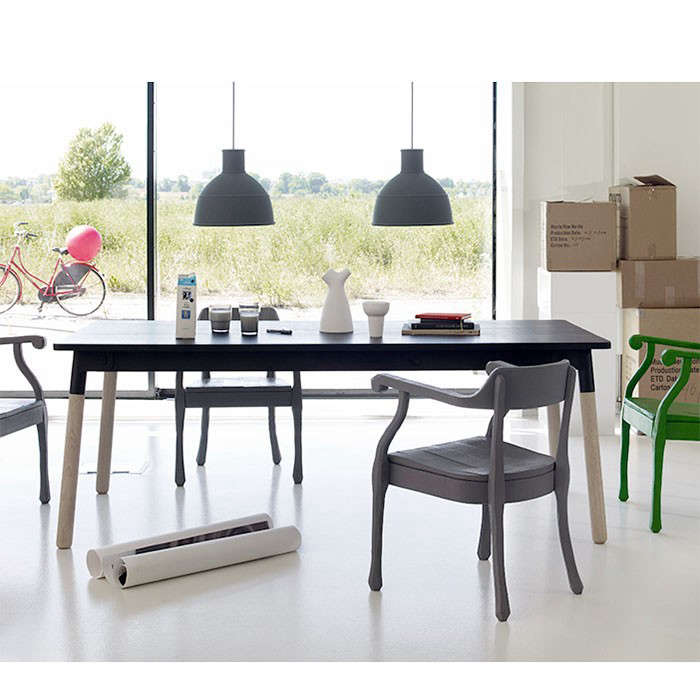
The Adaptable Table, designed by Swedish studio TAF Architects for Muuto, is exactly what its name promises: a modern Scandinavian table built around flexibility, clarity, and personal choice. It takes the familiar language of the classic wooden dining table and gives it a clever contemporary twist through contrasting materials, interchangeable-looking color logic, and a slim steel frame that makes the design feel both grounded and light.
At first glance, it may look simple. That is the trick. Scandinavian design often whispers before it winks. The Adaptable Table is not shouting for attention with wild curves or unnecessary drama. Instead, it uses proportion, honest materials, and thoughtful detailing to make itself useful in many rooms and styles. It is a table with manners, but also with a passport.
What Is Muuto & TAF Architects’ Adaptable Table?
The Muuto Adaptable Table is a rectangular dining and work table created by TAF Architects, also known as TAF Studio, for Muuto. The piece was designed as an updated version of the traditional Scandinavian wooden table, using oak or ash, a steel frame, and a clean modular visual structure. Common listed dimensions are approximately 78 inches long, 35 inches wide, and 28 inches high, or about 200 centimeters by 90 centimeters by 73 centimeters.
The original design offered a mix of tabletop, leg, and frame colors, allowing owners to create a table that felt more personal than a single fixed finish. Typical finish options included natural wood tones along with black, white, and gray, while the steel frame could introduce a subtle contrast, including darker or colored versions. That mix-and-match spirit is the heart of the product. It is not adaptable because it folds into a suitcase or turns into a bunk bedalthough, honestly, someone in a tiny apartment would probably applaud that. It is adaptable because it visually and functionally fits different needs.
The Designers: TAF Architects and Their Quietly Clever Approach
TAF Architects is a Stockholm-based design and architecture studio founded by Gabriella Gustafson and Mattias Ståhlbom. Their work is known for being graphic, direct, and functional without becoming cold. They often take ordinary objects and improve them through subtle changes in form, construction, and user experience.
That philosophy is visible in the Adaptable Table. Instead of treating a table as just a flat surface with four legs, TAF Architects treated it as a system of relationships: wood against steel, tradition against modernity, domestic warmth against architectural structure. The result is not a decorative object pretending to be useful. It is a useful object that happens to look refined.
Muuto’s Scandinavian Design DNA
Muuto is a Copenhagen-based design brand known for bringing new perspectives to Scandinavian design. The name comes from the Finnish word “muutos,” meaning “new perspective.” That idea matters here because the Adaptable Table is not trying to abandon Scandinavian furniture tradition. It is trying to refresh it.
Classic Scandinavian furniture is often associated with clean lines, functional forms, natural materials, and long-lasting usability. Muuto builds on those values but often adds more color, sharper silhouettes, and contemporary material combinations. The Adaptable Table fits comfortably within that brand language. It is practical, but not boring. Minimal, but not sterile. Elegant, but not the kind of elegant that makes you afraid to set down a coffee cup.
Design Analysis: Why the Adaptable Table Works
1. It Updates the Classic Wooden Table
The Adaptable Table begins with a familiar idea: a rectangular wooden table. This is one of the most universal furniture forms in the home. We eat at it, talk across it, work on it, and occasionally stack mail on it until the mail develops its own zip code.
TAF Architects kept that familiar shape but sharpened the expression. The tabletop has a clean, broad presence, while the legs and frame add a structured, almost architectural feeling. The table still feels warm because of the wood, but the steel frame prevents it from looking rustic or overly traditional.
2. The Steel Frame Adds Modern Tension
One of the most distinctive features of the Adaptable Table is its steel frame. Wood alone would have made the table feel softer and more traditional. Steel gives it definition. The frame outlines the table like a confident underline beneath a sentence.
This contrast is important for modern interiors. In a white-walled apartment, the steel frame adds visual structure. In a warmer home with textiles, plants, and wood floors, it keeps the table from disappearing into the background. In a creative office or studio, it gives the piece a professional, design-forward edge.
3. Color Choices Make It Personal
The Adaptable Table was designed with customization in mind. Its combination of tabletop, leg, and frame finishes allows the table to change personality depending on the selected palette. A natural oak top with a dark frame feels calm and architectural. A white top with pale legs feels brighter and more casual. A gray or black arrangement can look sleek, studio-like, and almost gallery-ready.
This flexibility is more than a design gimmick. People rarely decorate from scratch. Most of us inherit chairs, fall in love with a rug, buy a lamp on sale, and then try to make everything look intentional. The Adaptable Table helps because it can bridge different materials and colors without demanding that the whole room dress like it.
Materials: Oak, Ash, and Steel
The Adaptable Table is typically described as being made from oak or ash with a steel frame. These material choices are practical and aesthetic. Oak brings durability, visible grain, and a sense of permanence. Ash tends to feel lighter and slightly more delicate in appearance while still offering strength. Steel contributes stability and a crisp industrial note.
For everyday use, this combination makes sense. A dining table needs to tolerate movement, weight, meals, laptops, books, and the occasional dramatic centerpiece. Wood gives the surface tactile warmth, while steel helps the structure feel precise and secure. The table does not rely on ornament to feel premium. It relies on proportion, finish, and construction.
Where the Adaptable Table Fits Best
Dining Rooms
As a dining table, the Adaptable Table is ideal for people who want a clean modern centerpiece without making the room feel formal. Its rectangular shape works well in apartments, townhouses, and open-plan homes. At roughly 78 inches long, it can comfortably serve as a table for family meals, dinner parties, or the sacred American tradition of ordering takeout and pretending the plates make it “home cooking.”
Home Offices
Because of its restrained design, the table also works beautifully as a work surface. It offers generous space for a laptop, monitor, notebooks, samples, and a lamp. Unlike many office desks, it does not scream “corporate productivity zone.” It feels more residential, which is useful in home offices where furniture needs to look good after 5 p.m.
Creative Studios
Designers, architects, writers, and makers often need a large flat surface that can handle both focused work and collaboration. The Adaptable Table suits that role well. Its steel frame gives it a workshop-adjacent toughness, while the wood keeps it from feeling like laboratory equipment.
Small Commercial Spaces
Boutiques, showrooms, cafés, and meeting rooms can also benefit from a table like this. It has enough visual character to support a curated interior but not so much personality that it competes with products, artwork, or people. That is harder to achieve than it sounds. Some tables enter a room wearing tap shoes. This one simply arrives well dressed.
How to Style Muuto & TAF Architects’ Adaptable Table
Pair It With Scandinavian Dining Chairs
The most natural pairing is with modern Scandinavian dining chairs. Look for chairs with slim profiles, molded seats, wood frames, or upholstered shells. Muuto’s own chair collections often share the same balance of softness and structure, making them a logical match.
Add Warm Lighting
A pendant light above the table can transform the entire composition. Because the Adaptable Table is visually clean, it can handle a sculptural pendant, a soft globe light, or a linear fixture. Warm lighting is especially important if you choose a black, gray, or white finish, as it prevents the setting from feeling too severe.
Use Texture, Not Clutter
This table does not need much decoration. A ceramic bowl, a low vase, linen placemats, or a simple tray can be enough. The goal is to add texture without burying the design. If the tabletop disappears under seven candles, three magazines, two plants, and a decorative object shaped like a confused bird, the table cannot do its job visually.
Let Contrast Do the Work
If the table has a natural wood top, consider darker chairs or a dark pendant. If the table is white or gray, add warmth through leather, wool, rattan, oak flooring, or earthy ceramics. The Adaptable Table is at its best when it participates in a balanced conversation of materials.
Why Adaptability Matters in Modern Furniture
Modern homes are expected to do more than ever. A dining area may also be a remote office, a school zone, a craft station, and a weekend brunch destination. Furniture that works in only one narrow situation can quickly feel outdated. The Adaptable Table responds to this reality by offering visual flexibility and practical scale.
Adaptability also supports better long-term value. A highly specific table may look exciting for one season but become difficult to reuse after a move or redesign. A well-proportioned table with classic materials has a better chance of surviving changing paint colors, new chairs, different apartments, and evolving taste. In other words, it has commitment potential.
Is the Adaptable Table Still Available?
The Muuto Adaptable Table has been listed by some design retailers and product archives as discontinued. That makes it especially interesting for collectors, design enthusiasts, and shoppers browsing pre-owned furniture platforms. Discontinued modern design pieces can gain appeal because they are no longer everywhere, yet they still carry the credibility of a respected brand and designer collaboration.
If you are searching for one today, check reputable vintage design marketplaces, pre-owned furniture dealers, auction sites, and local resale platforms. Because dimensions, finishes, and condition can vary, always confirm measurements, materials, frame color, tabletop condition, and shipping options before buying.
Buying Tips for a Pre-Owned Adaptable Table
Check the Tabletop Carefully
Wood surfaces can show scratches, water rings, dents, fading, or uneven finish. Light wear may add charm, but deep damage can be expensive to repair. Ask for close-up photos in natural light.
Inspect the Steel Frame
The frame is a major part of the design. Look for chips, bends, rust, loose connections, or poorly repaired areas. A clean frame keeps the table looking intentional rather than tired.
Confirm the Dimensions
Do not rely on a vague “large dining table” description. Measure your room and compare it with the listed size. Leave enough clearance for chairs and movement. A beautiful table becomes less charming when guests have to sidestep around it like they are navigating airport security.
Ask About Assembly
If the table ships disassembled, confirm that all hardware is included. Original hardware is ideal, but replacement parts may be workable if they are compatible and safe.
Adaptable Table vs. Ordinary Dining Tables
Compared with a basic dining table, Muuto & TAF Architects’ Adaptable Table has a stronger design identity. The difference is not loud decoration but thoughtful composition. The contrast between wood and steel, the customizable finish concept, and the Scandinavian proportions give it an elevated presence.
An ordinary table may serve the same basic function, but it may not bring the same visual balance to a room. The Adaptable Table is for people who notice details: the line of a frame, the feel of a material, the way a table can make mismatched chairs look like a deliberate design choice instead of a furniture rescue mission.
SEO-Friendly Design Takeaways
For readers researching Muuto Adaptable Table, TAF Architects table, Scandinavian dining table, or modern wood and steel table, the essential takeaway is simple: this piece combines traditional Nordic warmth with contemporary flexibility. It is not just a table; it is a design solution for rooms that need to shift roles gracefully.
The best furniture does not demand a perfect life. It supports a real one. The Adaptable Table understands dinners, deadlines, coffee spills, design books, birthday cakes, and the mysterious pile of things everyone promises to “put away later.” It looks refined while quietly accepting that homes are lived in by humans, not catalog models.
Experience Section: Living With a Table Like Muuto & TAF Architects’ Adaptable Table
Using a table like the Muuto & TAF Architects’ Adaptable Table changes how a room behaves. The first thing you notice is not necessarily the design pedigree, although that is nice for anyone who enjoys saying “Swedish architecture studio” at dinner parties. The real experience is how easily the table settles into daily life. It does not feel precious, yet it feels considered. That combination is rare.
In a dining space, the table creates a natural center. Because the design is rectangular and visually clean, it gives people a clear place to gather without overwhelming the room. Meals feel organized around it. Chairs tuck in neatly. A pendant lamp above it suddenly makes sense. Even a simple breakfast looks slightly more intentional, which is useful on mornings when the menu is toast, coffee, and mild panic.
As a work surface, the table offers a generous amount of room. This is where its adaptability becomes more than a product name. You can spread out a laptop, notebook, phone, coffee mug, and reference materials without feeling cramped. The steel frame gives the table a focused, architectural character, which can make work feel a little more structured. It is not magic, of course. It will not answer emails for you. But it may make the act of sitting down to work feel less chaotic.
The table also works well for creative tasks. If you are sketching, planning interiors, sorting samples, wrapping gifts, or assembling a mood board, the large surface becomes a flexible platform. Unlike heavily decorative tables, it does not visually compete with what you place on top. That is a major advantage. A good work table should support the project, not audition for the lead role.
Another noticeable experience is how the table handles changing décor. Many people update rooms gradually. Maybe the chairs change first. Then the rug. Then the wall color. Then someone decides the room needs a giant plant with main-character energy. The Adaptable Table can move through these changes because its design is based on simple forms and durable materials. Natural wood versions feel warmer and more relaxed, while darker or painted combinations can lean more modern and graphic.
Maintenance is also part of the experience. Like any wood table, it benefits from coasters, placemats, and basic care. Spills should be wiped quickly, especially if the surface is oiled or painted. The steel frame is generally easy to clean with a soft cloth, but it should still be protected from harsh cleaners. In daily use, the table rewards normal adult behavior. Unfortunately, it cannot prevent guests from ignoring coasters, but no table has achieved that level of power yet.
For families, the Adaptable Table can be a strong choice because it is simple and sturdy enough to handle different activities. For apartment dwellers, it offers one table that can serve multiple purposes. For design lovers, it provides the satisfaction of owning a piece with a clear concept and a respected designer-brand collaboration. For anyone who simply wants a beautiful modern dining table, it delivers without making the room feel like a showroom where laughter is forbidden.
The most enjoyable part of living with a table like this is its quiet confidence. It does not need constant styling. It can look good with a vase of branches, a stack of books, a bowl of lemons, or nothing at all. That kind of restraint is useful. It gives the room breathing space. In a world full of furniture trying very hard to be iconic, the Adaptable Table proves that usefulness, proportion, and material honesty can still be the most persuasive design features.
Conclusion
Muuto & TAF Architects’ Adaptable Table is a thoughtful example of modern Scandinavian furniture: practical, refined, flexible, and quietly expressive. Designed by TAF Architects for Muuto, it updates the traditional wooden table through a clean rectangular form, oak or ash surfaces, a steel frame, and a customizable design spirit. Whether used for dining, working, creating, or gathering, it fits beautifully into contemporary homes that need furniture to do more than stand there looking expensive.
Its appeal lies in balance. It is warm but modern, simple but distinctive, functional but design-conscious. Even as a discontinued piece, it remains relevant because the best ideas in furniture do not expire quickly. A good table is never just a table. It is where life lands, gathers, spills, laughs, works, and occasionally forgets where it put the car keys.