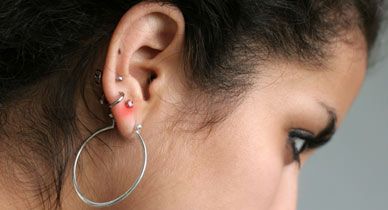
Note: This article is for educational purposes and is not a substitute for medical care. If an ear piercing looks severely swollen, painful, hot, or is in the cartilage and getting worse, do not play “wait and see” like it is a
An ear piercing is supposed to be a small sparkle, not a medical mystery. But sometimes that fresh stud or stylish hoop turns red, tender, swollen, crusty, or gooey enough to make you wonder whether your ear has started its own protest movement. That is where the topic of ear piercing infection becomes important.
Most ear piercings heal without major trouble when they are done with sterile tools, good jewelry, and careful aftercare. Still, a piercing is technically a controlled wound. The skin has been opened, jewelry is sitting inside the channel, and germs are always looking for a tiny front door. If bacteria get into the piercing site, infection can follow.
The good news: many mild earlobe infections can be managed early with proper cleaning, sterile saline, warm compresses, and smart hygiene. The less-good news: cartilage piercings can become more serious because cartilage has less blood flow than the soft earlobe. That means infections in the upper ear may need medical care sooner.
This guide explains the causes, symptoms, treatment options, prevention tips, and real-life experiences related to infected ear piercings, written in plain American English with just enough humor to keep your ear from stealing the whole show.
What Is an Ear Piercing Infection?
An ear piercing infection happens when germs, most often bacteria, enter the piercing hole and multiply. The body responds with inflammation: redness, swelling, warmth, pain, and sometimes pus. A little tenderness or clear crusting can be normal during healing, especially in the first few days. Infection is different because symptoms usually worsen, spread, or come with thick discharge, throbbing pain, or fever.
Infections can happen in new piercings or older healed piercings. A brand-new piercing is more vulnerable because the skin channel has not matured. But even a piercing you have had for years can become irritated or infected after a jewelry change, a scratch, an allergic reaction, or poor cleaning habits.
Common Causes of Ear Piercing Infection
1. Touching the Piercing With Dirty Hands
This is the classic villain. Your hands touch phones, keyboards, door handles, pets, snacks, and other germ-friendly surfaces all day. When you twist, poke, or inspect a new piercing without washing your hands, bacteria can move directly into the wound.
2. Unsterile Piercing Tools or Poor Technique
A professional piercing studio should use sterile equipment, single-use needles when appropriate, clean gloves, and safe procedures. Piercing in a questionable setting may save a few dollars, but your ear may later send you a bill in swelling, pus, and regret.
3. Low-Quality or Irritating Jewelry
Jewelry made with nickel or mystery metals can irritate the skin and trigger allergic contact dermatitis. While allergy is not the same as infection, irritated skin is more vulnerable to breakdown, scratching, and bacterial invasion. Safer jewelry choices often include implant-grade titanium, surgical-grade stainless steel, solid gold, niobium, or platinum.
4. Changing Jewelry Too Soon
Fresh piercings need time to form a stable tunnel of healed tissue. Swapping earrings too early can tear delicate healing skin, introduce bacteria, or trap irritation inside the channel. Earlobes often take several weeks to heal, while cartilage piercings can take months or longer.
5. Overcleaning or Using Harsh Products
More cleaning is not always better. Hydrogen peroxide, iodine, strong alcohol, and harsh soaps can dry or damage healing tissue. Think of a new piercing like a tiny houseplant: it needs care, not chemical warfare.
6. Sleeping on the Piercing
Pressure from sleeping on a fresh piercing can irritate it, slow healing, and create swelling. Pillowcases can also collect oil, sweat, hair products, and bacteria. If your piercing is new, a clean pillowcase and avoiding pressure can make a big difference.
7. Swimming Too Soon
Pools, lakes, rivers, hot tubs, and oceans can expose a new piercing to bacteria and chemicals. Until the piercing is healed, swimming is usually a bad idea. Your ear does not need a vacation in Germ Lagoon.
8. Trauma, Snags, and Friction
Hairbrushes, headphones, hats, helmets, masks, towels, and clothing can catch jewelry. A quick snag may cause a small tear, which gives bacteria an easier way in. Repeated friction can also cause bumps, delayed healing, and inflammation.
Ear Piercing Infection Symptoms
Symptoms can range from mild irritation to a more serious infection. The key is watching whether symptoms improve, stay the same, or get worse.
Normal Healing Signs
Some symptoms are expected after a piercing:
- Mild redness for a few days
- Light swelling
- Tenderness when touched
- Clear or pale fluid that dries into light crust
- Minor itching as the skin heals
Normal healing should gradually improve. If the ear gets angrier each day, infection or irritation may be developing.
Signs of a Mild Ear Piercing Infection
- Increasing redness around the piercing hole
- Swelling that does not improve
- Warmth around the area
- Throbbing or worsening pain
- Yellow, white, or green discharge
- Bad odor from the piercing
- Crust that keeps returning heavily
- Tenderness when wearing jewelry
Signs You Should See a Doctor
Get medical help if you notice:
- Fever or chills
- Redness spreading beyond the piercing
- Severe swelling or severe pain
- Thick pus or an abscess
- The earring becomes embedded or stuck
- The piercing is in the cartilage and looks infected
- Symptoms do not improve after a couple of days of proper care
- You have diabetes, a weakened immune system, or a history of serious skin infections
Infection vs. Allergy: How to Tell the Difference
Not every angry piercing is infected. Sometimes the problem is an allergic reaction, especially to nickel. Allergy often causes intense itching, dry patches, rash, scaling, or redness where the metal touches the skin. Infection is more likely when the area is hot, painful, swollen, and draining pus.
Of course, the two can overlap. A nickel allergy can make the skin irritated, and irritated skin can become infected. If switching to hypoallergenic jewelry helps quickly, allergy may have been the main issue. If there is pus, spreading redness, or worsening pain, treat it like a possible infection and seek medical advice.
Why Cartilage Piercing Infections Are More Serious
Earlobe infections are usually easier to manage because the earlobe has better blood supply. Cartilage is different. The upper ear, helix, tragus, conch, and other cartilage areas have less blood flow, which means the immune system and antibiotics may have a harder time reaching the infected tissue.
A cartilage infection can lead to perichondritis, an infection of the tissue around the cartilage. If untreated, it may damage cartilage and change the shape of the ear. That is why painful, swollen, red, or draining cartilage piercings deserve prompt medical attention. Cartilage does not forgive nonsense as easily as the earlobe does.
How to Treat a Mild Ear Piercing Infection at Home
For a mild earlobe infection without fever, severe swelling, or spreading redness, careful home care may help. The goal is to clean gently, reduce irritation, and avoid trapping bacteria.
Step 1: Wash Your Hands First
Before touching the piercing, wash your hands with soap and warm water. Dry them with a clean towel or disposable paper towel. This step sounds basic because it is basicand it works.
Step 2: Use Sterile Saline
Clean the piercing with sterile saline wound wash. Look for a product that lists 0.9% sodium chloride as the main ingredient and does not contain unnecessary additives. Spray or apply gently around the front and back of the piercing.
Step 3: Remove Crust Carefully
If crust has built up, soften it with saline and gently remove loose debris with clean gauze or a cotton swab. Do not scrape, dig, or pick. The piercing is not a lottery ticket; scratching harder will not reveal a prize.
Step 4: Apply a Warm Compress
A warm compress can reduce discomfort and encourage drainage. Use a clean washcloth soaked in warm water, hold it against the area for several minutes, then dry the area gently. Make sure the cloth does not snag on jewelry.
Step 5: Avoid Harsh Chemicals
Do not use hydrogen peroxide, iodine, or strong alcohol unless a healthcare professional specifically tells you to. These products can irritate healing tissue and slow recovery.
Step 6: Do Not Remove Jewelry Too Quickly
In many cases, removing jewelry from an infected new piercing can allow the hole to close and trap infection inside. However, there are exceptions. If the jewelry is embedded, too tight, causing an allergic reaction, or your doctor says to remove it, follow medical advice.
Step 7: Do Not Twist the Jewelry Constantly
Old advice often told people to rotate earrings daily. Many modern piercing professionals advise against unnecessary twisting because it can irritate healing tissue. Clean around the jewelry gently and leave it alone as much as possible.
Medical Treatment for Ear Piercing Infection
A healthcare provider may recommend different treatment depending on the severity and location of the infection.
Topical Antibiotics
For some minor infections, a clinician may suggest an antibiotic ointment. Do not assume every irritated piercing needs ointment, because heavy products can sometimes trap moisture or debris. Use medication as directed.
Oral Antibiotics
If the infection is spreading, painful, in the cartilage, or not improving, oral antibiotics may be needed. Cartilage infections may require antibiotics that cover specific bacteria. This is one reason self-diagnosing a serious cartilage infection is risky.
Drainage of an Abscess
If pus collects in a pocket, called an abscess, a medical professional may need to drain it. Do not squeeze or pop an abscess at home. That can push infection deeper and make the situation worse.
Jewelry Removal or Replacement
Sometimes jewelry must be removed, especially if it is embedded, too tight, contaminated, or causing allergy. In other cases, a professional may replace it with safer jewelry that allows swelling room. The decision depends on the piercing and the infection.
How to Prevent Ear Piercing Infections
Choose a Reputable Piercer
Look for a licensed, clean studio with trained professionals. Equipment should be sterile, jewelry should be high quality, and the piercer should explain aftercare clearly. If the place feels dirty, rushed, or suspicious, let your feet do the reviewing and walk out.
Pick Safe Jewelry
Choose jewelry made from materials less likely to irritate the skin, such as implant-grade titanium, surgical-grade stainless steel, niobium, platinum, or solid gold. Avoid cheap earrings with unknown metal content, especially for fresh piercings.
Clean Gently and Consistently
Use sterile saline as directed, usually once or twice daily. Keep the piercing dry after cleaning. Avoid cloth towels that may carry bacteria or catch on jewelry.
Keep Hair and Products Away
Hair spray, shampoo, conditioner, makeup, perfume, and oils can irritate a healing piercing. Rinse carefully in the shower and keep hair from wrapping around jewelry.
Avoid Swimming During Healing
Skip pools, hot tubs, lakes, and oceans until the piercing has healed. A few weeks of patience is better than a swollen ear with a dramatic backstory.
Do Not Change Jewelry Early
Wait until the piercing is fully healed before changing earrings. When in doubt, ask your piercer or healthcare provider. Cartilage piercings often need much more time than earlobe piercings.
Common Mistakes That Make Infections Worse
- Touching the piercing repeatedly to “check it”
- Using alcohol, peroxide, or harsh cleaners daily
- Changing earrings before healing is complete
- Sleeping on the piercing every night
- Ignoring cartilage pain and swelling
- Using mystery-metal jewelry
- Picking crust or squeezing pus
- Assuming all bumps are keloids or all redness is infection
Frequently Asked Questions
Can an ear piercing infection heal on its own?
A very mild earlobe infection may improve with careful hygiene and saline care. However, worsening pain, spreading redness, pus, fever, or cartilage involvement should be evaluated by a healthcare professional.
Should I remove my earring if the piercing is infected?
Not always. Removing jewelry too soon may trap infection inside. However, jewelry may need removal if it is embedded, too tight, or causing allergy. Ask a doctor or professional piercer for guidance.
Is pus always a sign of infection?
Thick yellow, green, or foul-smelling pus is a warning sign. A small amount of clear or pale fluid that dries into crust can be part of normal healing.
How long does an infected ear piercing take to heal?
Mild infections may improve within a few days of proper care. More serious infections, especially cartilage infections, may take longer and may require antibiotics.
Experiences Related to Ear Piercing Infection: Causes, Symptoms, Treatment
Many ear piercing infection stories start the same way: everything looks fine for the first few days, and then the ear begins acting like it has been personally offended. One common experience is the “I touched it too much” situation. A person gets a new lobe piercing and checks it in every mirror, twists it after every hand wash, and adjusts it while watching TV. By the end of the week, the area is red, sore, and crusty. The lesson is simple but powerful: clean hands and minimal touching matter. A healing piercing does not need constant supervision like a toddler near a birthday cake.
Another familiar experience involves changing earrings too soon. Someone buys cute new hoops and decides the original studs are boring. The piercing may look healed from the outside, but the inside channel is still fragile. After the jewelry swap, the ear becomes swollen and tender. Sometimes the new jewelry contains nickel or has a rough post that irritates the skin. What looked like a fashion upgrade becomes a healing setback. Waiting until the piercing is fully healed can prevent weeks of unnecessary discomfort.
Cartilage piercing experiences are often more dramatic. A helix piercing may feel sore for a while, which can seem normal. But when the upper ear becomes hot, increasingly painful, swollen, or starts draining, it should not be ignored. People sometimes wait because they assume it is just irritation from sleeping on it. Unfortunately, cartilage infections can become serious faster than lobe infections. The practical takeaway is this: cartilage deserves respect. If it looks infected, get help early.
Some people also mistake allergic reactions for infections. A person may wear inexpensive earrings and notice itching, redness, flaking, and irritation on both ears. There may be no pus, no fever, and no spreading warmth. In that case, nickel allergy or metal sensitivity may be the real culprit. Switching to hypoallergenic jewelry often helps, but if the skin is cracked or draining, medical advice may still be needed. Allergy and infection can share the stage, and neither one is fun.
Parents often share experiences with children’s ear piercings, too. Kids may touch earrings with playground hands, forget cleaning steps, or sleep directly on the piercing. A mild infection can sneak up quickly. For children, aftercare needs to be simple, supervised, and consistent. Clean hands, gentle saline, safe jewelry, and watching for worsening symptoms are the big four. If a child has fever, significant swelling, or pain that seems out of proportion, a pediatrician should be involved.
There are also “overcleaning” stories. Someone notices mild redness and responds with peroxide, alcohol, tea tree oil, antibacterial soap, and heroic amounts of panic. Instead of healing, the piercing becomes dry, cracked, and angrier. The experience teaches an important point: healing skin needs gentle care. Sterile saline, clean technique, and patience often work better than turning the bathroom counter into a chemistry lab.
Finally, many successful healing stories come down to early action. The person notices swelling, cleans with saline, uses warm compresses, avoids touching, changes the pillowcase, stops sleeping on that side, and calls a clinician when symptoms do not improve. The piercing heals, the jewelry stays, and the ear returns to being decorative instead of dramatic. That is the ideal ending: sparkle restored, crisis canceled.
Conclusion
An ear piercing infection can happen when bacteria enter a new or irritated piercing. Common causes include dirty hands, poor aftercare, unsterile tools, low-quality jewelry, swimming too soon, trauma, and changing earrings before the piercing is ready. Symptoms may include redness, swelling, warmth, pain, pus, odor, and crusting. Mild earlobe infections may improve with handwashing, sterile saline, warm compresses, and gentle care, but cartilage infections, spreading redness, fever, severe pain, or embedded jewelry require medical attention.
The best strategy is prevention: choose a reputable piercer, use safe jewelry, clean gently, avoid harsh chemicals, keep hands away, and let the piercing heal at its own pace. Your ear is not asking for muchjust cleanliness, patience, and maybe a little less drama from your hairbrush.