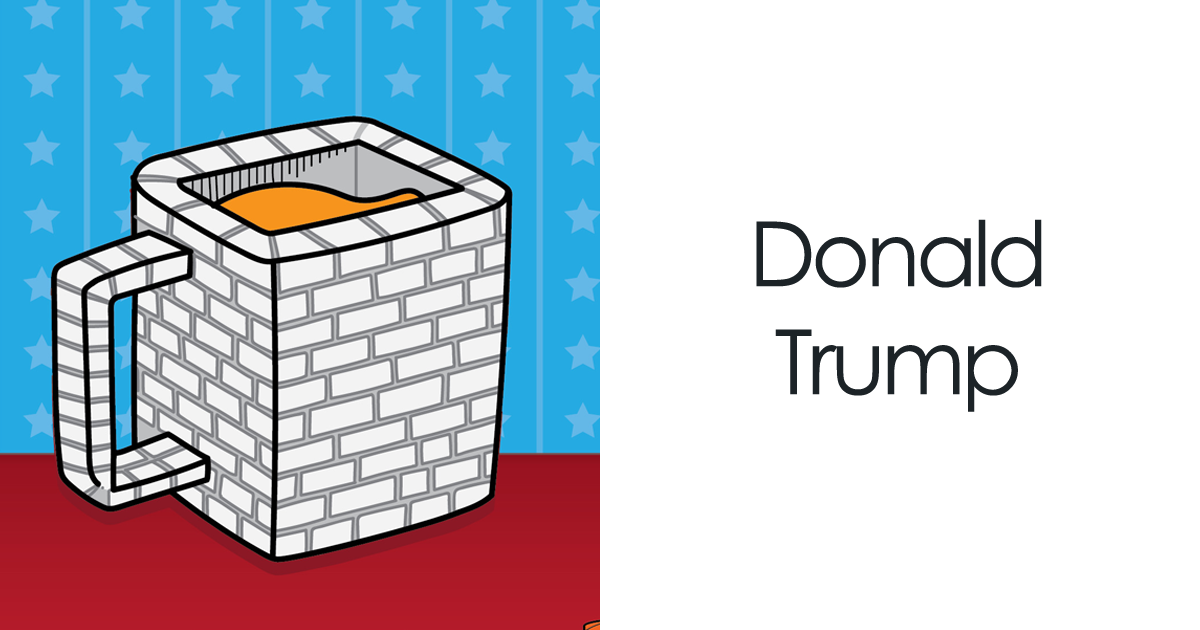
Some people see a plain coffee mug and think, “Great, caffeine delivery system.” Other people stare at the curve of the handle, the rim, the shadow under the lip, and suddenly see Vincent van Gogh having a very dramatic morning. That is the delightful magic behind coffee mug designs that look like famous people: they turn the most ordinary object on the kitchen shelf into a tiny stage for personality, humor, and pop culture.
The idea sounds simple at first. Take a mug, add a face, sprinkle in a famous hairstyle, mustache, hat, quote, or symbolic detail, and there you go. But the best celebrity-inspired mug designs work because they do not merely paste a portrait onto ceramic. They use the mug’s own shape as part of the joke. The handle becomes an ear, a nose, a hairstyle, a halo, a microphone cord, or a visual punchline. The cup is no longer just holding coffee; it is holding a character.
This collection of 19 famous-person coffee mugs celebrates that exact sweet spot between functional design and visual comedy. Inspired by pop culture, historical icons, movie characters, musicians, artists, and public figures, these mugs prove that a good cup can be more than dishwasher-safe. It can have attitude. It can have eyebrows. It can even look like it is judging your instant coffee choices.
Why We Love Seeing Faces in Coffee Mugs
Human beings are famously good at spotting faces. We see them in clouds, wall sockets, burnt toast, car headlights, and occasionally in the foam of a cappuccino that looks suspiciously like Abraham Lincoln. This tendency is called pareidolia, and it explains why a few simple marks can make an object feel alive. Two dots and a line are enough for the brain to shout, “Face!” before the coffee has even kicked in.
That is why face-inspired mug art works so quickly. A mug already has a rounded “head.” The handle gives it asymmetry. The rim can become a mouth, the body becomes a cheek, and the surface becomes a canvas. Add a blue eye, a curved mustache, a tiny hat, or a wild shock of painted hair, and viewers begin filling in the blanks. The design does not need to be photorealistic. In fact, it is usually better when it is not.
Caricature has always depended on this principle. Instead of copying every facial detail, a caricature exaggerates the feature that makes someone instantly recognizable. Albert Einstein needs unruly hair and a playful expression. Salvador Dali needs that surreal, weaponized mustache. Marilyn Monroe needs glamour, softness, and a wink of old Hollywood sparkle. The mug’s job is to capture the “aha!” moment, not create a museum portrait.
The Concept Behind the “Mugshots” Style
The cleverest part of these famous people mug designs is the double meaning of “mugshot.” A mug is a cup, of course, but “mug” is also slang for a face. So a “mugshot” becomes both a portrait and a coffee vessel. That little wordplay sets the tone for the entire series: smart, playful, slightly ridiculous, and completely aware of its own pun. A good pun is like espressotoo much can be dangerous, but the right amount wakes everyone up.
The designs work because they respect three things at once: the person being referenced, the shape of the object, and the viewer’s sense of humor. These are not flat posters transferred onto cups. They are object-based jokes. The mug’s curve may echo a forehead. The handle may become a dramatic accessory. A color palette may hint at a famous outfit. A tiny phrase can turn a familiar face into a punchline.
That balance is important. If a design is too literal, it becomes boring. If it is too abstract, nobody recognizes the person. The best celebrity mug designs live in the middle: recognizable enough to make people laugh, simplified enough to feel stylish, and strange enough to make guests point at your cupboard and ask, “Why is Gordon Ramsay staring at my tea?”
Design Highlights From the 19 Famous-Person Coffee Mugs
The collection includes an entertaining mix of artists, scientists, musicians, actors, fictional characters, fashion icons, historical figures, and pop culture personalities. Each design uses a different visual clue to make the famous person recognizable. Here are some of the standout ideas and why they work so well.
1. Vincent van Gogh: The Artist With a Handle Problem
A van Gogh mug is practically required to have a joke about ears, and this design understands the assignment. The humor comes from using the physical mug handle as part of the character. Instead of adding unnecessary decoration, the design lets the object itself tell the joke. It is simple, darkly funny, and instantly recognizable.
2. Albert Einstein: Hair, Genius, and Morning Chaos
Einstein is one of the easiest figures to caricature because his silhouette is iconic. The wild hair, thoughtful expression, and mischievous energy make him perfect for a coffee mug. A mug like this feels appropriate for anyone who needs caffeine before attempting basic mathematics, such as calculating whether one more cup is a responsible life choice.
3. Marilyn Monroe: Glamour in Ceramic Form
Marilyn Monroe’s visual identity is built on softness, shine, and old Hollywood confidence. A Marilyn-inspired mug does not need a complex scene; it needs the right hair, lips, and attitude. The result is charming because the everyday mug contrasts with movie-star glamour. It is breakfast-table fabulousness without the studio lighting.
4. Salvador Dali: A Mustache Made for Mug Design
Dali is a gift to designers. His mustache is basically a logo. On a mug, that curled shape creates immediate recognition and adds movement to the surface. The best part is that the surrealist energy fits the object. A cup pretending to be Dali already feels like something Dali might approve of, possibly while melting a clock into his breakfast.
5. Gordon Ramsay: The Mug That Might Roast Your Coffee
A Gordon Ramsay mug does not need to say much. In fact, it might be funnier if it looks like it is silently disappointed in your latte art. His intense expression and fiery personality translate well into a compact design. The joke is obvious: this mug is not just for coffee; it is for coffee that better be properly brewed.
6. Harry Houdini: Escape Artist, Now With Handle
Houdini is a smart choice because his identity is tied to performance and surprise. A mug based on him can use ropes, locks, stage gestures, or a “ta-dah” moment. The design invites the viewer to imagine the cup escaping from the cabinet. Sadly, most mugs are less talented and simply fall off shelves.
7. Coco Chanel: Minimalism With a Wink
Chanel-inspired design works best when it stays elegant. Black, white, simple lines, and confident restraint can say more than a crowded illustration. A Coco Chanel mug proves that not every funny design needs to shout. Sometimes the joke is wearing pearls and judging your pajama pants.
8. Neil Armstrong: One Small Sip for Mankind
A Neil Armstrong mug can lean into space imagery, helmets, moon textures, and the famous “one small step” spirit. This design succeeds because it connects a huge human achievement with a tiny everyday ritual. Landing on the moon was historic. Landing the first sip of coffee before 8 a.m. can also feel heroic.
9. Jimi Hendrix: Purple Haze in Cup Form
Hendrix-inspired mug art has room for color, rhythm, and psychedelic movement. Hair, guitar references, and purple tones can quickly suggest his world. A good Hendrix mug should feel like it has a soundtrack. Ideally, it should also make black coffee taste 14 percent cooler.
10. The Dude: Relaxed, Rumpled, and Ready for a Refill
A mug inspired by The Dude from The Big Lebowski is all about vibe. Robe energy. Sunglasses energy. “This beverage really ties the morning together” energy. It is not glamorous, but it is deeply comfortable, which is exactly what many people want from a favorite coffee cup.
Why These Mugs Feel Like Functional Pop Art
These designs sit comfortably in the tradition of pop art, where everyday objects, celebrity culture, humor, and repetition become part of the artwork. A mug is not a rare marble sculpture guarded by a nervous museum employee. It is a household object. You touch it, wash it, misplace it, and sometimes microwave it with yesterday’s coffee still inside. Turning that ordinary object into a famous face makes the design feel approachable.
That is what gives the series its charm. It refuses to separate art from daily life. The cup is useful, but it is also expressive. It is silly, but it is also designed with real visual intelligence. It belongs in a kitchen, studio, office, dorm room, or gift guide for someone who claims they are “hard to shop for” but clearly needs a Salvador Dali mug.
Handmade and illustrated mugs also have a special emotional quality. People form attachments to mugs in a way they rarely do with forks. A favorite mug becomes part of a routine: the morning email check, the late-night drawing session, the rainy Sunday refill, the “do not speak to me until this is empty” ritual. When a mug has a face, especially a famous one, it becomes even more personal. It feels like a tiny character sharing the moment.
The Design Lessons Hidden in These Funny Coffee Mugs
Behind the humor are several practical design lessons that artists, illustrators, and product designers can learn from.
Recognizability Beats Detail
The viewer should understand the reference in seconds. That means choosing the strongest visual clues: Einstein’s hair, Dali’s mustache, Chanel’s elegance, Hendrix’s color, Armstrong’s space suit, Monroe’s glamour. One strong feature is better than ten weak ones.
The Object Should Participate
The best mug designs do not ignore the cup’s shape. They use it. A handle can be part of the face or joke. The circular form can become a head. The rim can frame the design. When the object participates, the design feels custom rather than pasted on.
Humor Needs Precision
Funny design is not random. The joke must be clear, quick, and connected to the subject. A Houdini mug should suggest escape. A Ramsay mug should feel intense. A Dude mug should feel relaxed. When humor grows naturally from the famous person’s identity, the design becomes memorable.
Color Carries Meaning
Color can do a lot of work. Purple can suggest Hendrix. Black and white can suggest Chanel. Bright pop tones can evoke celebrity culture. Earthy or painterly colors can nod to van Gogh. A limited palette often makes a mug more elegant and more recognizable.
A Creative Note on Celebrity Likeness and Parody
Famous-person mug designs can be playful, but artists should think carefully about how they use names, images, and identities, especially if the designs are sold commercially. A parody, tribute, caricature, or commentary piece may be treated differently from a product that appears to imply endorsement. The safest creative path is to be original, transformative, humorous, and clear that the work is an artistic interpretation rather than official merchandise.
This is especially important for living celebrities and brands. A mug inspired by a public figure may seem harmless, but commercial use of a person’s name, image, likeness, or signature style can raise legal and ethical questions. Artists should consider permissions, local laws, and platform rules before selling celebrity-inspired products. In plain coffee language: admire the famous person, but do not accidentally invite their lawyer to breakfast.
How to Create Your Own Famous-Person Mug Design
If you want to design a mug that looks like a famous person, begin with a list of visual signatures. What makes the person recognizable from across the room? Hair? Glasses? Hat? Mustache? Outfit? Expression? Favorite quote? Famous role? Historical achievement? Once you have those clues, simplify them into shapes.
Next, sketch the mug as an object, not a flat rectangle. Think about where the handle sits. Can it become part of the character? Can the top rim suggest a hat, hairline, or helmet? Can the bottom curve become a collar or beard? The more the design interacts with the mug, the more original it will feel.
Finally, test the design at a small size. If people still recognize the person quickly, you are on the right track. If they stare for ten seconds and guess “my dentist,” simplify the concept. Great mug art is fast, funny, and functional.
Experience Notes: What Making Famous-Person Mugs Teaches You
Working on coffee mug designs that look like famous people teaches you one lesson almost immediately: the mug always has an opinion. You may begin with a polished sketch, a beautiful reference board, and a confident plan, but the moment you wrap a face around a curved surface, everything changes. A nose that looked elegant on paper may stretch around the side like it is trying to escape. A mustache may collide with the handle. A hairstyle may look perfect from the front but become a ceramic weather event from the side. Designing for a mug is not just illustration; it is negotiation.
The most enjoyable part is discovering which details truly matter. When sketching an Einstein mug, you might start by drawing eyes, cheeks, wrinkles, and a serious expression. Then you realize the hair is doing 90 percent of the work. With Dali, the mustache becomes the whole opera. With Marilyn Monroe, a few well-placed curves can suggest glamour better than overworked realism. The process forces you to respect simplicity. It reminds you that recognition often comes from silhouette, rhythm, and attitude, not from copying every feature.
There is also a funny emotional shift that happens when the design finally works. The mug stops being an object and starts acting like a tiny roommate. The Gordon Ramsay mug looks annoyed before anyone has boiled water. The Dude mug appears relaxed even when the kitchen is a disaster. The Neil Armstrong mug feels heroic sitting next to cereal. This is where the project becomes more than product design. It becomes character design for everyday life.
Another experience that stands out is watching people react. Viewers rarely respond quietly to these mugs. They point, laugh, guess, argue, and then look again. Someone recognizes van Gogh instantly. Someone else needs the quote. Another person sees the handle joke and groans because puns are legally required to cause mild pain. That interaction is valuable because it proves the design is doing its job. It invites participation.
The practical challenges are just as memorable. You have to think about how the mug will be held, whether the artwork faces outward for right-handed or left-handed drinkers, how the design survives washing, and whether the joke still works when the cup is full. A beautiful design that becomes invisible during use is not a successful mug design. The best version should look good on a shelf, in a hand, and in a photo taken by someone who has not cleaned their desk in three weeks.
Most of all, creating famous-person mugs makes you appreciate how much personality can fit into a small object. A mug is humble. It does not demand attention like a poster or sculpture. Yet when designed well, it can make a morning brighter, start a conversation, and turn an ordinary cup of coffee into a tiny pop culture ritual. That is the real joy of the project: it proves that design does not need to be huge to be unforgettable. Sometimes it just needs a handle, a face, and a good joke.
Conclusion
My 19 Coffee Mug Designs That Look Like Famous People is more than a funny collection of cups. It is a reminder that creativity thrives when artists take ordinary objects seriously enough to make them ridiculous. These mugs combine caricature, product design, celebrity culture, and everyday coffee rituals into something instantly shareable and genuinely charming.
Whether it is van Gogh’s visual pun, Einstein’s genius hair, Marilyn’s glamour, Dali’s mustache, Ramsay’s rage, Chanel’s elegance, Armstrong’s moon-bound spirit, Hendrix’s psychedelic energy, or The Dude’s relaxed chaos, each design proves that a mug can do more than hold coffee. It can hold a joke, a memory, a reference, and a little bit of personality.
In a world full of plain cups, these famous-person mugs feel like tiny ceramic celebrities waiting in the cupboard. And honestly, if your morning coffee can be served by Salvador Dali, Albert Einstein, or a mildly judgmental Gordon Ramsay, why settle for boring?