Some kitchen objects work so quietly that you only notice them when they are gone. A good bread knife, a clean cutting board, a coffee mug that feels just right in the hand, and yes, a proper bread bag. The Stelton Bread Bag belongs in that delightful category of everyday things that do more than expected without raising their voice. It stores bread. It serves bread. It looks good on the table. It folds away when not in use. In a world where many kitchen gadgets behave as if they are auditioning for a spaceship, this one simply says, “Here is your sourdough, looking civilized.”
Designed by Klaus Rath for the Danish design house Stelton, the bread bag blends Scandinavian practicality with soft, modern table style. It is made from 100% OEKO-TEX cotton, is washable at low temperature, and has a compact, flexible shape that makes it useful in kitchens large, small, and “why is there no counter space again?” The result is part bread basket, part bread storage solution, and part quiet design flex.
What Is the Stelton Bread Bag?
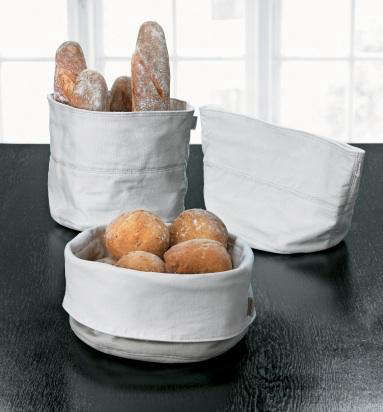
The Stelton Bread Bag is a reusable cotton bread basket designed to hold, serve, and lightly store bread. Unlike a rigid bread box, it is soft-sided and foldable. Unlike a plain cloth bag, it has enough structure to sit neatly on the table. And unlike tossing a loaf onto a plate and calling it rustic, it makes breakfast, brunch, or dinner feel intentional.
The bag is typically listed at about 23 cm wide, 23 cm long, and 21 cm high, which translates roughly to a square footprint of about 9 inches with enough height for rolls, sliced bread, baguette sections, pastries, or a modest loaf. It comes in several colors, including black, sand, white, heather, and two-tone combinations. The clean palette pairs especially well with Stelton’s broader kitchen and tabletop collections, including the famous EM77 vacuum jug.
Why This Bread Bag Became a Kitchen Classic
The magic of the Stelton Bread Bag is not that it performs one dramatic trick. It is that it solves several small kitchen annoyances at once. Bread crumbs stay contained. Warm rolls look presentable. A loaf can move from counter to table without changing containers. And when brunch is over, the bag folds down instead of occupying a permanent chunk of cabinet real estate.
It Works as Both Storage and Serveware
Most bread storage products are either practical or pretty. The Stelton Bread Bag tries to be both. Fold the sides down, and it becomes a relaxed bread basket for the dining table. Pull the sides up and close the rim, and it becomes a soft storage container for short-term counter use. That dual purpose is the reason many design lovers treat it as more than just a bread accessory.
It Has a Soft Scandinavian Look
Scandinavian kitchen design is often about restraint: clean lines, useful materials, and objects that make everyday routines feel less chaotic. The Stelton Bread Bag fits that philosophy. The cotton texture adds warmth, while the simple shape keeps it modern. It does not scream for attention, but it definitely looks better than a half-torn bakery paper bag collapsing next to the toaster.
It Is Flexible in Small Kitchens
A traditional bread box can be charming, but it can also take up space like it pays rent. The Stelton Bread Bag folds flat enough to tuck into a drawer or cabinet when empty. For apartment kitchens, minimalist homes, tiny pantries, or anyone whose countertop is already hosting an air fryer, espresso machine, fruit bowl, and suspicious pile of mail, that flexibility matters.
How Well Does It Keep Bread Fresh?
Here is the honest answer: the Stelton Bread Bag is excellent for serving bread and helpful for short-term storage, but it is not a magic freshness machine. Bread storage depends on the type of bread, humidity, crust, ingredients, and how quickly you plan to eat it. A cotton bag allows some airflow, which helps crusty bread avoid the sweaty softness that can happen in sealed plastic. However, breathable storage can also allow bread to dry out faster than airtight storage.
For crusty artisan loaves, sourdough, baguettes, dinner rolls, and bakery bread you plan to eat within a day or two, the Stelton Bread Bag makes sense. It protects the loaf from dust, gathers crumbs, and keeps the crust from being trapped in too much moisture. For soft sandwich bread that needs to stay plush for several days, the original package or an airtight bread box may perform better. For long-term storage, freezing sliced bread is still the champion. The refrigerator, meanwhile, is where bread goes to become sad and prematurely old.
Best Uses for the Stelton Bread Bag
The Stelton Bread Bag is not limited to one loaf and one job. Its design makes it surprisingly versatile, especially in homes where attractive storage earns bonus points.
1. Serving Breakfast Bread
Place warm rolls, croissants, biscuits, or sliced country bread inside, fold down the sides, and set it on the table. It instantly makes breakfast look like someone planned it, even if the coffee is doing most of the emotional labor.
2. Holding Sourdough and Artisan Loaves
A crusty loaf benefits from a container that does not trap too much steam. The cotton construction helps the loaf breathe more than plastic would. This is especially useful when the bread has cooled fully and you want to keep it accessible for toast, sandwiches, or midnight “just one slice” negotiations.
3. Tidying the Countertop
The bag gathers loose crumbs and visually cleans up the bread zone. Instead of a torn wrapper, clips, twist ties, and a loaf leaning like a tired accordion, you get one neat container.
4. Serving Bread at Dinner Parties
The Stelton Bread Bag is made for the table. It pairs beautifully with cheese boards, soup nights, pasta dinners, and casual gatherings. It says, “I care about presentation,” without saying, “I spent three hours arranging olives by personality type.”
5. Storing Small Household Items
Stelton itself notes that the bag can also store small items around the home. That means napkins, tea towels, fruit, craft supplies, bathroom extras, or children’s tiny toy armies can all move in if bread is temporarily unavailable. Bread may be the star, but the bag has range.
Design Details That Matter
The Stelton Bread Bag looks simple, but its usefulness comes from thoughtful details. The cotton feels casual but refined. The structured shape keeps it from slumping completely. The rim can be folded for serving or brought together for storage. Some versions and listings describe hidden magnetic fastening, a clever feature that helps the bag close neatly while maintaining its soft appearance.
The washable cotton construction is another practical advantage. Bread is crumbly. Pastries are buttery. Children are mysterious. A washable bread bag is easier to live with than a delicate basket that requires the cleaning confidence of a museum conservator. Stelton recommends washing at a maximum of 30°C and avoiding the dryer, which helps preserve the fabric and shape.
Stelton Bread Bag vs. Traditional Bread Box
A traditional bread box is better if you want a semi-enclosed storage environment for multiple loaves over several days. It provides more protection from air, pets, and accidental squishing. It can also be a stronger choice for households that always keep bread on the counter.
The Stelton Bread Bag wins in flexibility. It is lighter, easier to move, easier to store, and better suited for table presentation. It also feels less bulky in a modern kitchen. Think of it this way: a bread box is a tiny garage for bread; the Stelton Bread Bag is a stylish weekend bag. Both are useful, but they serve different lifestyles.
Stelton Bread Bag vs. Plastic Bread Bag
Plastic is convenient and often effective for soft sandwich bread, but it can trap moisture. That may soften a crust and encourage mold in humid conditions. Cotton allows more breathability, making it better suited to crusty breads that should not turn rubbery overnight. The trade-off is that cotton will not seal in moisture as aggressively as plastic, so bread may dry out sooner if left too long.
For the best results, match the storage method to the bread. Use the Stelton Bread Bag for fresh loaves you plan to enjoy soon. Use the freezer for extra bread. Use plastic only when texture and bread type call for it. And try not to refrigerate bread unless there is a specific reason, such as a perishable filling or very humid conditions.
Who Should Buy the Stelton Bread Bag?
The Stelton Bread Bag is ideal for people who love fresh bread, enjoy attractive table settings, and prefer kitchen tools that earn their place. It is especially good for:
- Fans of Scandinavian kitchen design
- Apartment dwellers who need flexible storage
- Home bakers who serve bread often
- Brunch hosts and dinner-party enthusiasts
- Anyone tired of messy bread wrappers on the counter
- Gift shoppers looking for a practical design object
It may not be the best fit for someone who wants airtight storage for a week’s worth of sandwich bread. It is also not a substitute for freezing bread when you need long-term freshness. But for daily use, serving, and short-term storage, it hits a sweet spot between function and style.
How to Care for a Stelton Bread Bag
Good care keeps the bag looking sharp and food-friendly. Shake out crumbs after each use. Let bread cool before storing it, because warm bread releases steam and moisture. Use a small cloth napkin inside if you are serving buttery pastries or seeded loaves that shed like tiny edible confetti. Wash the bag at low temperature when needed, then air-dry it fully before folding or storing.
Avoid the dryer, harsh bleach, and high heat. Cotton can shrink, lose structure, or age faster if treated roughly. The good news is that a bread bag is not complicated. Treat it like a nice kitchen textile, and it should remain useful and attractive for a long time.
Styling Ideas for the Kitchen and Table
The Stelton Bread Bag looks best when used naturally. Pair a sand-and-white version with stoneware plates, linen napkins, and a wooden cutting board for a warm neutral table. Choose black for a sharper, more modern kitchen. A heather or muted color works nicely in cozy interiors with open shelving, ceramic mugs, and matte finishes.
For brunch, fill it with sliced sourdough, rye, and small rolls. For dinner, use it with baguette sections beside soup or pasta. For a weekend breakfast, tuck in croissants and cover lightly with a towel to hold a bit of warmth. The bag gives the table a finished look without needing a centerpiece tall enough to block eye contact.
Common Mistakes to Avoid
Putting Hot Bread Directly Inside
Fresh bread should cool before storage. If it is still steaming, moisture can collect inside the bag and soften the crust. Let the loaf rest first, then store or serve it.
Expecting Week-Long Freshness
The Stelton Bread Bag is not an airtight preservation system. It is best for bread you will eat soon. For longer storage, slice the loaf and freeze it.
Using It for Sticky or Oily Foods Without a Liner
Chocolate pastries, cheesy bread, and buttery croissants are delicious troublemakers. Add parchment or a napkin inside to reduce stains and make cleanup easier.
Forgetting to Shake Out Crumbs
Crumbs are bread’s glitter. Once they spread, they appear everywhere. Shake the bag regularly and your kitchen will feel instantly cleaner.
Real-Life Experience: Living With the Stelton Bread Bag
The first thing you notice when using the Stelton Bread Bag is how quickly it improves the mood of the countertop. This sounds dramatic for a cotton container, but kitchen clutter is sneaky. A loaf in plastic packaging, a twist tie, a paper bakery sleeve, and a pile of crumbs can make even a clean kitchen look slightly defeated. Put that same loaf into the Stelton Bread Bag and suddenly the counter looks calmer, almost as if it has taken a deep breath.
For everyday breakfast, the bag is especially satisfying. A few slices of toast, a couple of rolls, or a small loaf can go straight to the table without needing a separate basket. Fold the sides down and it becomes inviting. Pull them up afterward and the leftovers are already contained. This is the kind of small convenience that makes weekday mornings less clumsy. Nobody wants to begin the day wrestling with plastic packaging before coffee has entered the bloodstream.
It also changes how bread is served with dinner. A bowl of soup feels more complete when crusty bread is sitting in a proper basket. Pasta night looks warmer. A cheese board feels more generous. The bread bag does not make you a better cook, but it does make the meal feel better arranged. That matters, because presentation is part of hospitality. Guests may not say, “What a beautifully functional cotton bread-storage object,” but they will reach for the bread more naturally.
In terms of freshness, the best experience comes from using the bag with the right expectations. For a crusty sourdough loaf that will be eaten within a day or two, it works nicely. The crust keeps more character than it would in sealed plastic, and the loaf stays protected from dust and countertop chaos. By the third day, depending on the bread and room humidity, you may notice drying. That is not failure; that is bread being bread. At that point, toast, croutons, breadcrumbs, or the freezer become your friends.
The bag is also pleasant because it is not precious. You can shake it out. You can wash it. You can fold it away. If you do not have bread, it can hold napkins, fruit, tea towels, or small kitchen odds and ends. This versatility makes it feel less like a single-purpose purchase and more like a useful household textile with good manners.
One small tip from regular use: keep a thin cotton napkin or square of parchment inside when serving pastries. Croissants, cinnamon rolls, and oily focaccia can leave marks, and while the bag is washable, preventing mess is easier than cleaning it. Another tip is to choose the color based on your actual kitchen habits. White and sand look airy and beautiful, but darker shades are more forgiving if your household treats bread service like a contact sport.
Overall, living with the Stelton Bread Bag feels like upgrading a humble routine. It does not beep, plug in, sync to an app, or require a firmware update. Bless it. It simply makes bread easier to serve, tidier to store, and nicer to look at. In a kitchen filled with complicated objects, that simplicity is refreshing.
Final Verdict
The Stelton Bread Bag is a smart choice for anyone who wants bread storage that is attractive, flexible, and table-ready. It is not the most airtight option, and it will not preserve a loaf forever, but that is not its purpose. Its strength lies in everyday usefulness: serving fresh bread beautifully, keeping crumbs under control, folding away when empty, and adding a touch of Scandinavian design to the kitchen.
If your home regularly welcomes sourdough, rolls, baguettes, biscuits, or weekend pastries, this bread bag earns its place. It is practical without being boring and stylish without being fussy. In other words, it is exactly the kind of kitchen object that makes ordinary moments feel slightly more considered. And really, if bread is already one of life’s great pleasures, it deserves better than a plastic bag with a twist tie that vanished three breakfasts ago.